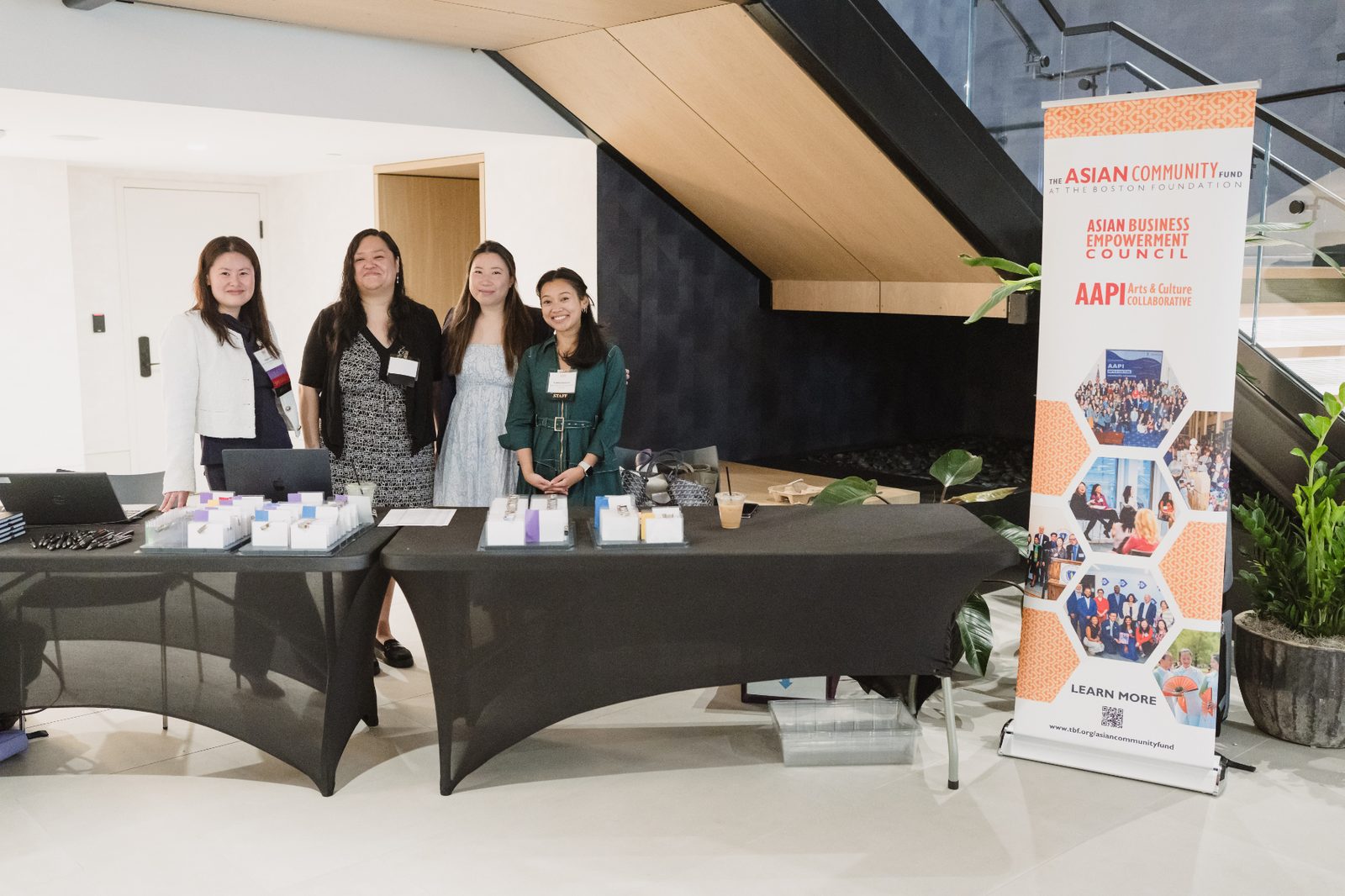
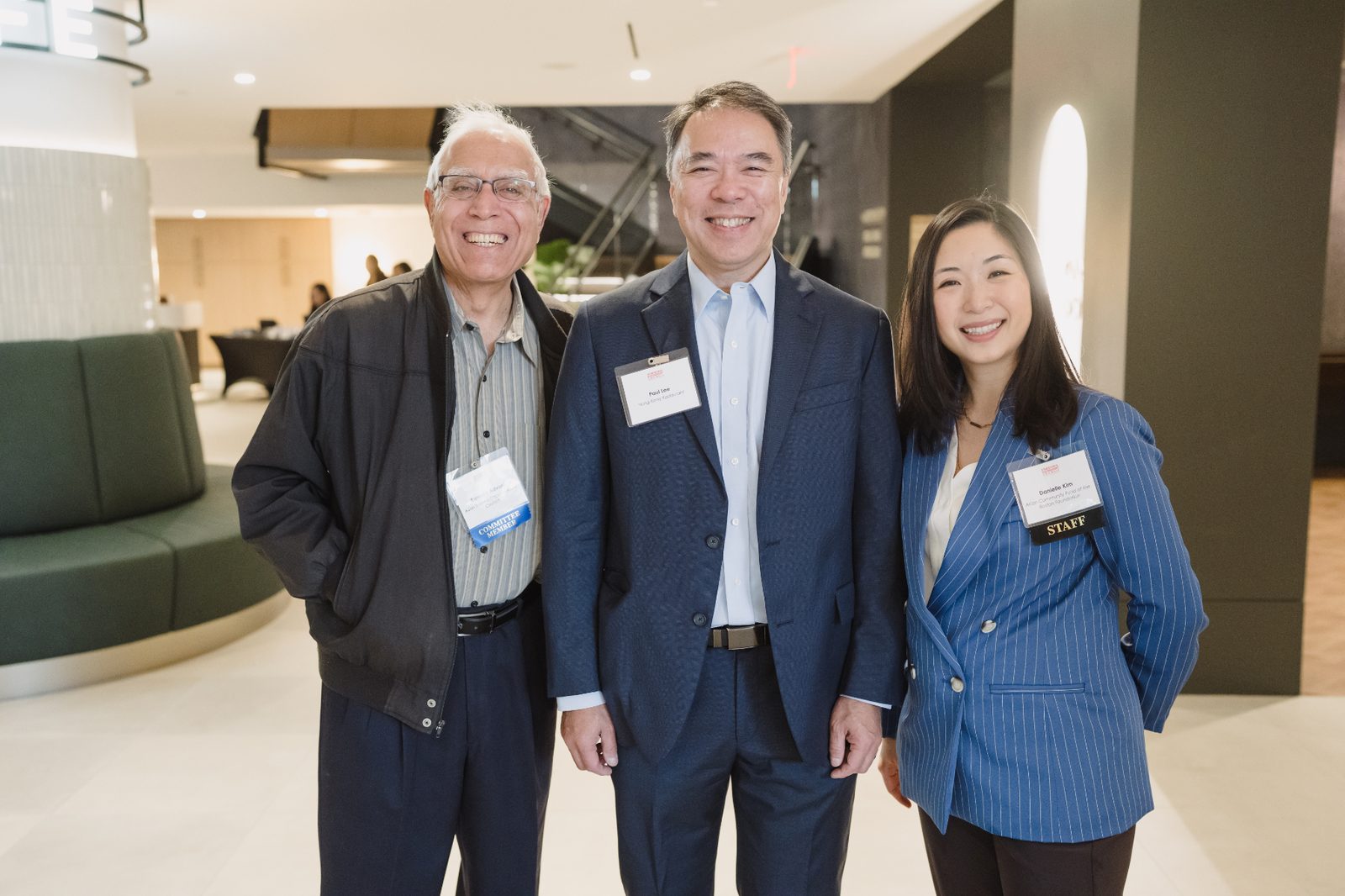
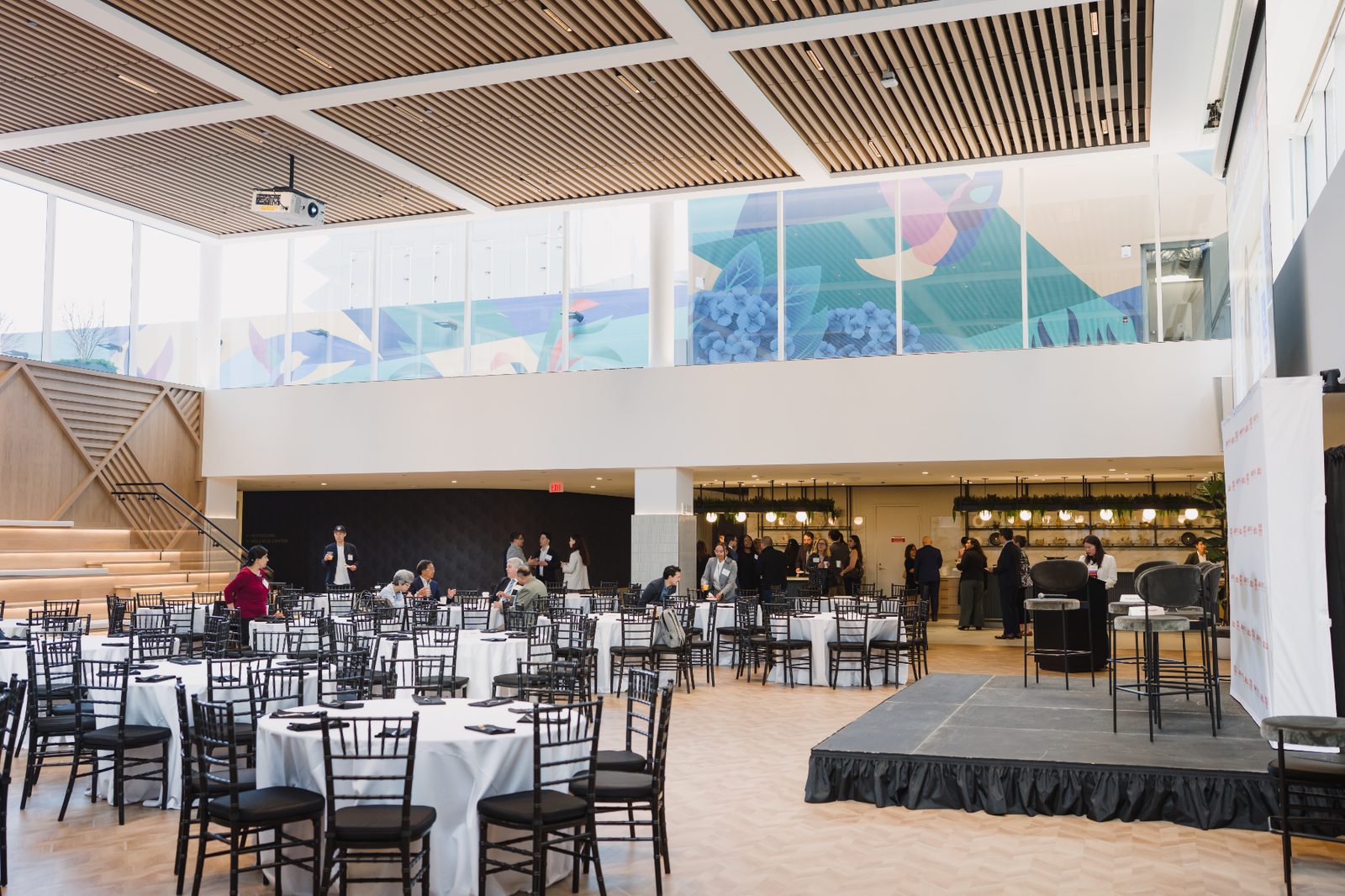
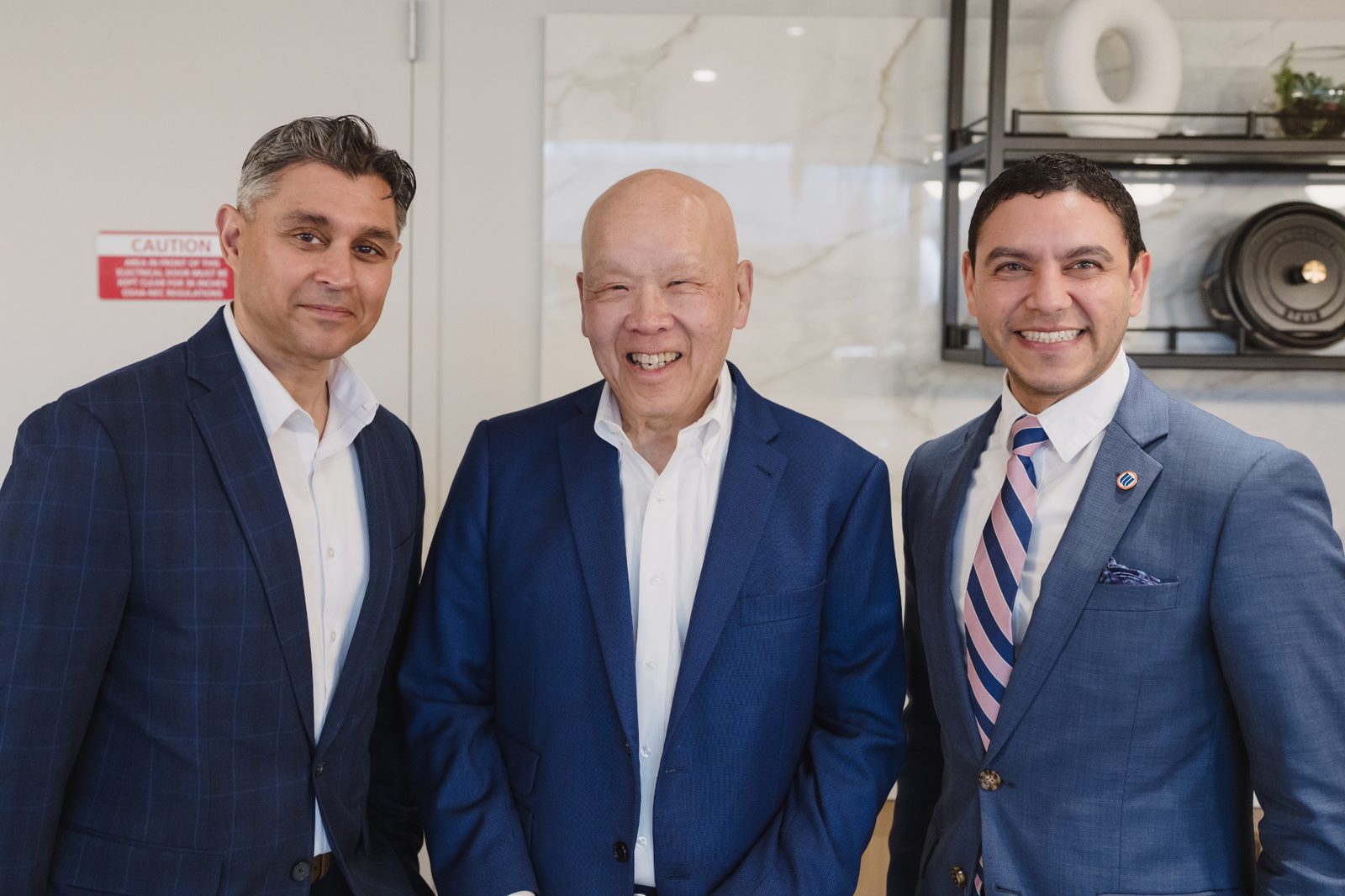
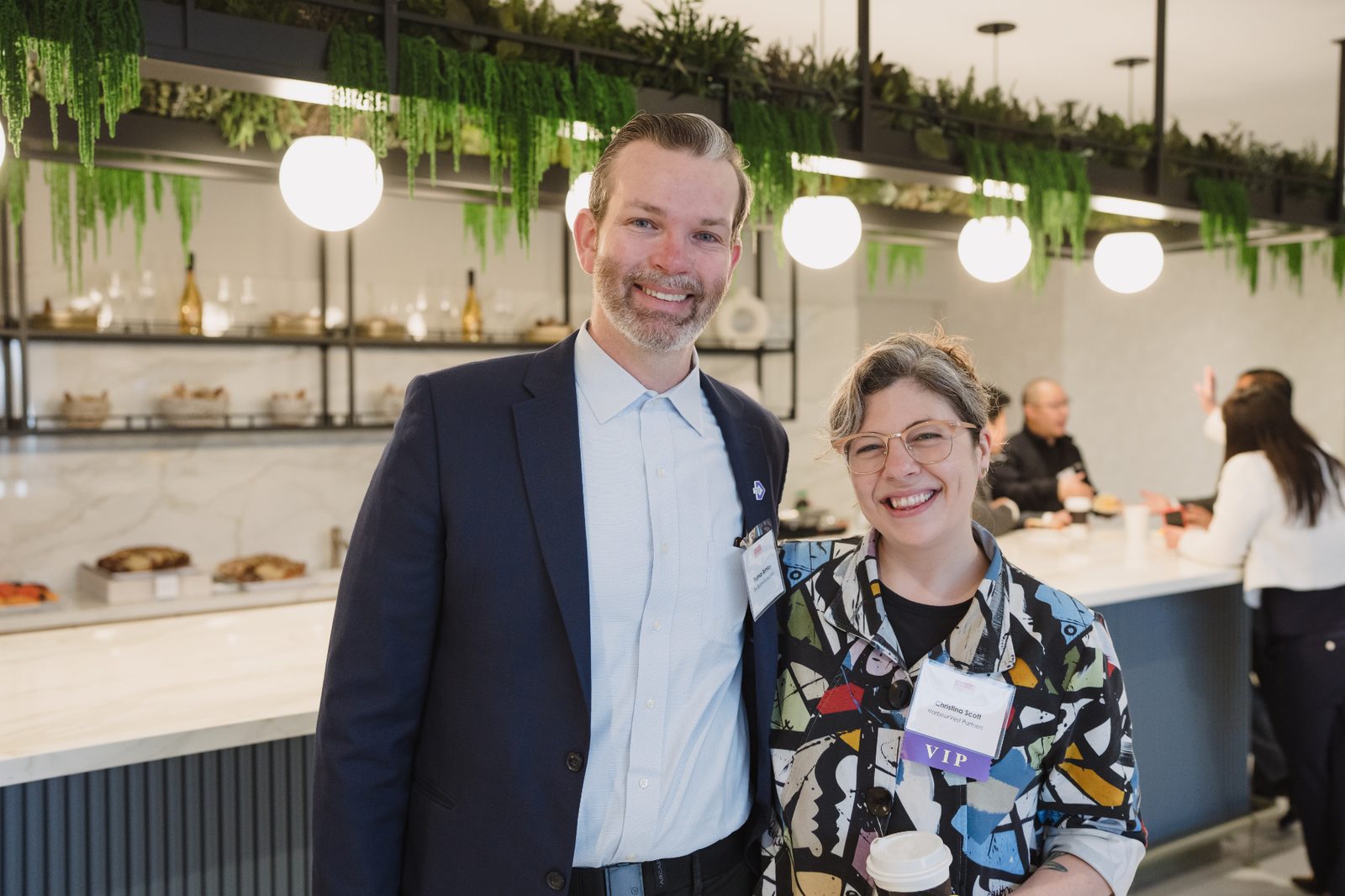
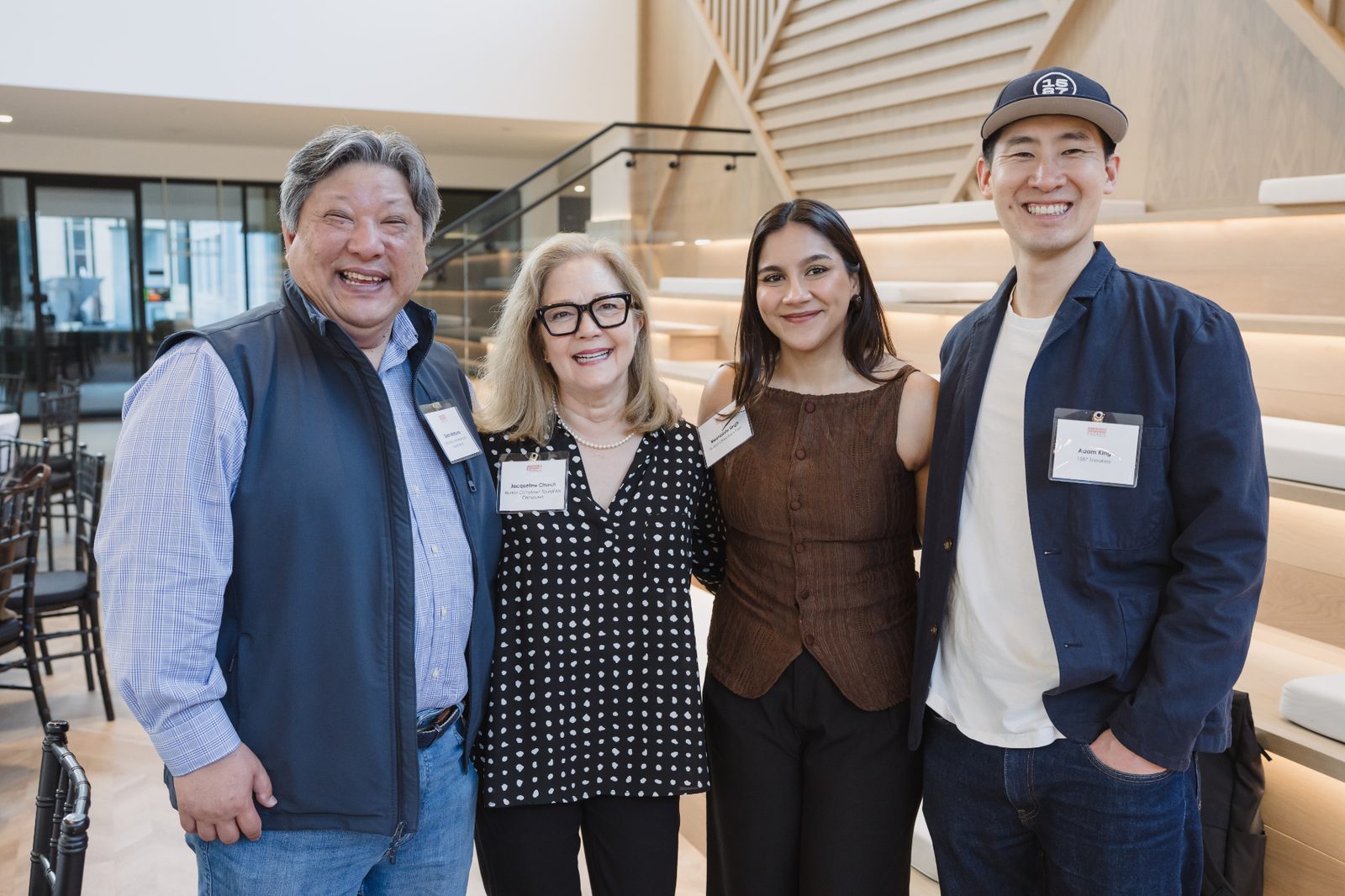
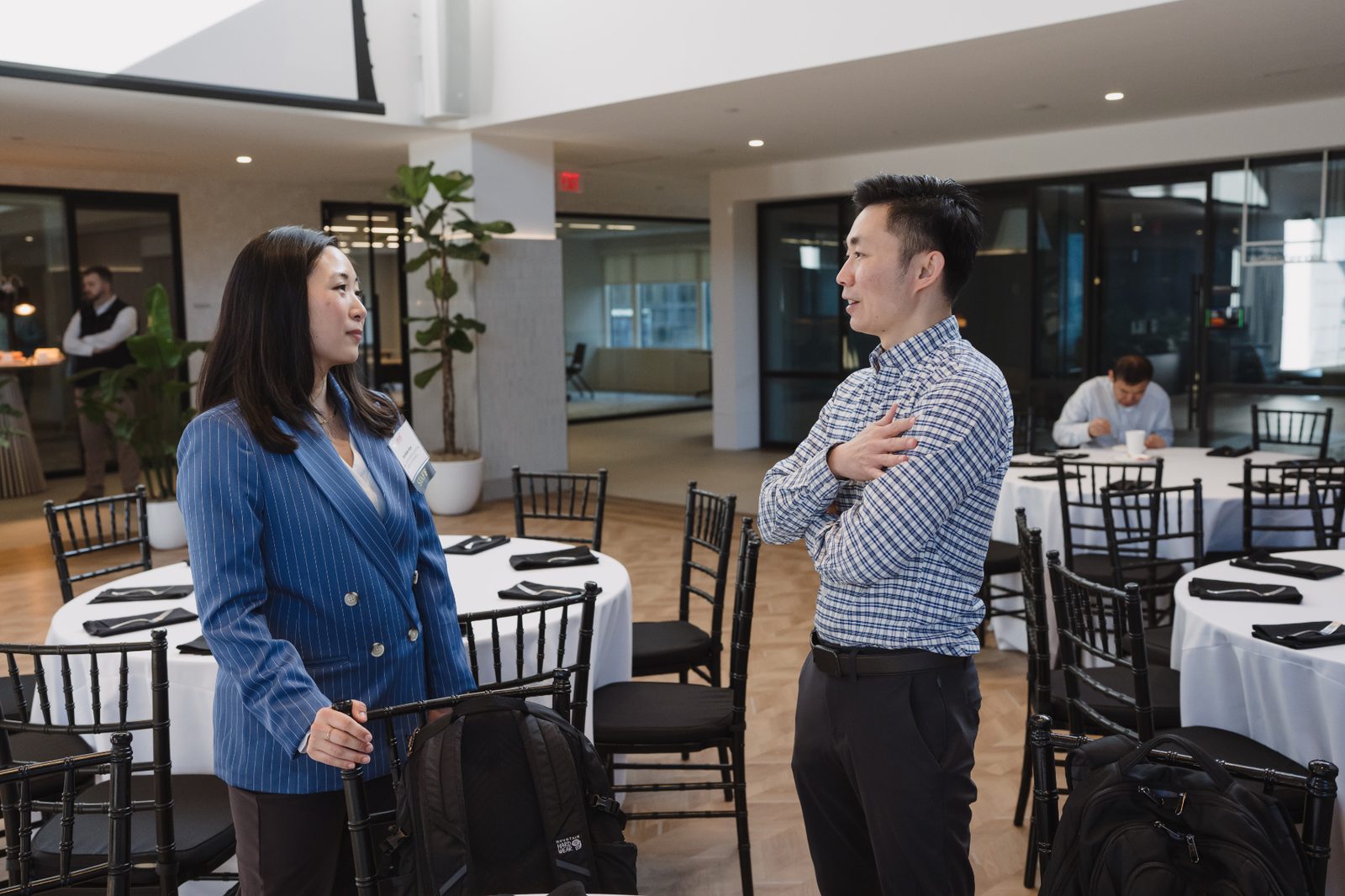
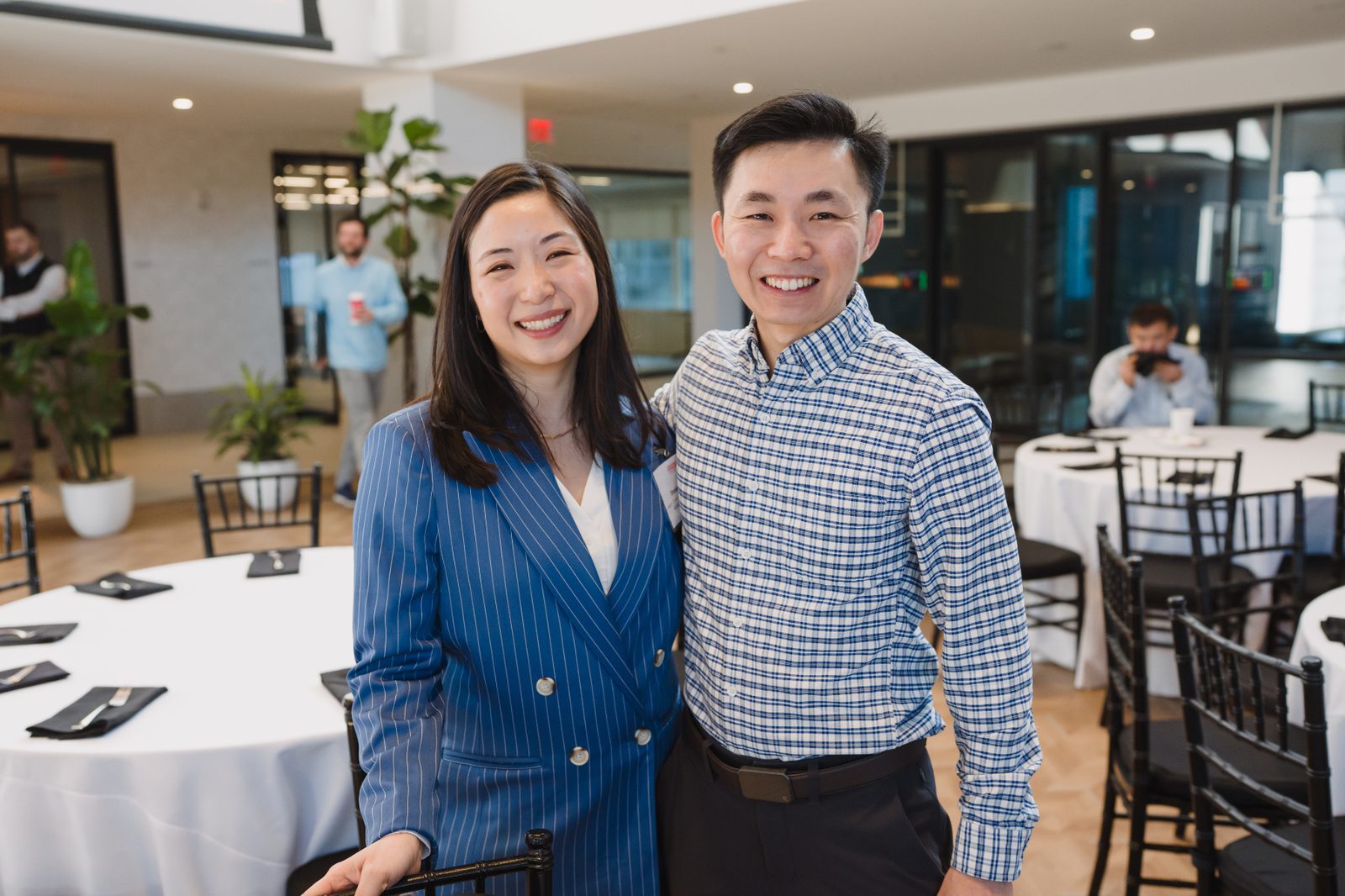
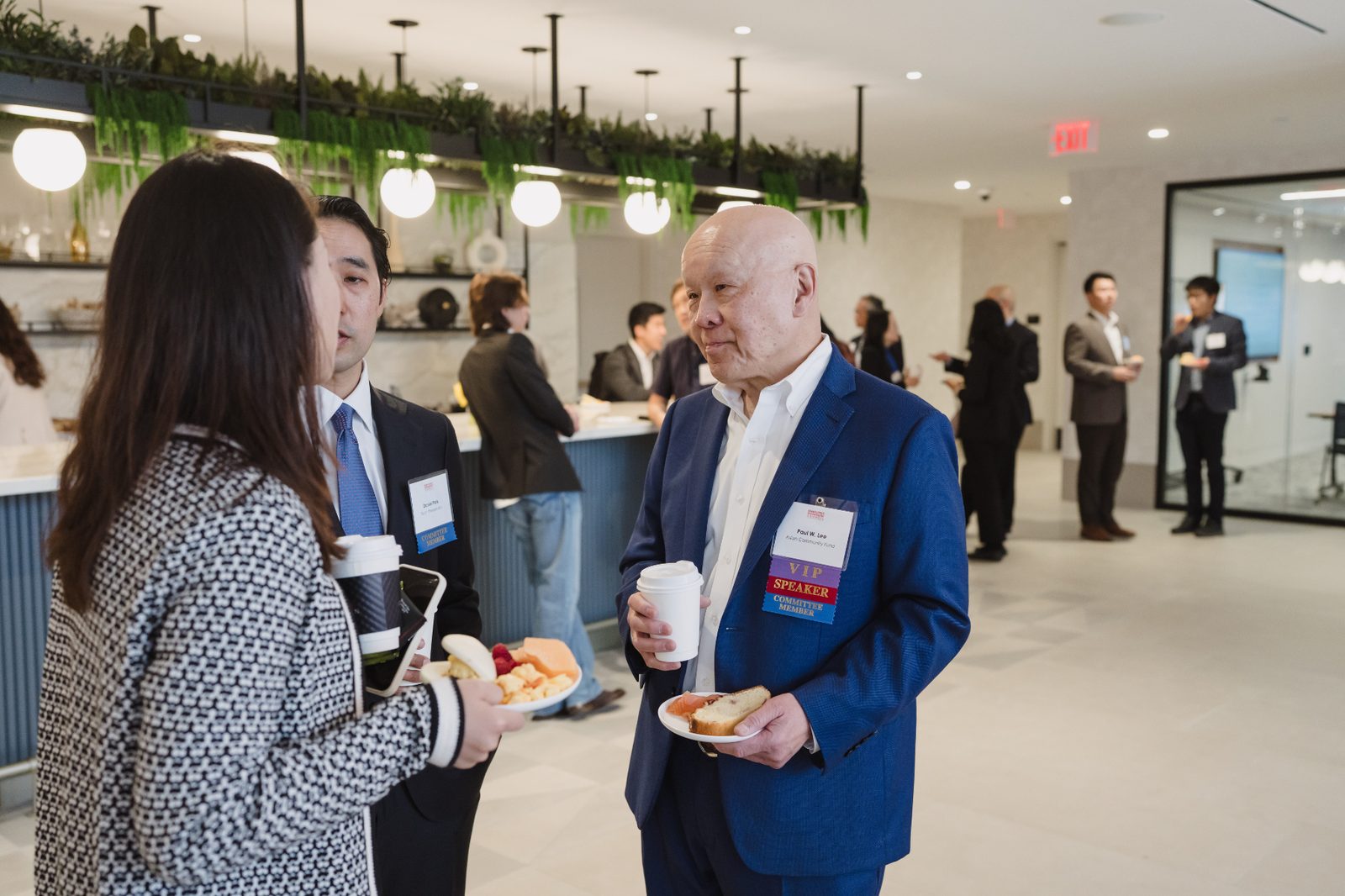
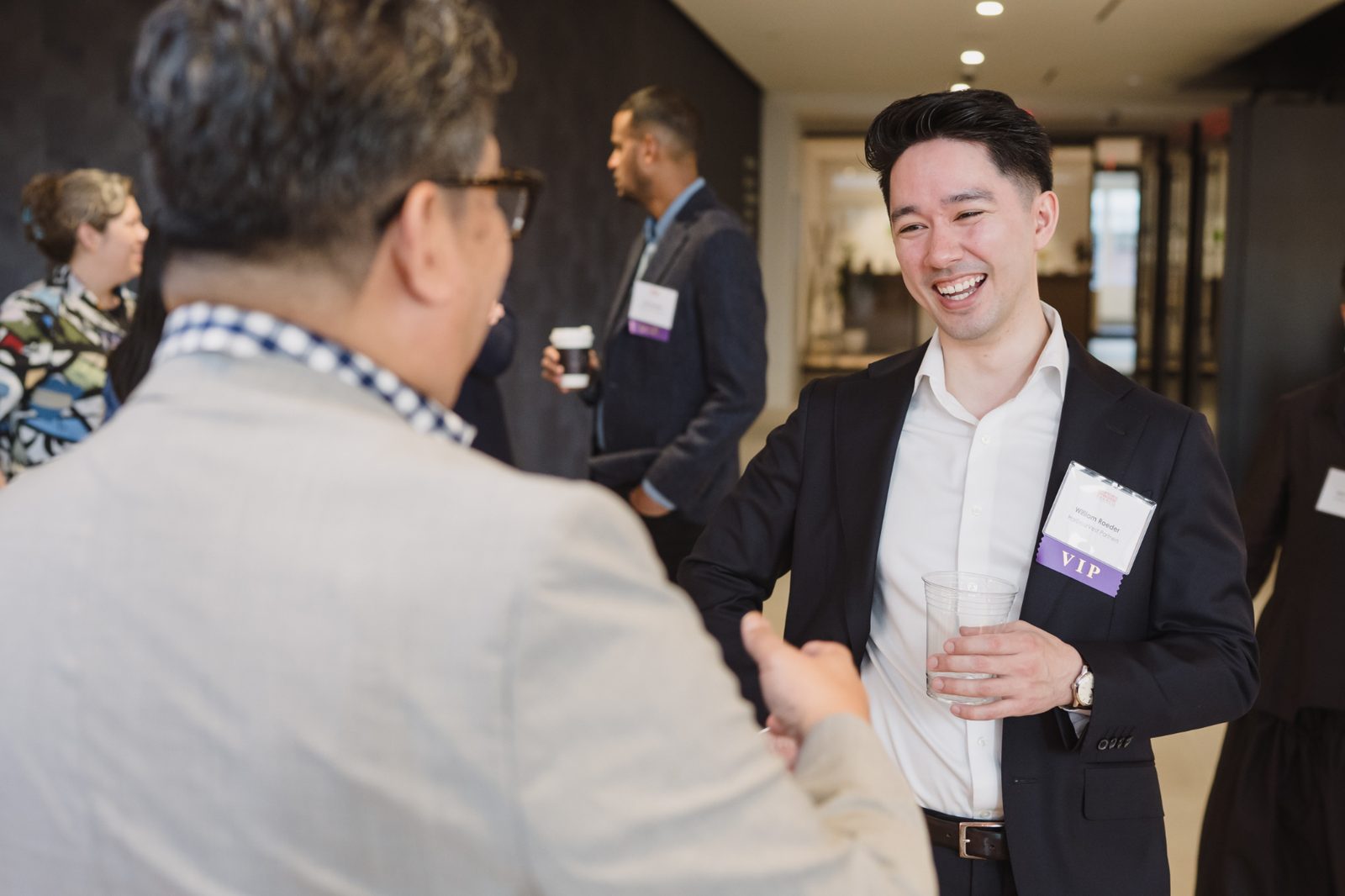
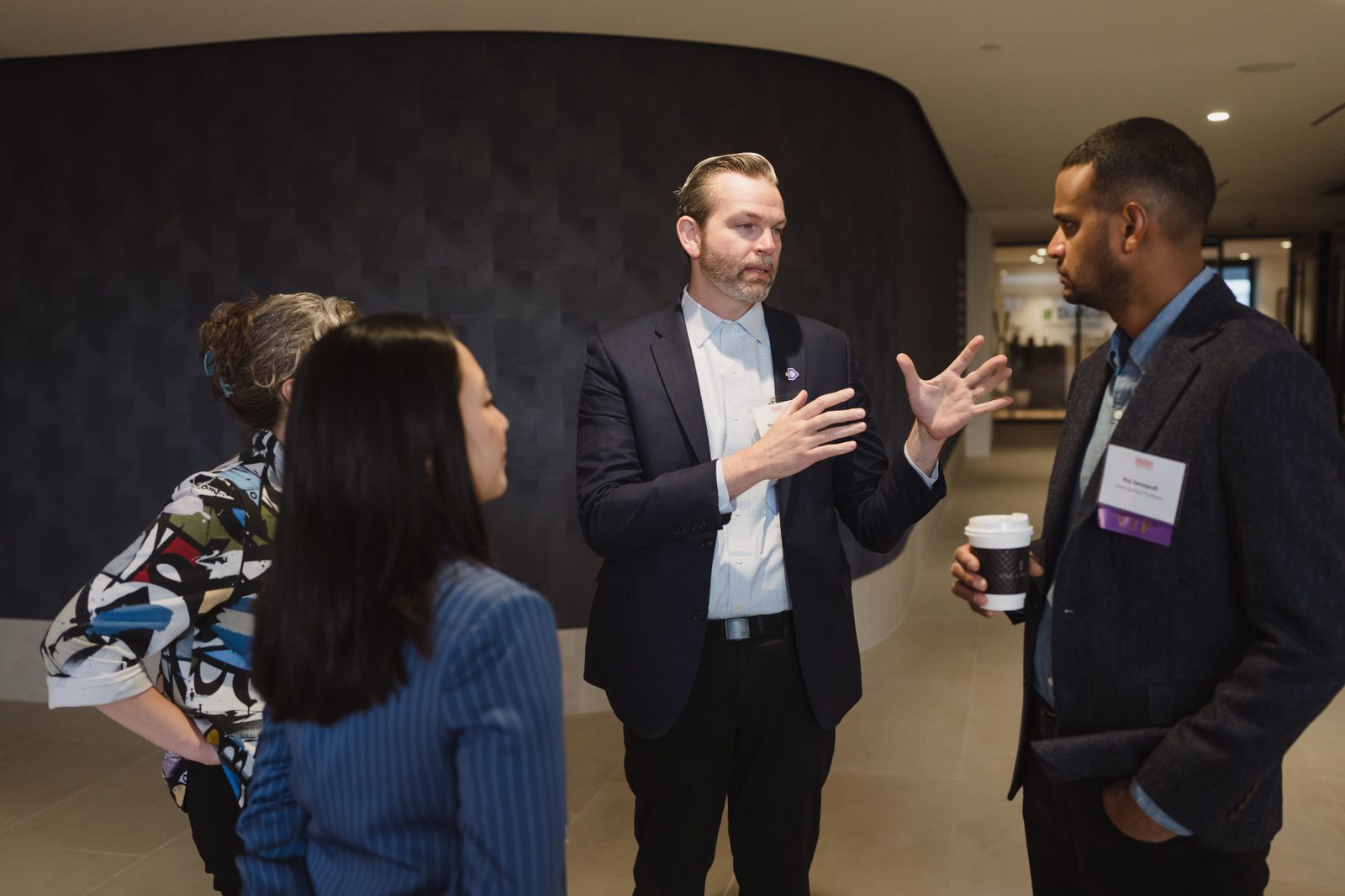
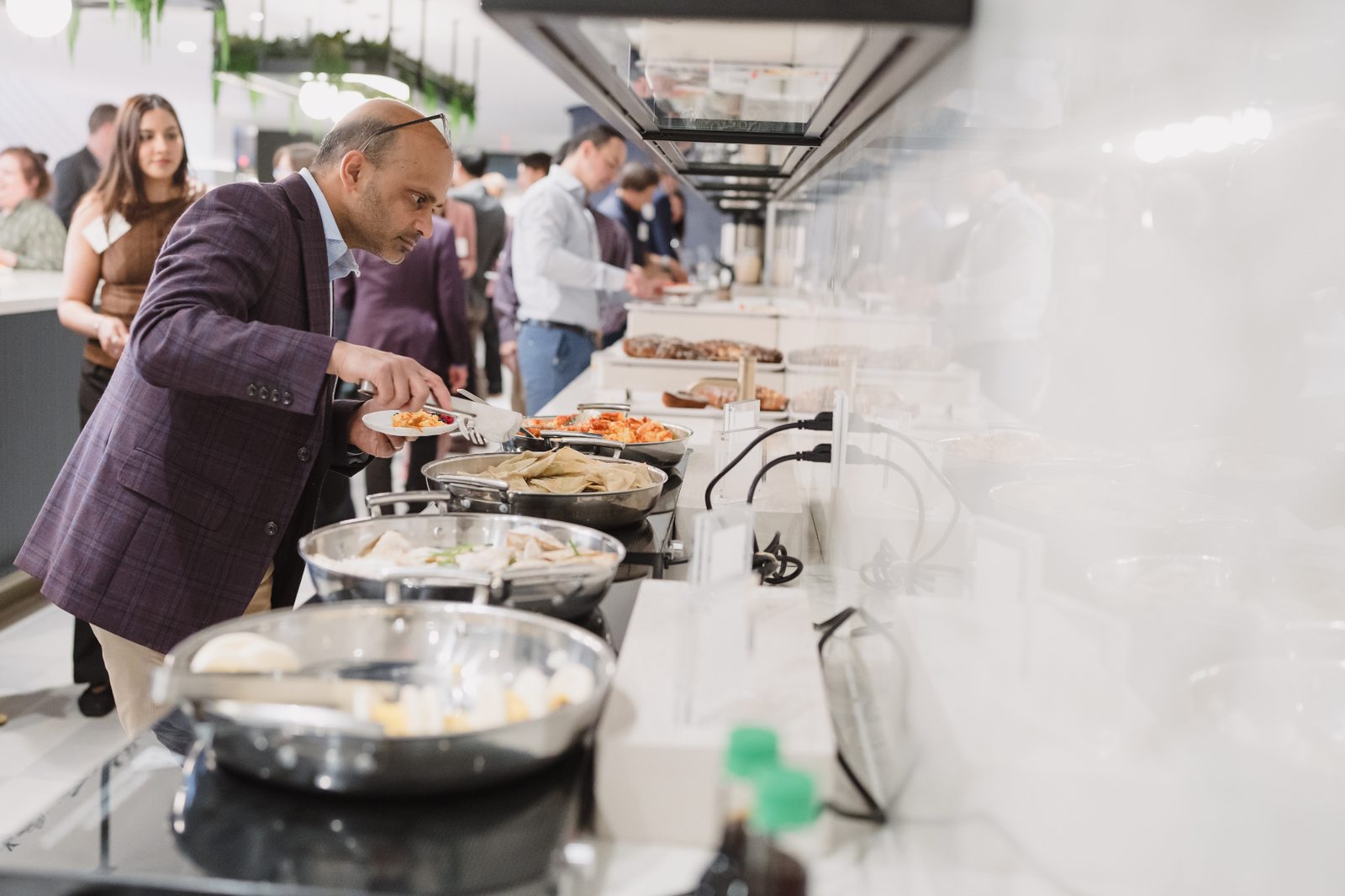
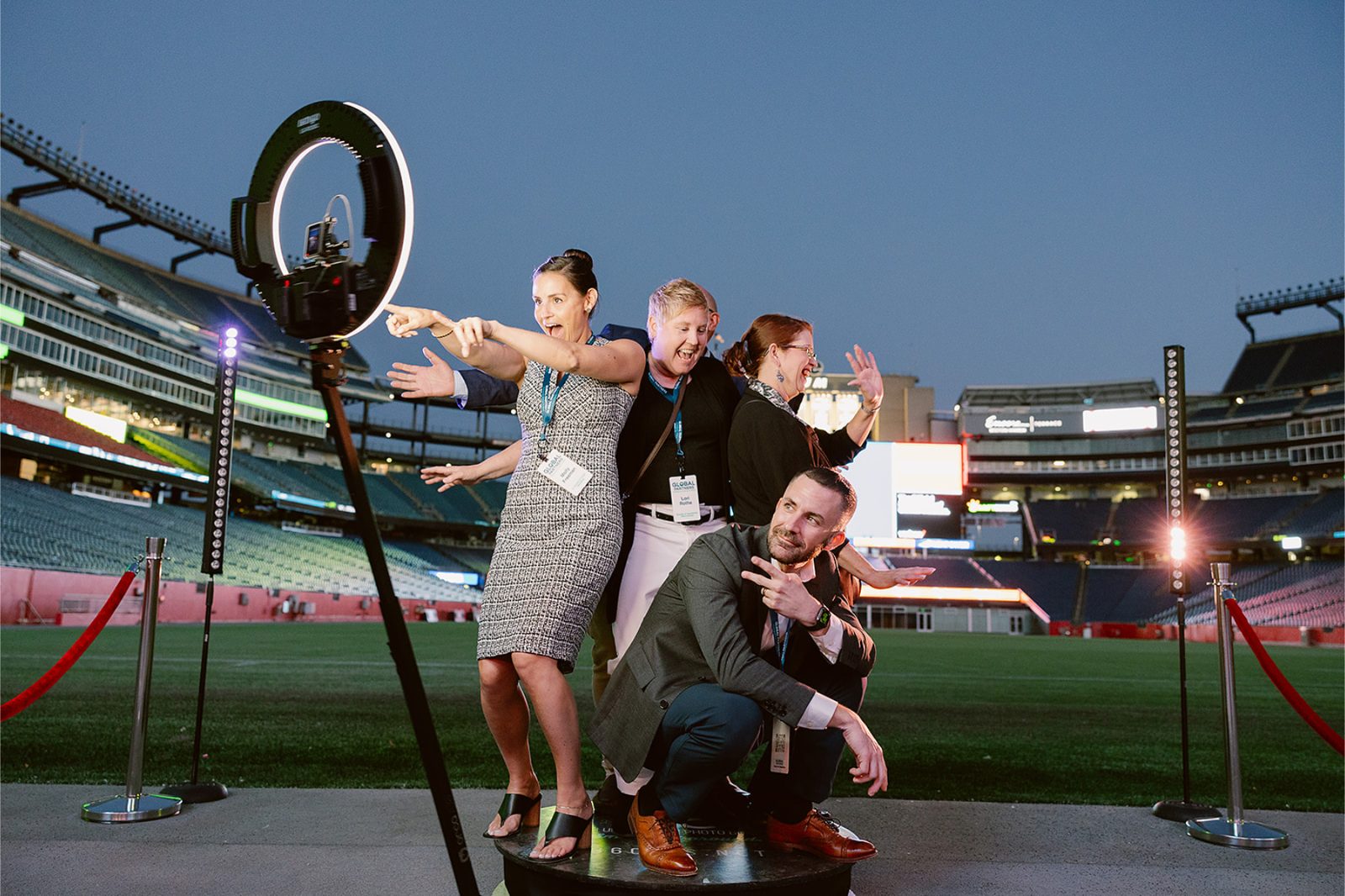
I have photographed more than a dozen events for the Asian Community Fund now, which means I have watched this organization grow up. The first time, I was the photographer in the room. By the tenth, I knew half the room by name.
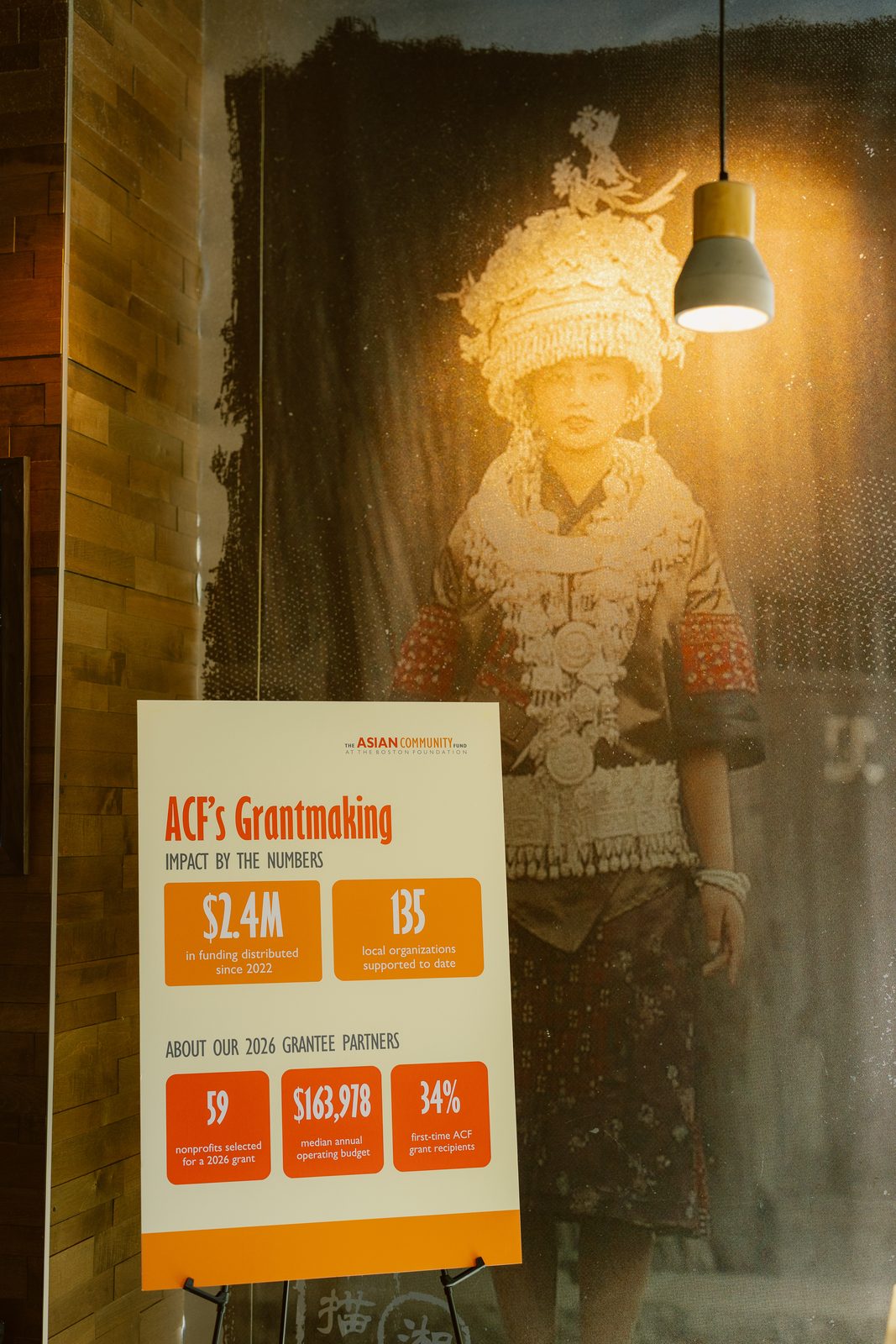
Their mission is to increase the visibility of the Asian American community and expand resources for the nonprofits and businesses inside it. I resonate with that more than I usually let on. Since 2020 the ACF has moved over $2.4 million to 135 community nonprofits, and it is the first and only philanthropic fund in Massachusetts built specifically for AAPI communities. Most of those grantees run on budgets under $500,000. You can feel that in a room.
One of the best things about photography is the access it gives me to people and spaces I would otherwise never be in. With the ACF it has been a different kind of gift. These are my people, and I get to be the one who shows up with the camera.
Really thankful for this one. Here is some of what we have made together.
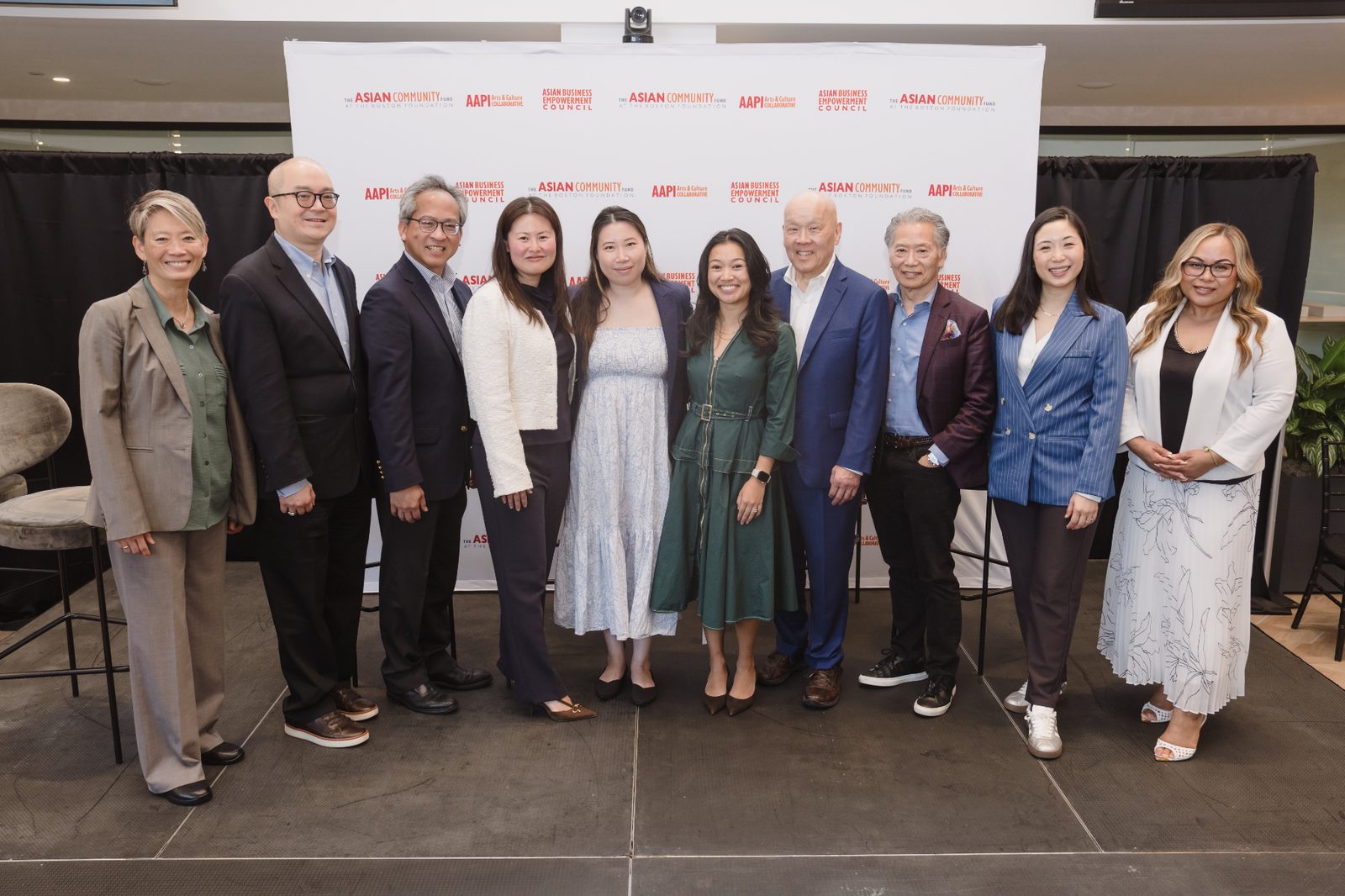
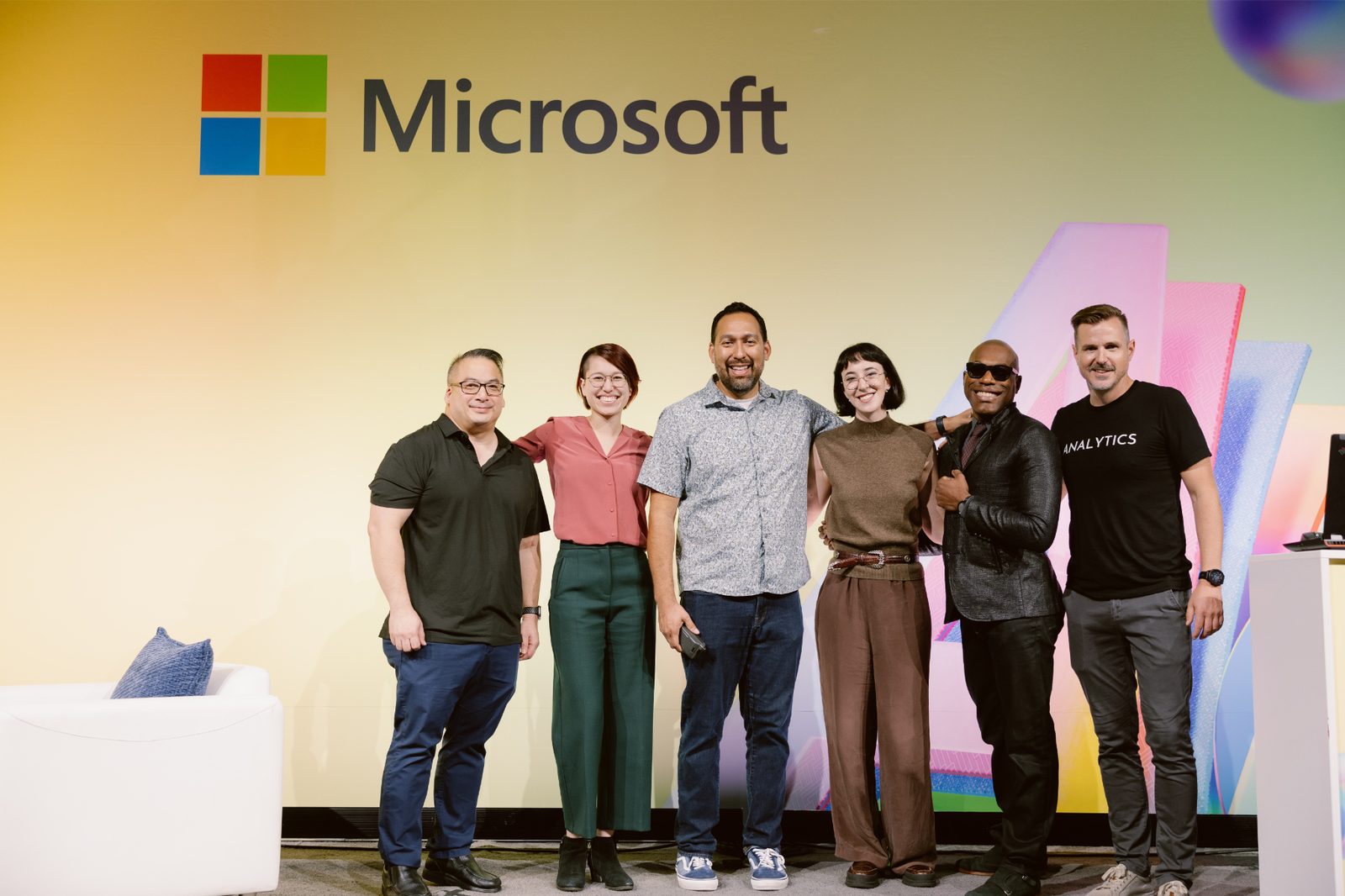
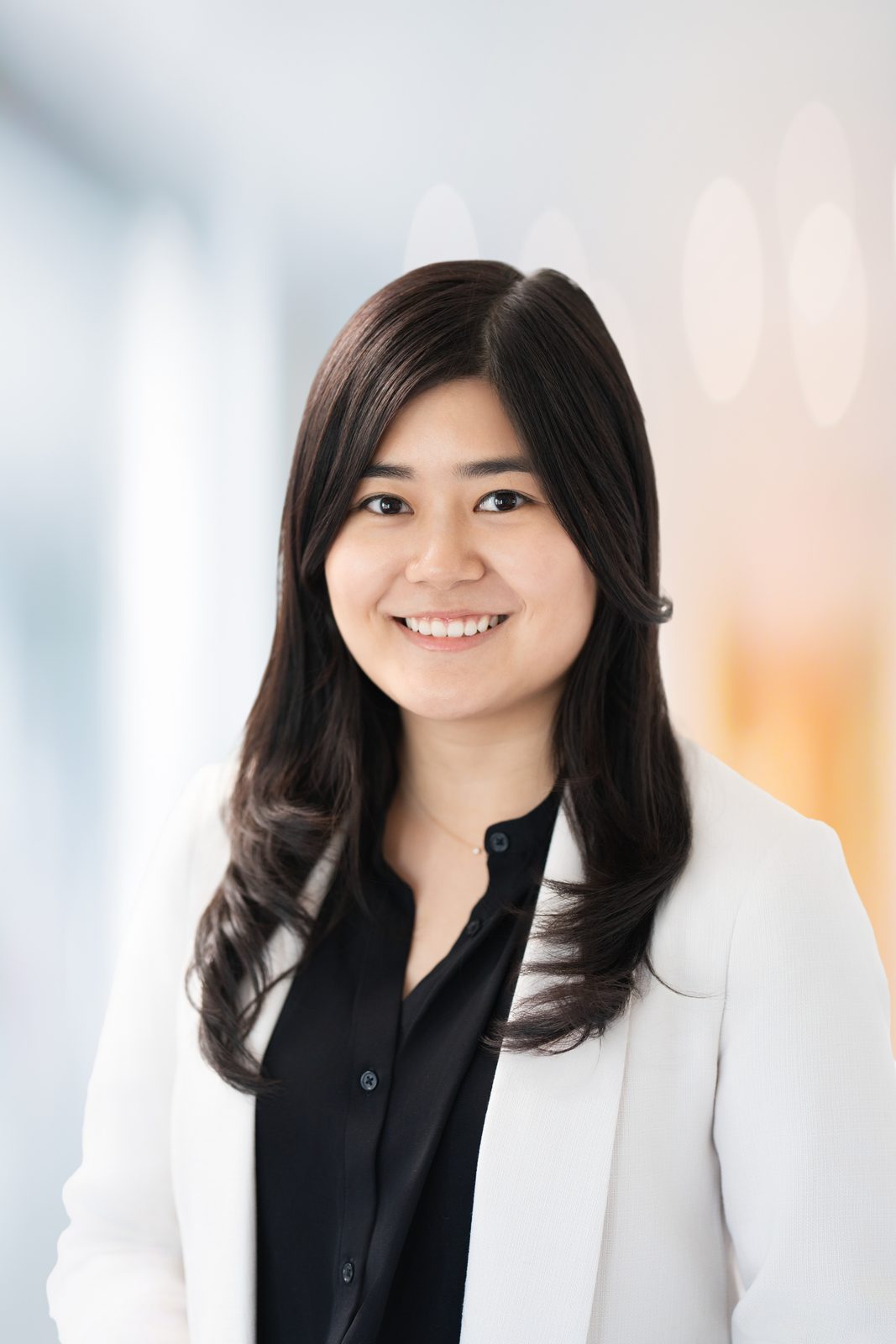
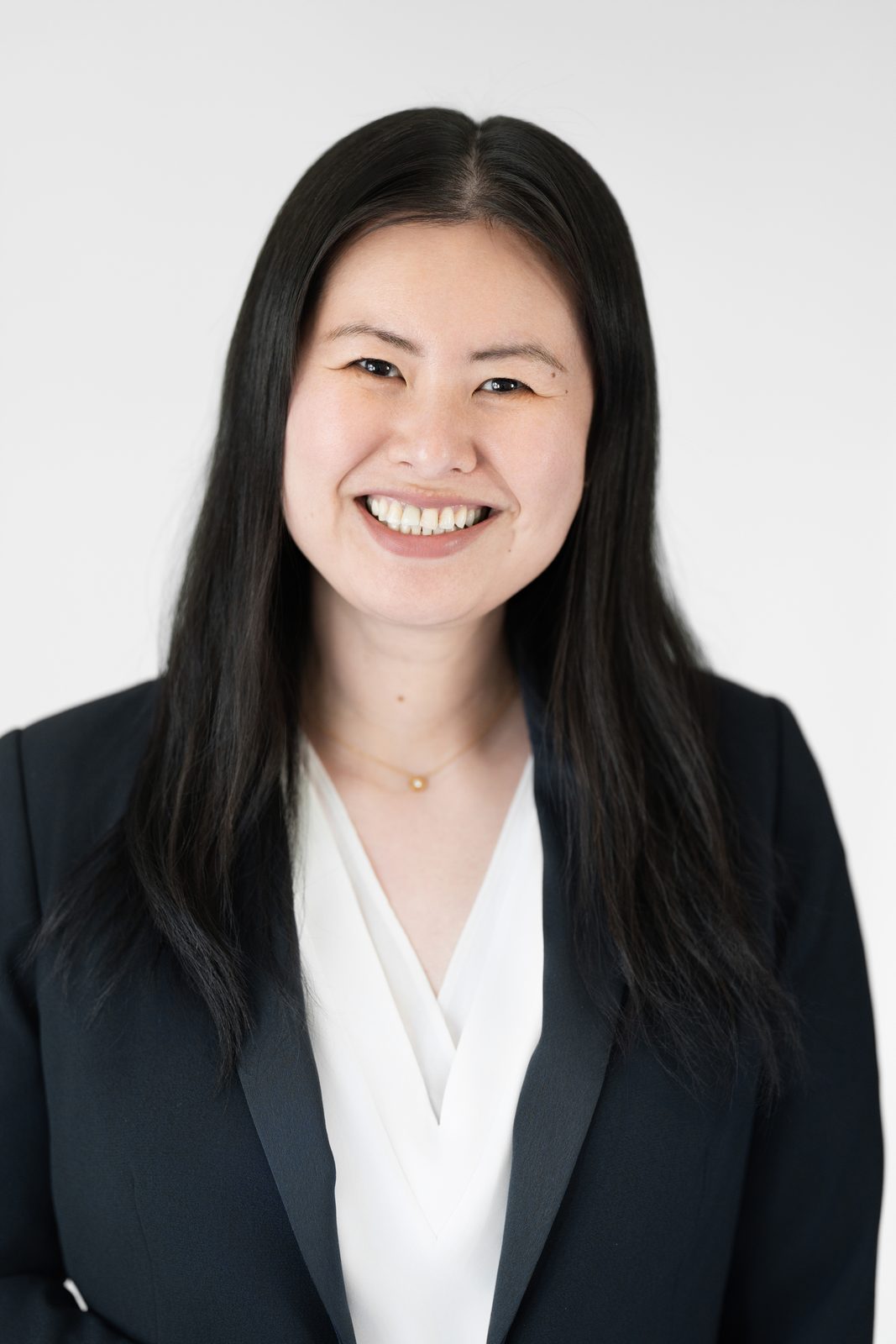
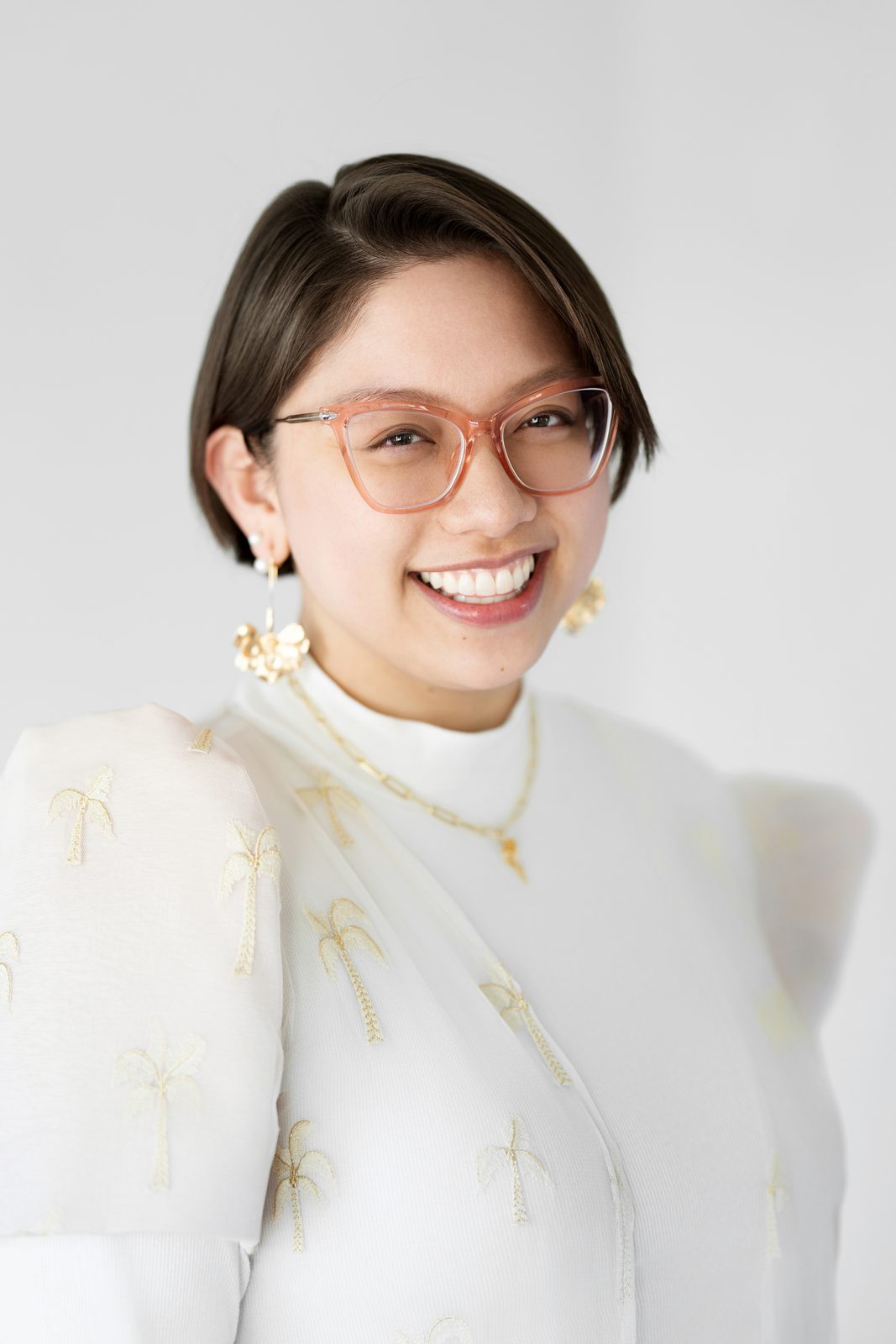
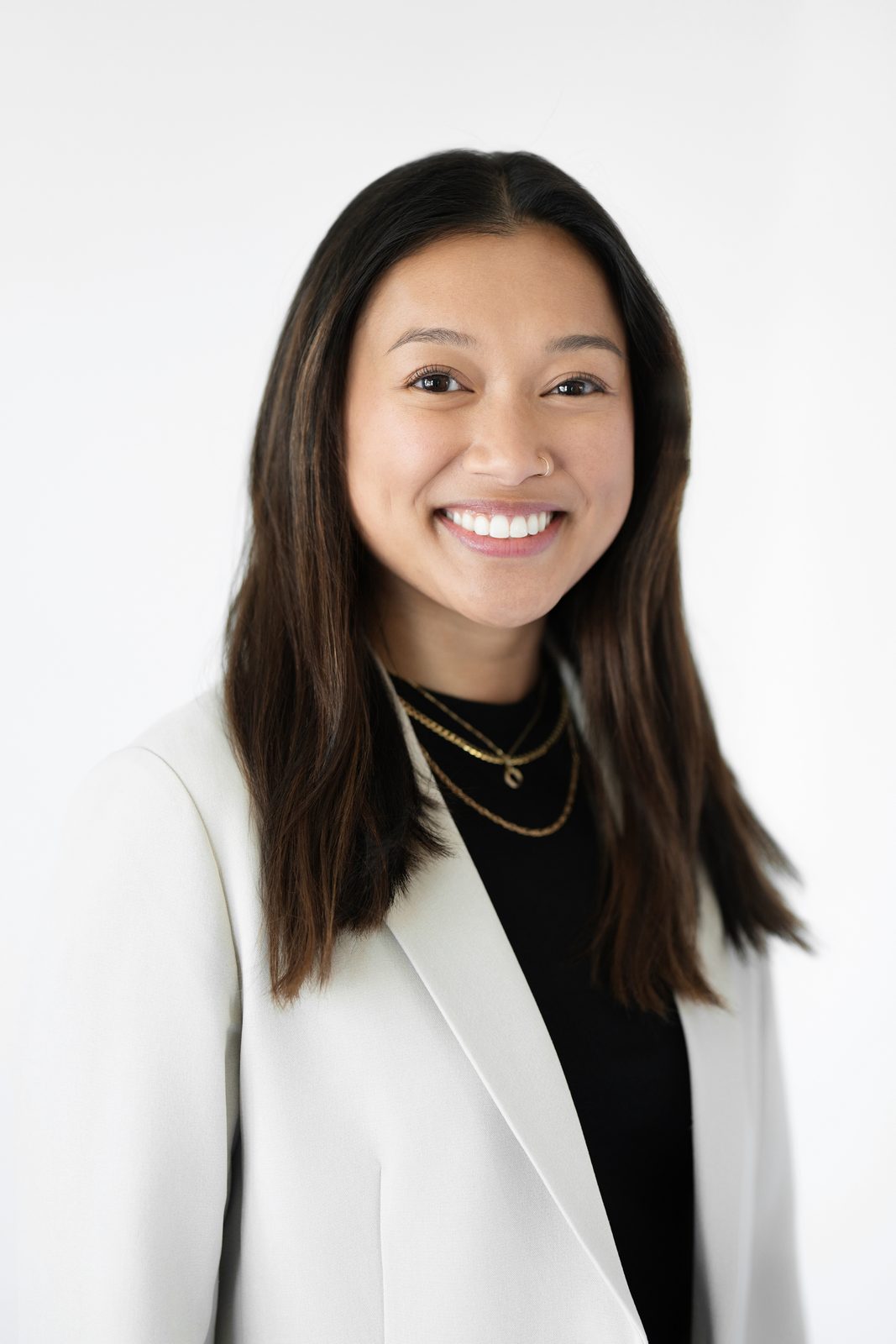
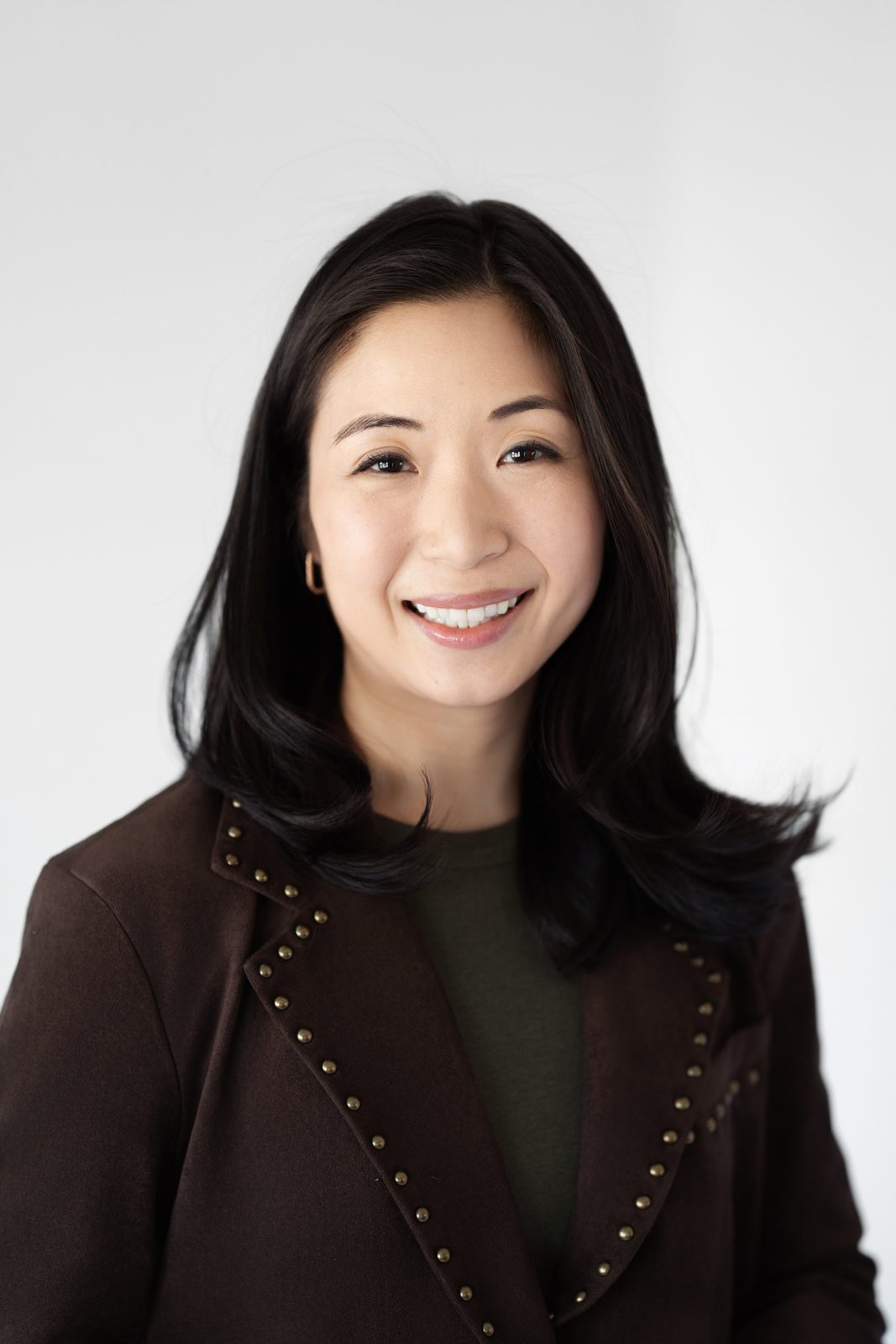
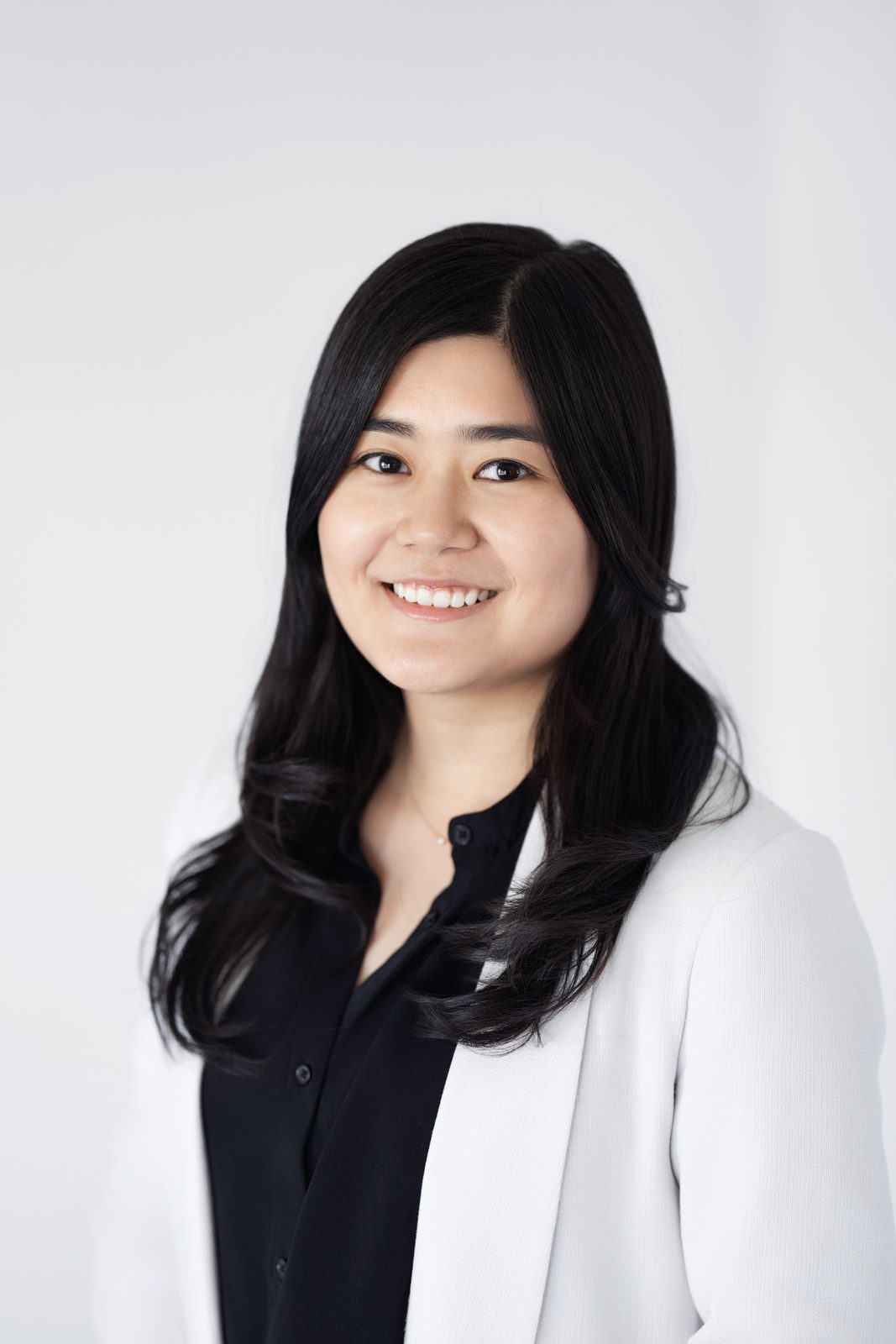
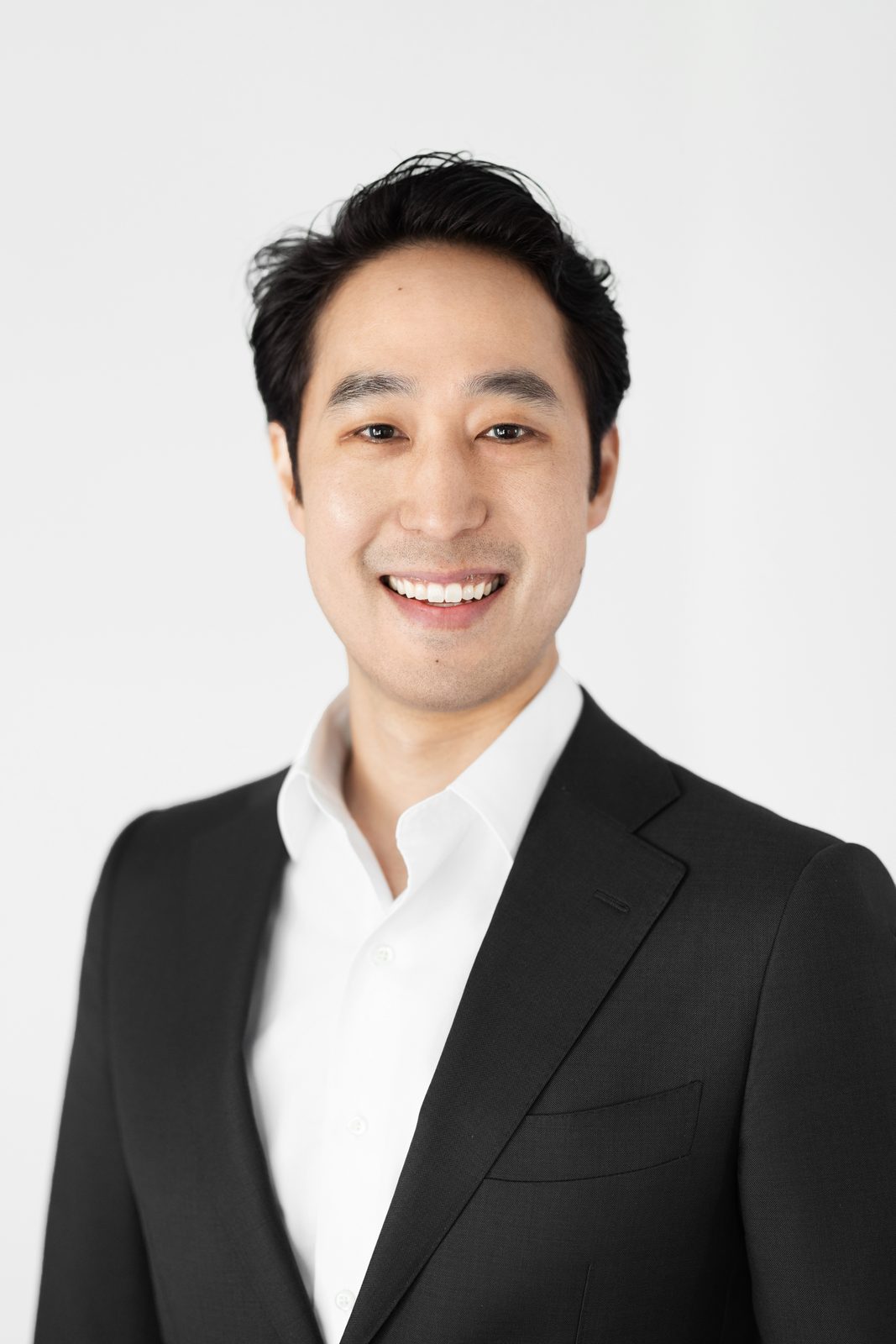
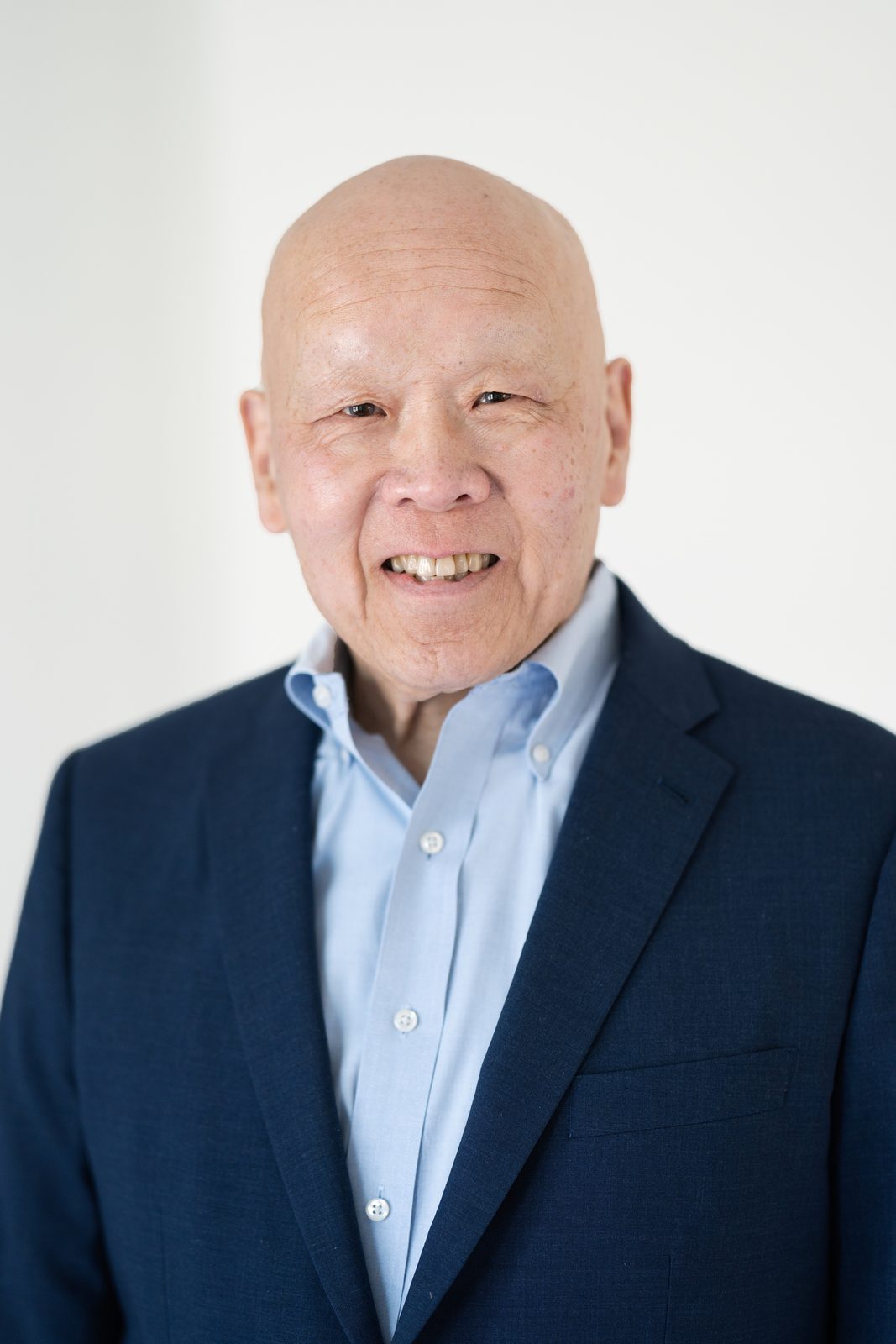
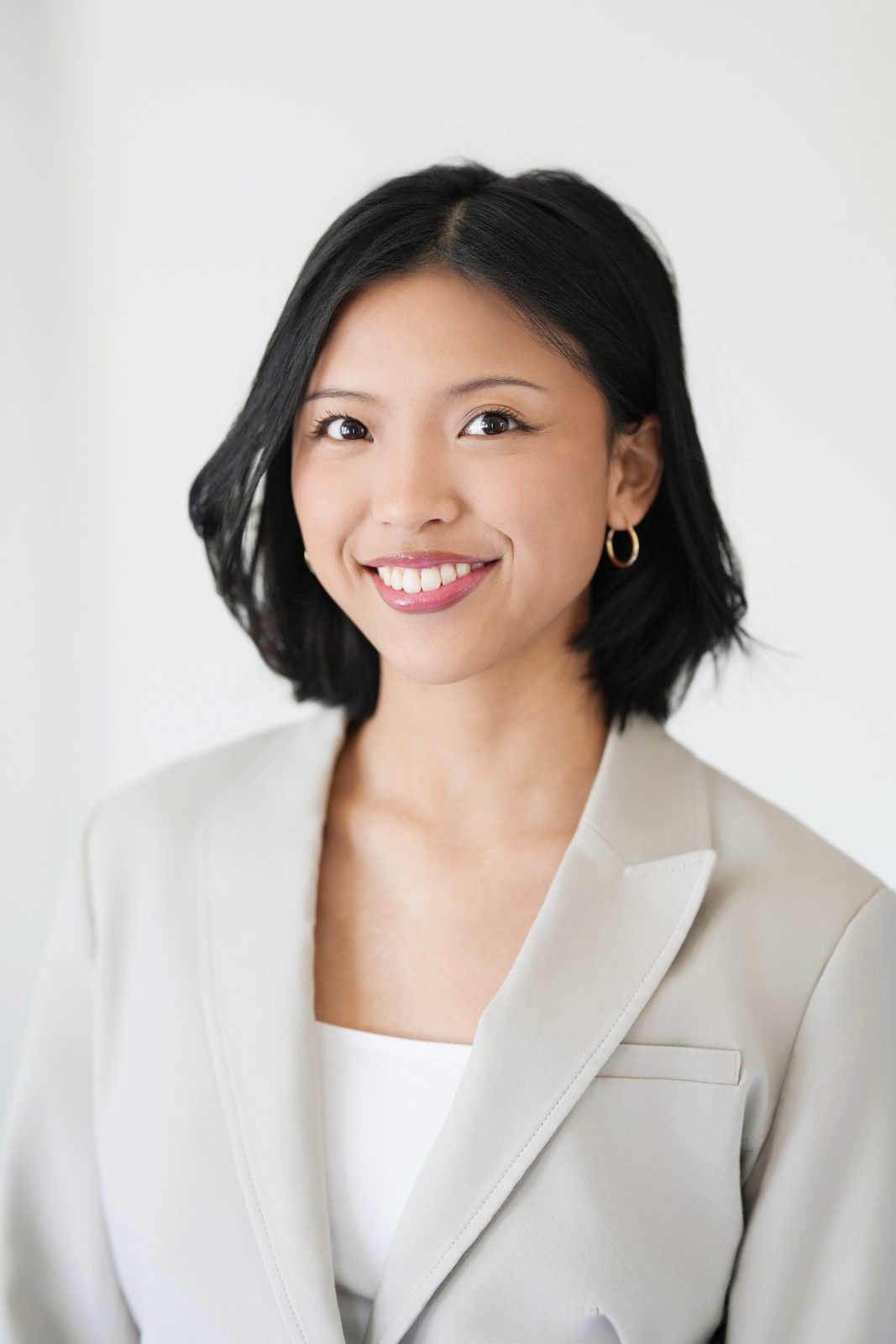
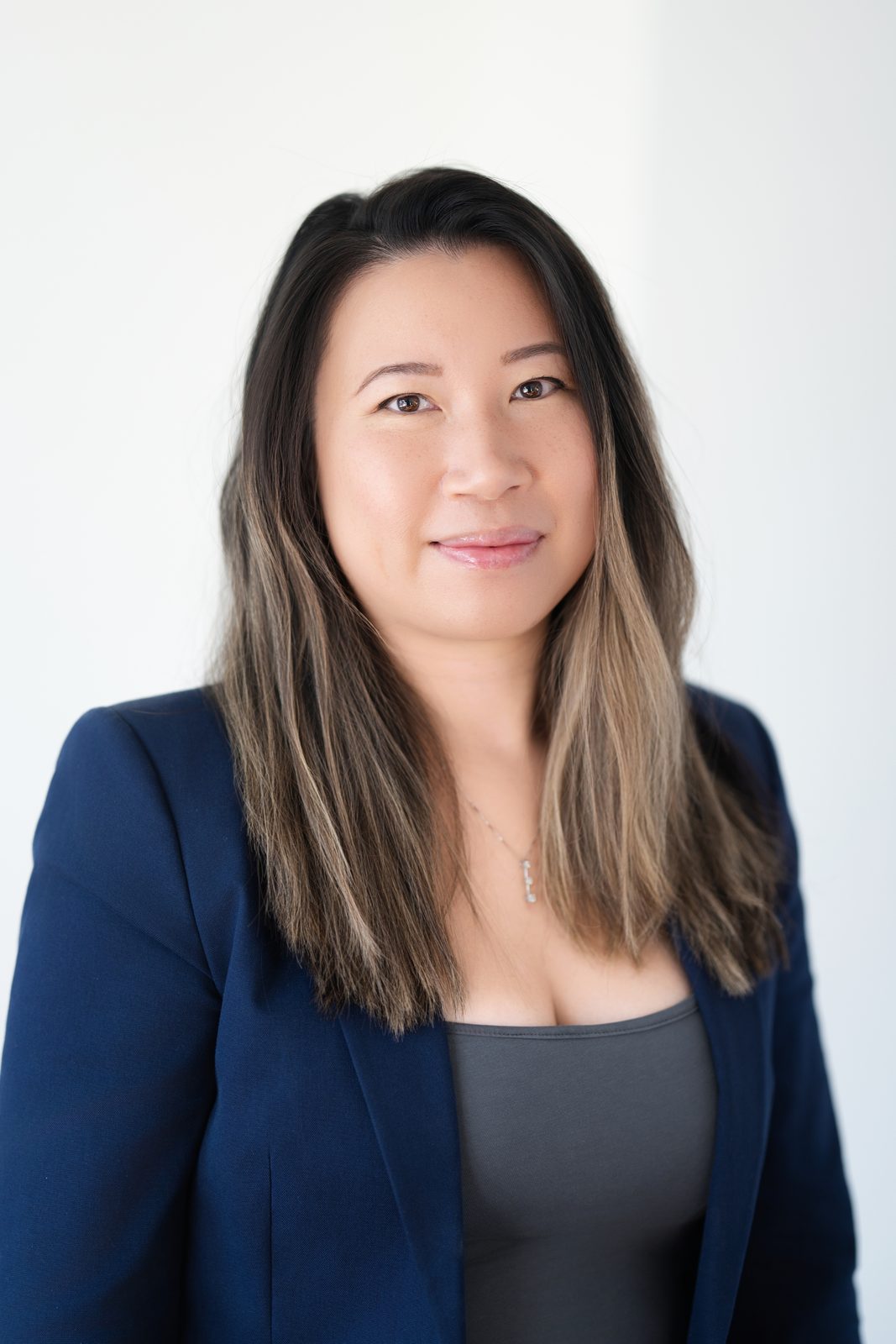
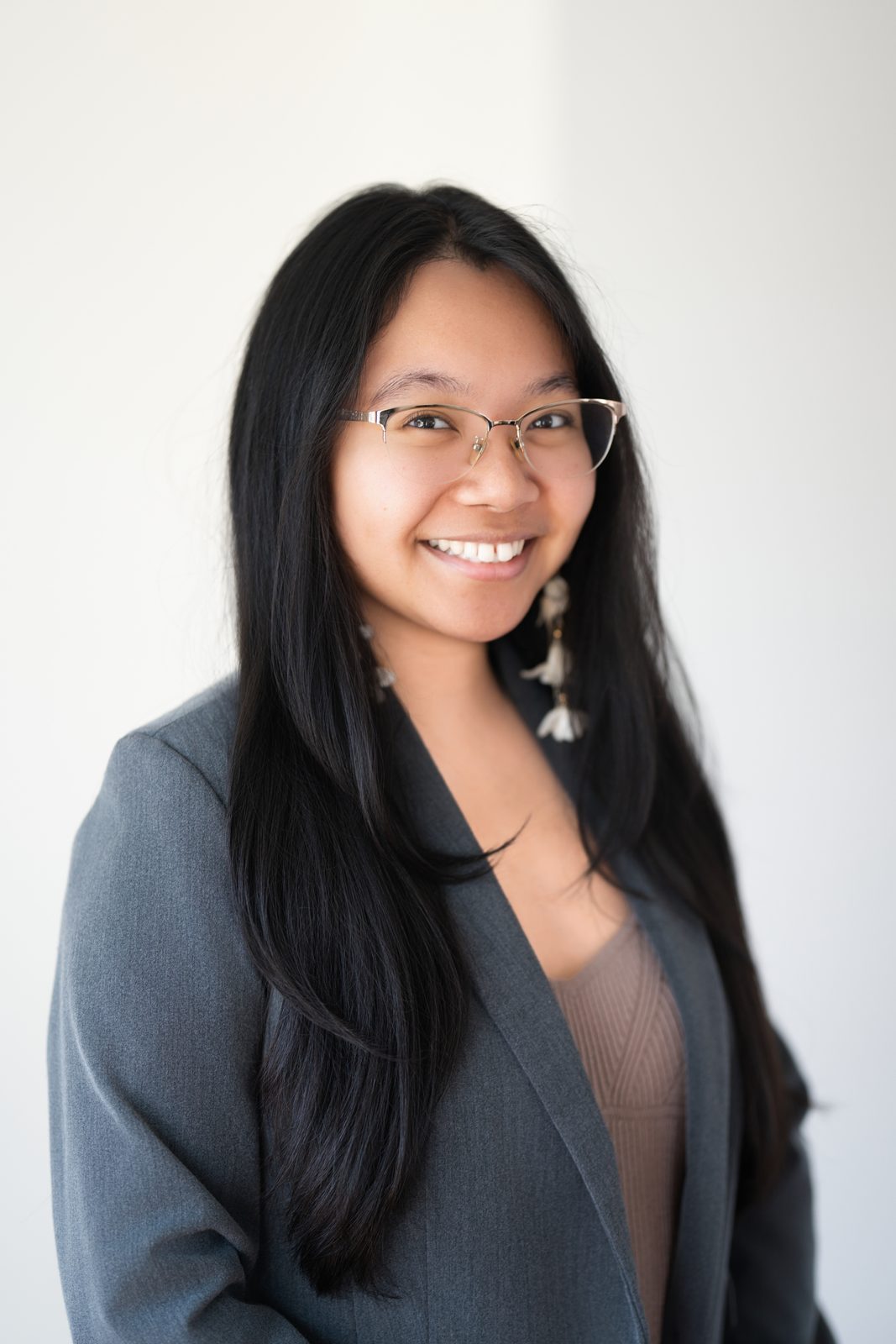
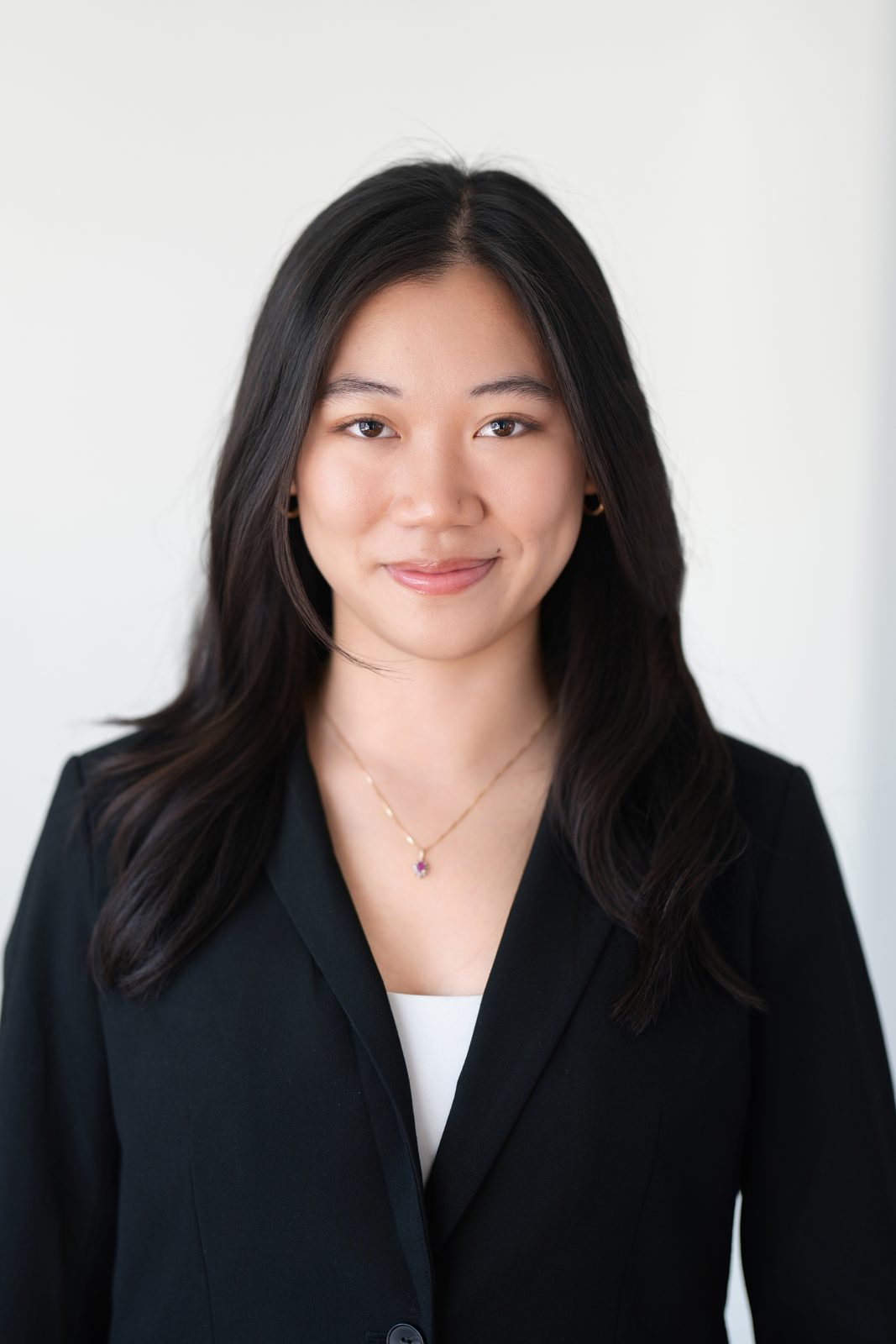
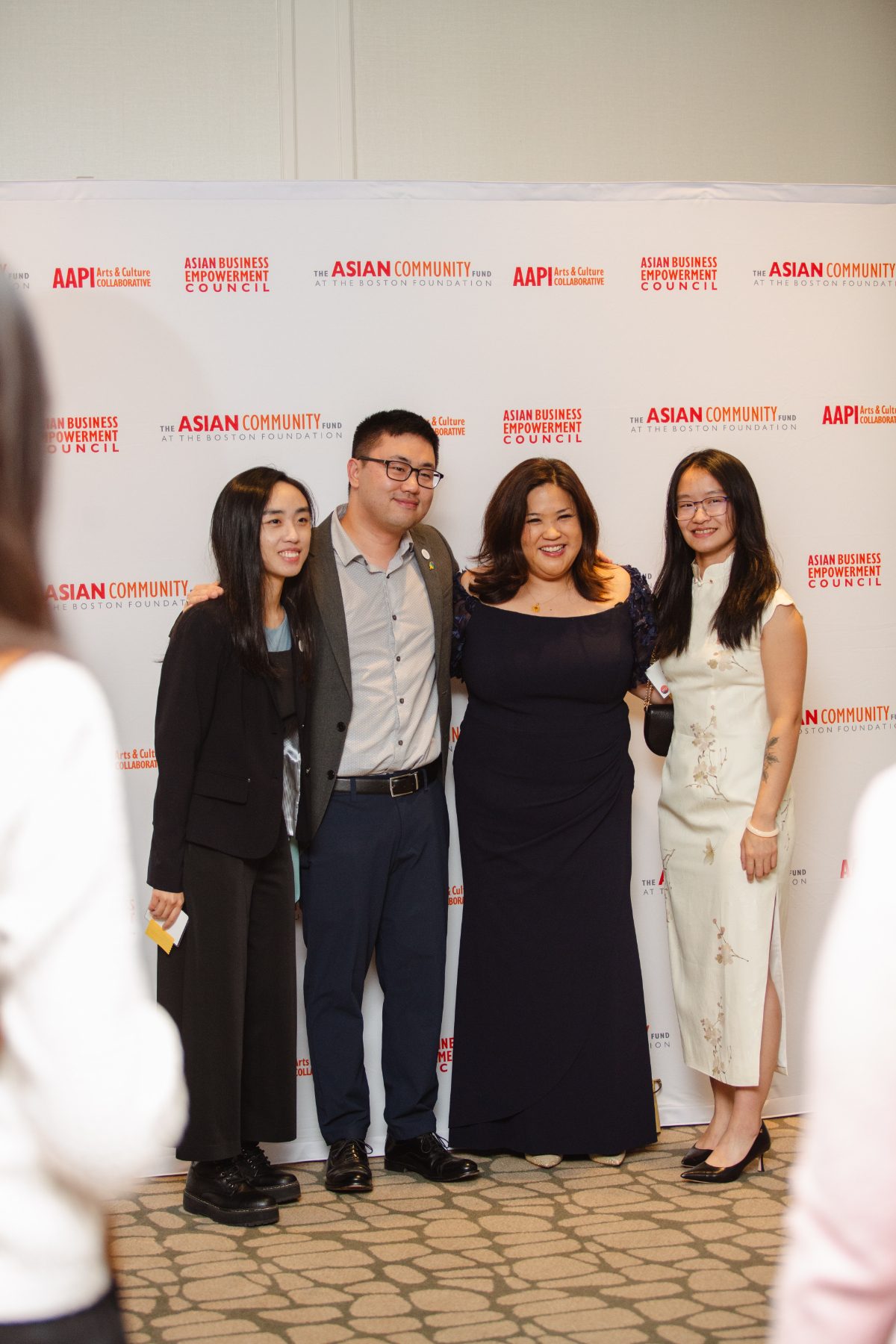
A custom background built from the Fund's own colors, soft enough that it never competes with a face. Everyone sat for it in the same session, so the whole team matches wherever these end up.
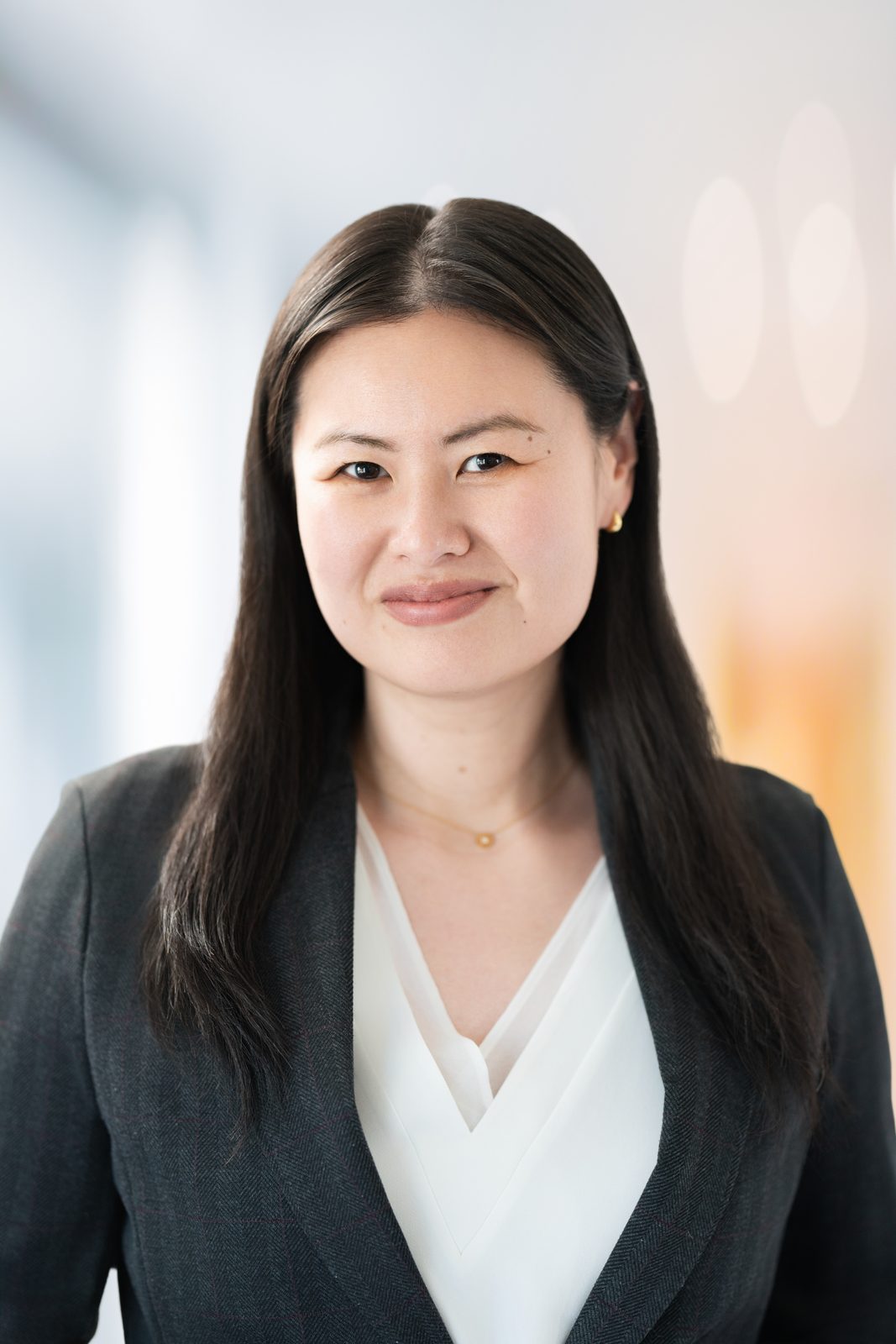
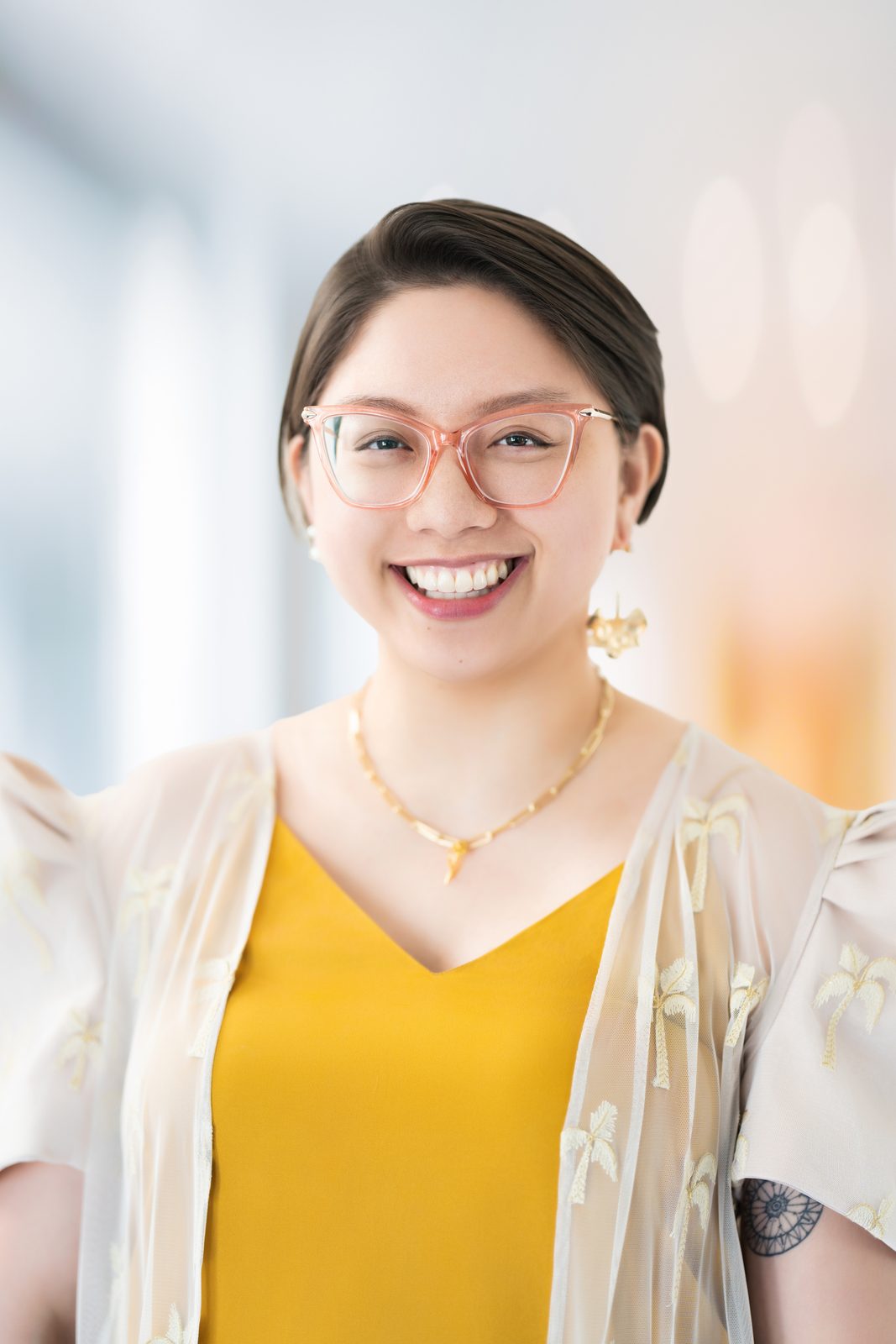
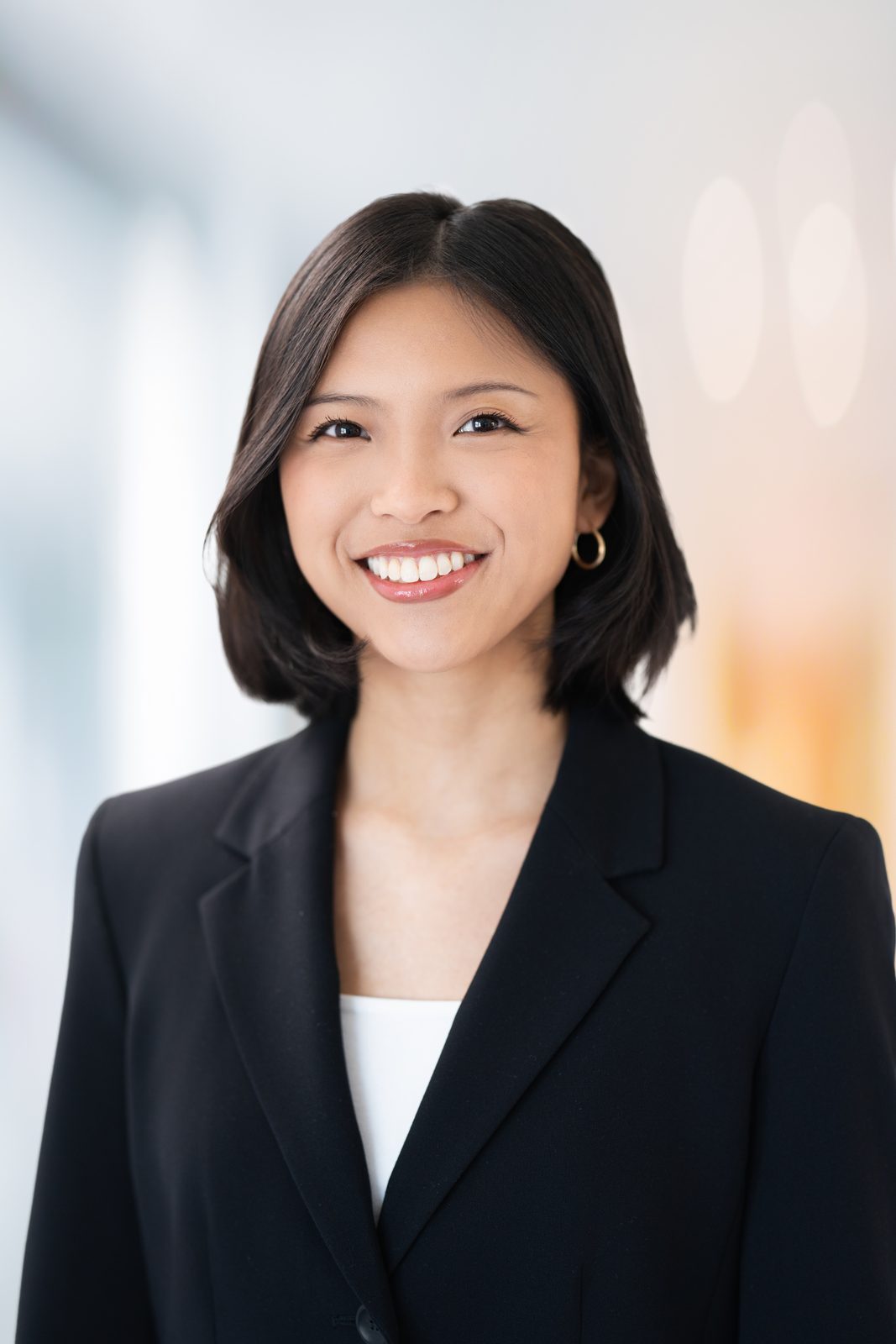
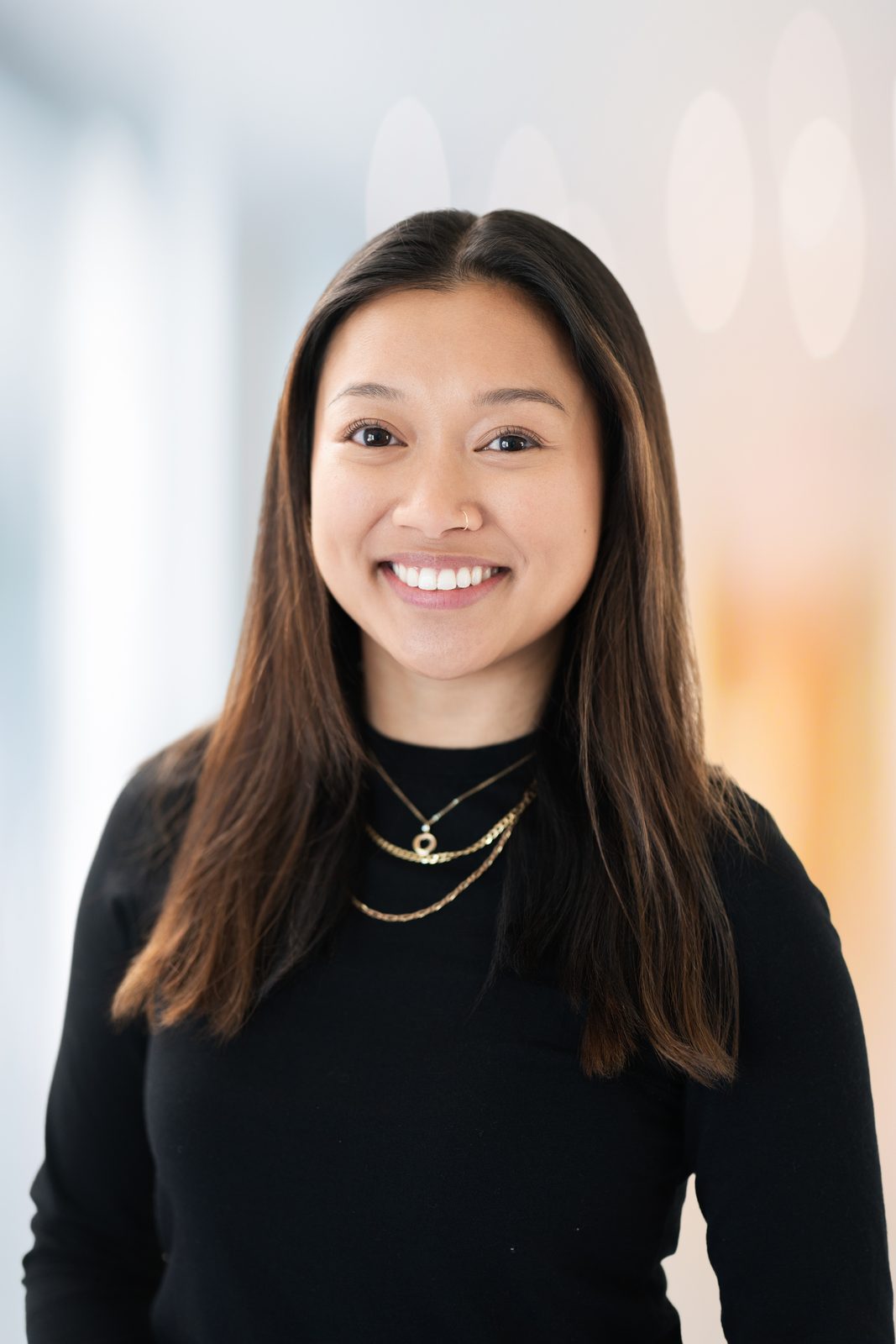
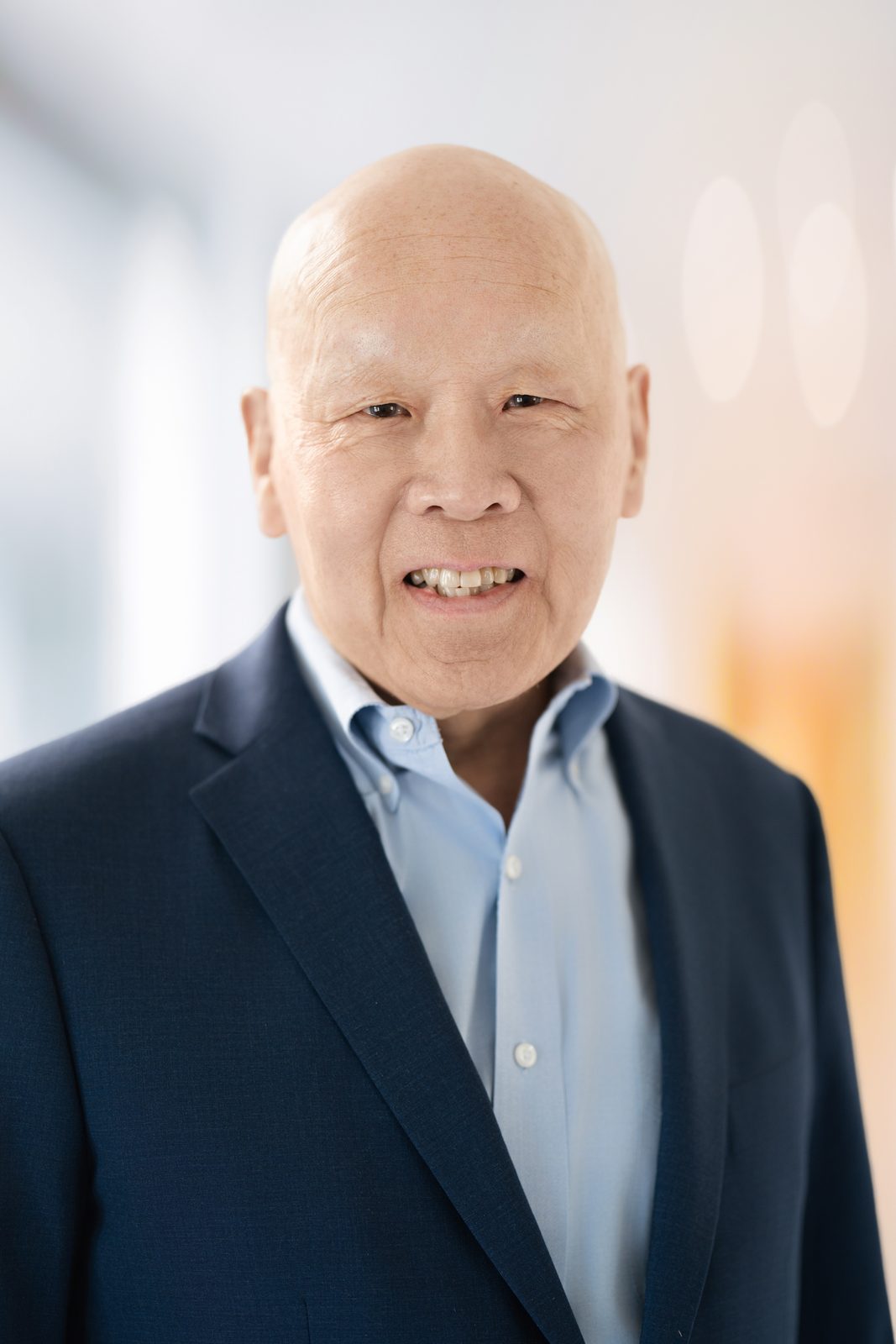
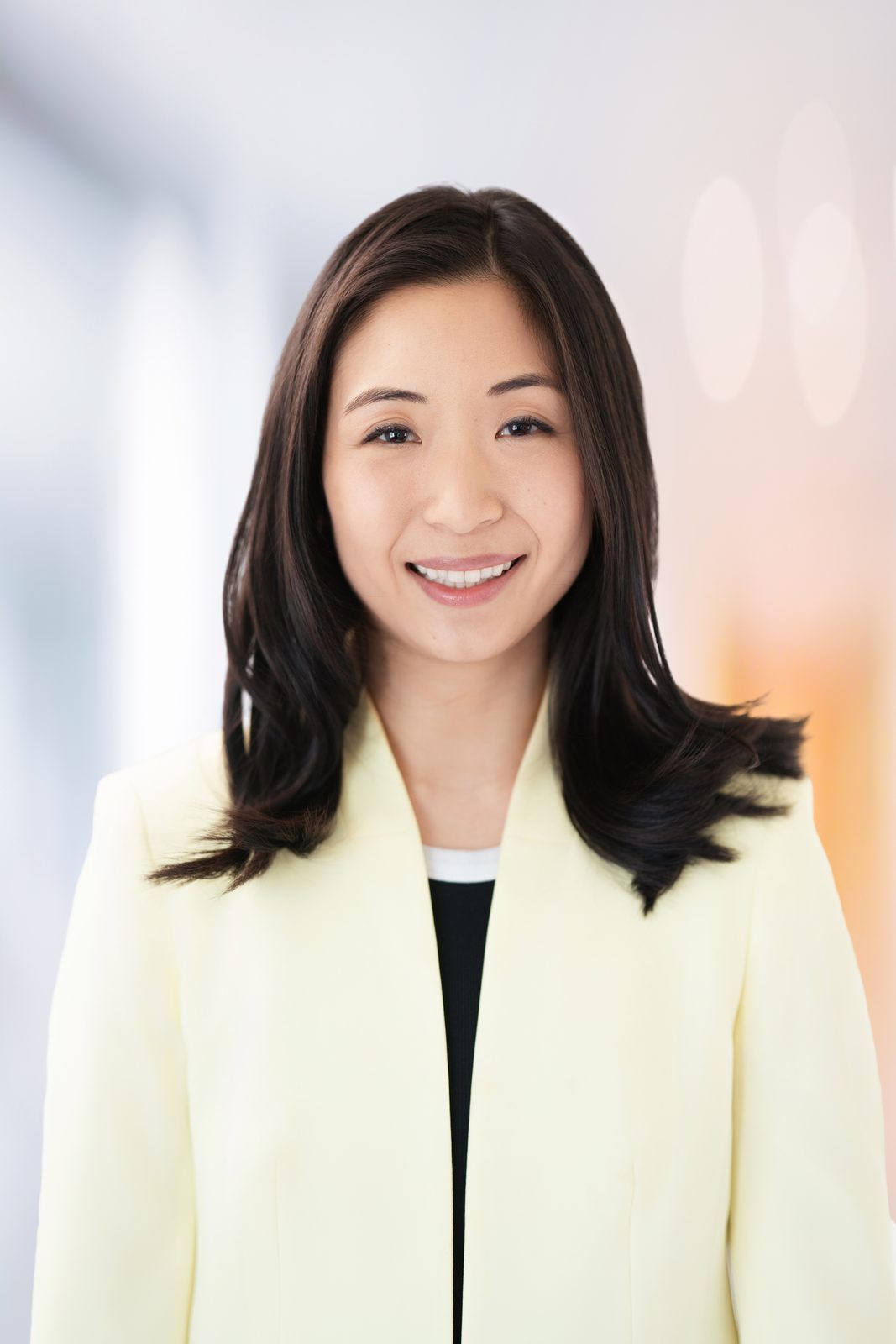
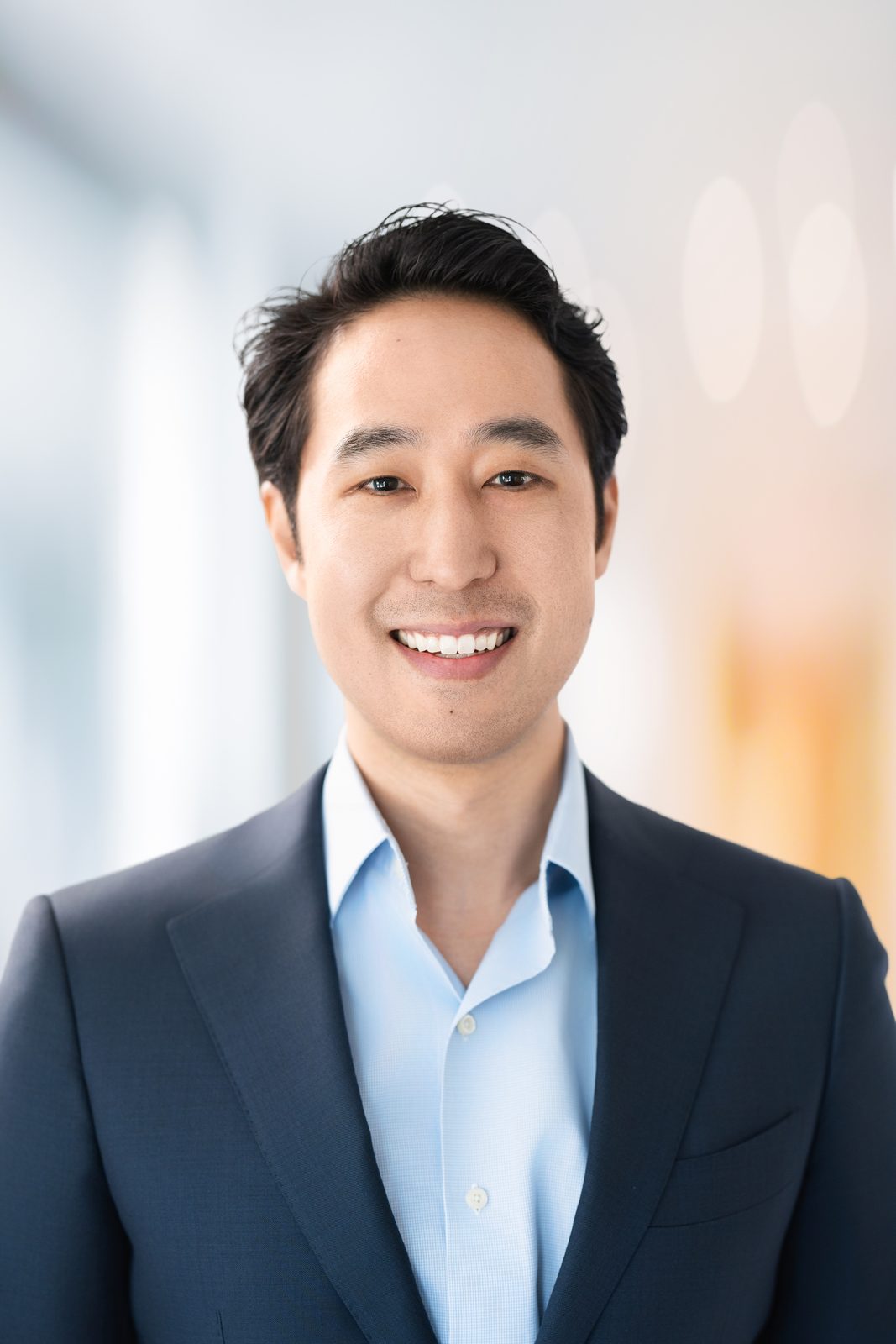
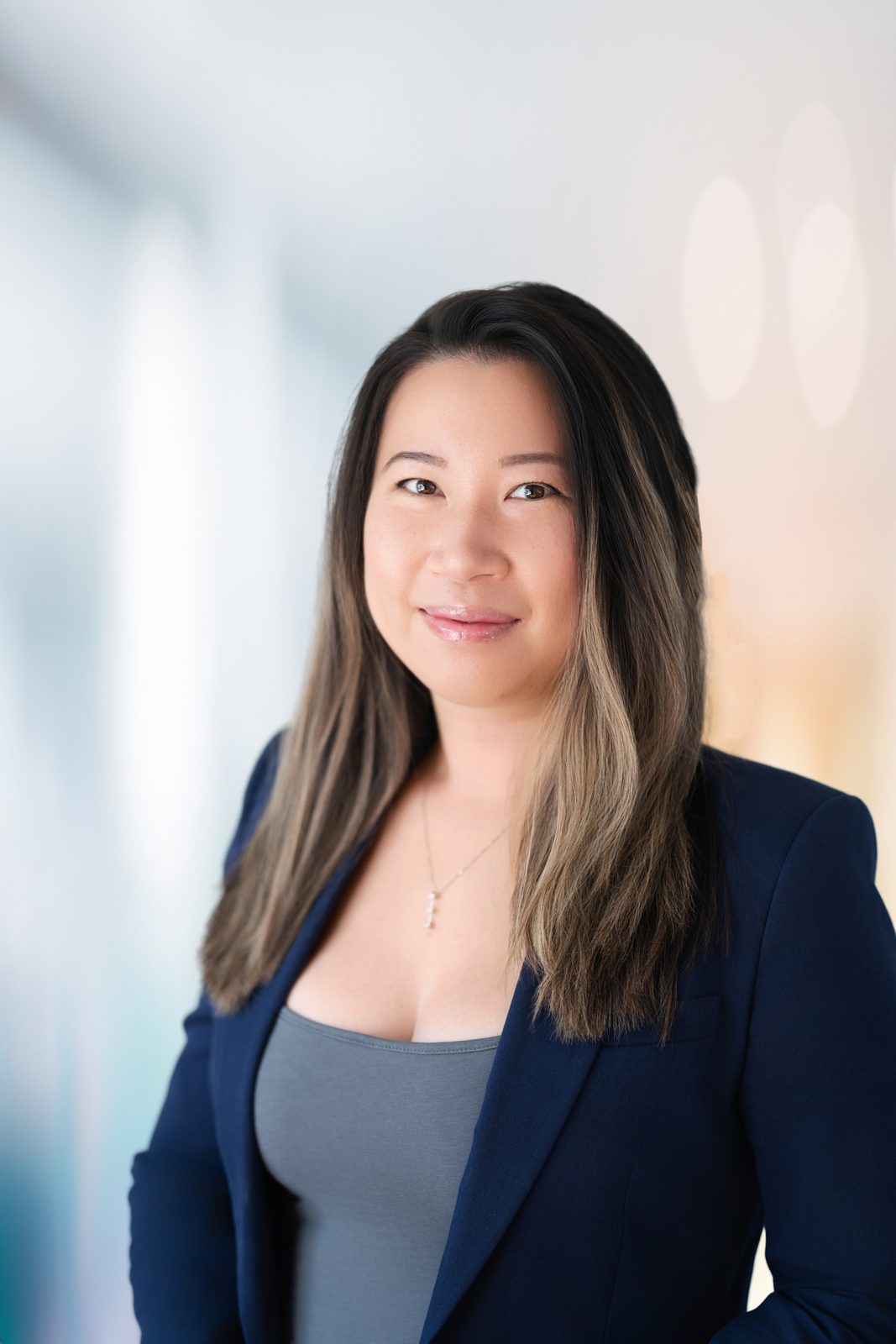
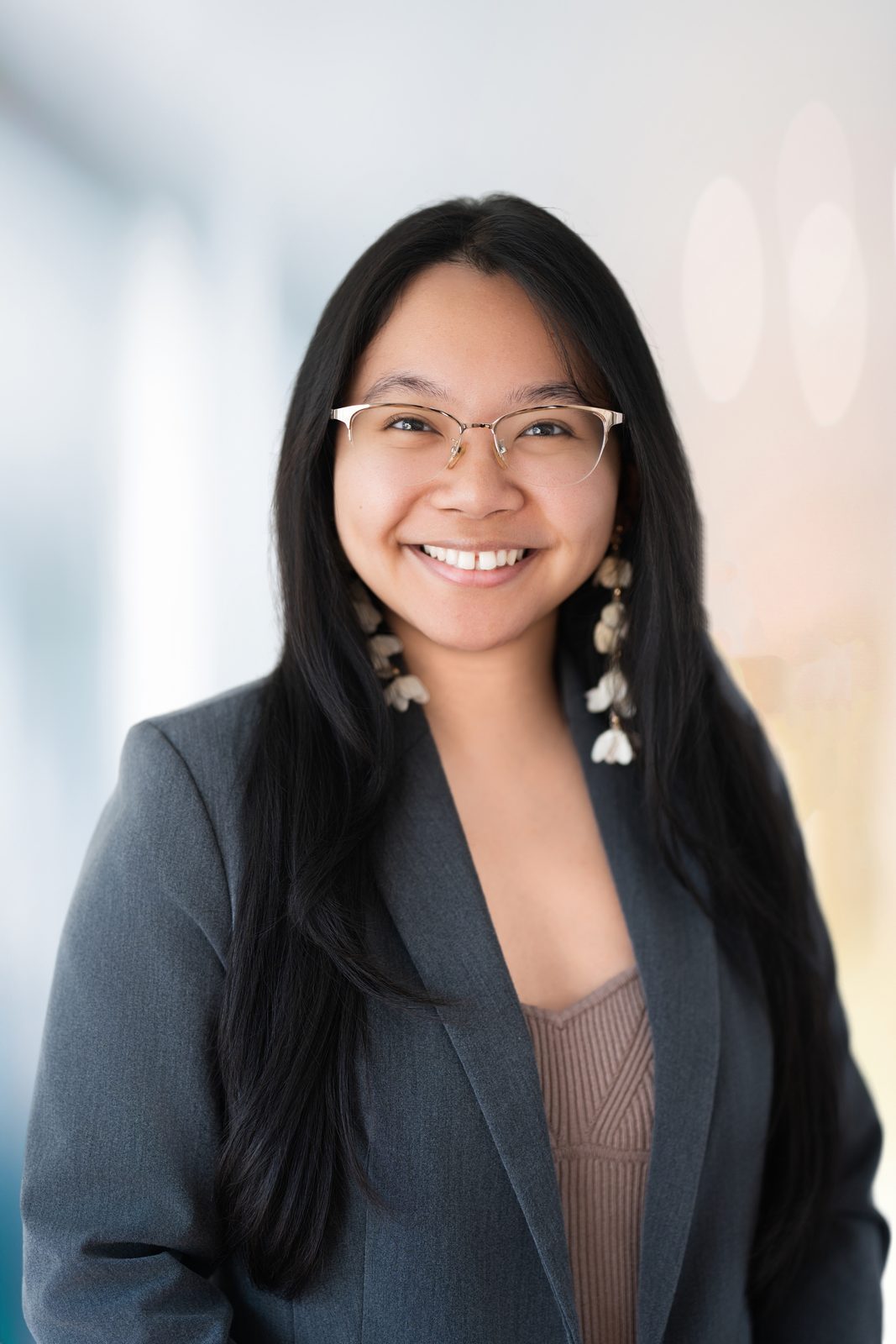
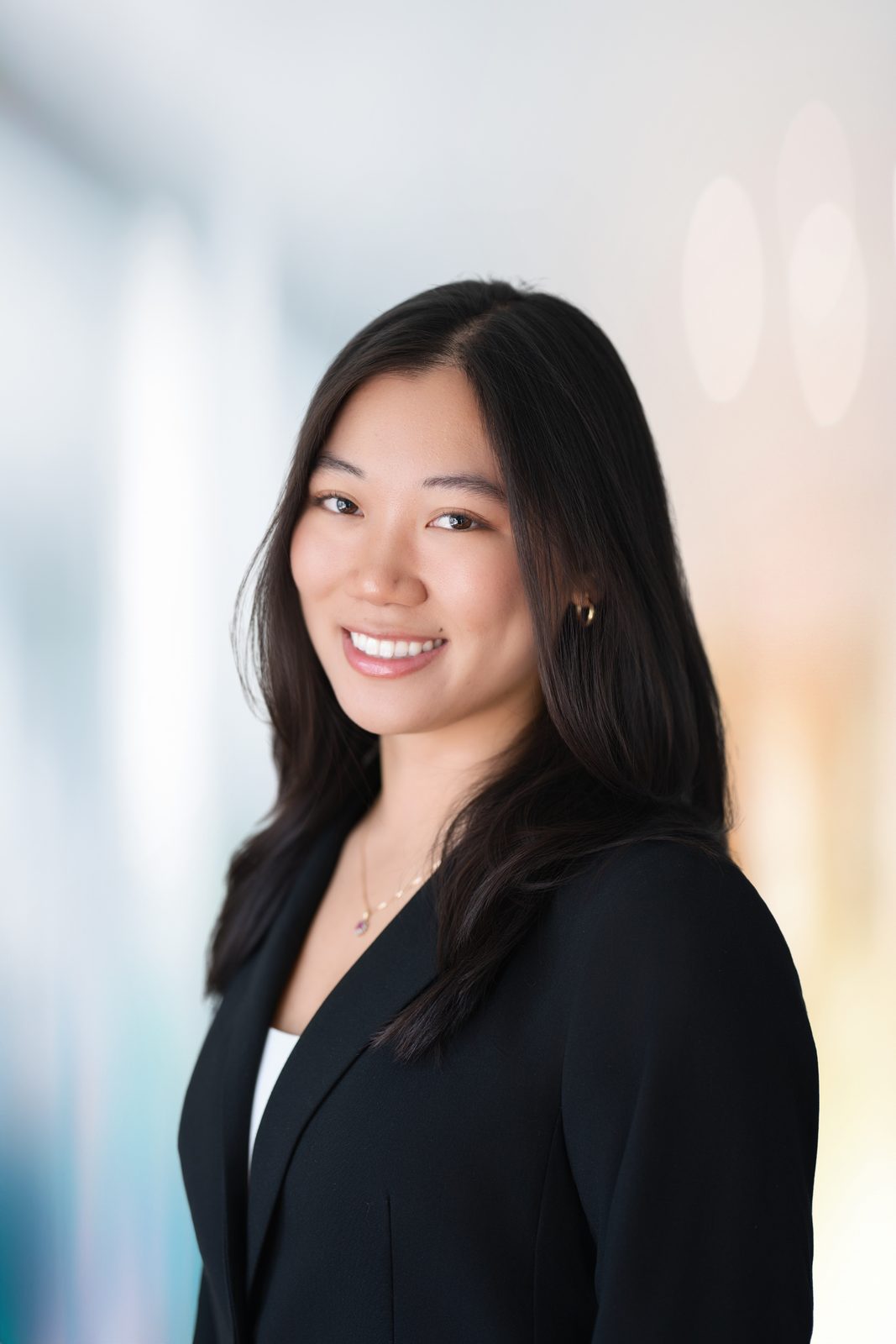
The same team on clean white, for the places where a colored background would fight with the layout. We shoot both in one sitting so nobody has to come back.
The night itself, cut down to the parts that mattered. Performance, welcome, the room turning toward the stage.
Saheli supports South Asian women and their families across Massachusetts. A grantee film about what ACF funding actually turns into on the ground.
Made for the Asian Business Empowerment Council, which the ACF launched in 2022 as the first statewide hub for AAPI businesses in the Commonwealth. Nicoya is one of them.
Artist Ngoc-Tran Vu is building Boston's first permanent cultural marker for the Vietnamese diaspora, in Town Field Park in Dorchester's Little Saigon. Seeded by the AAPI Arts and Culture Collaborative.
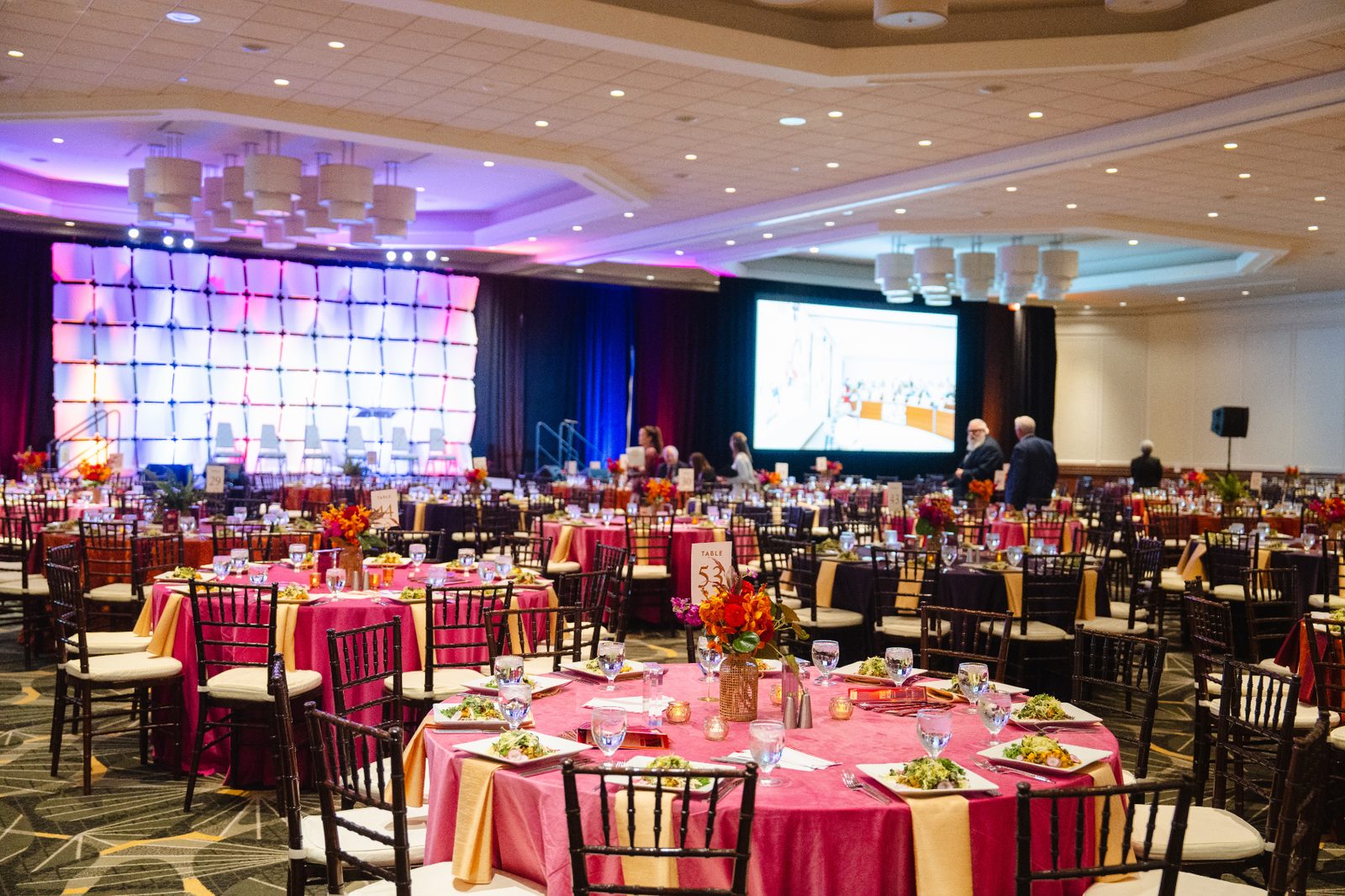
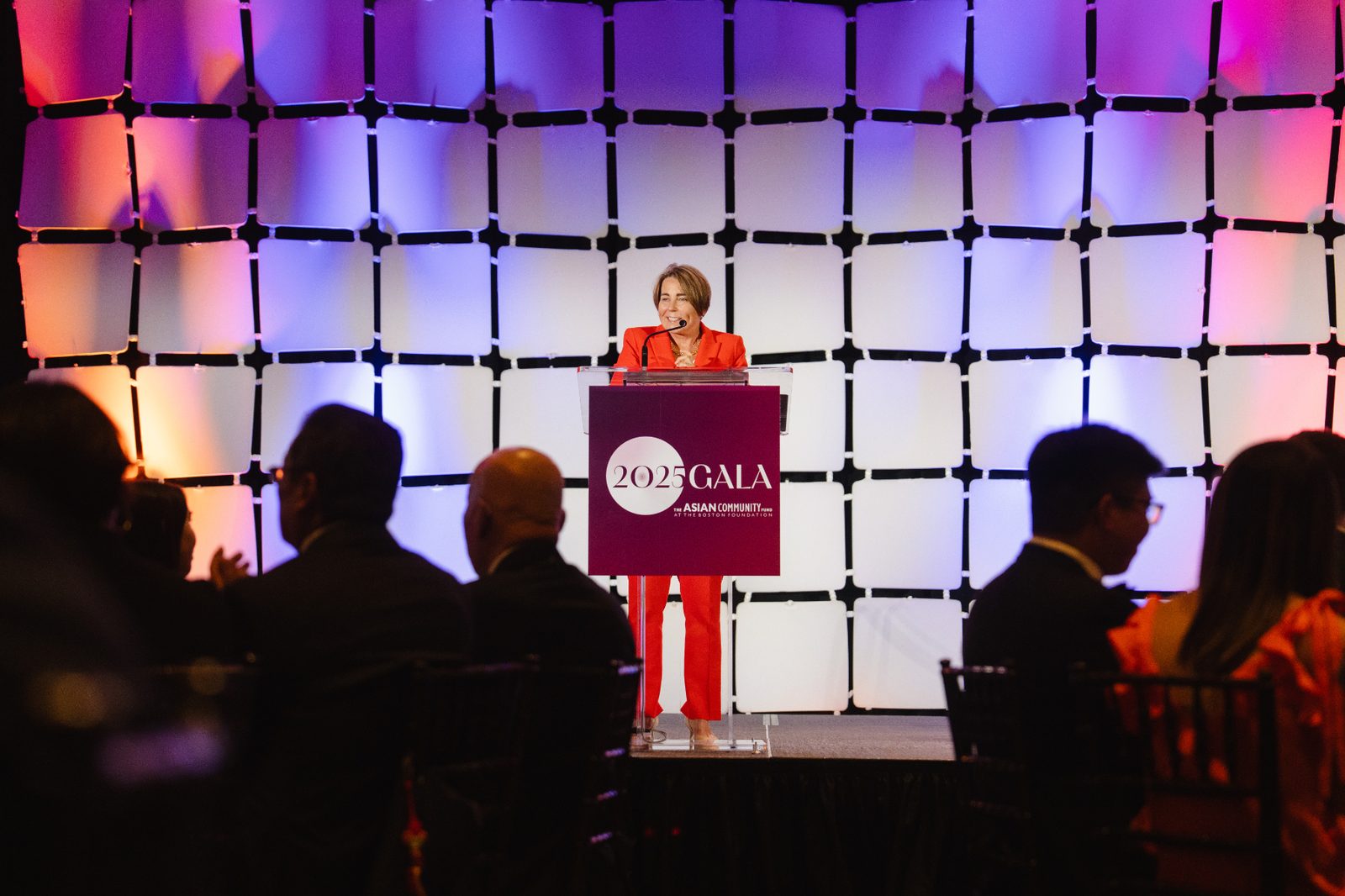
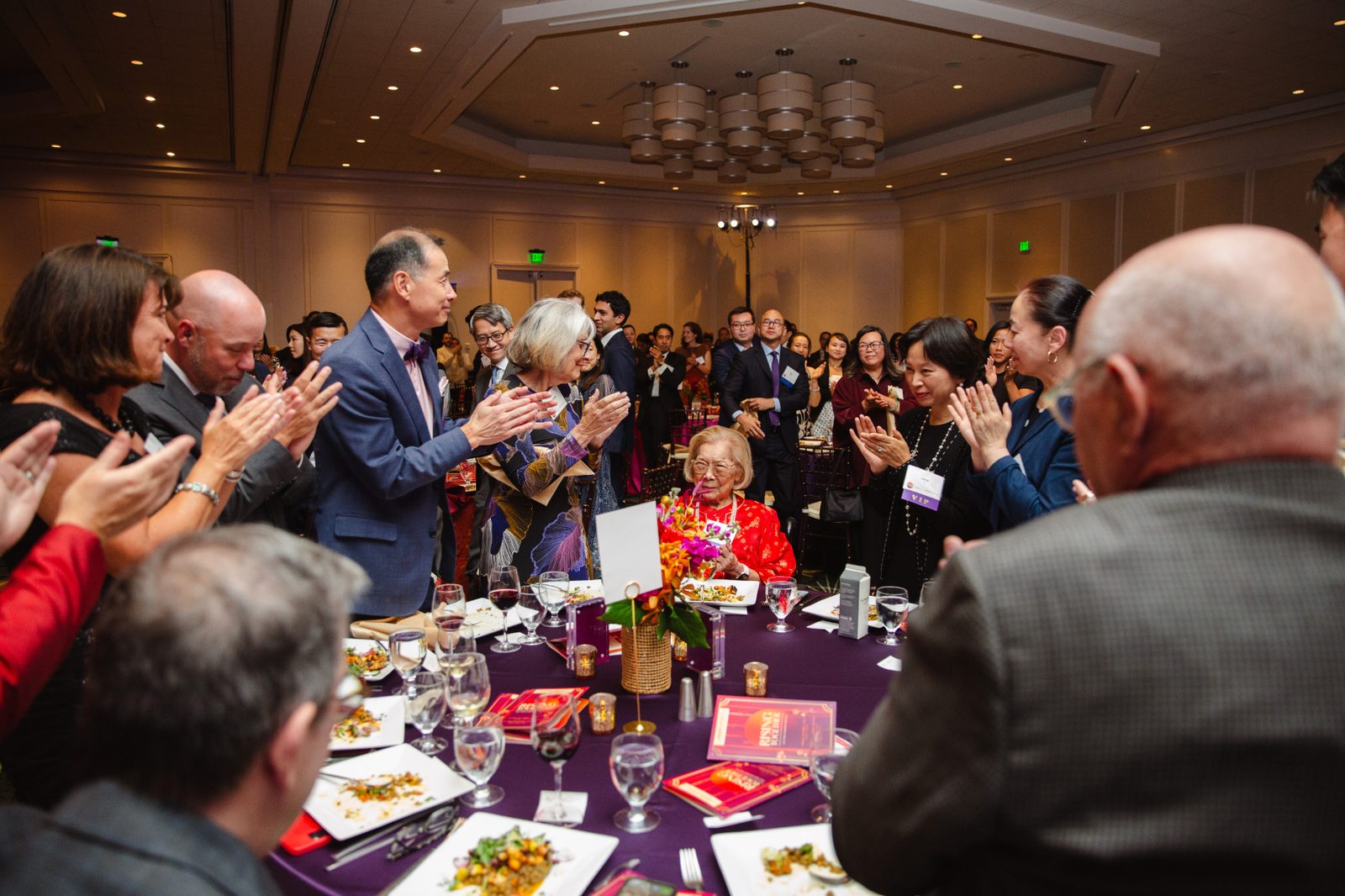
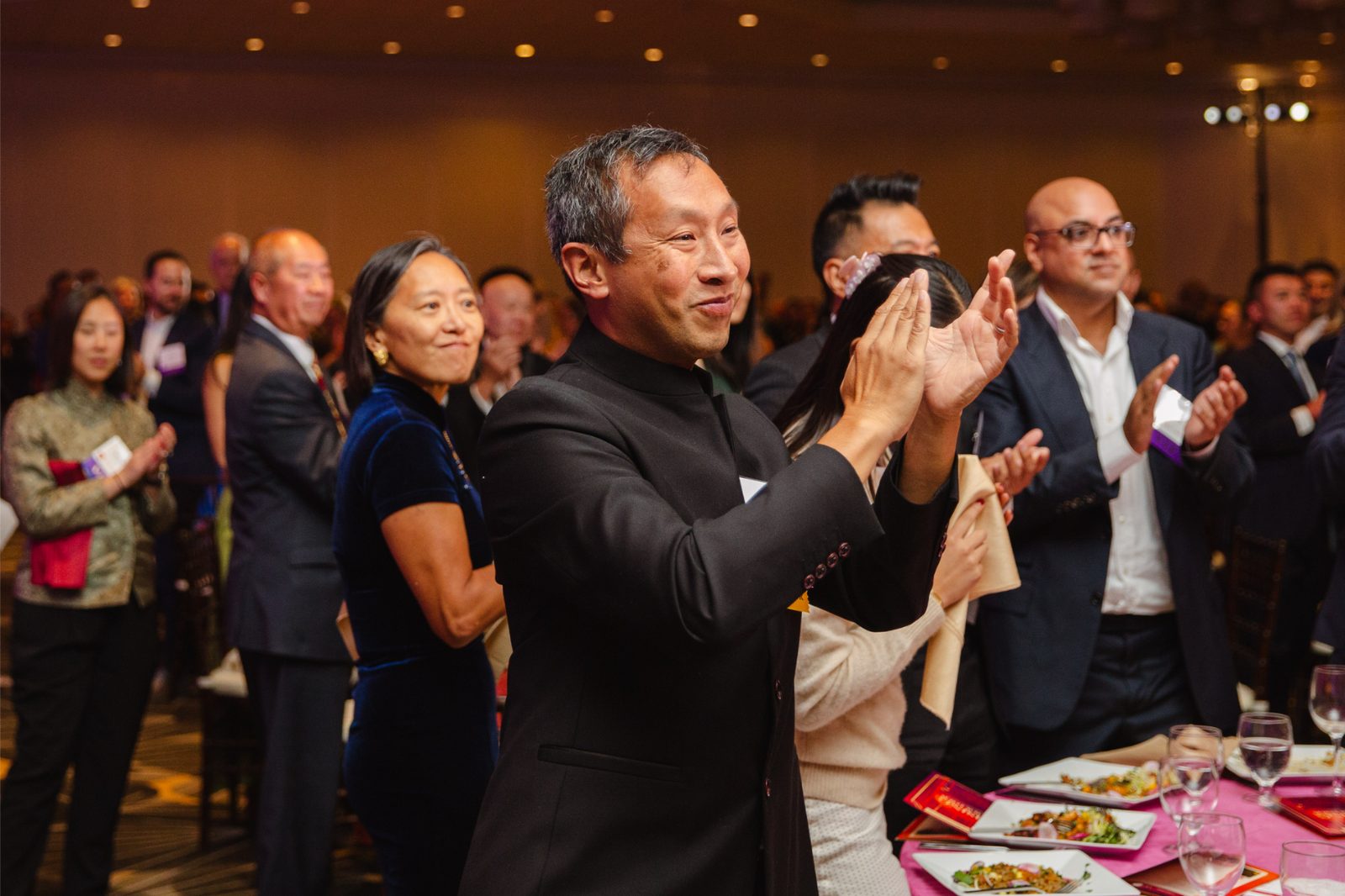
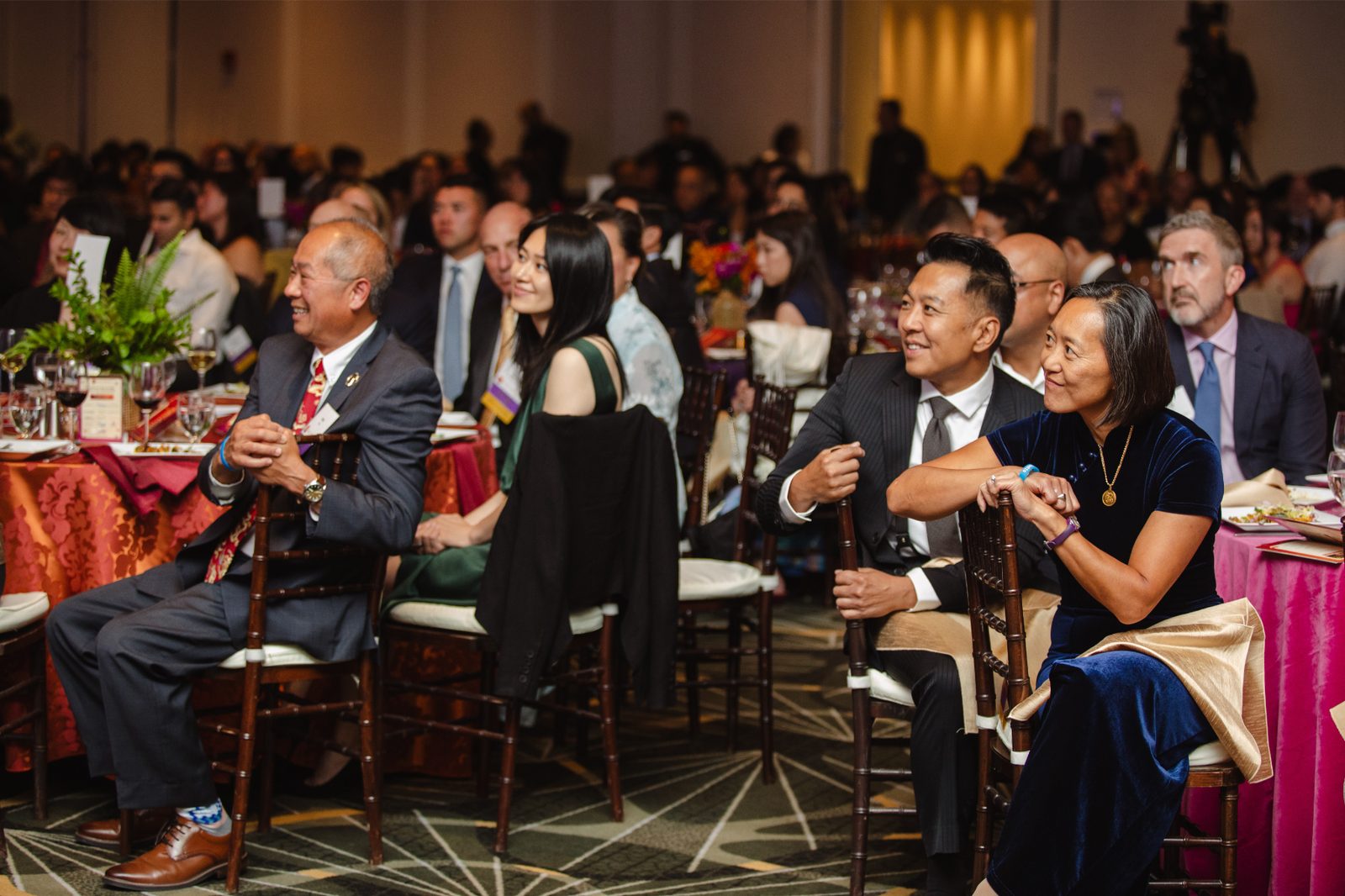
Nearly 700 people filled the room for the third annual gala, Governor Maura Healey, Mayor Michelle Wu, Shirley Leung and Jim Braude among them. Ninety sponsors, and a single evening that raised over $875,000.
Rising Together was the theme on the invitation. It turned out to be the actual point of the night.
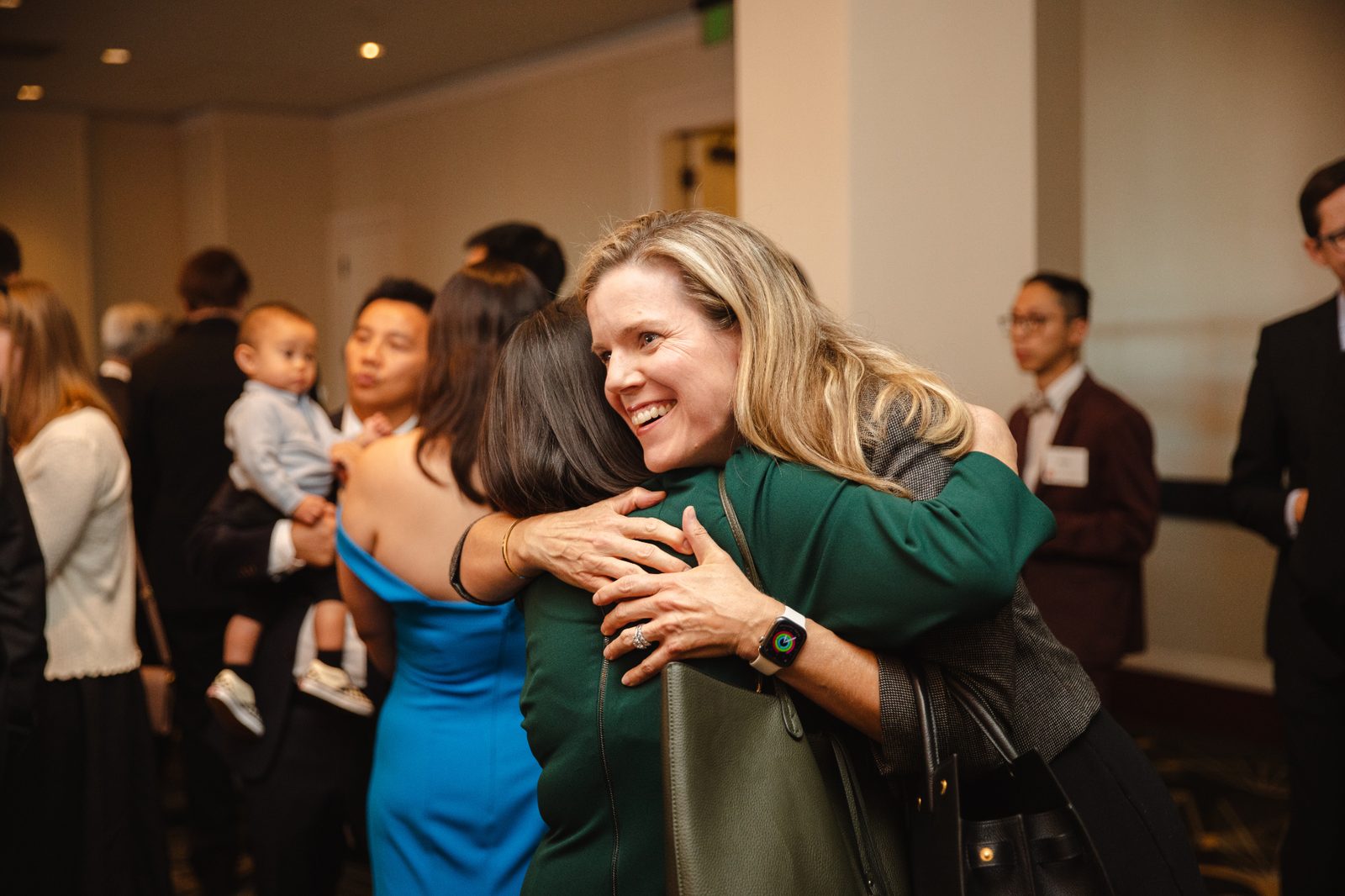
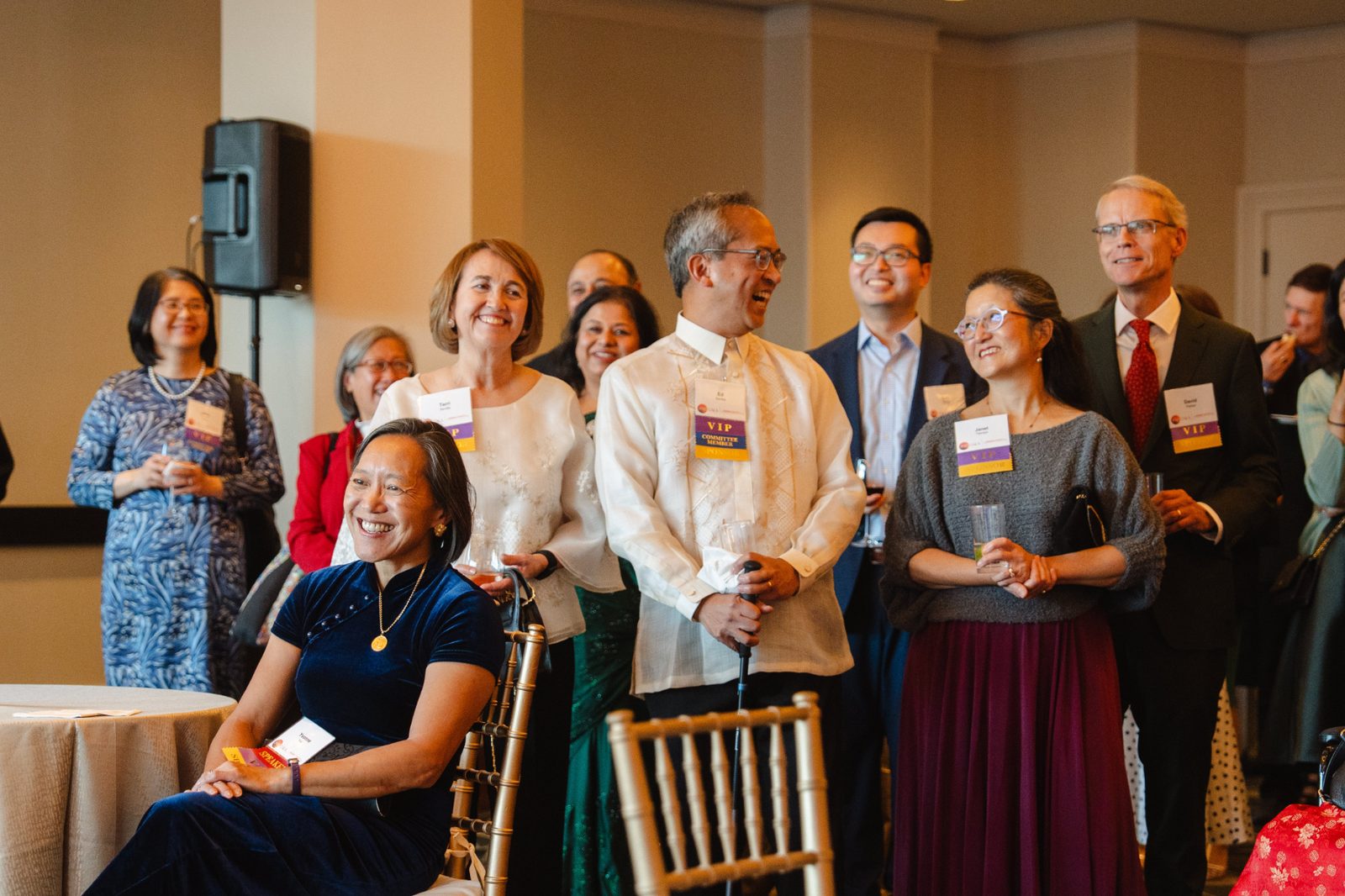
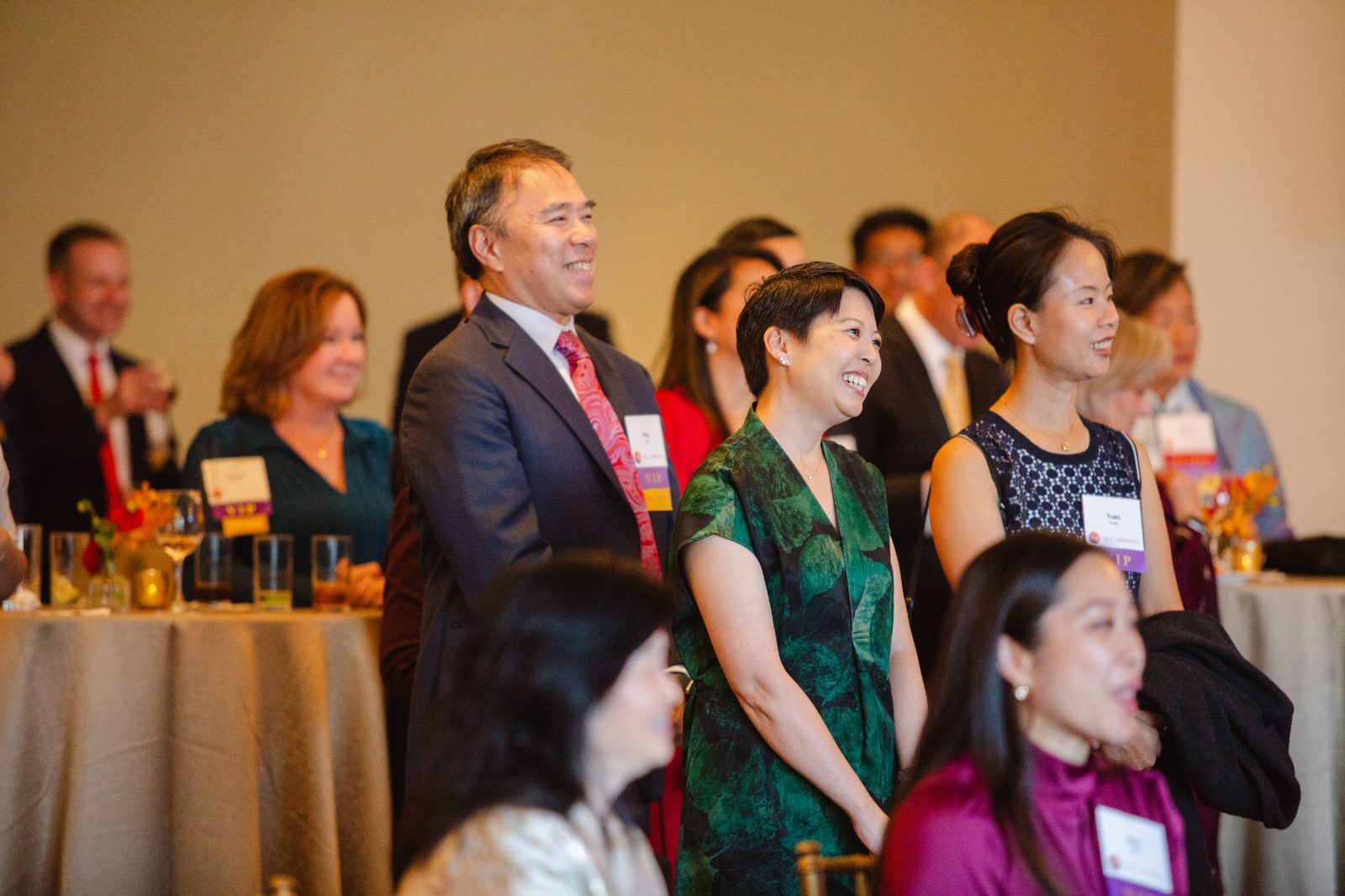
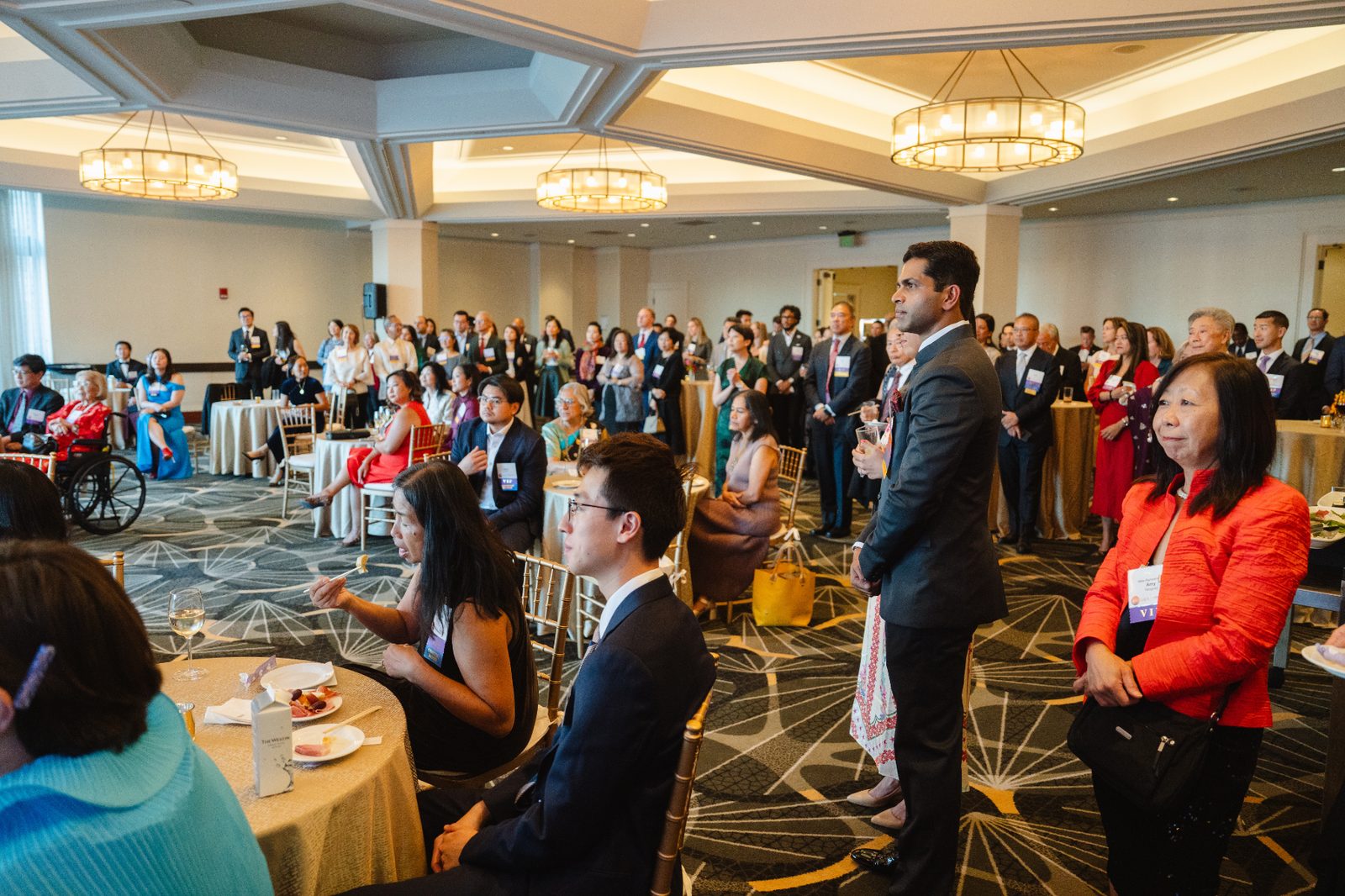
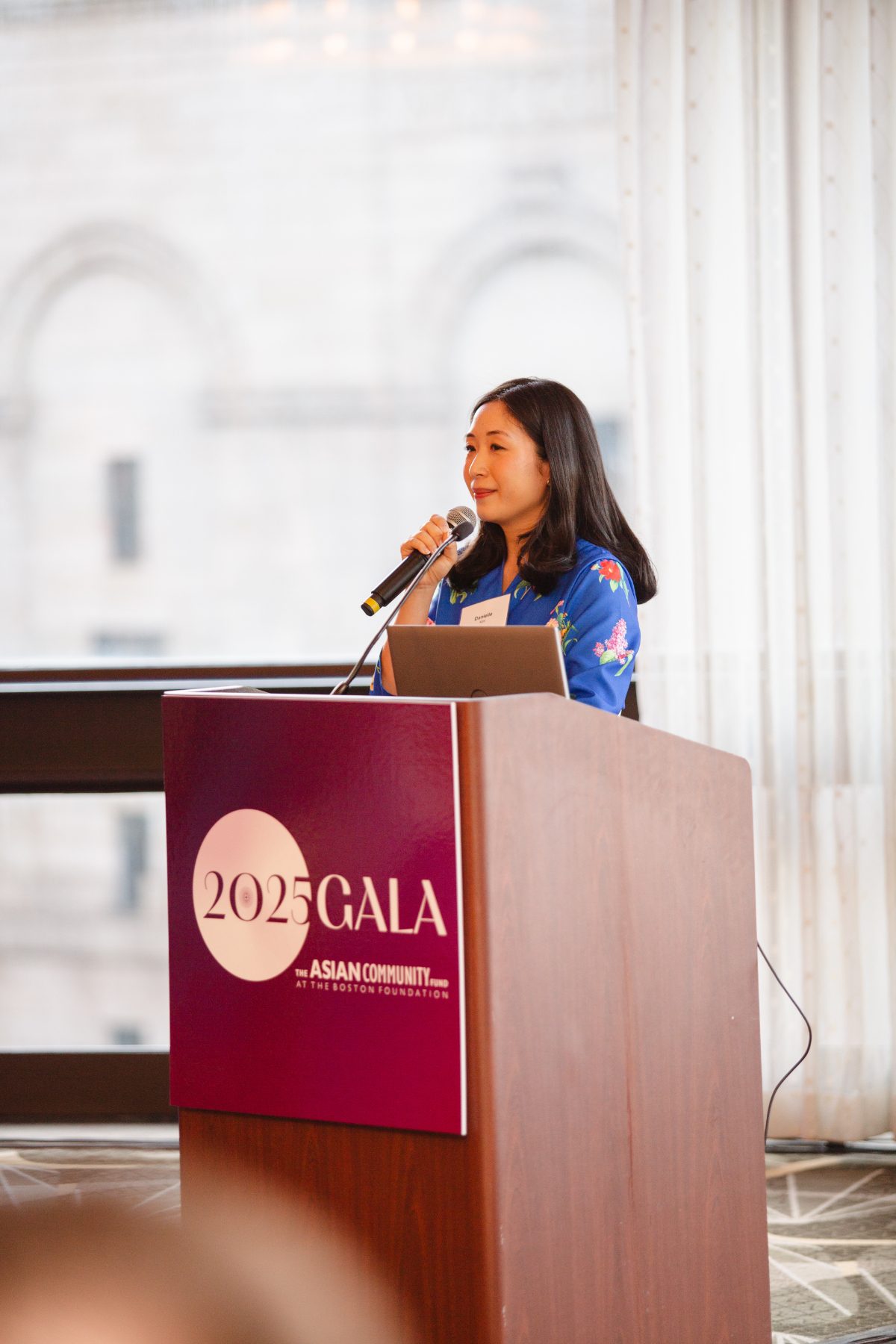
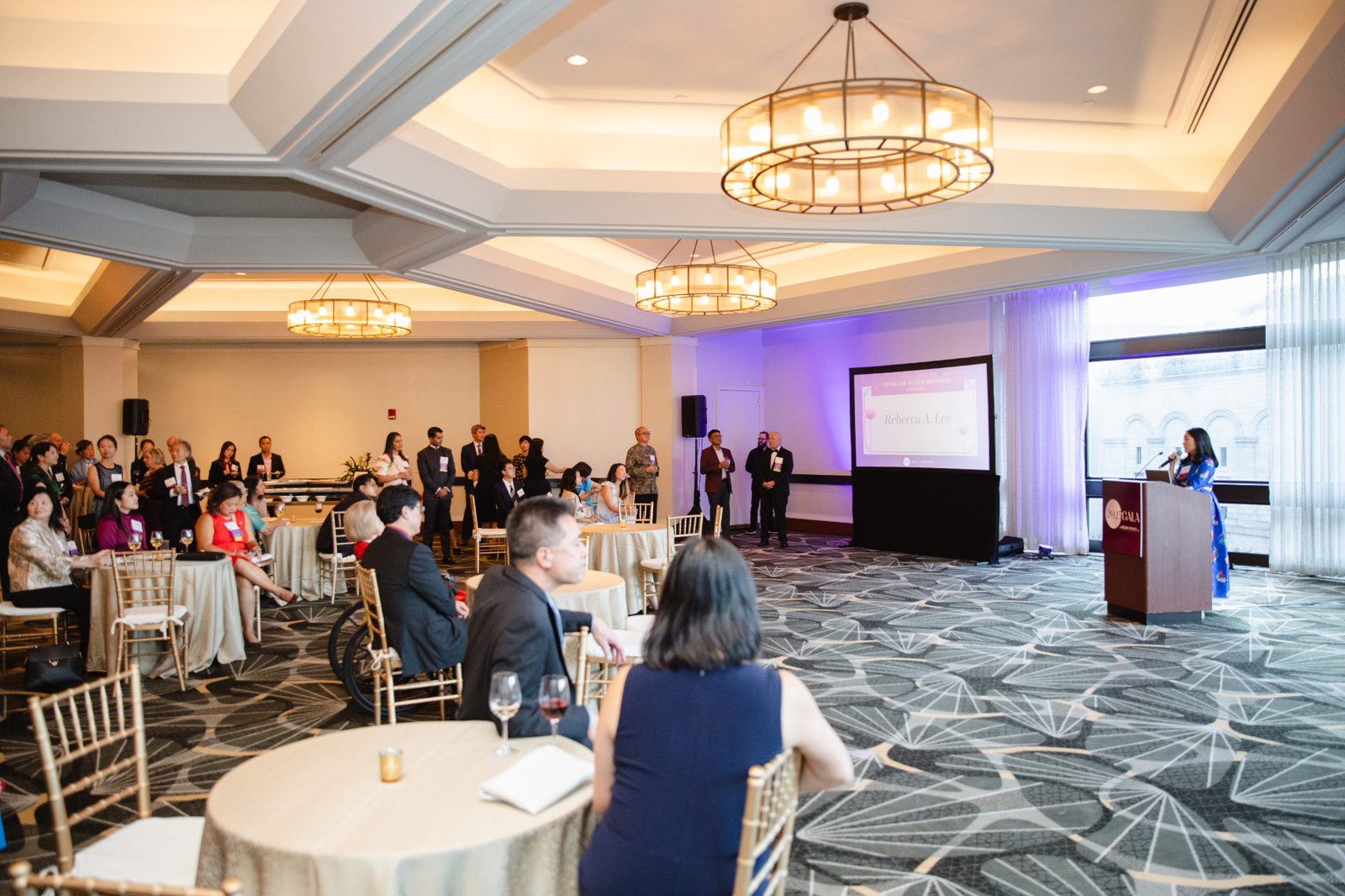
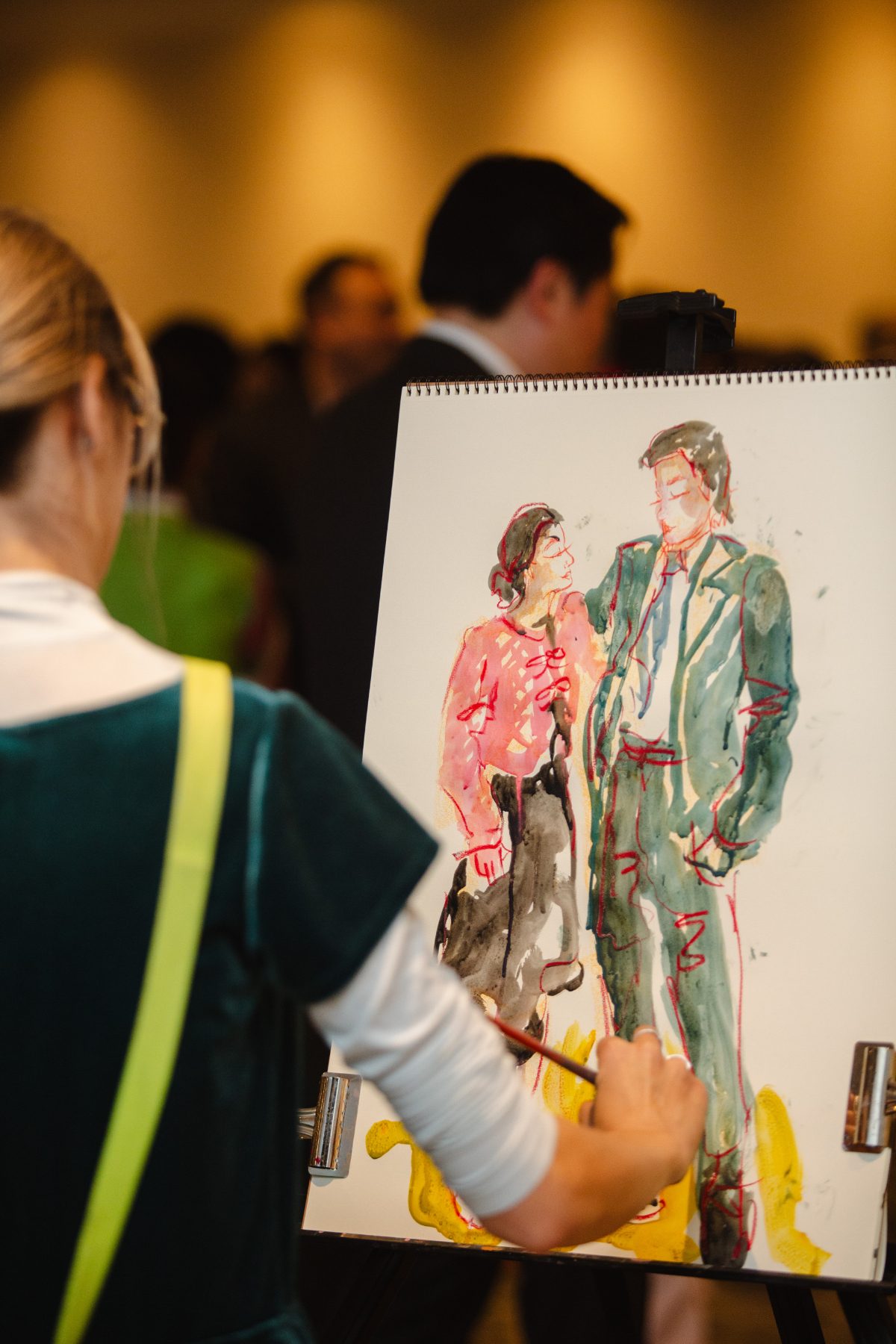
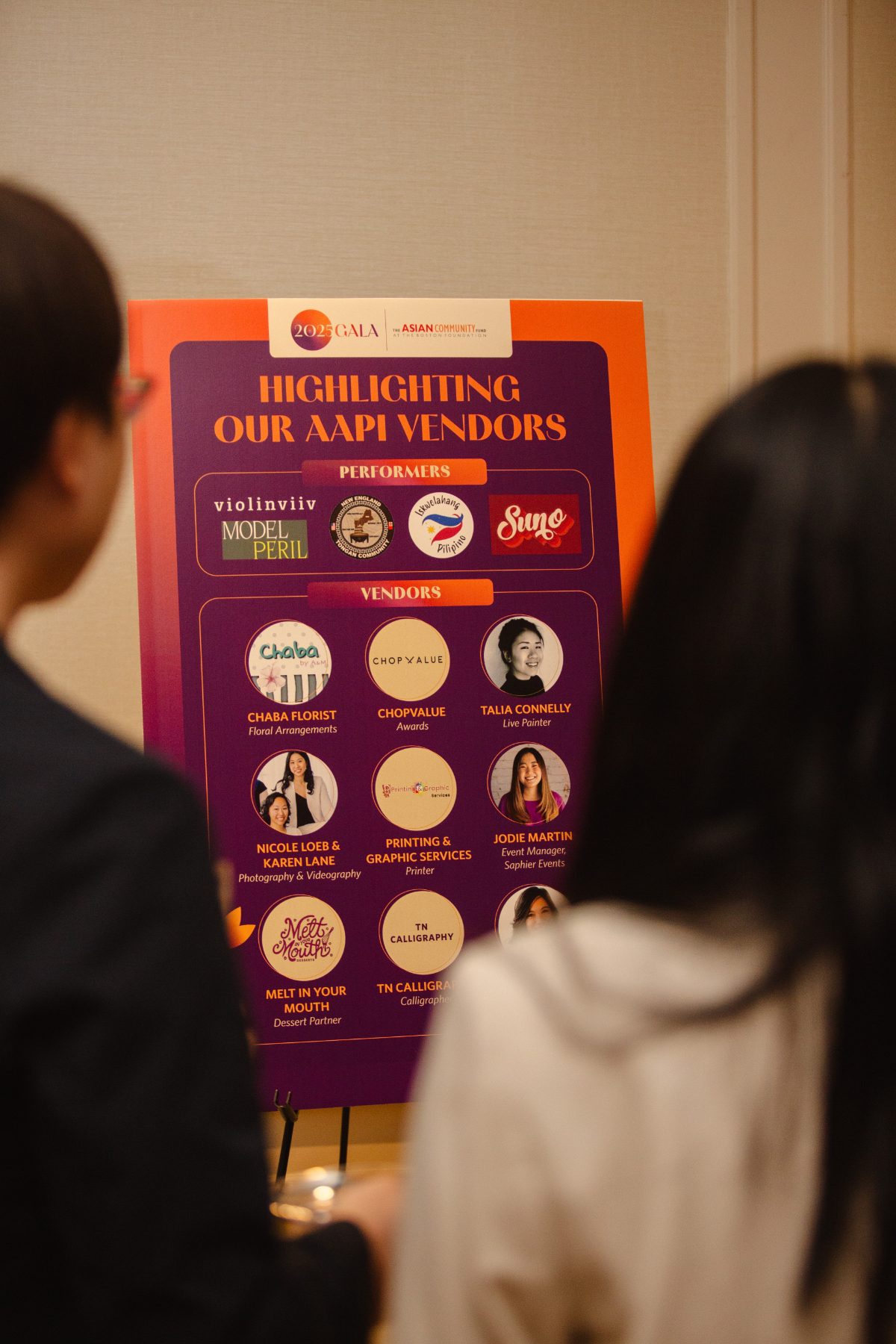
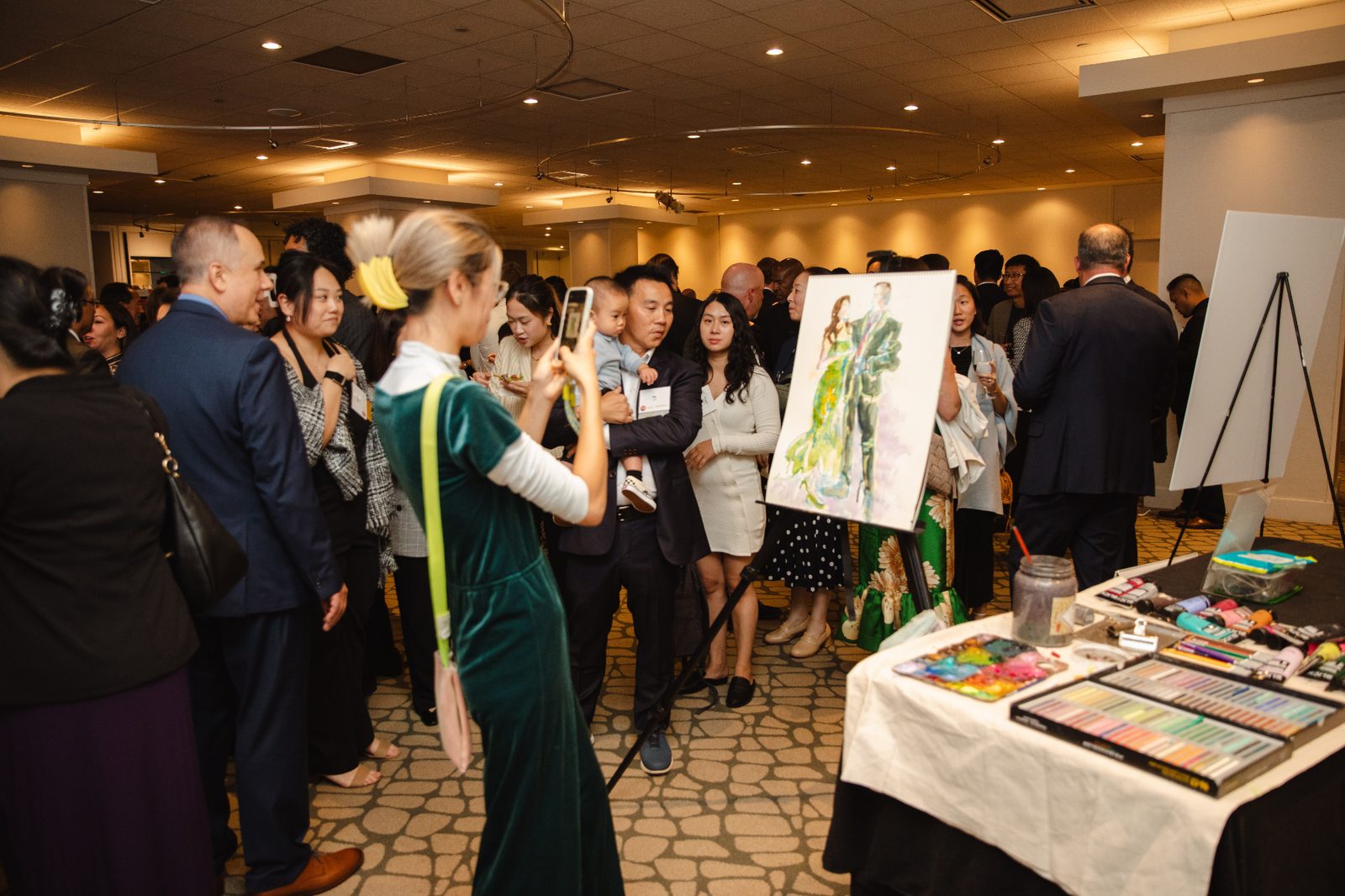
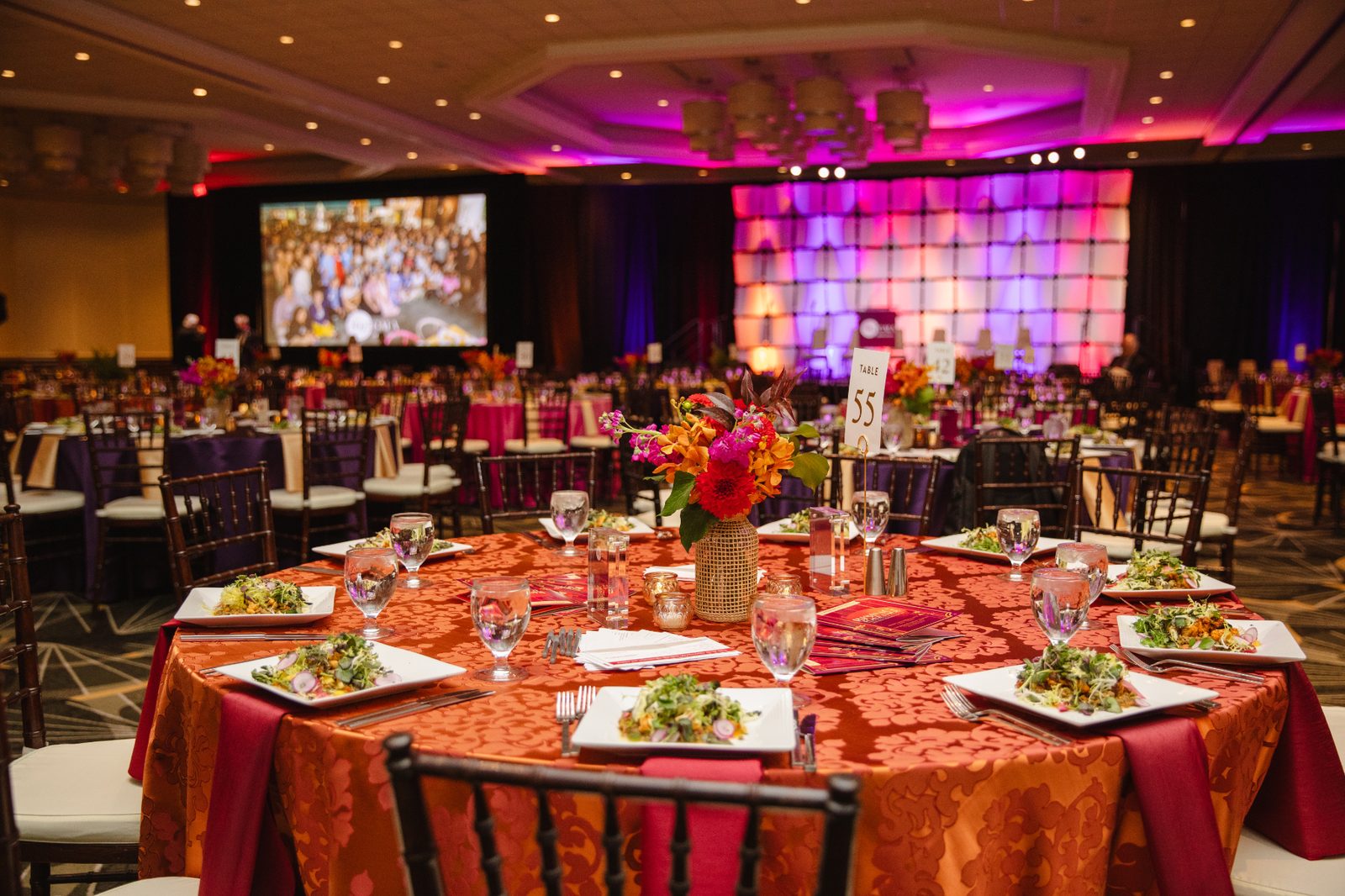
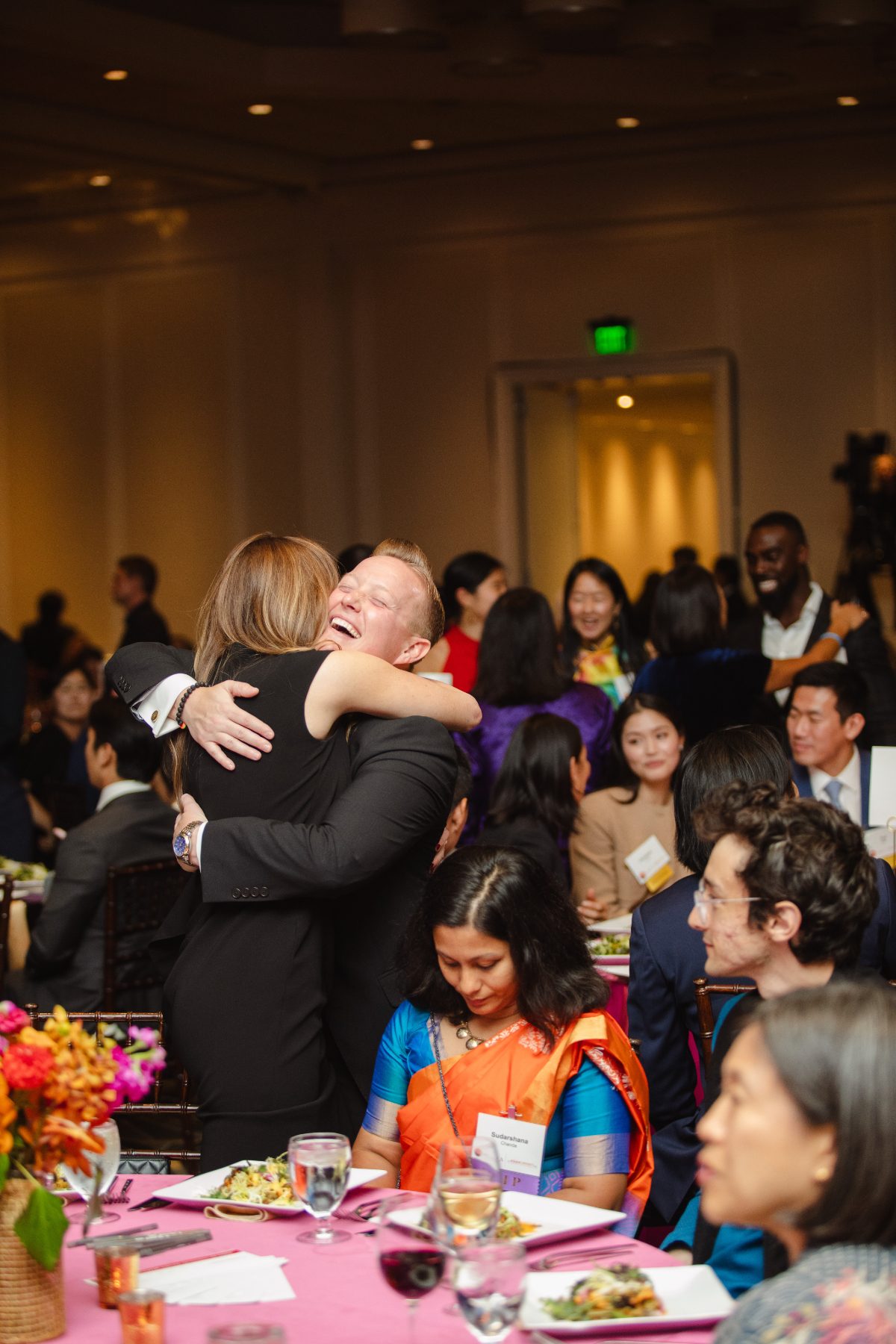
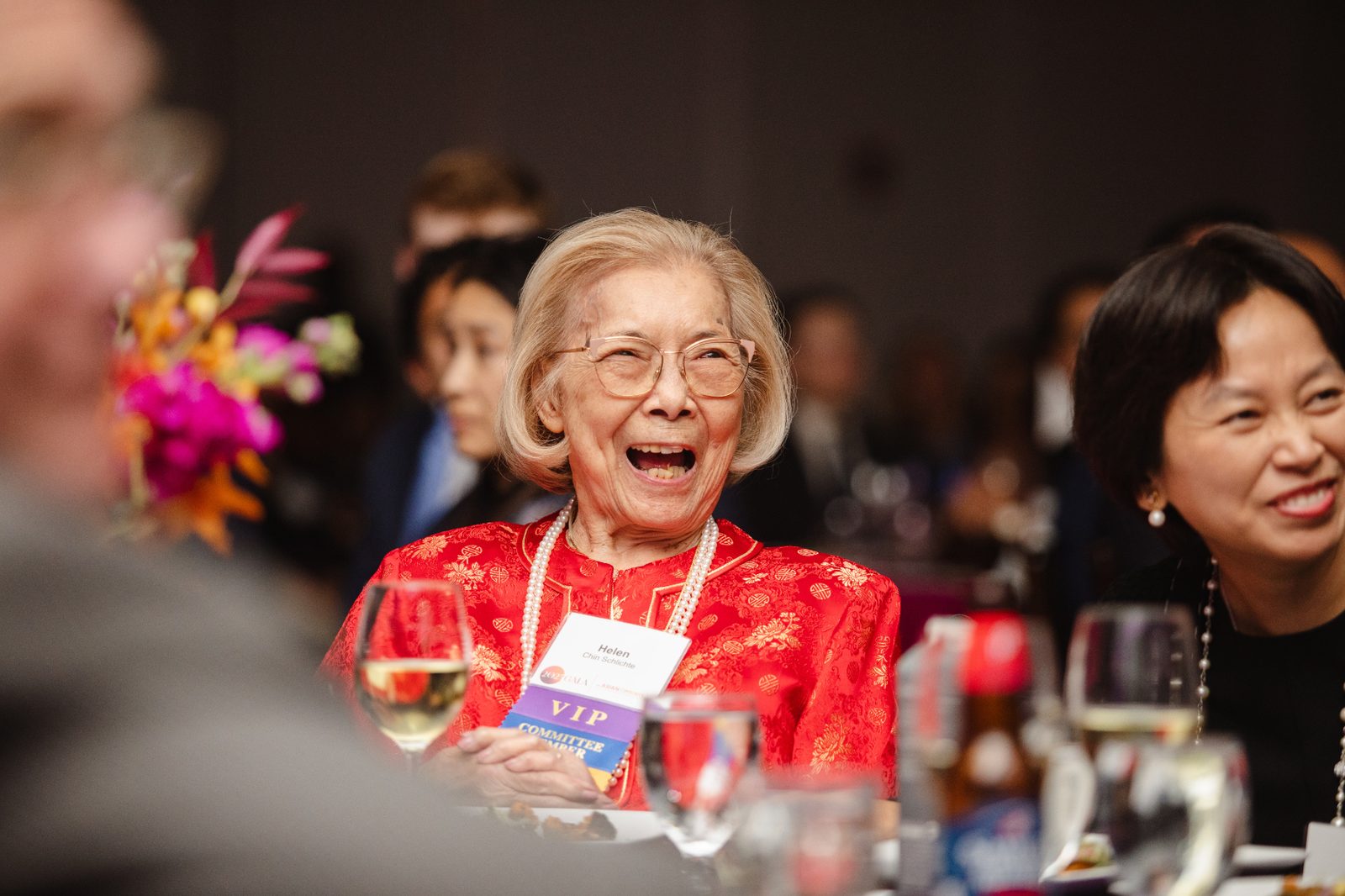
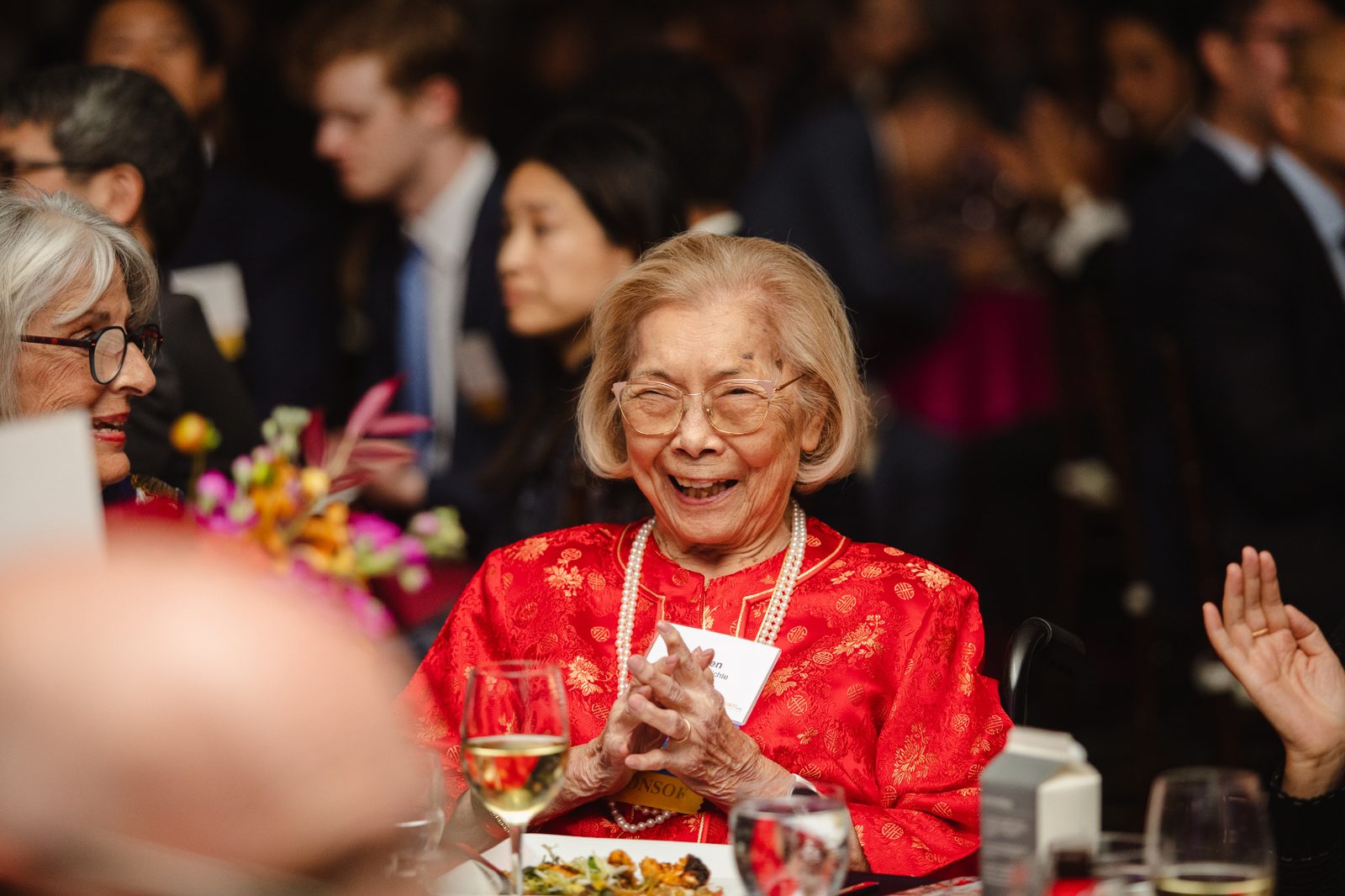
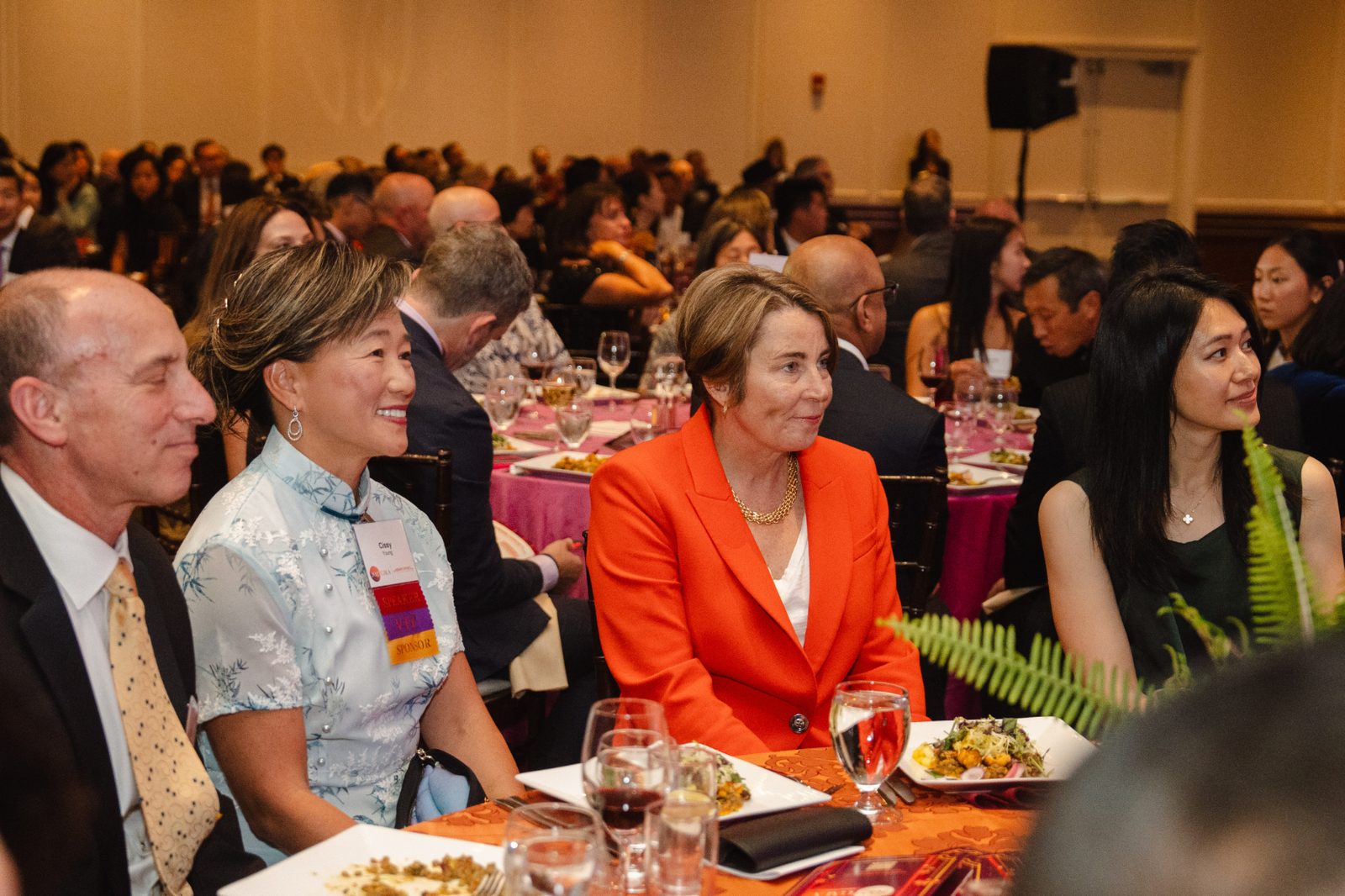
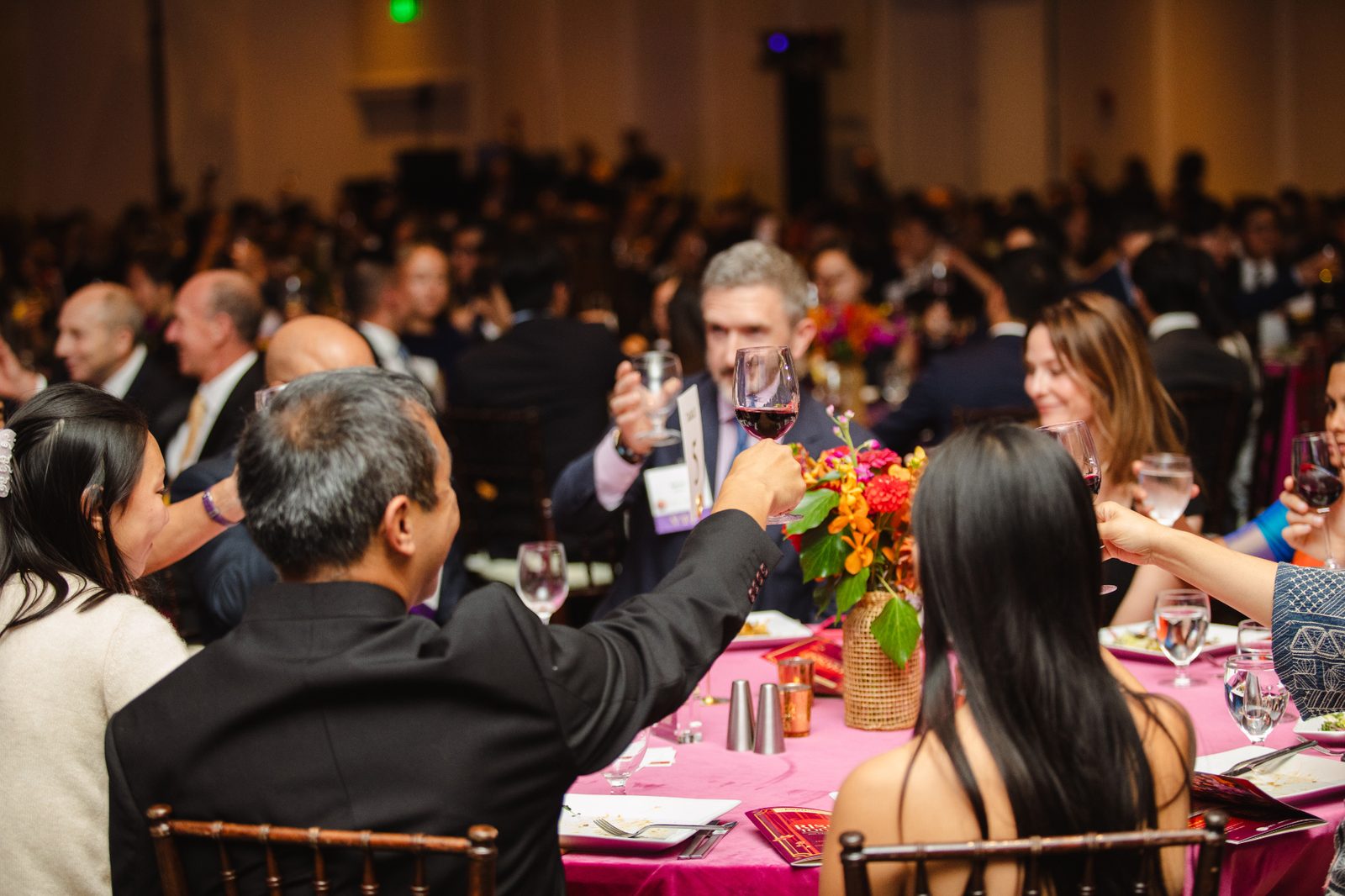
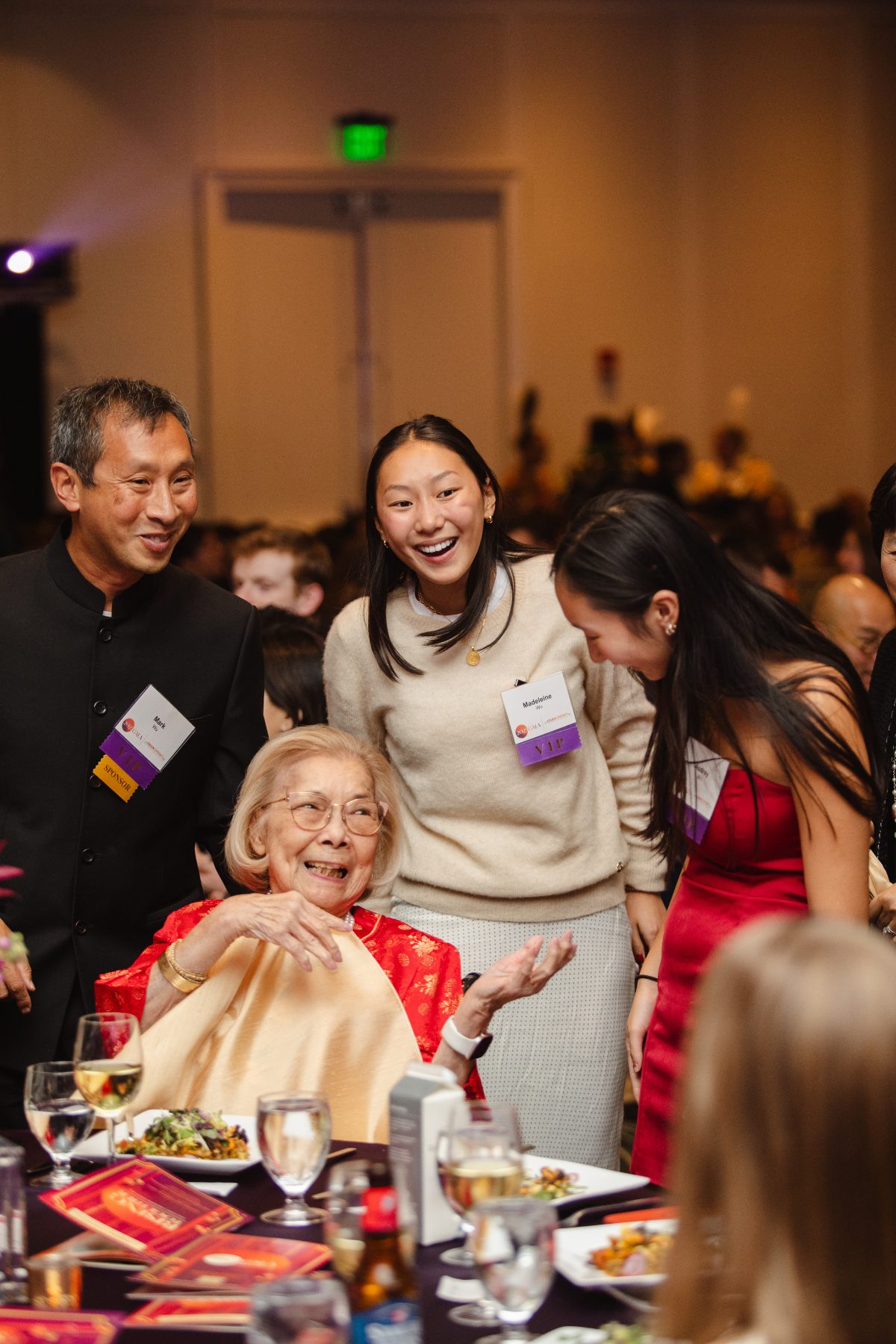
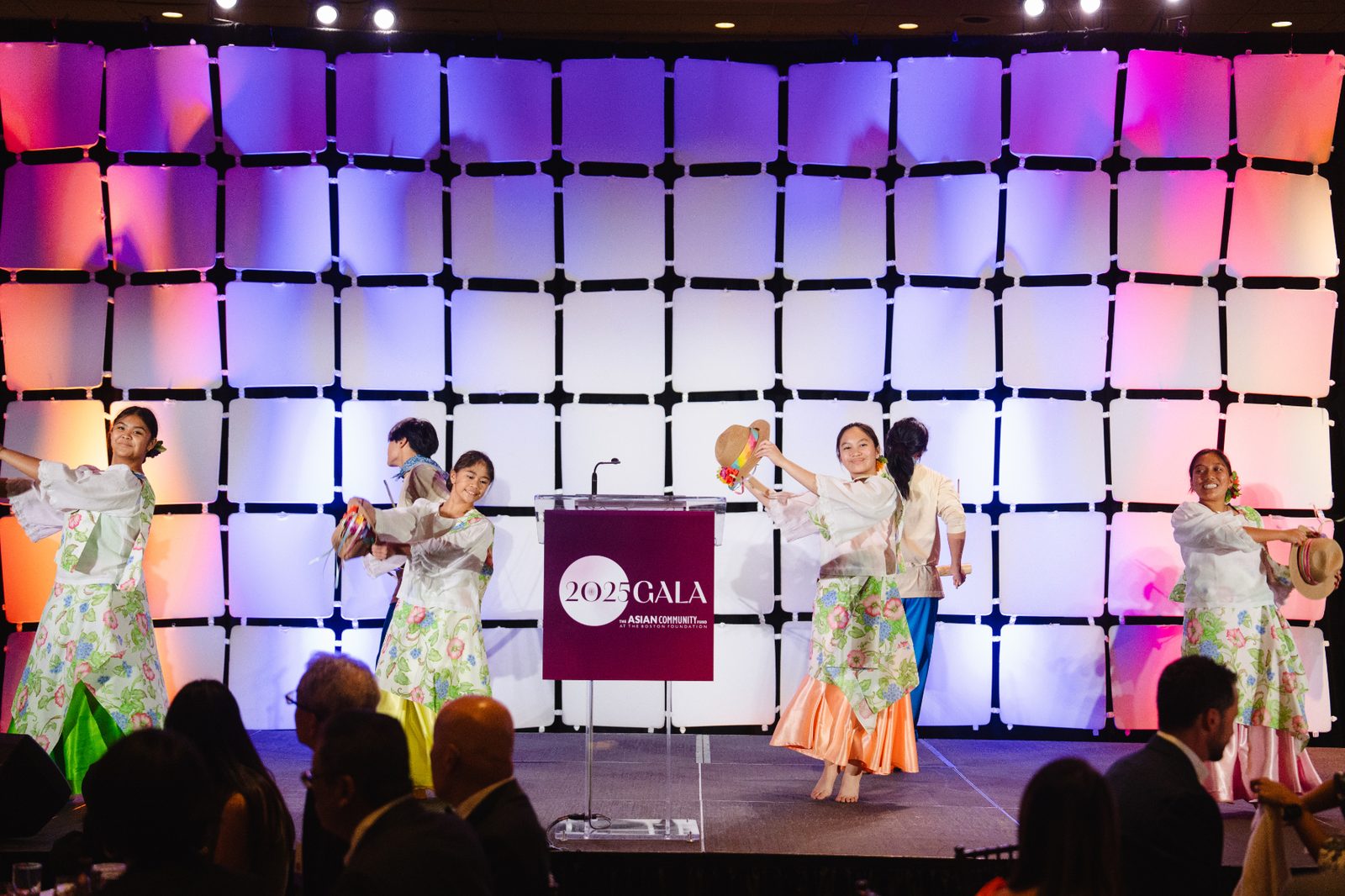
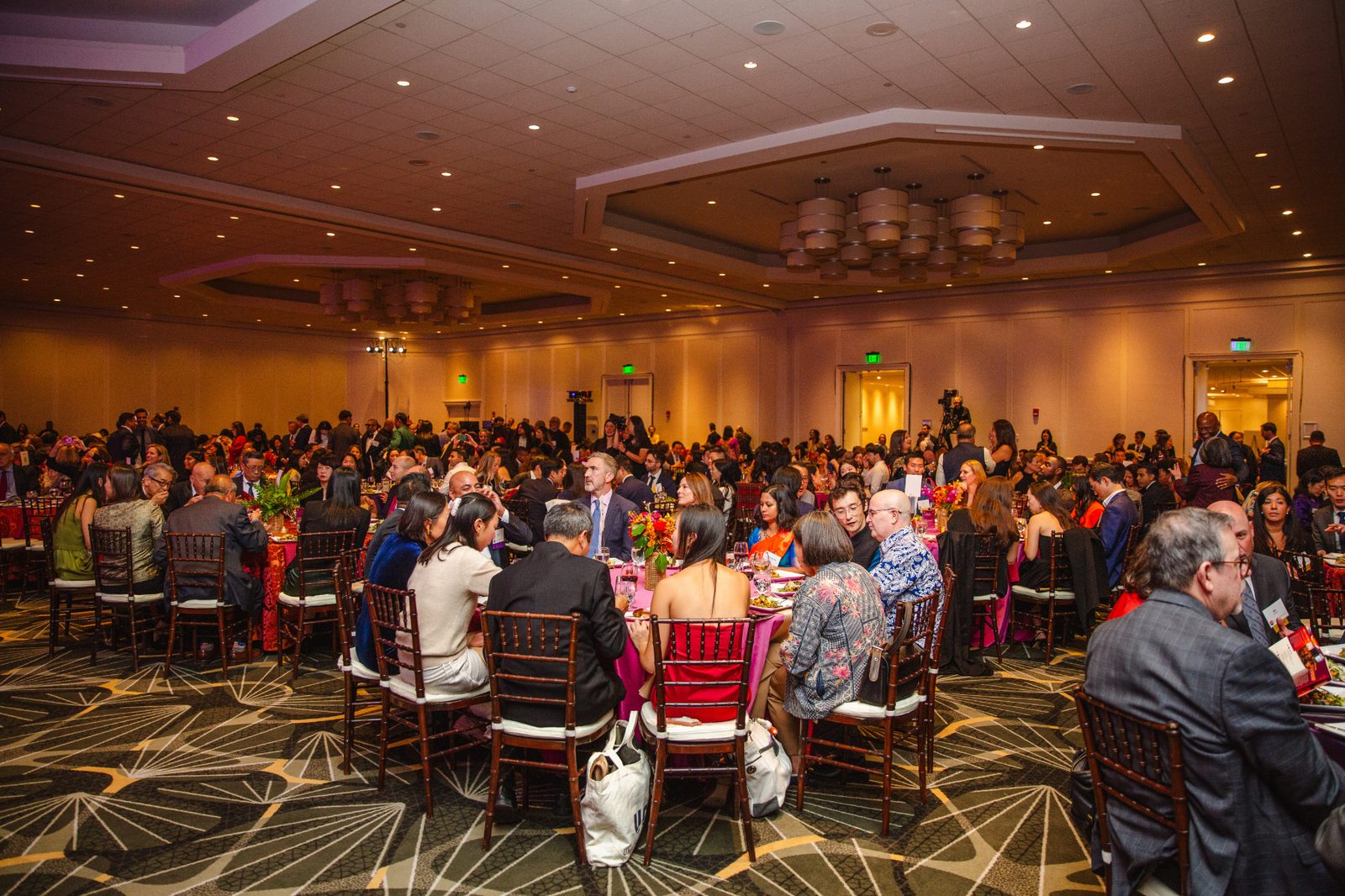
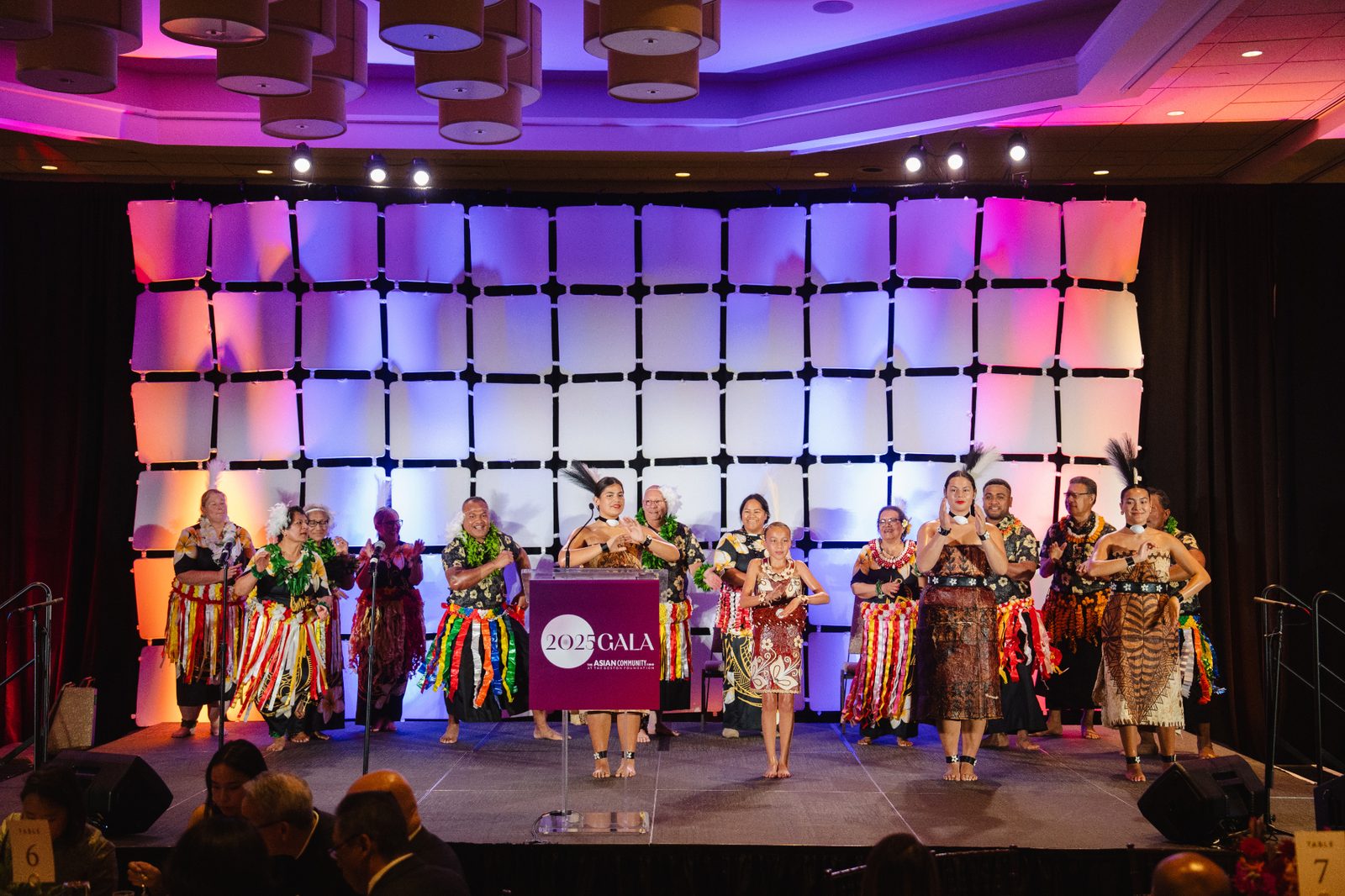
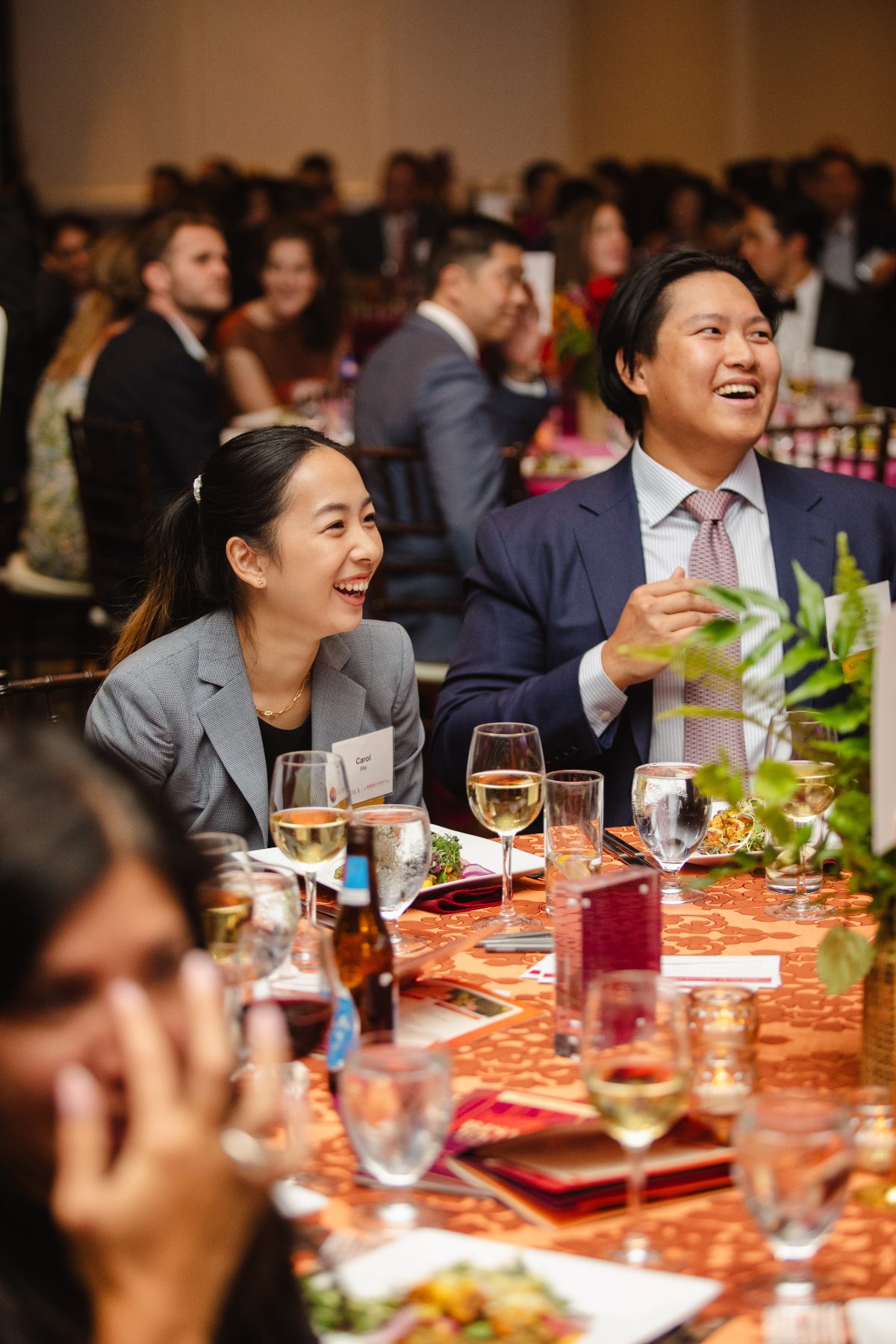
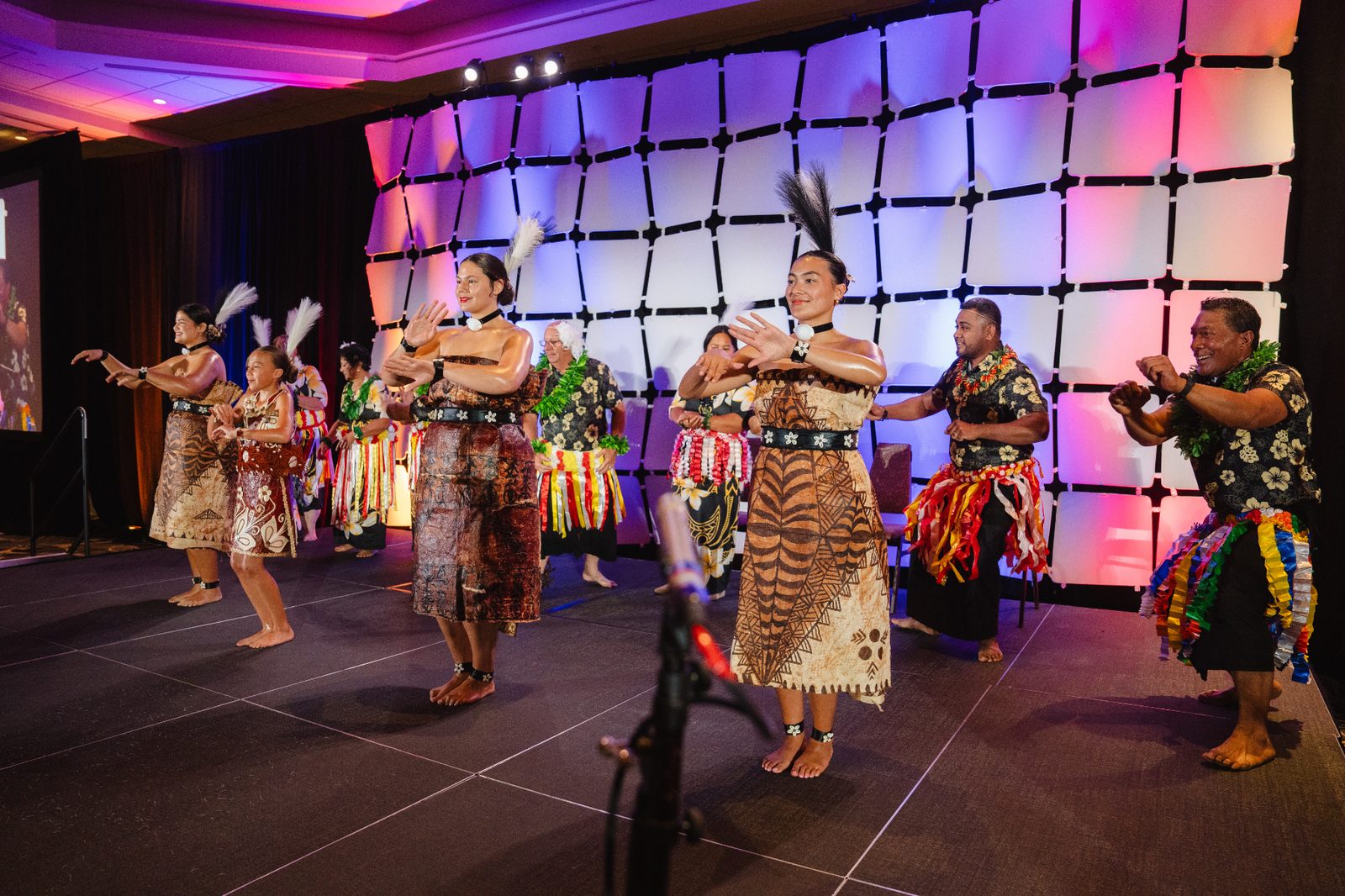
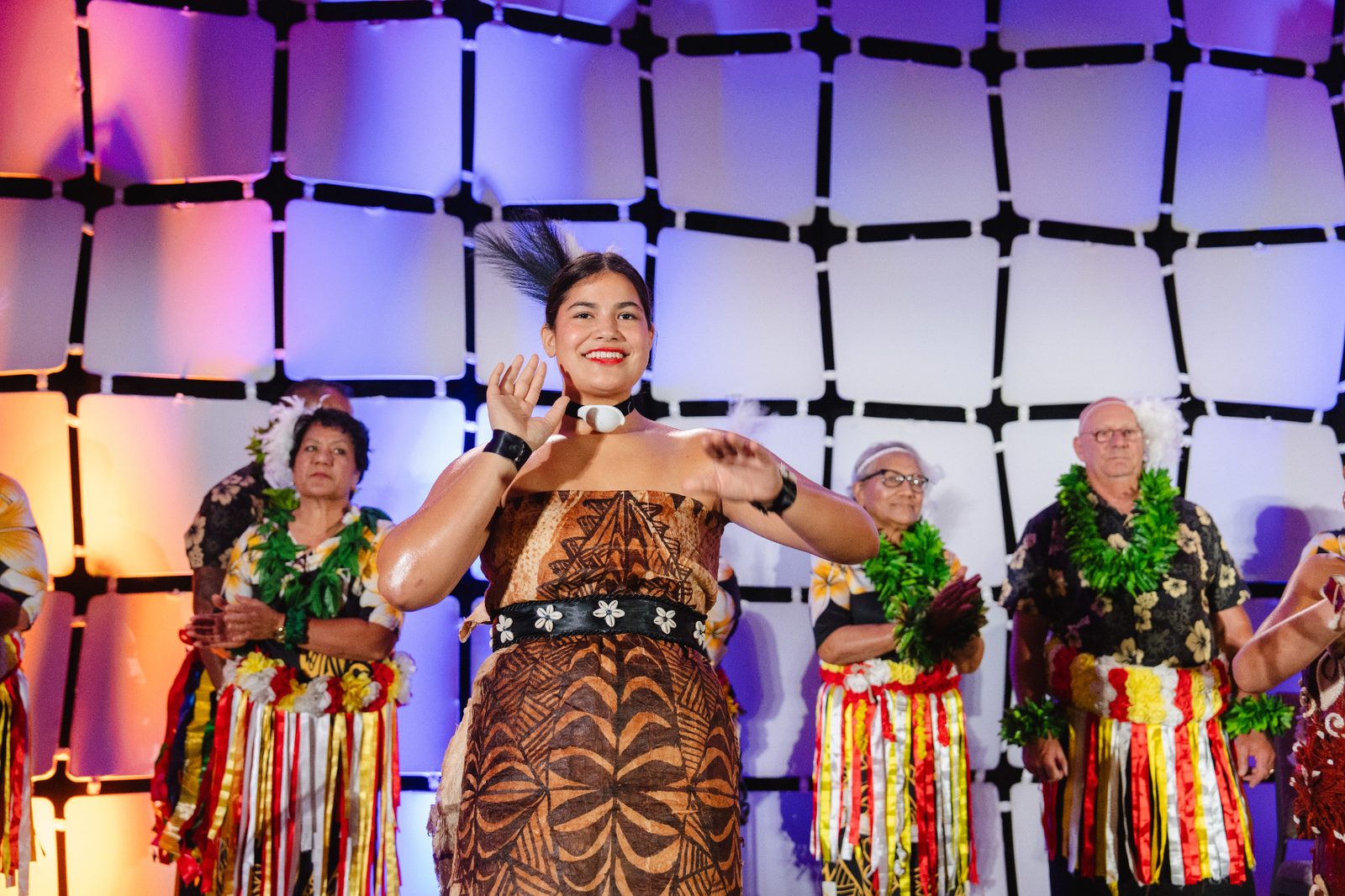
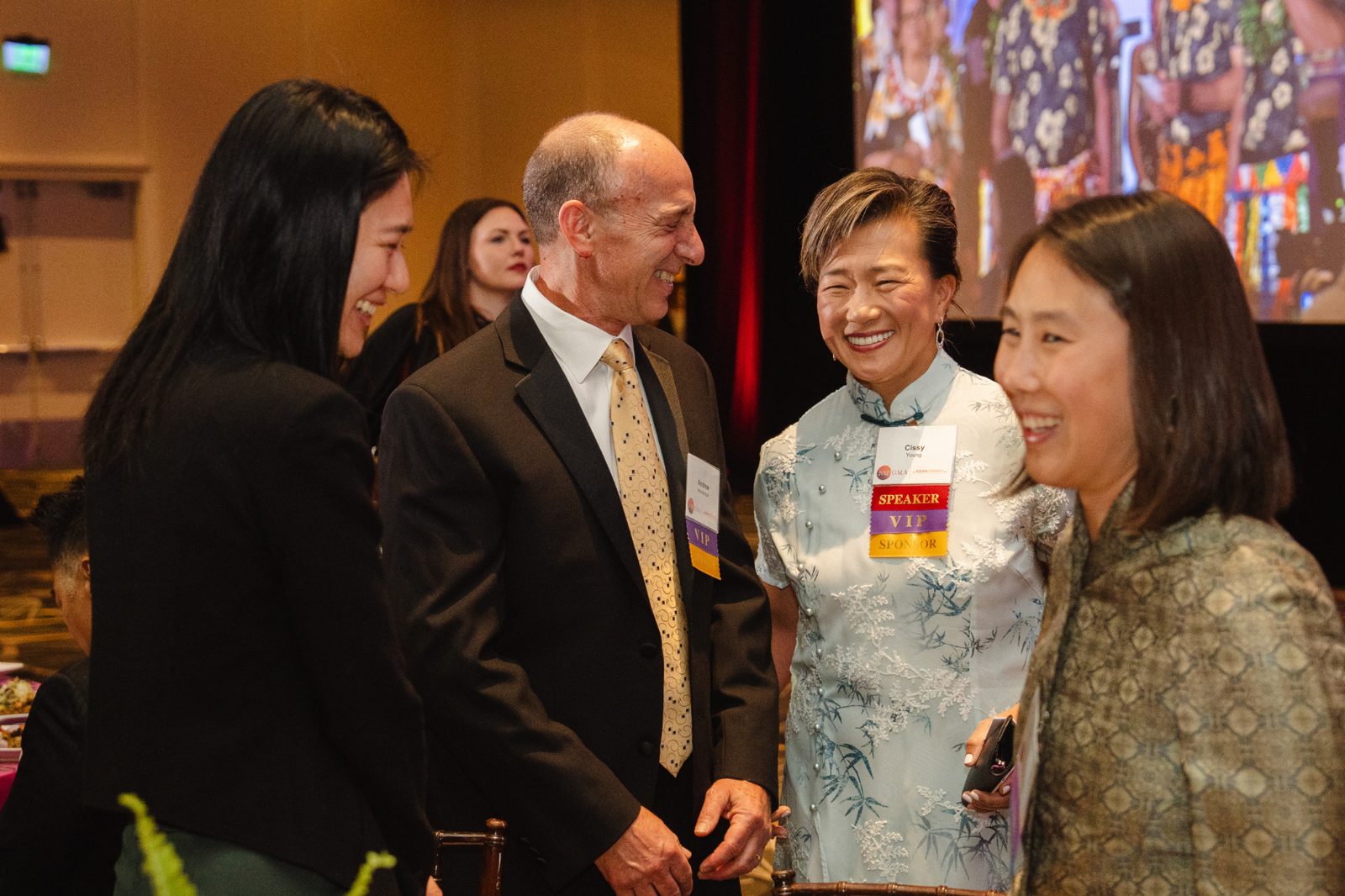
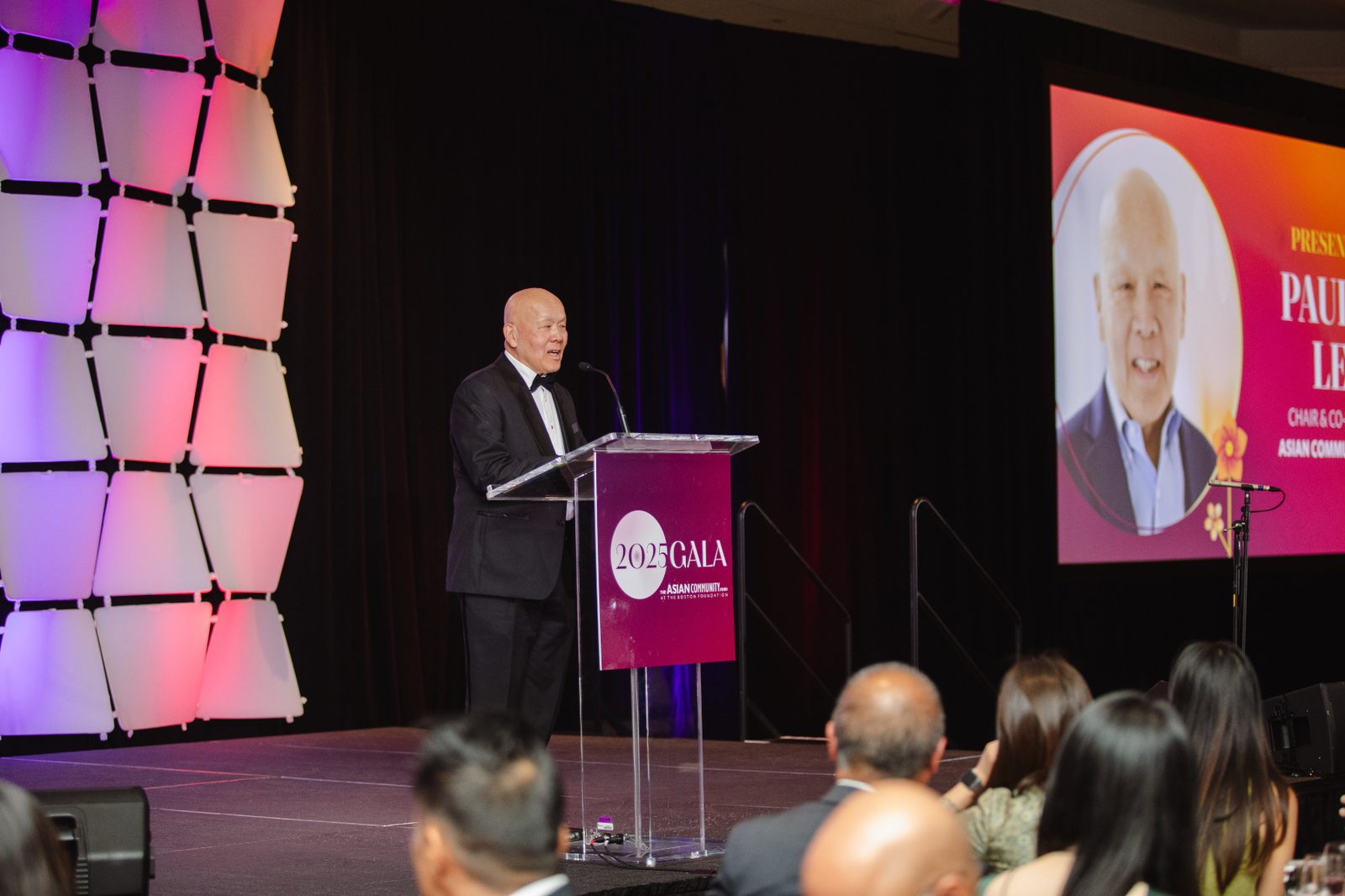
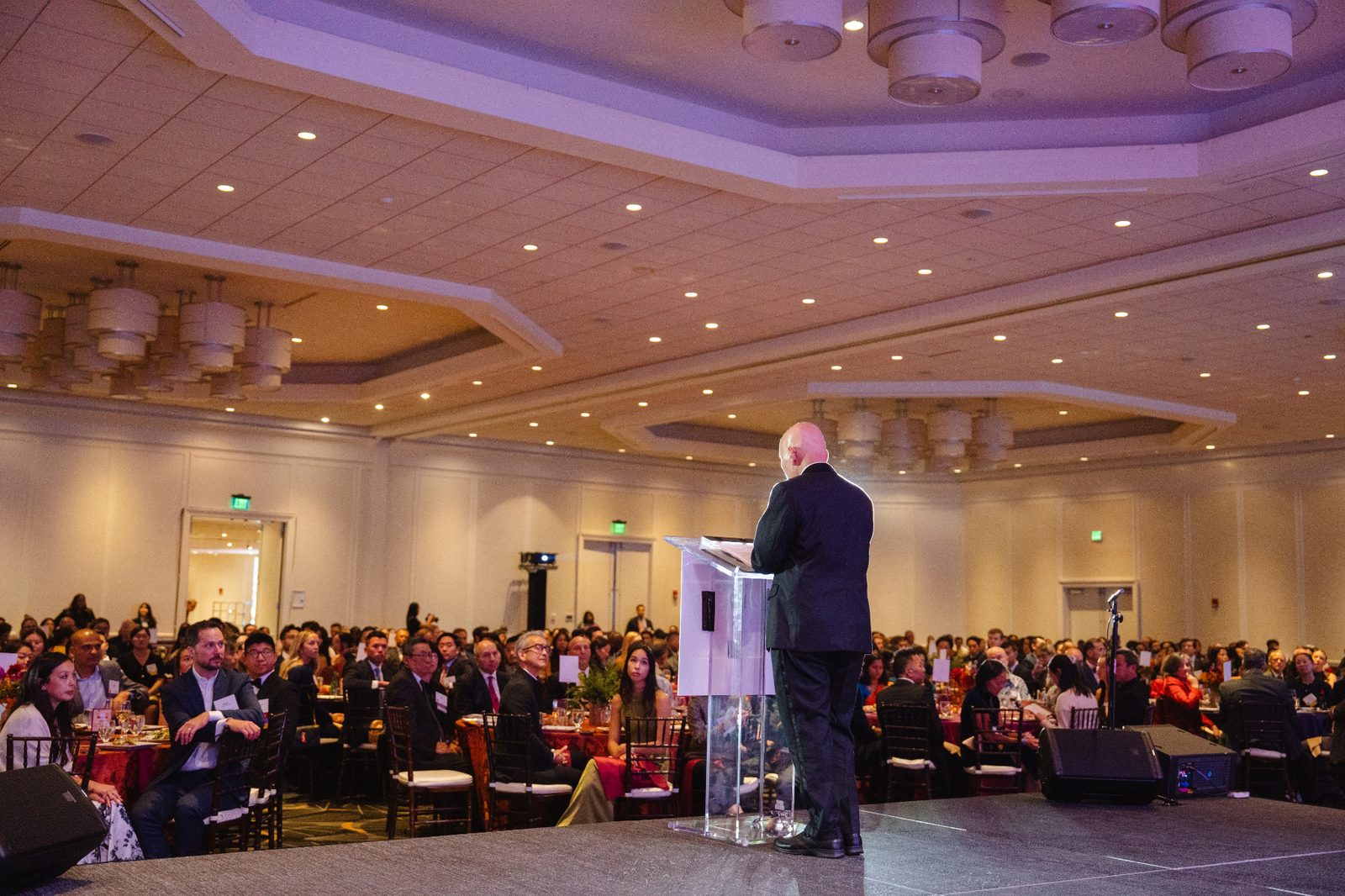
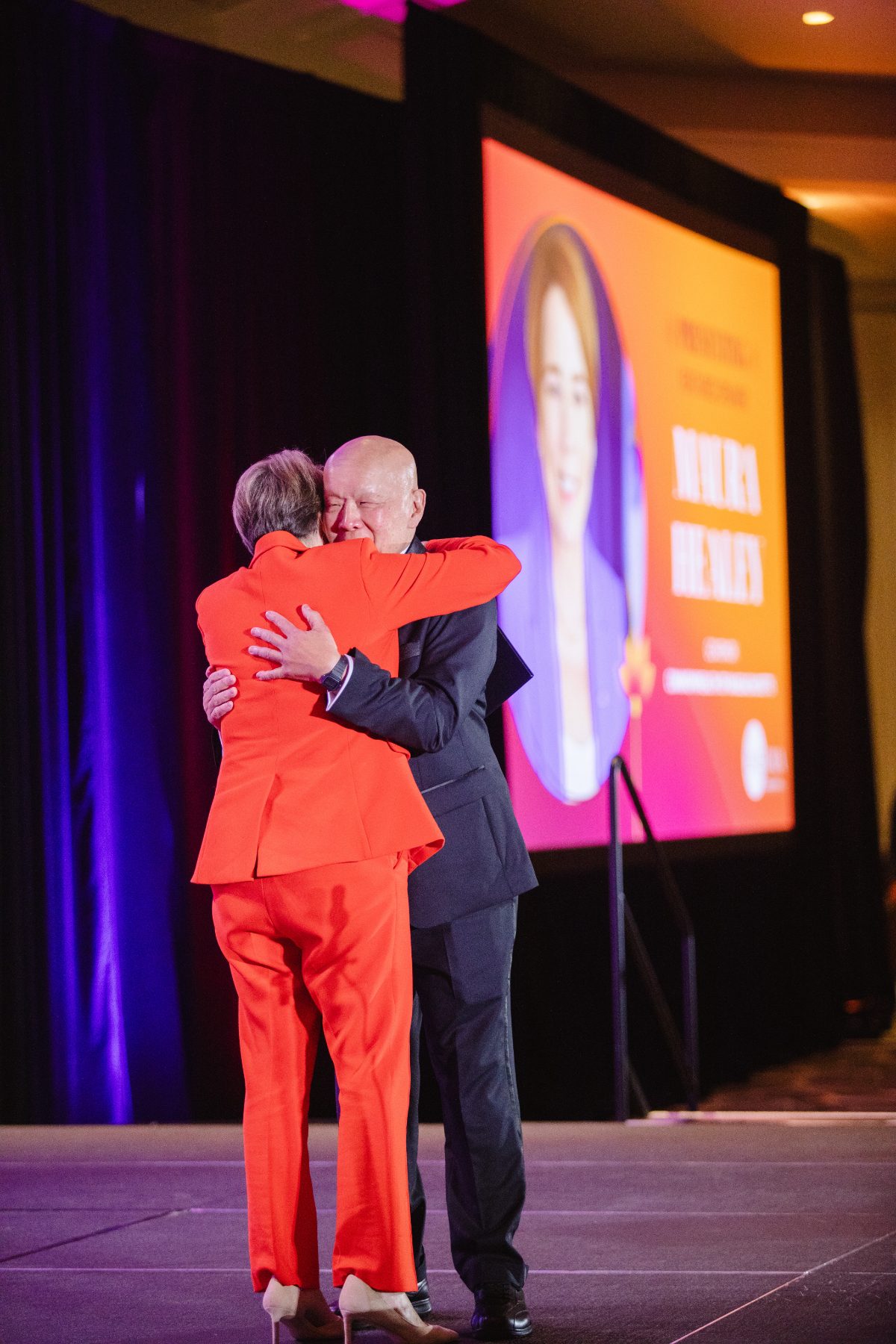
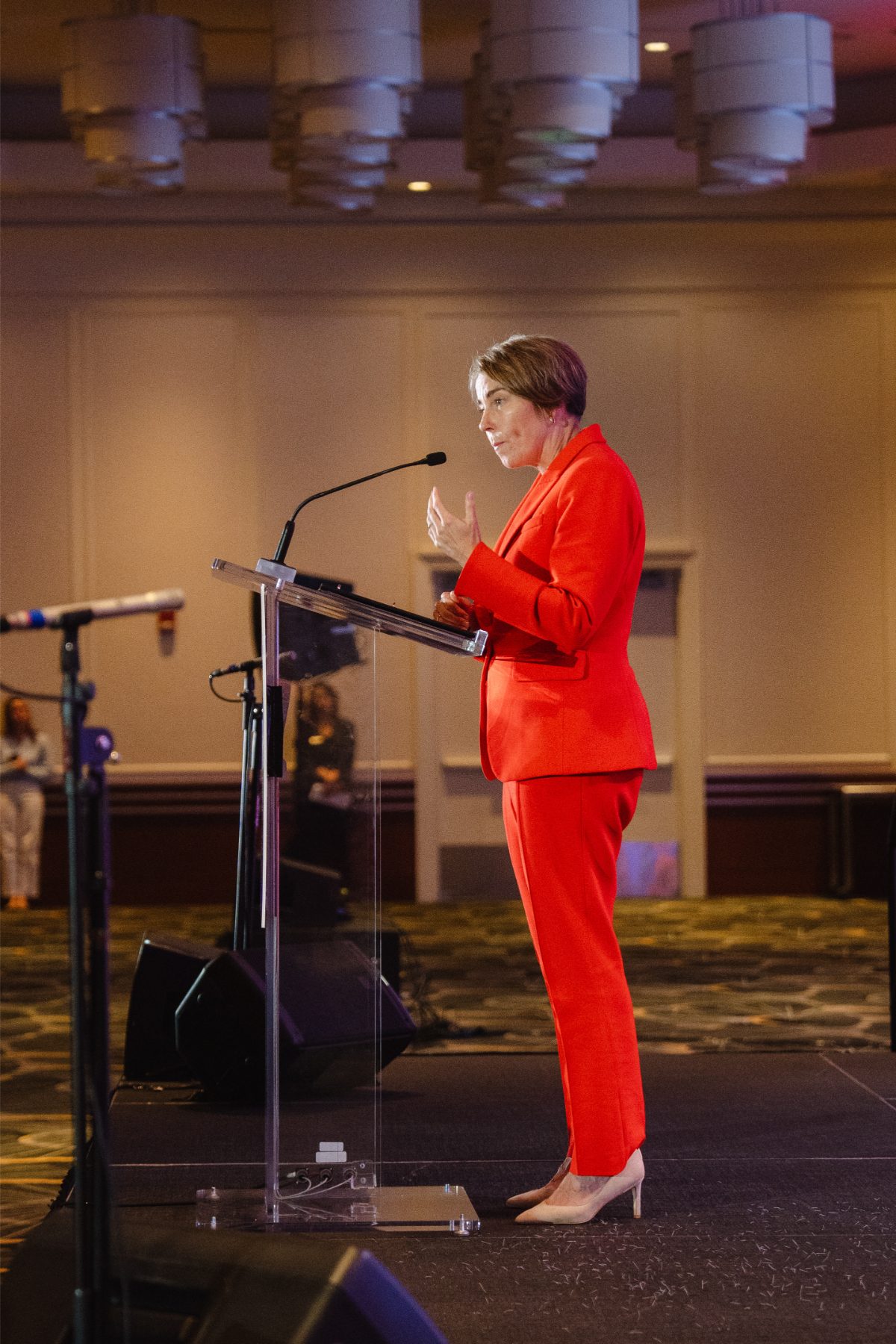
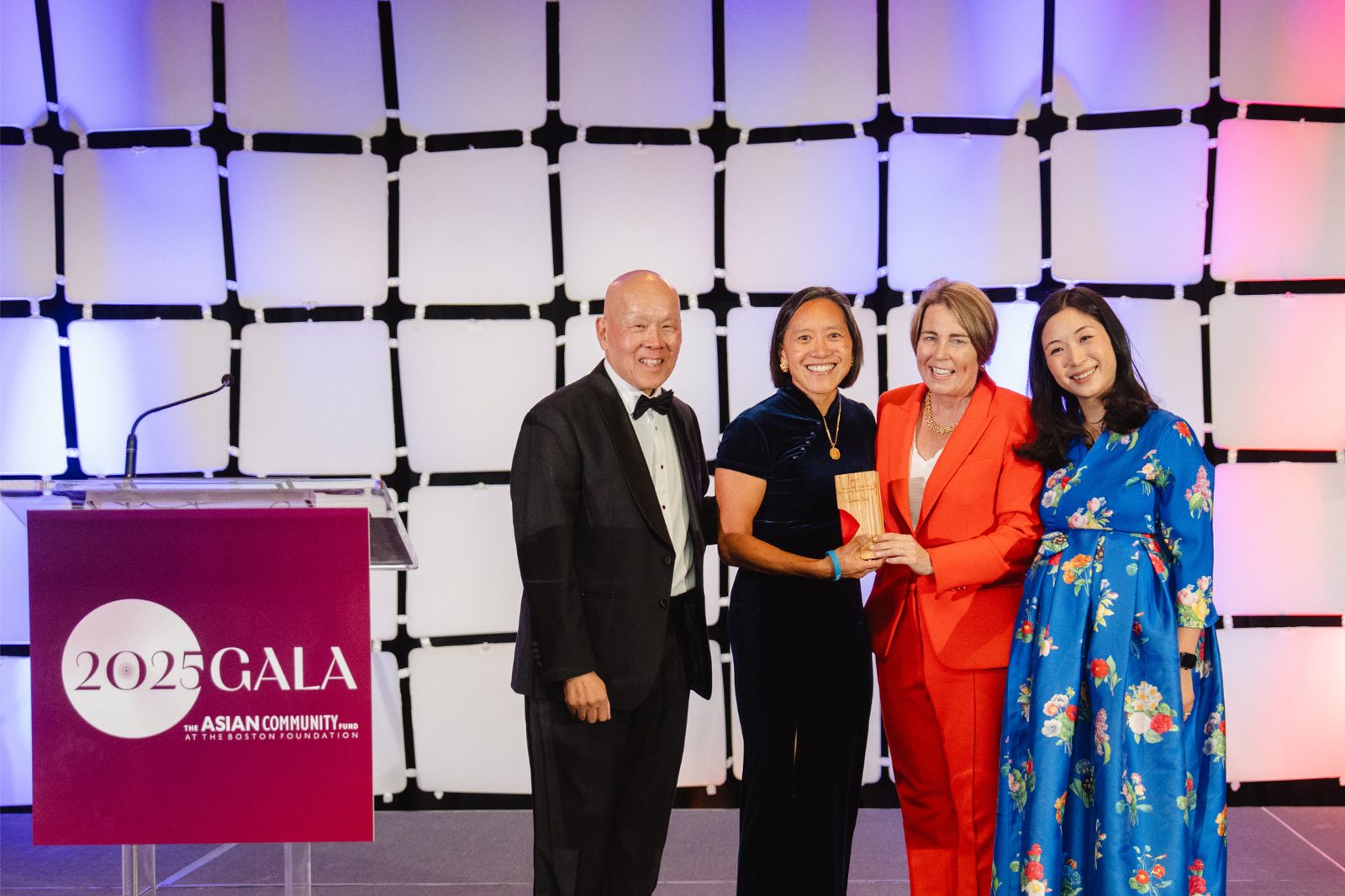
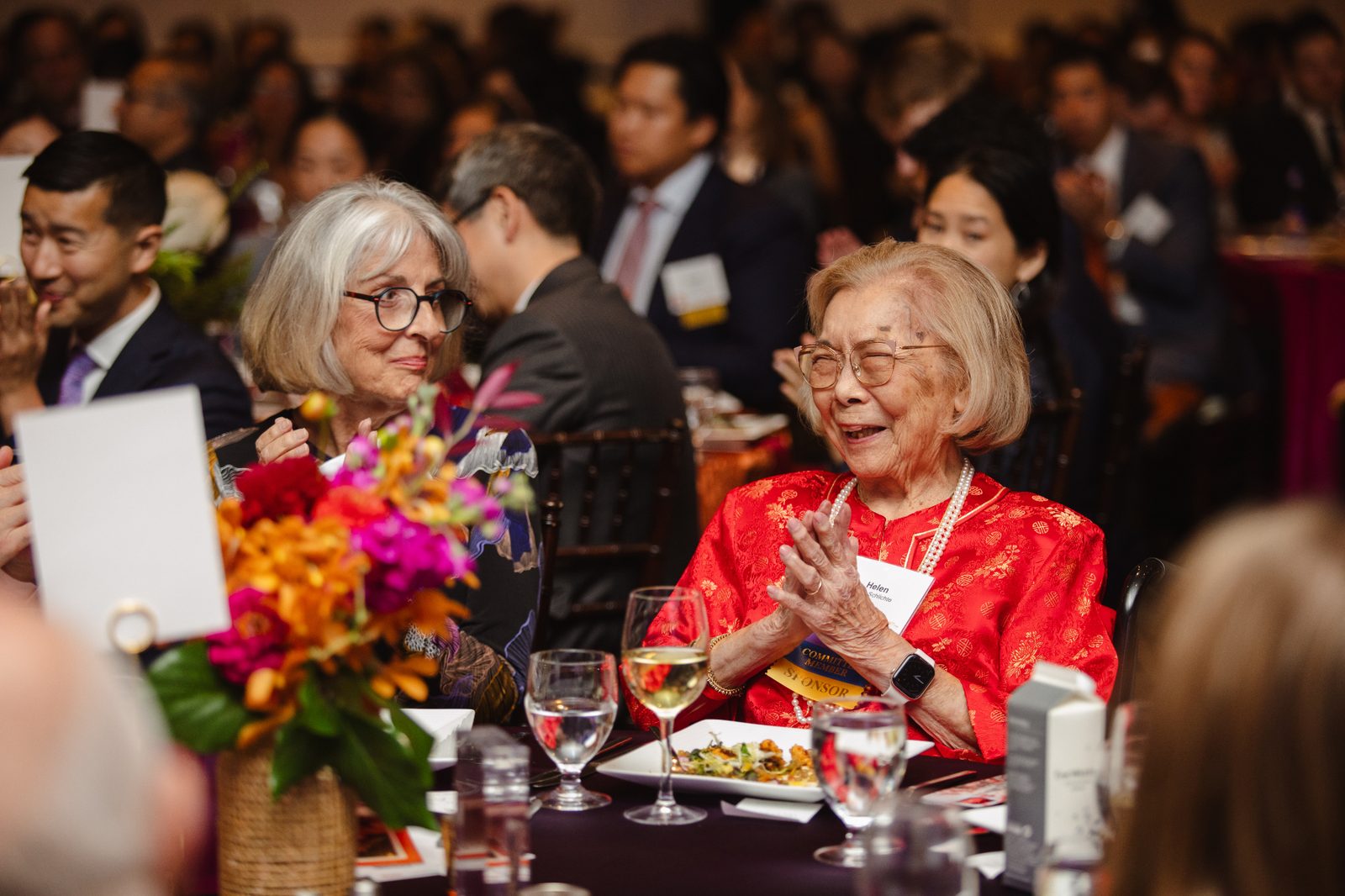
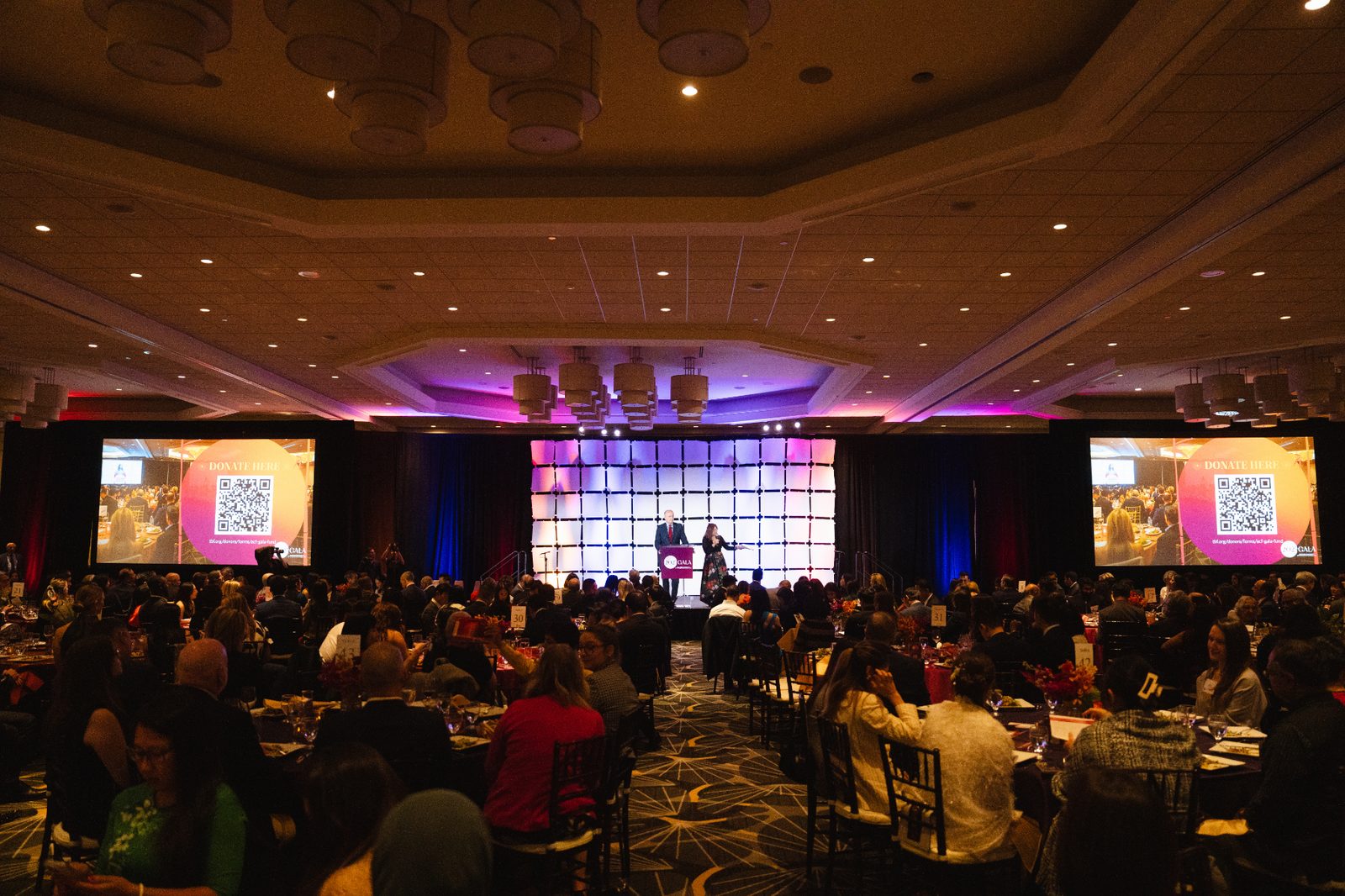
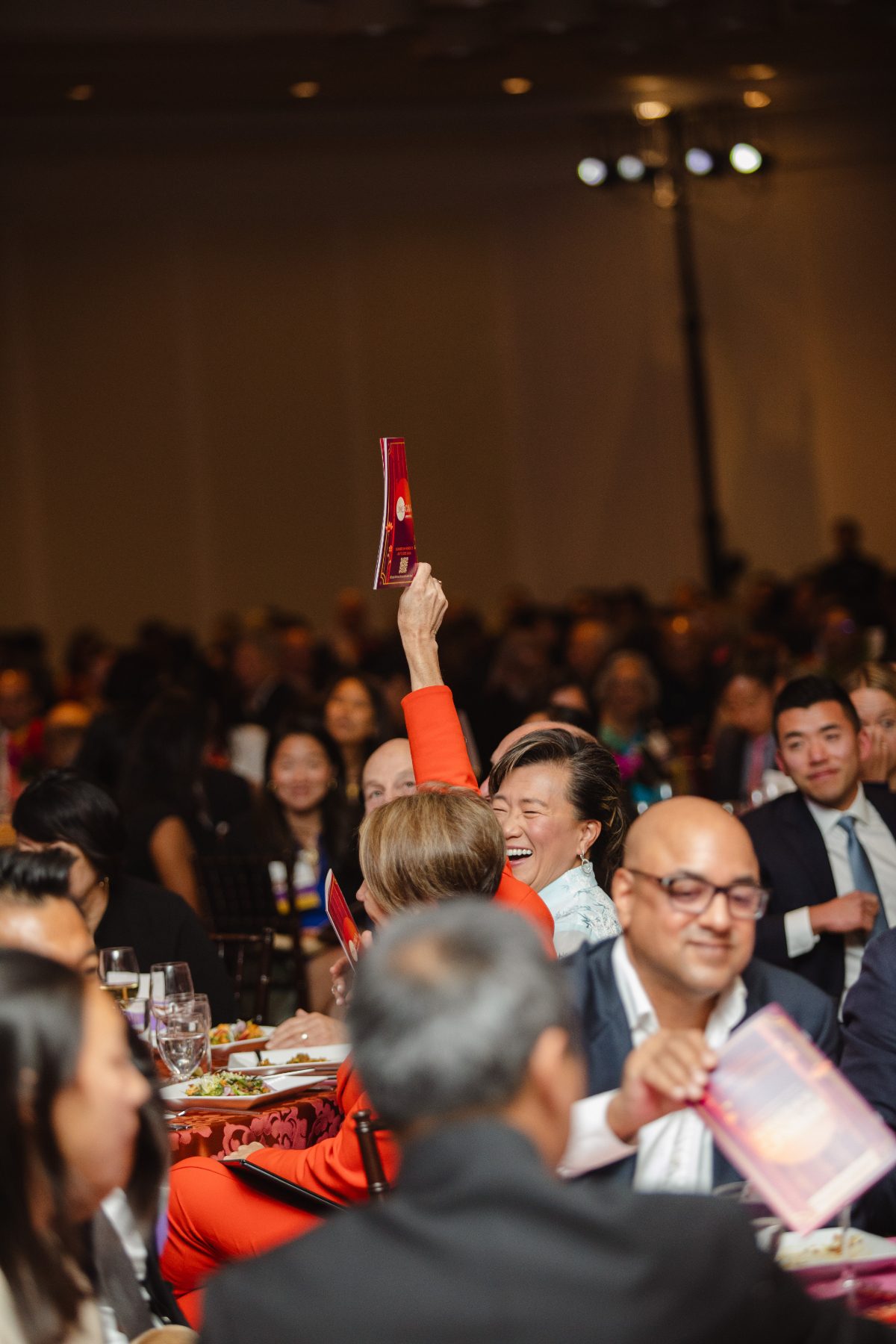
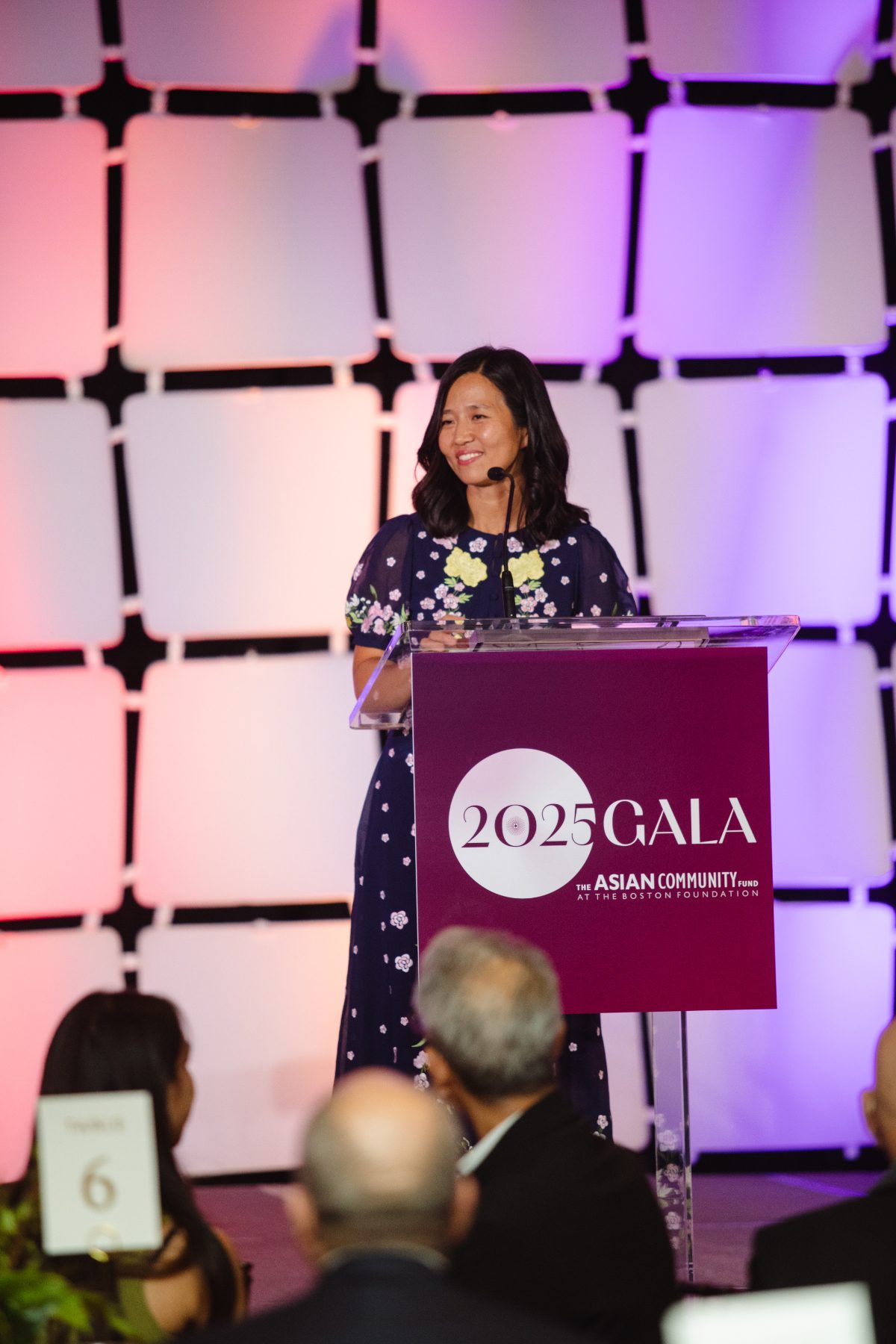
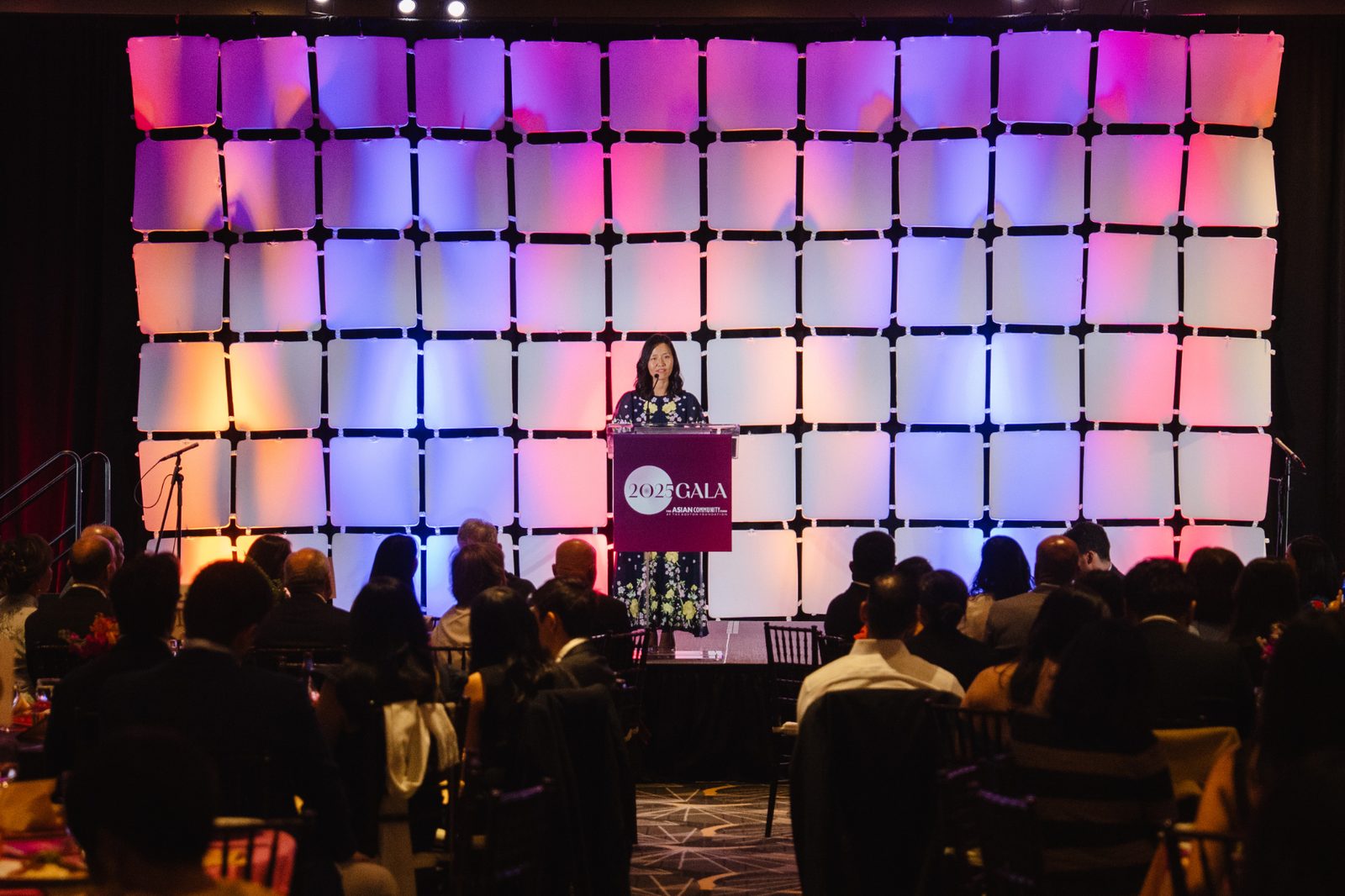
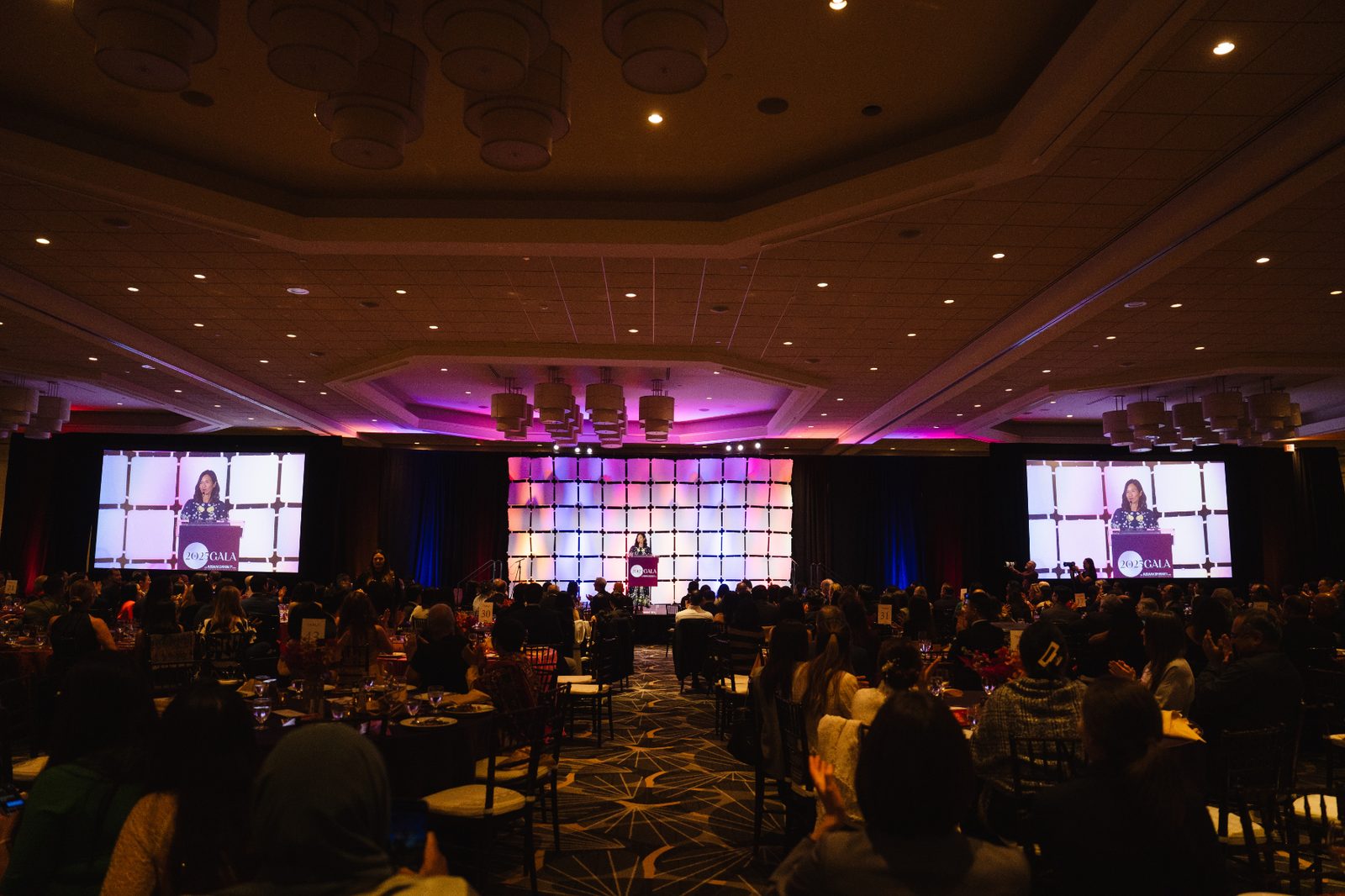
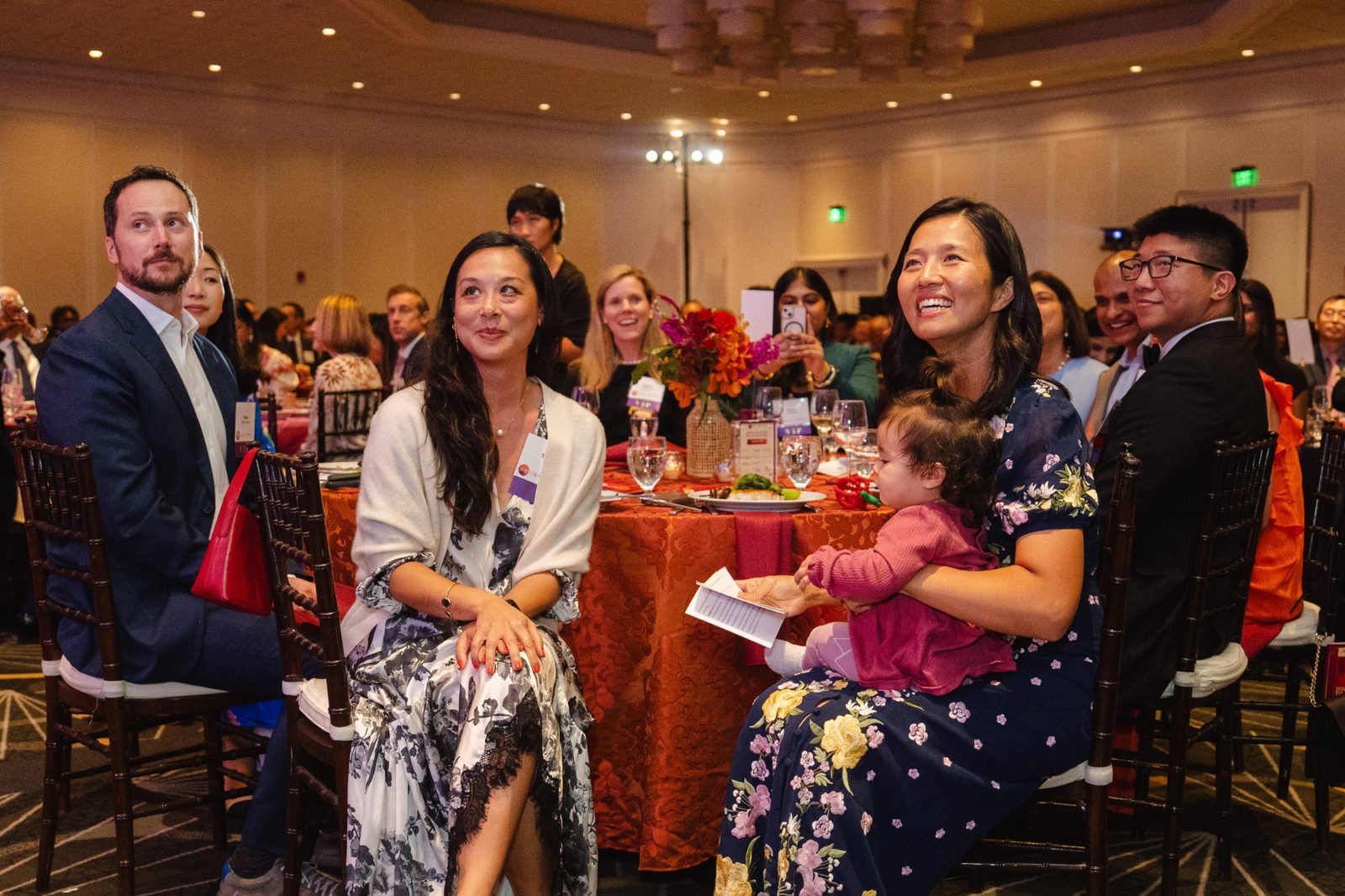
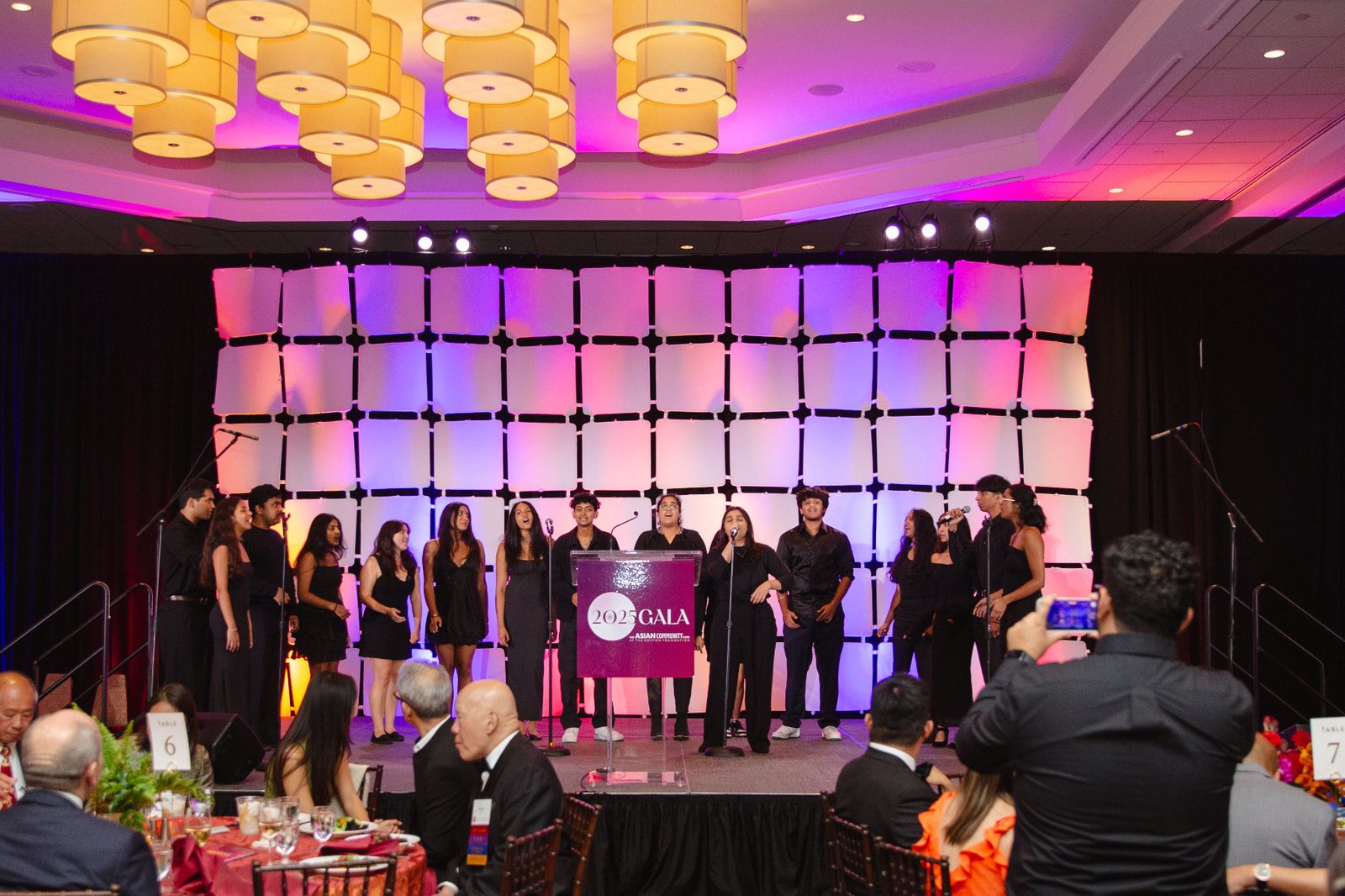
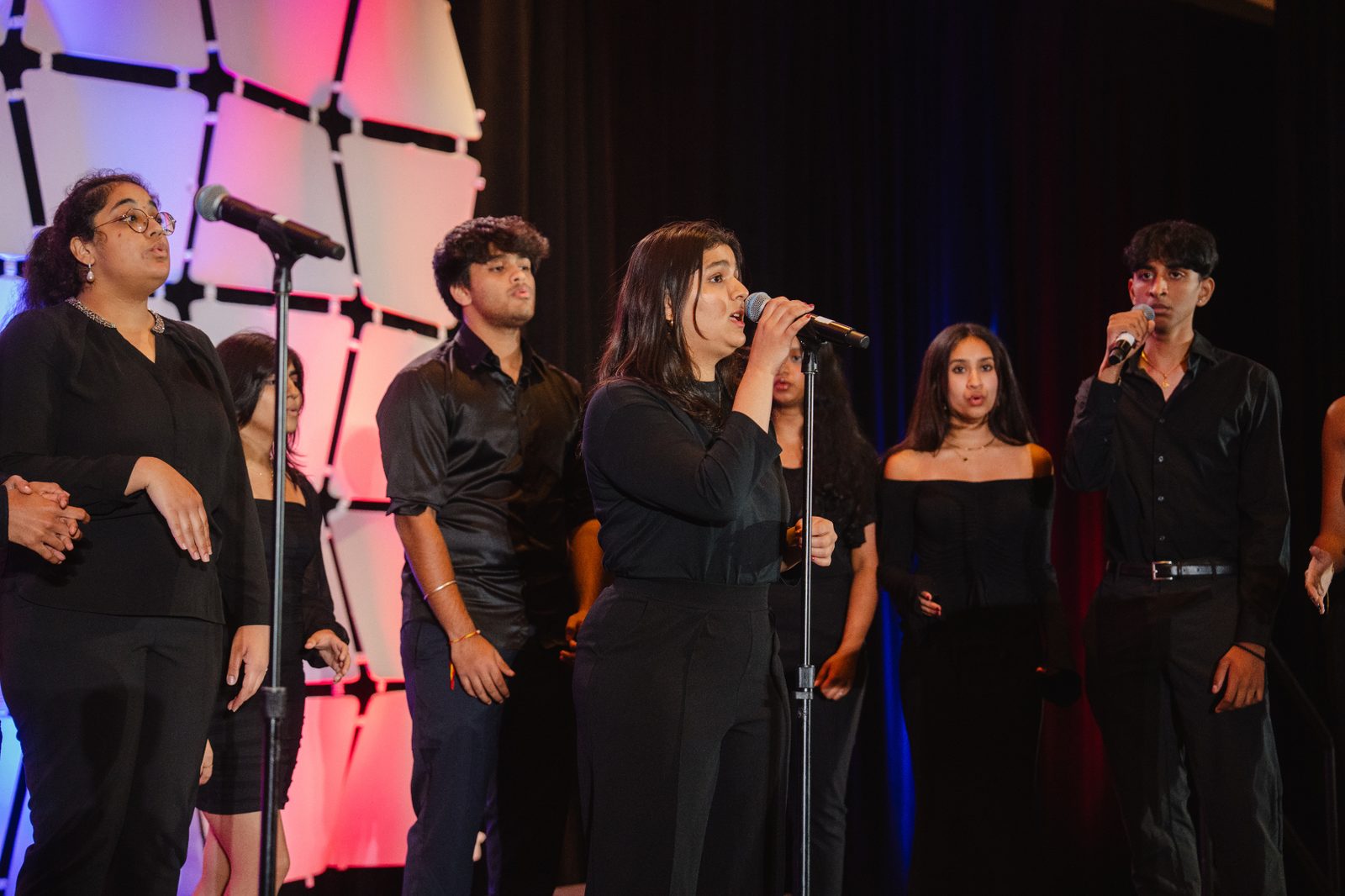
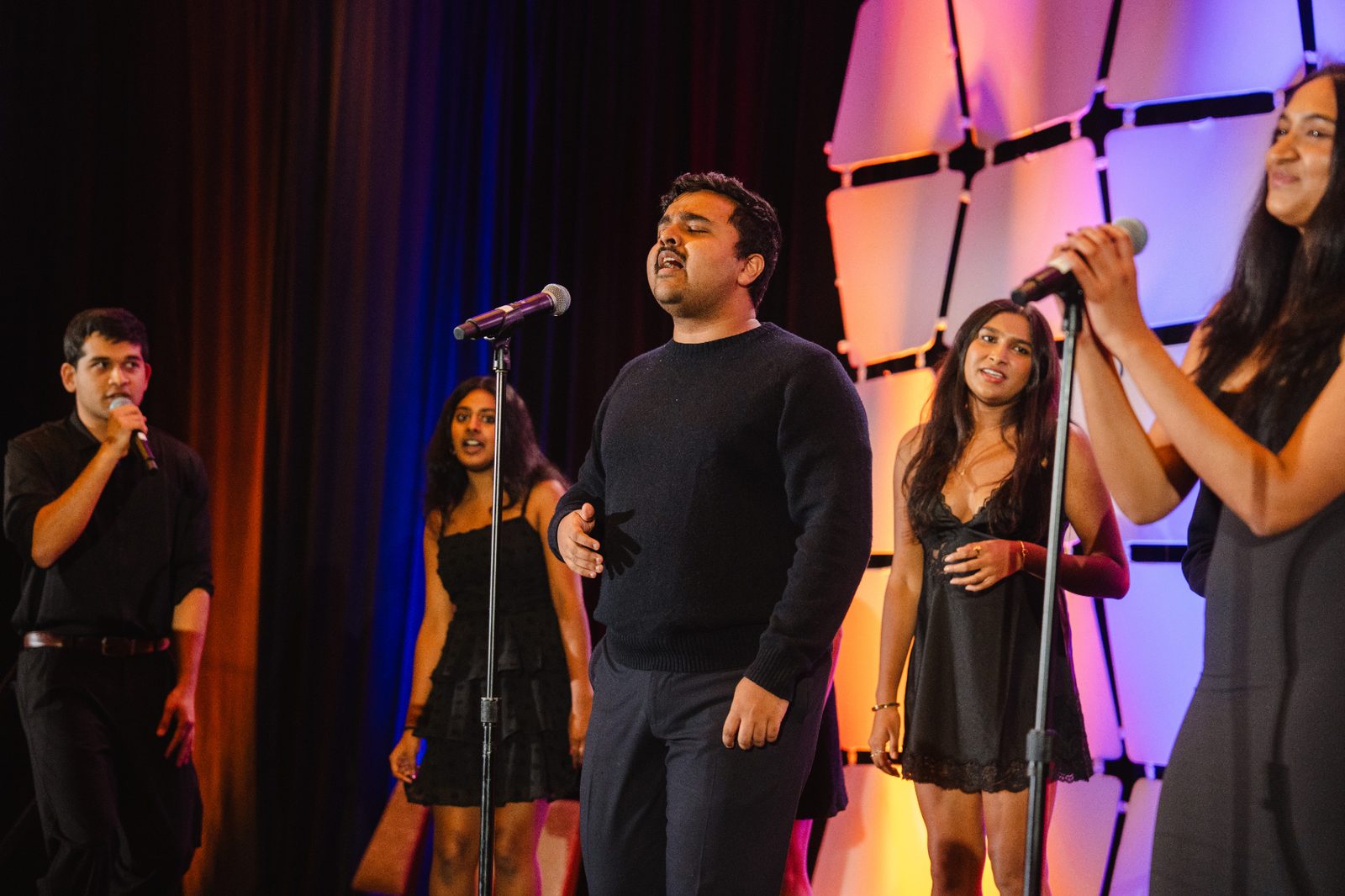
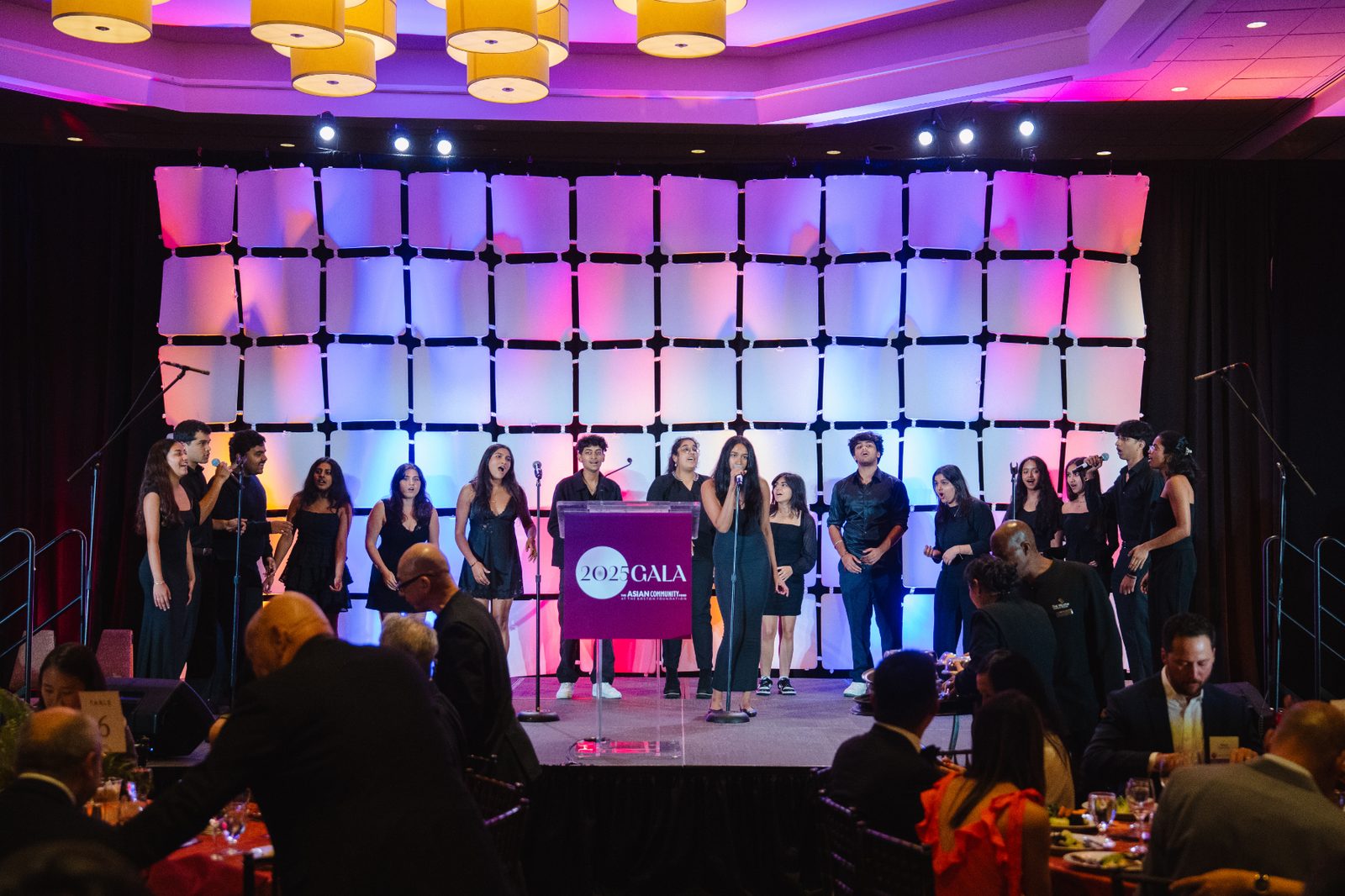
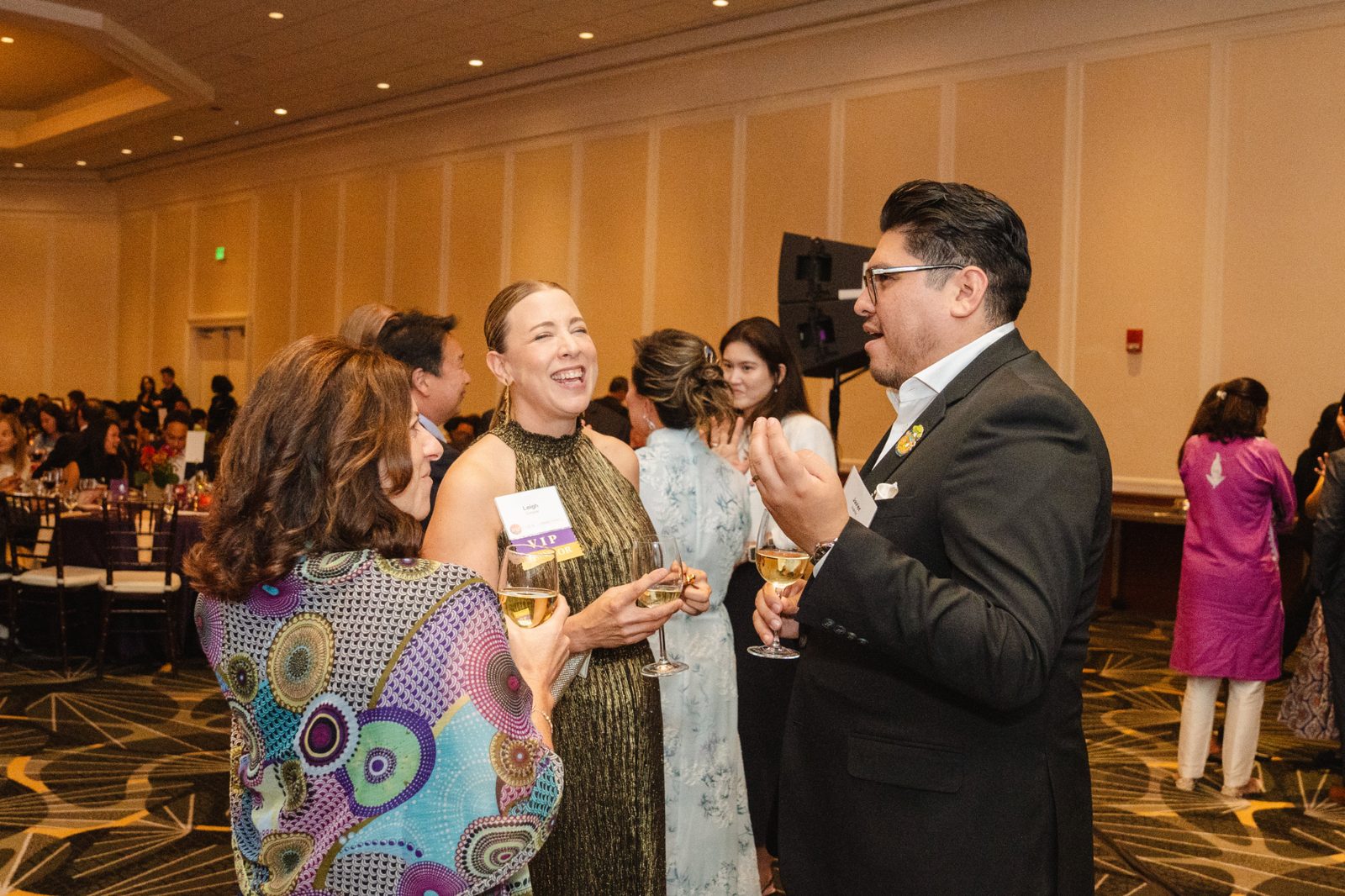
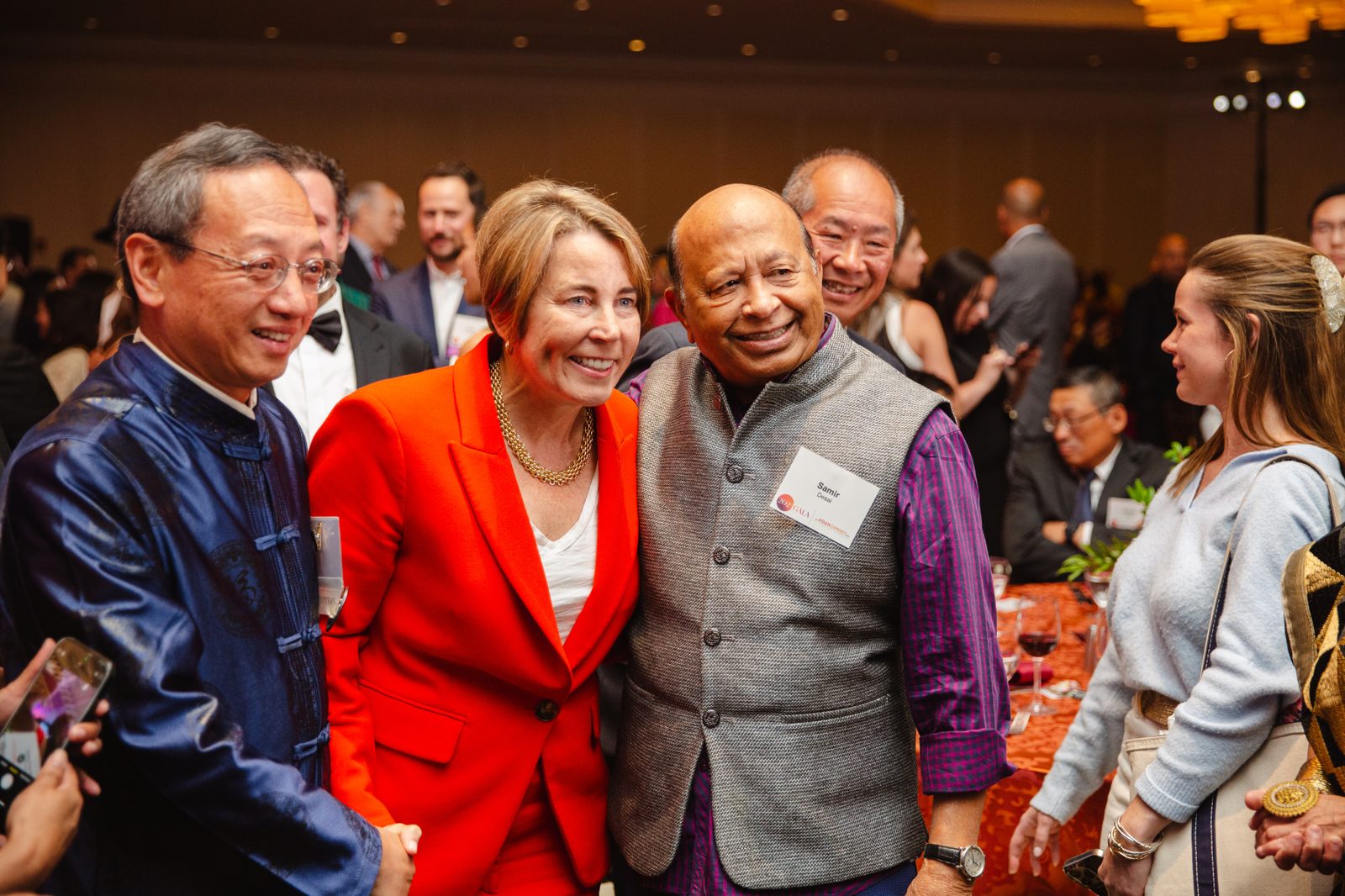
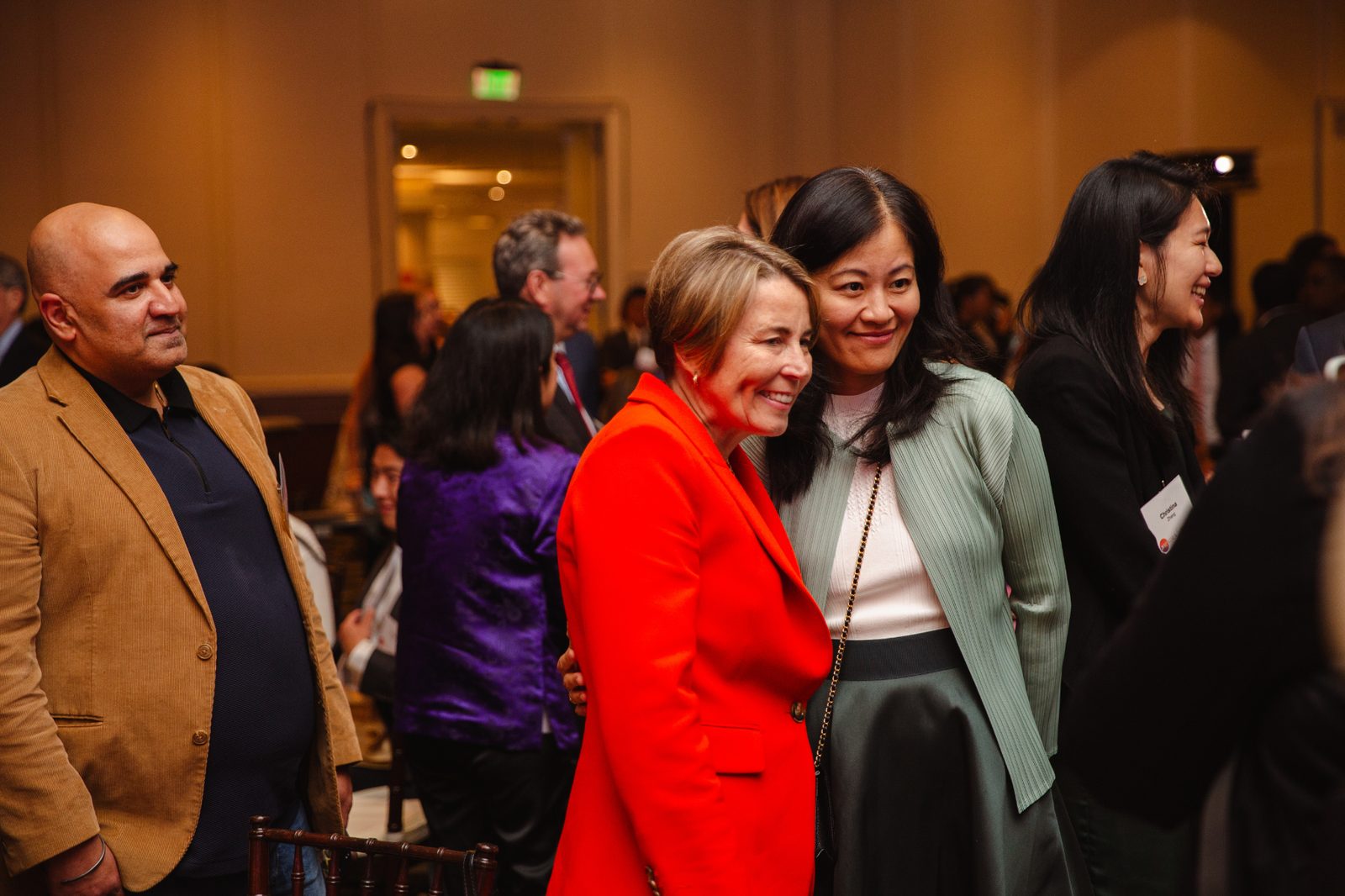
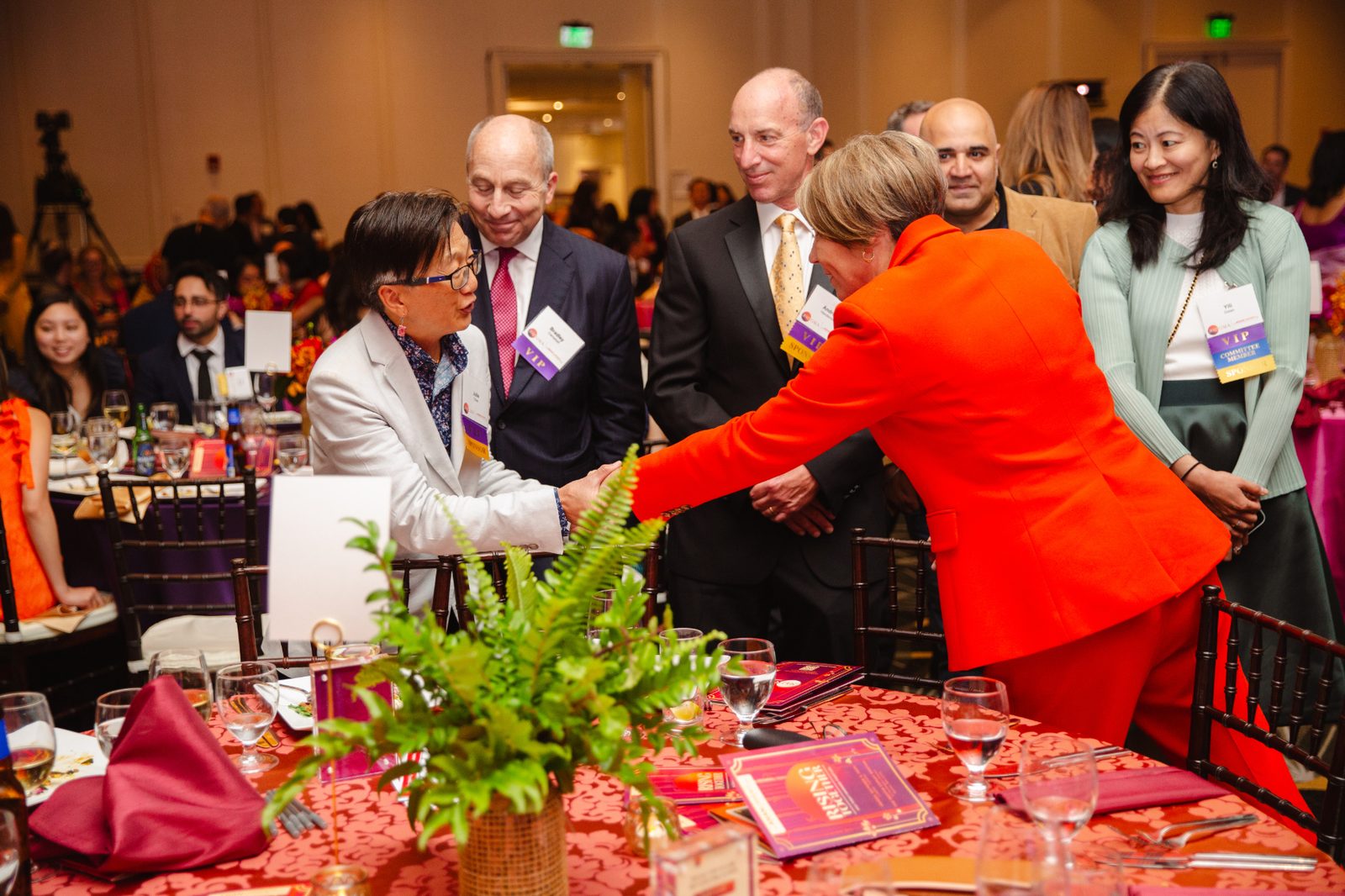
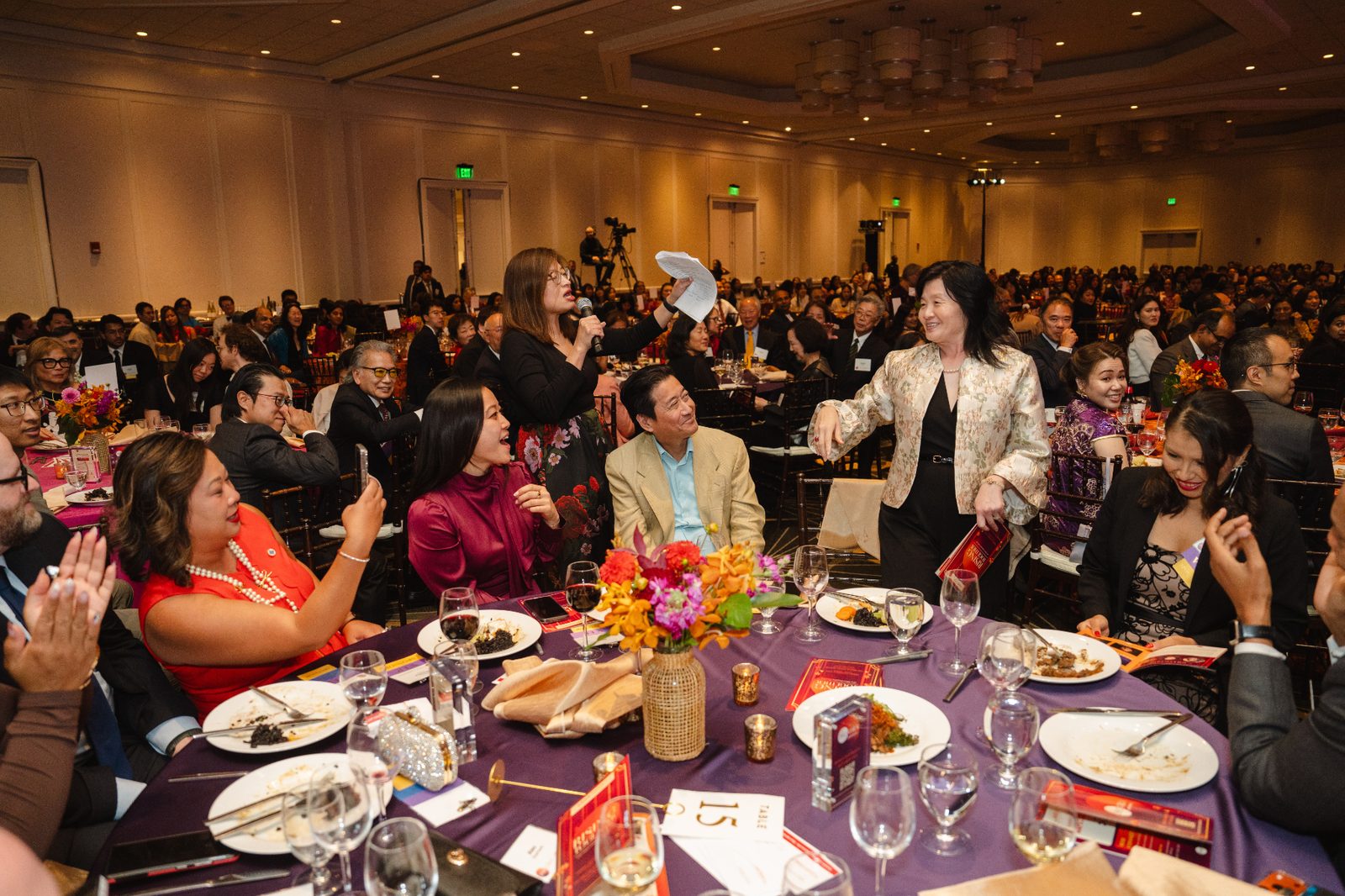
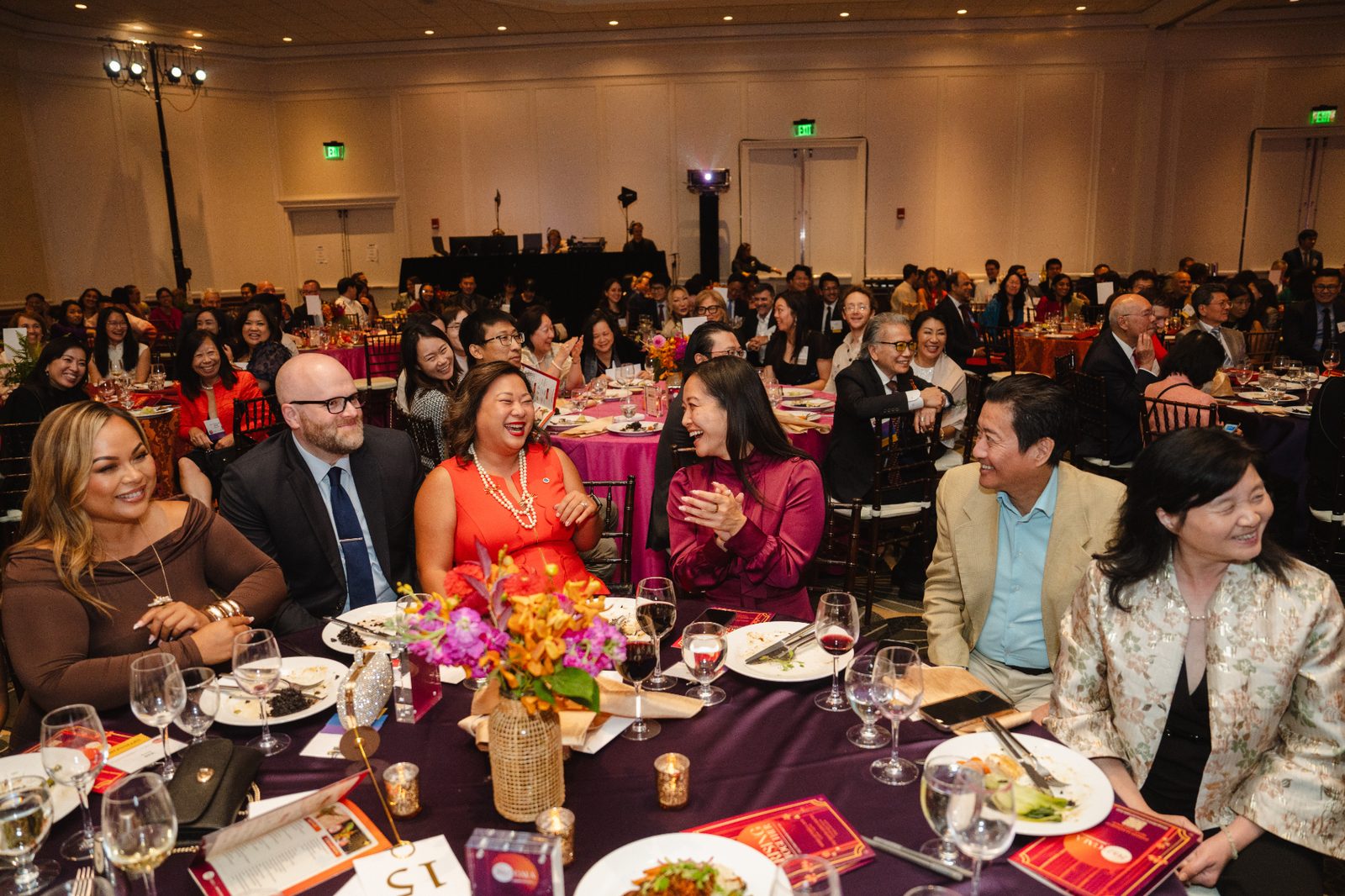
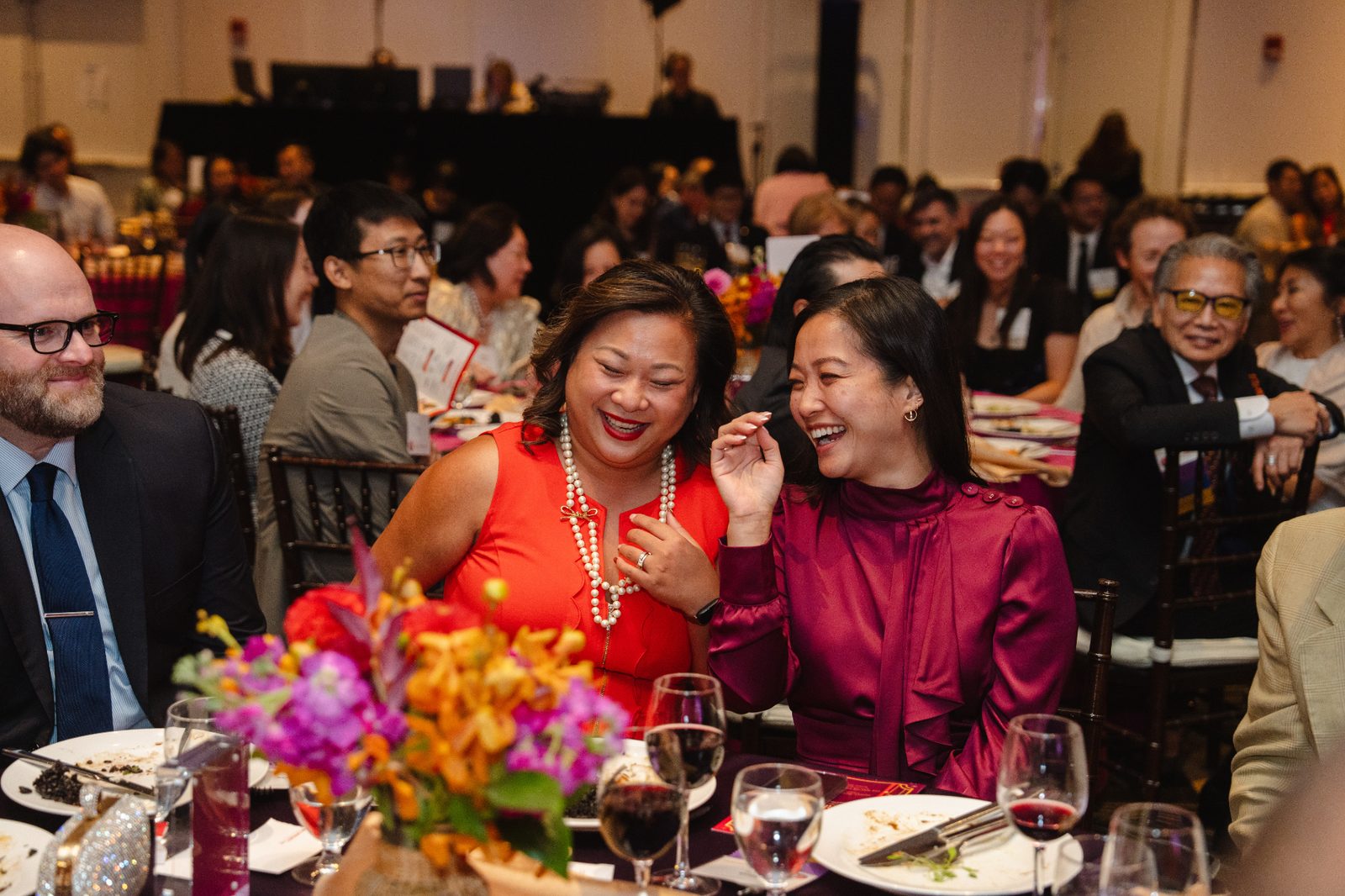
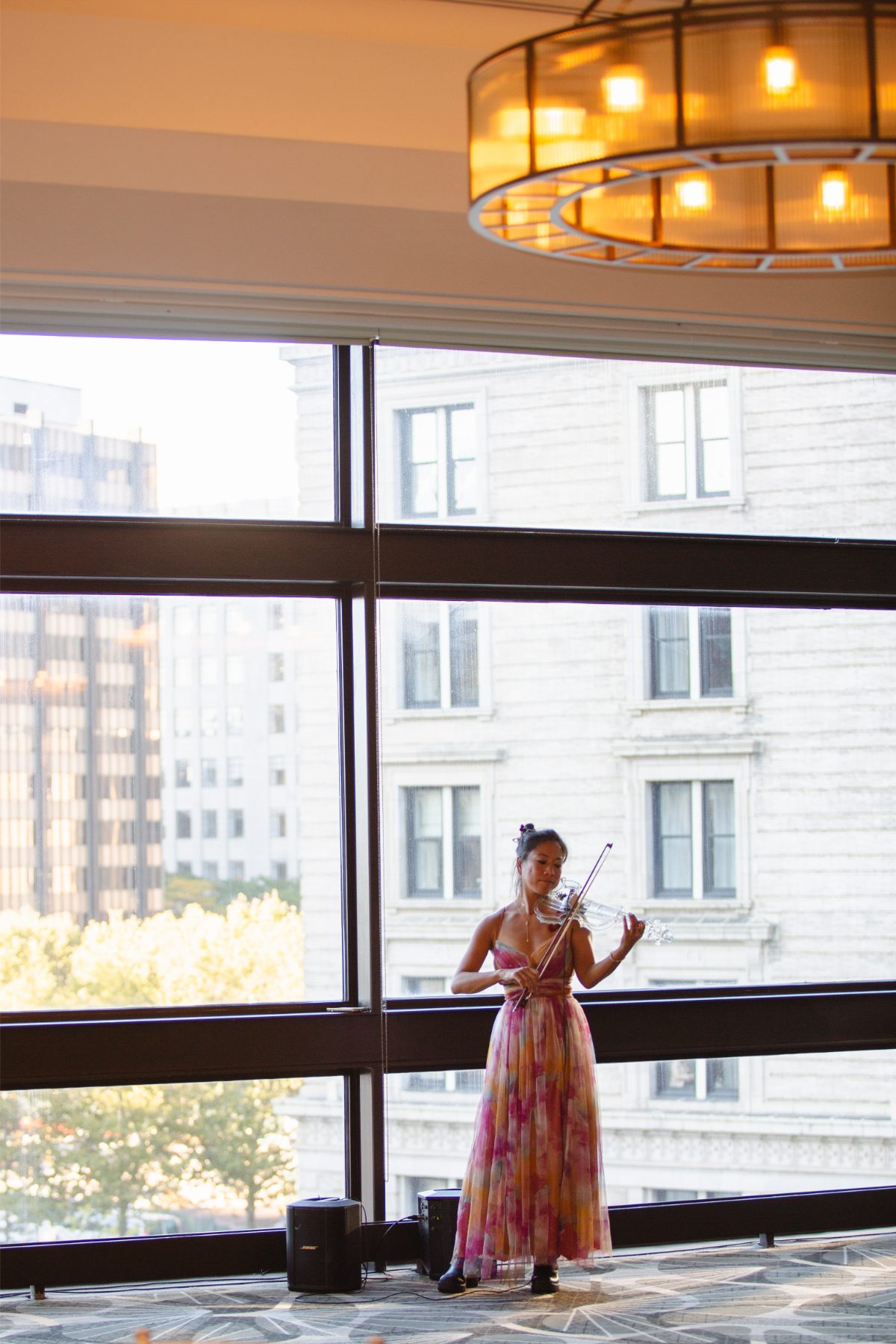
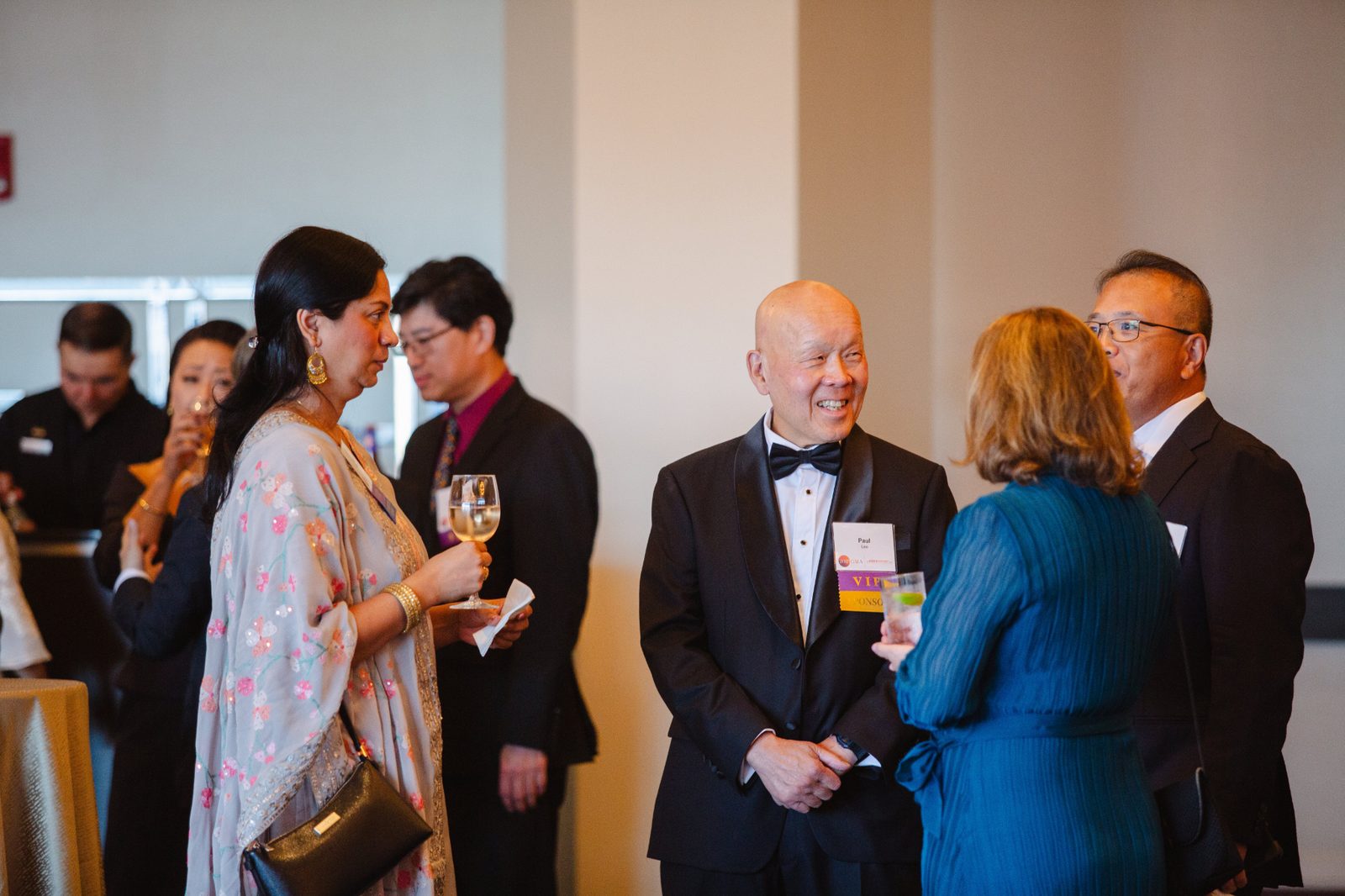
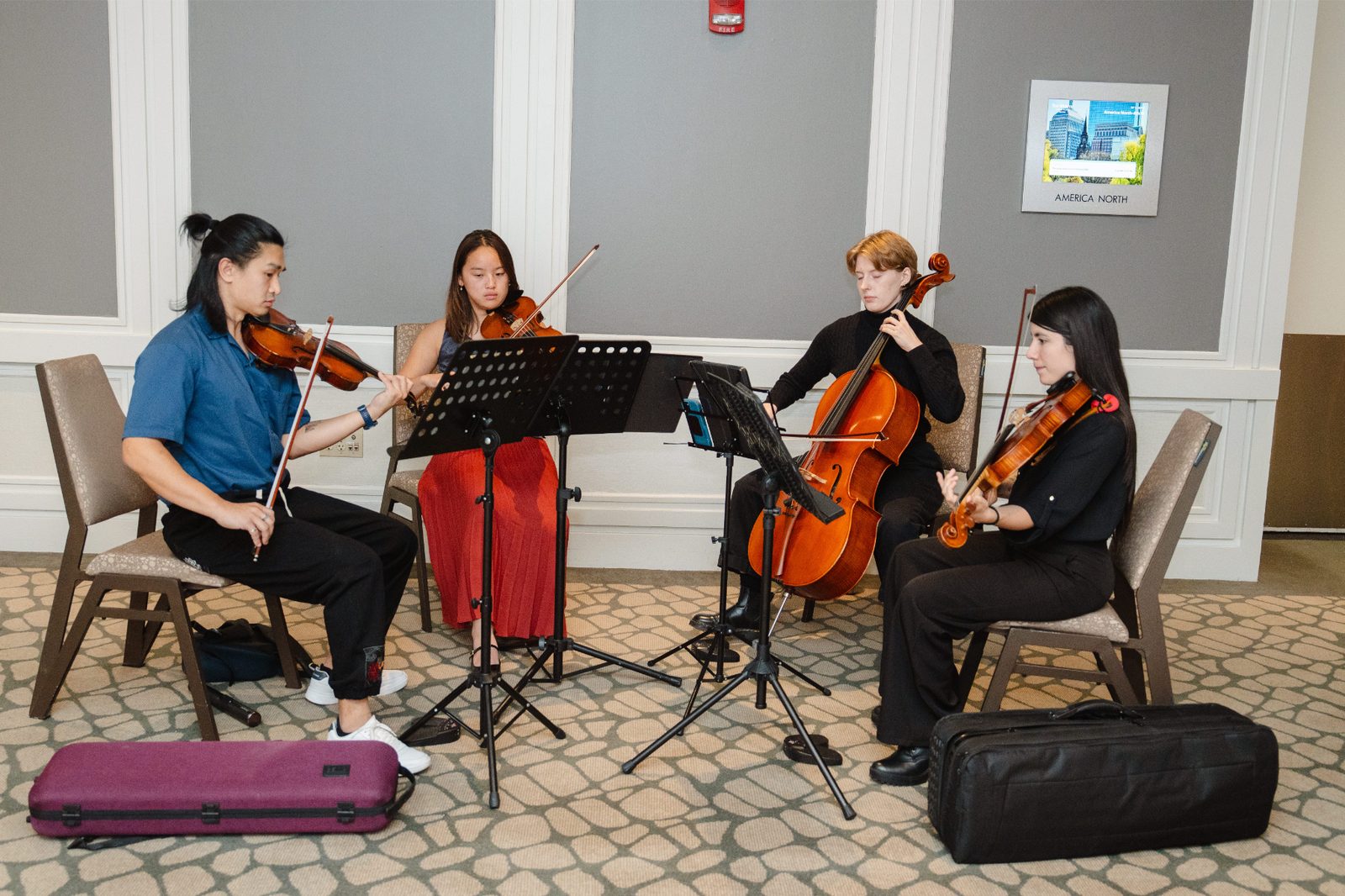
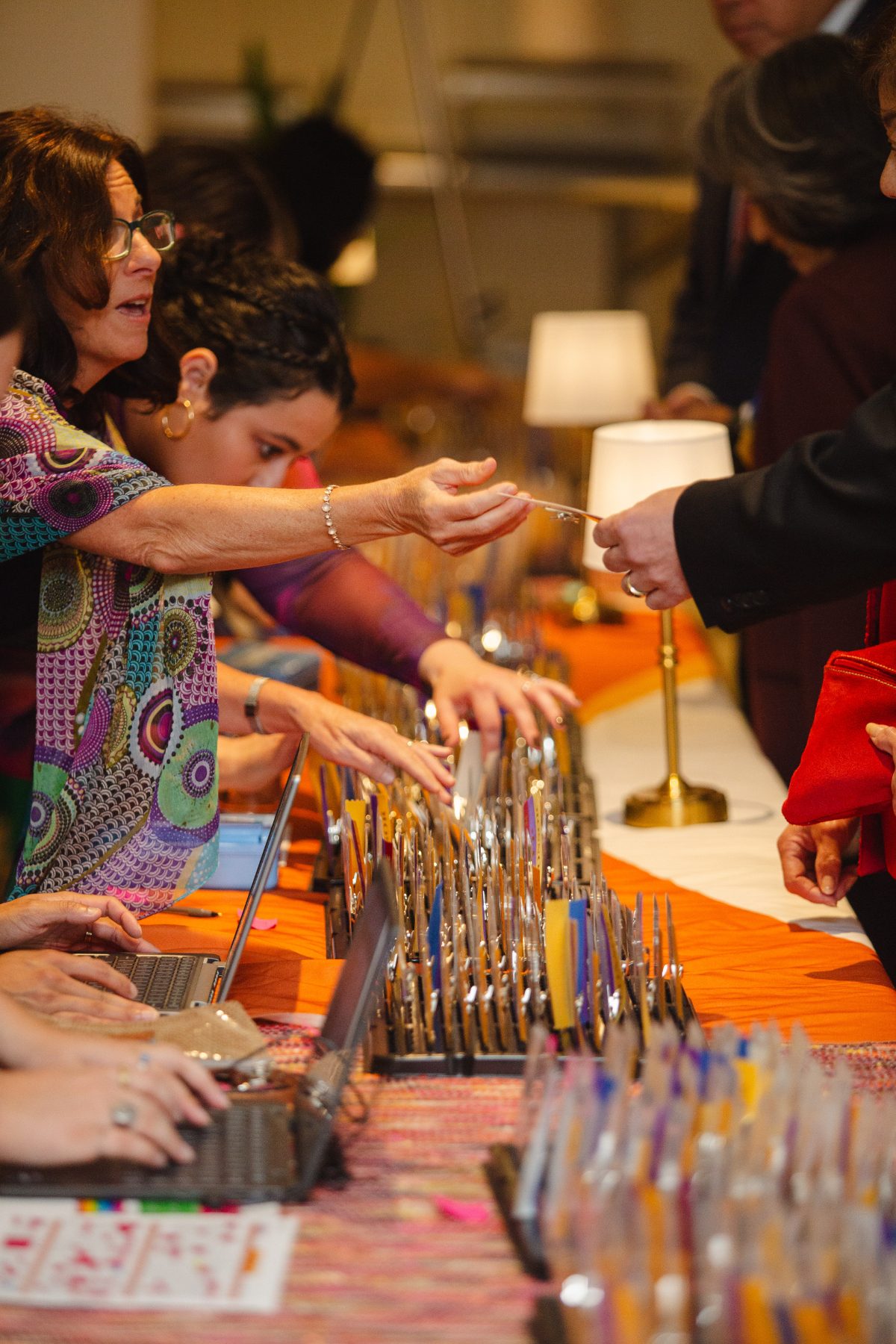
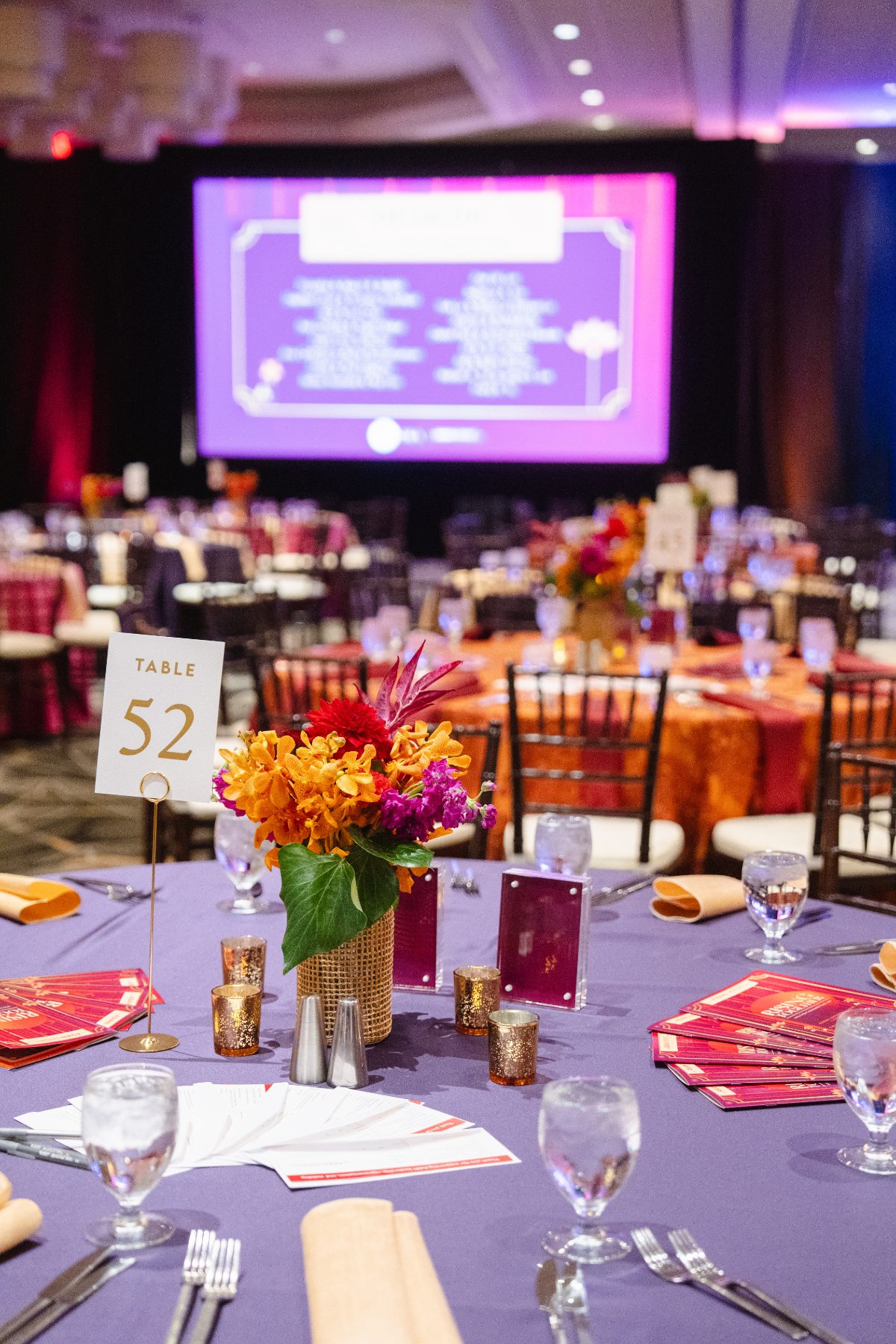
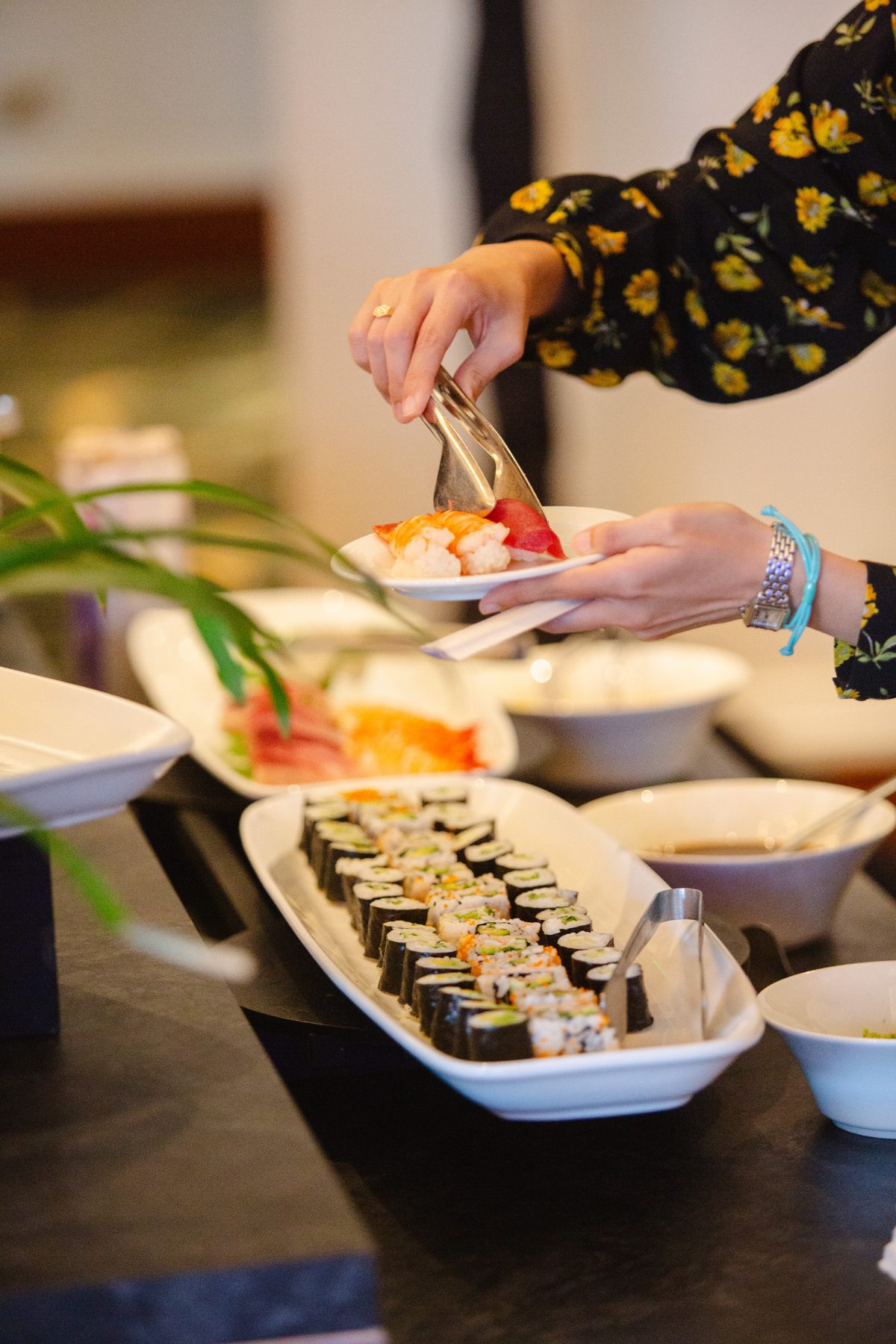
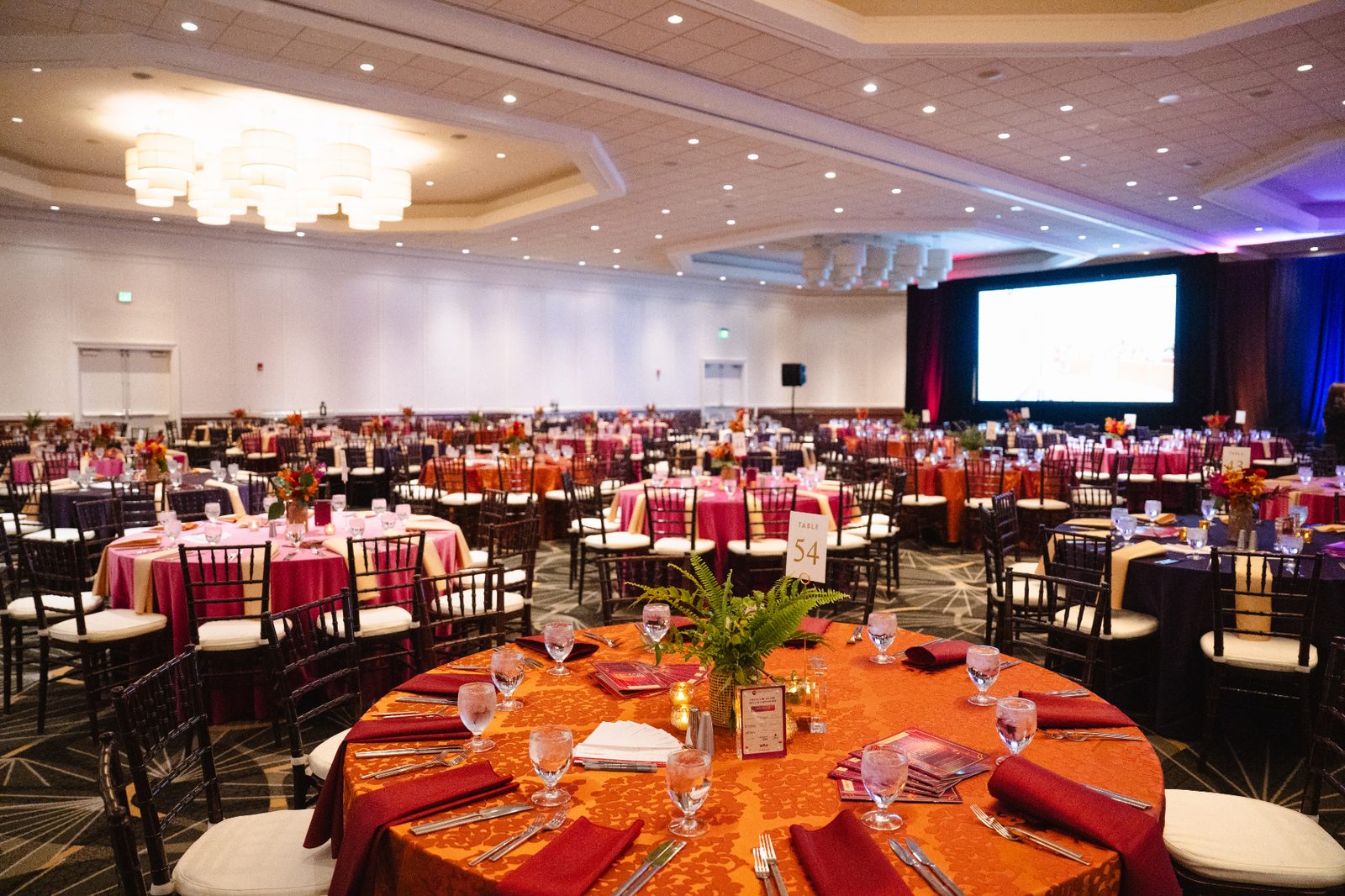
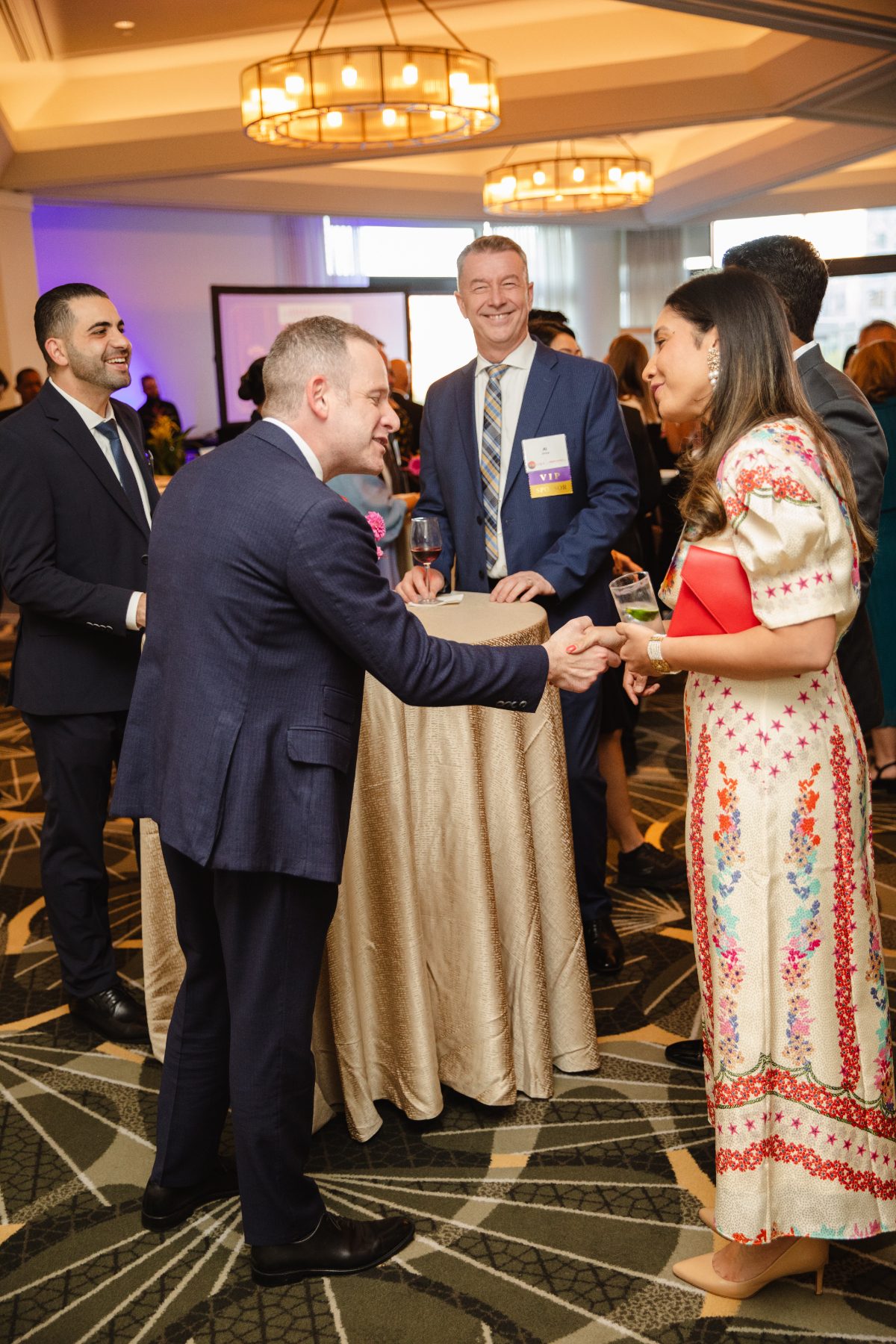
The second annual summit put the Massachusetts AAPI arts community in one room, artists and organizations and funders all together. It grew out of Making Waves, the ACF report on the state of the AAPI arts and culture sector, which finally put numbers to gaps everyone already felt.
Earlier that year the AAPI Arts and Culture Collaborative gave out its first Narrative Change Grants, $115,000 across 13 artists and organizations chosen from nearly 150 applicants.
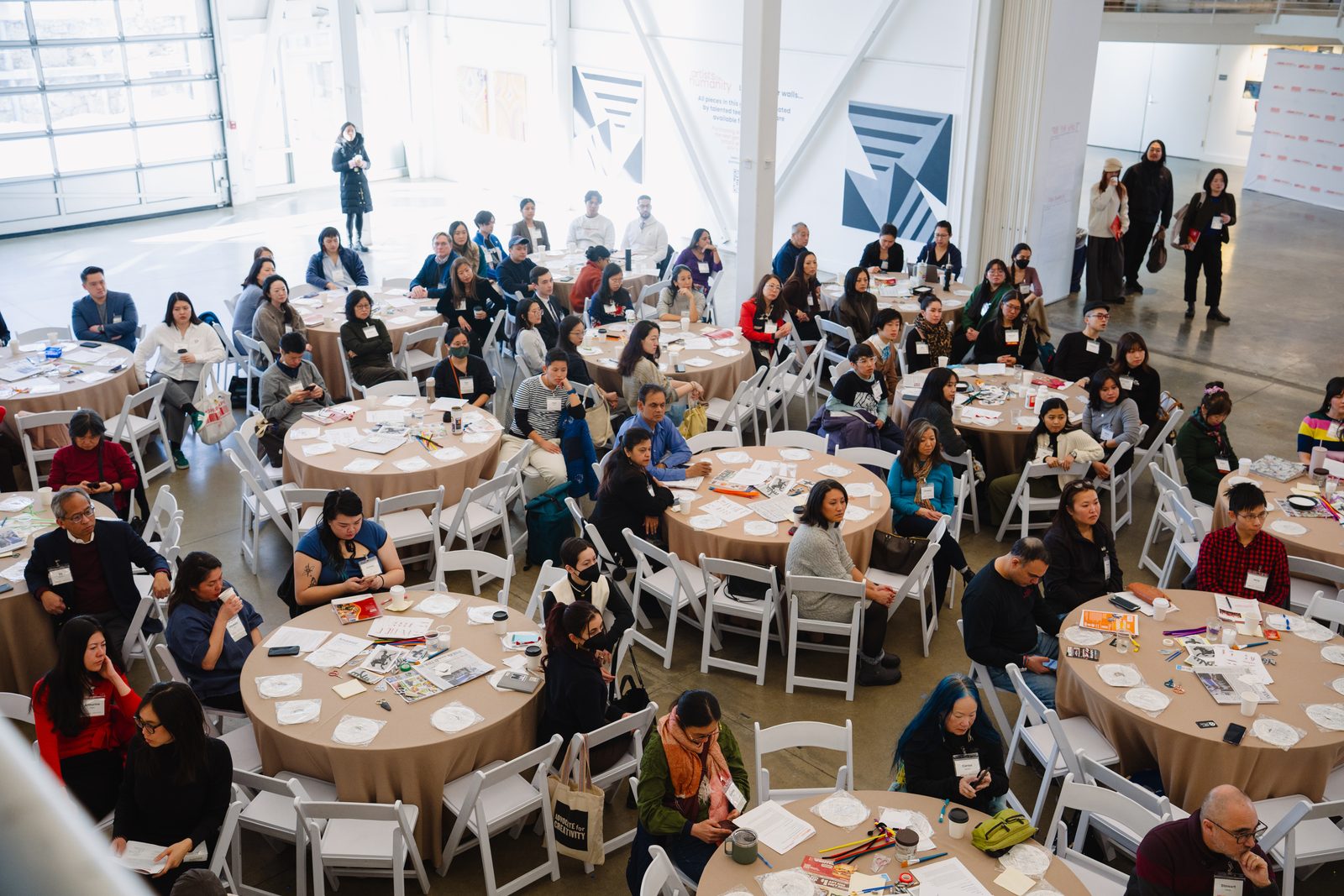
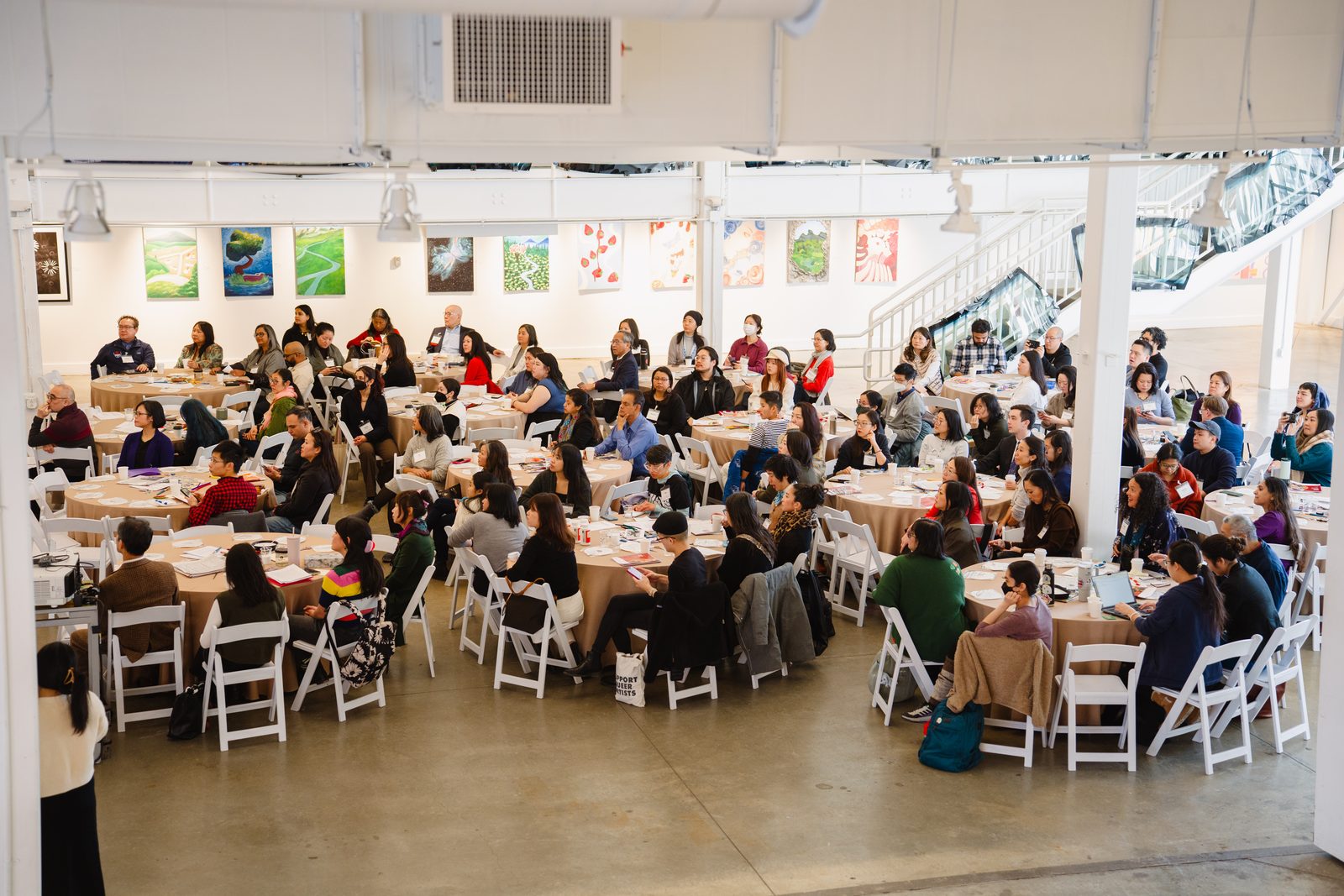
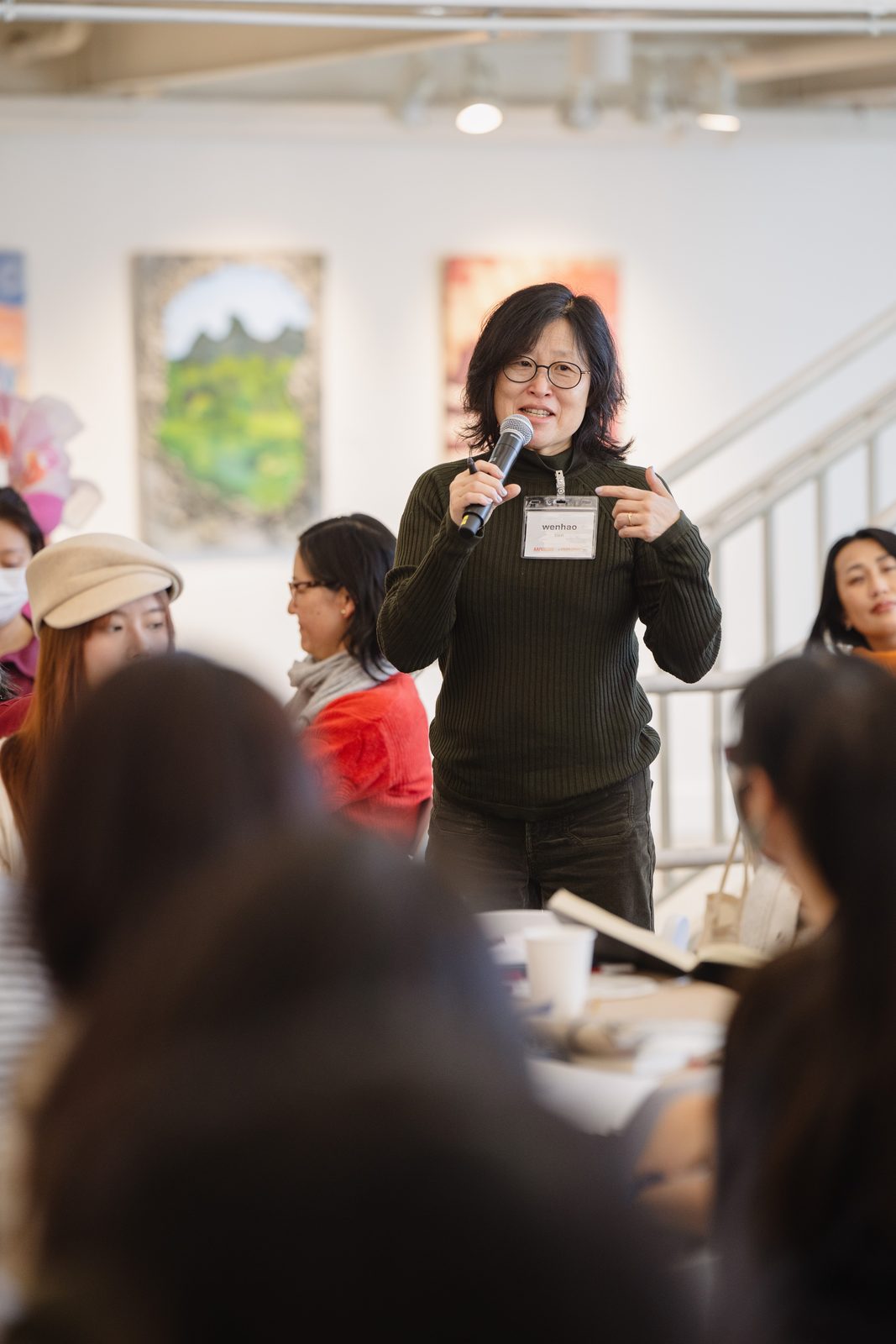
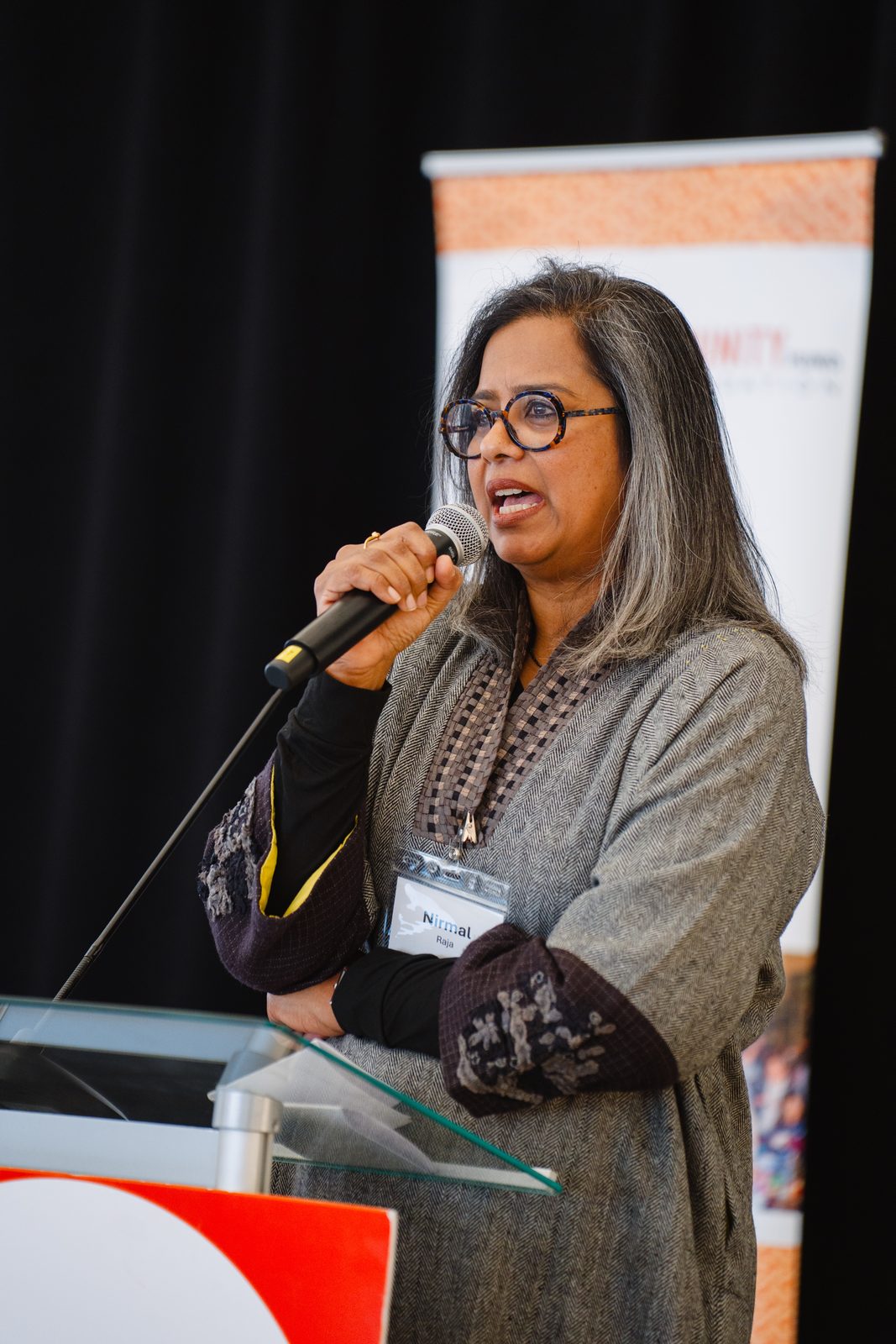
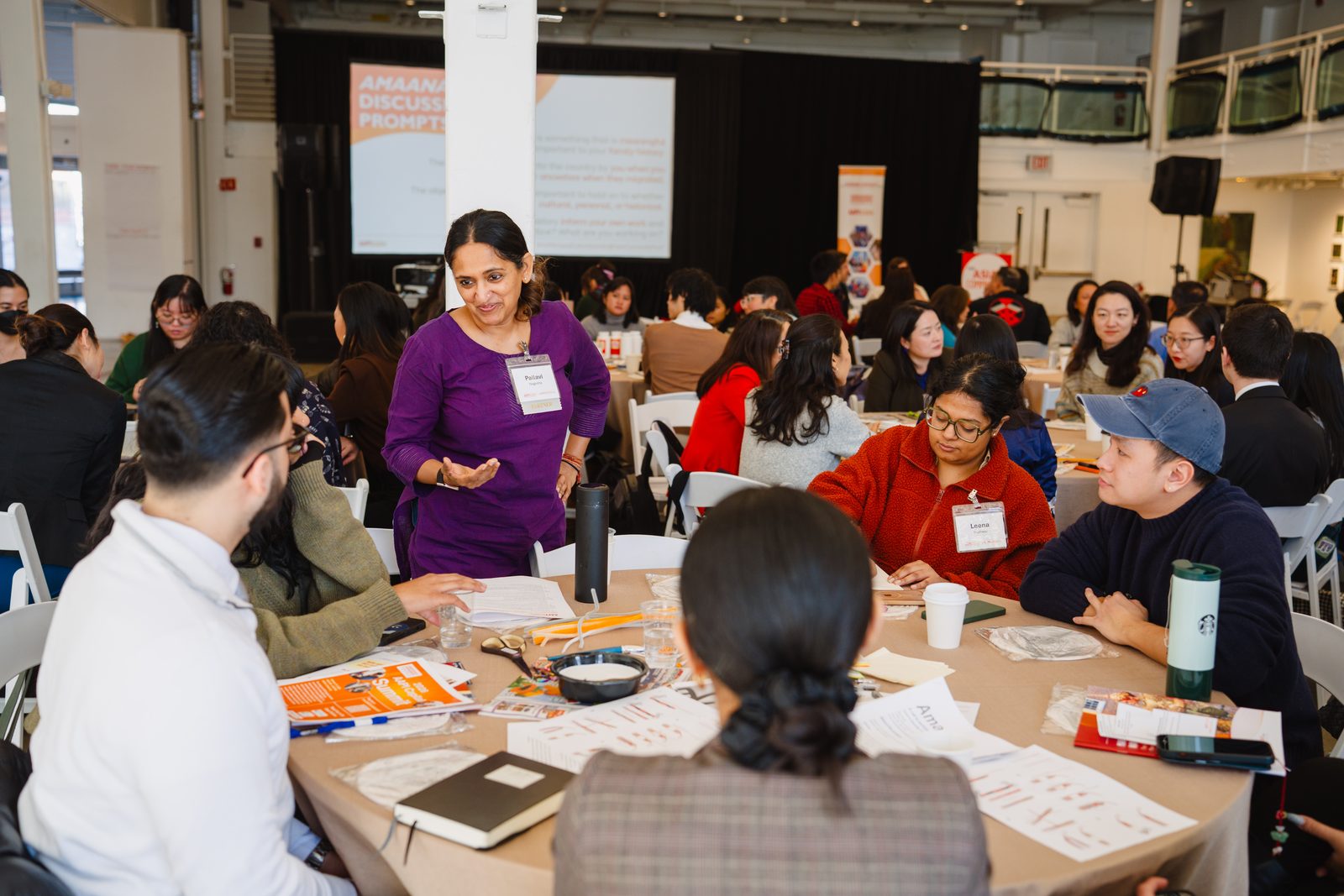
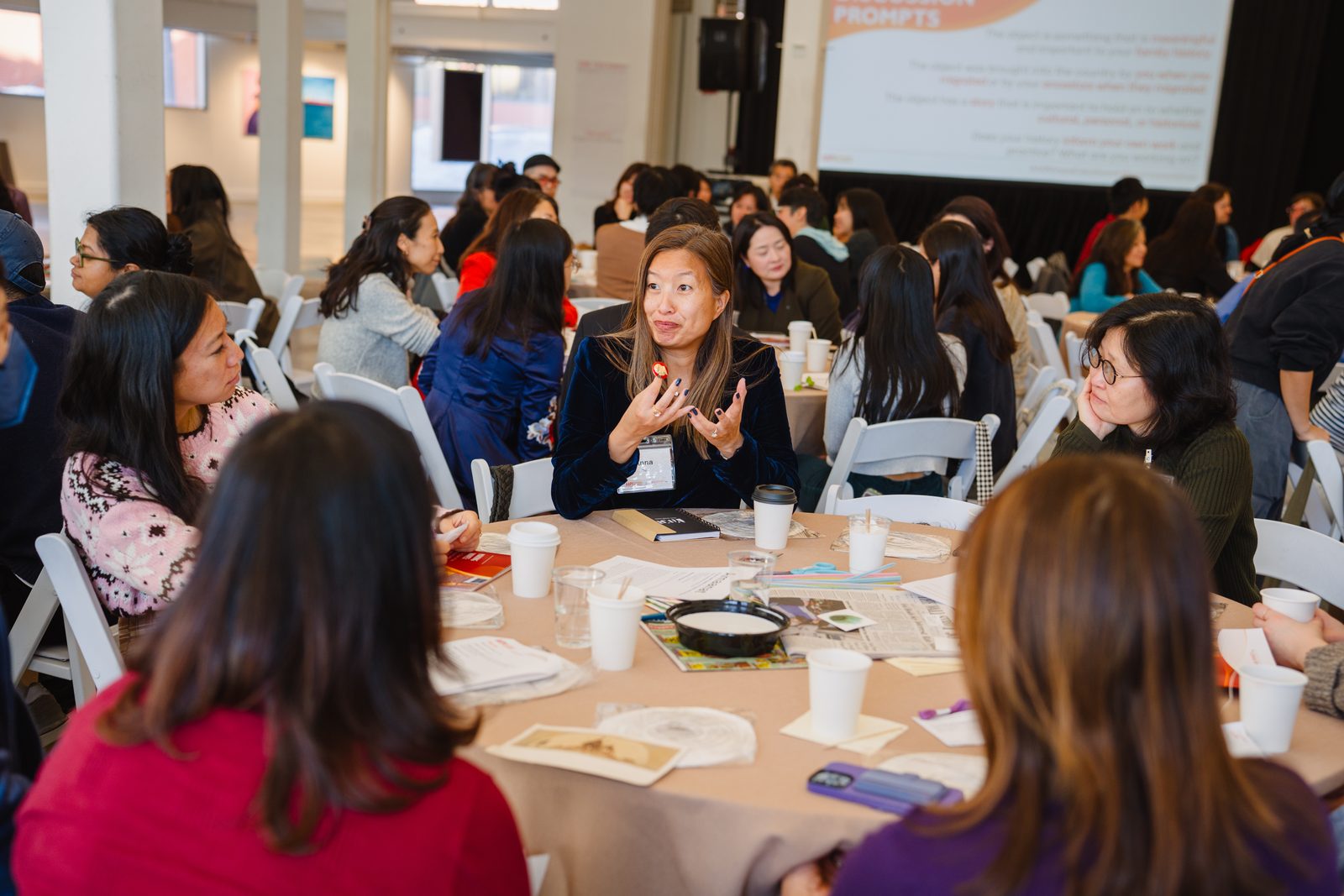
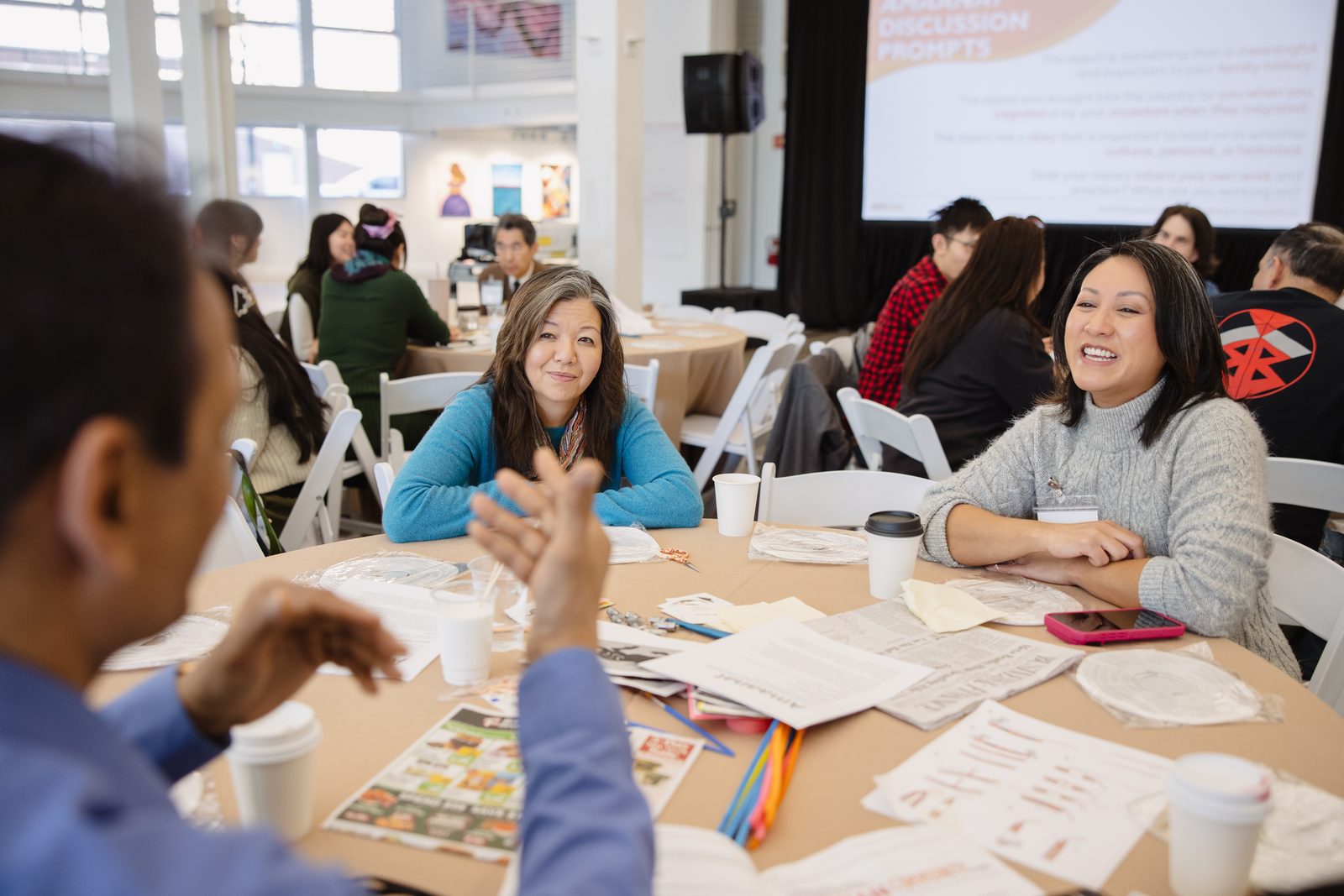
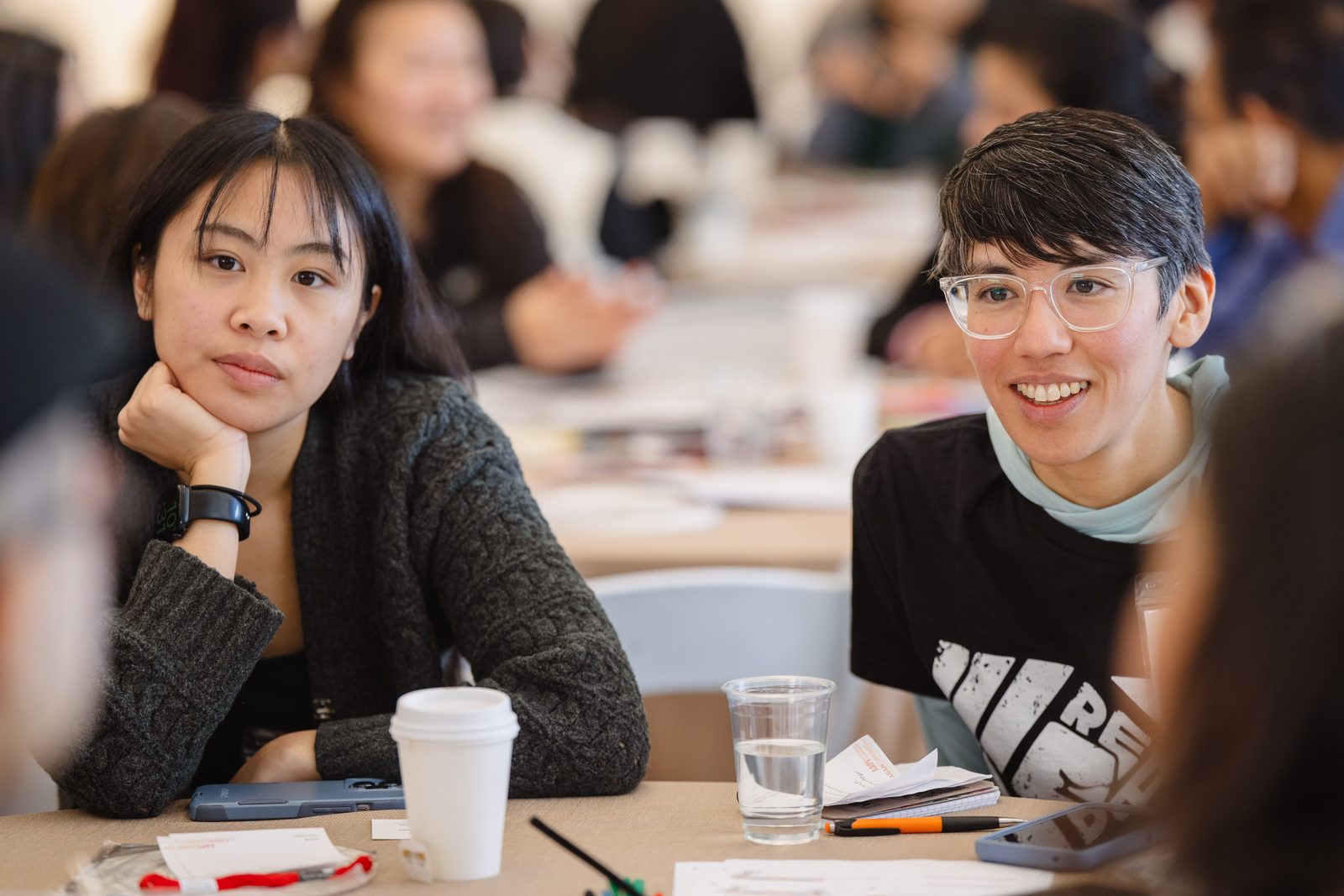
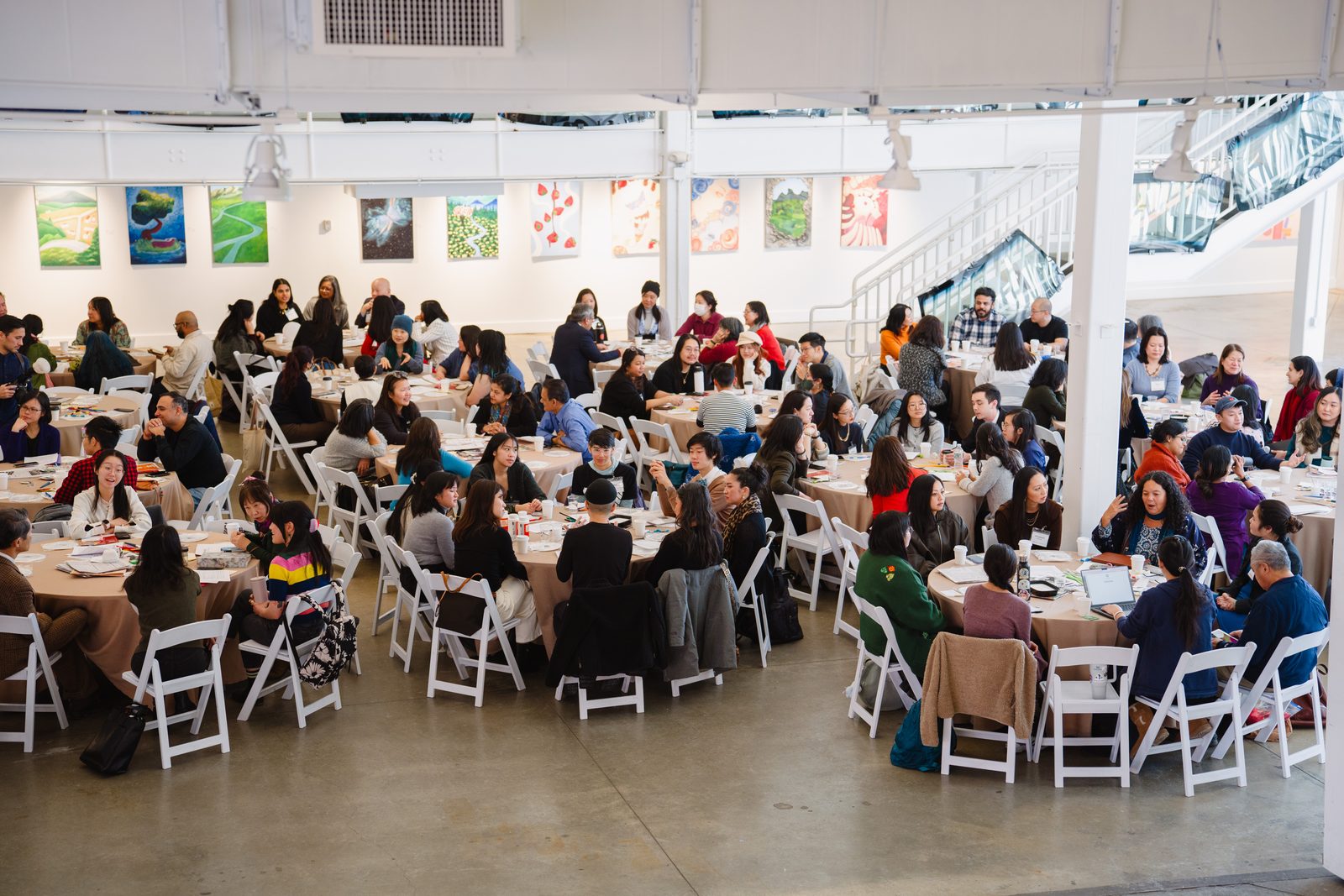
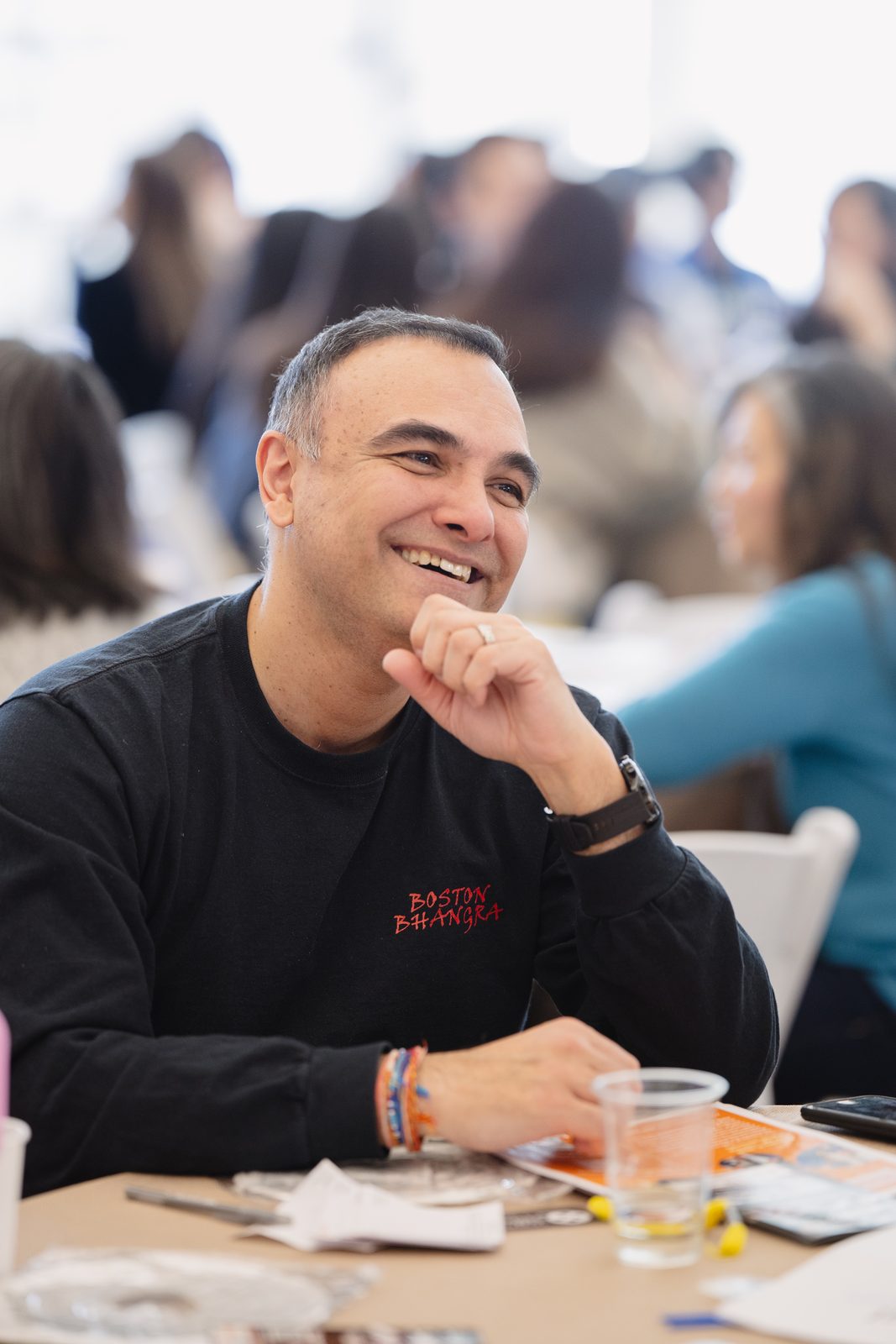
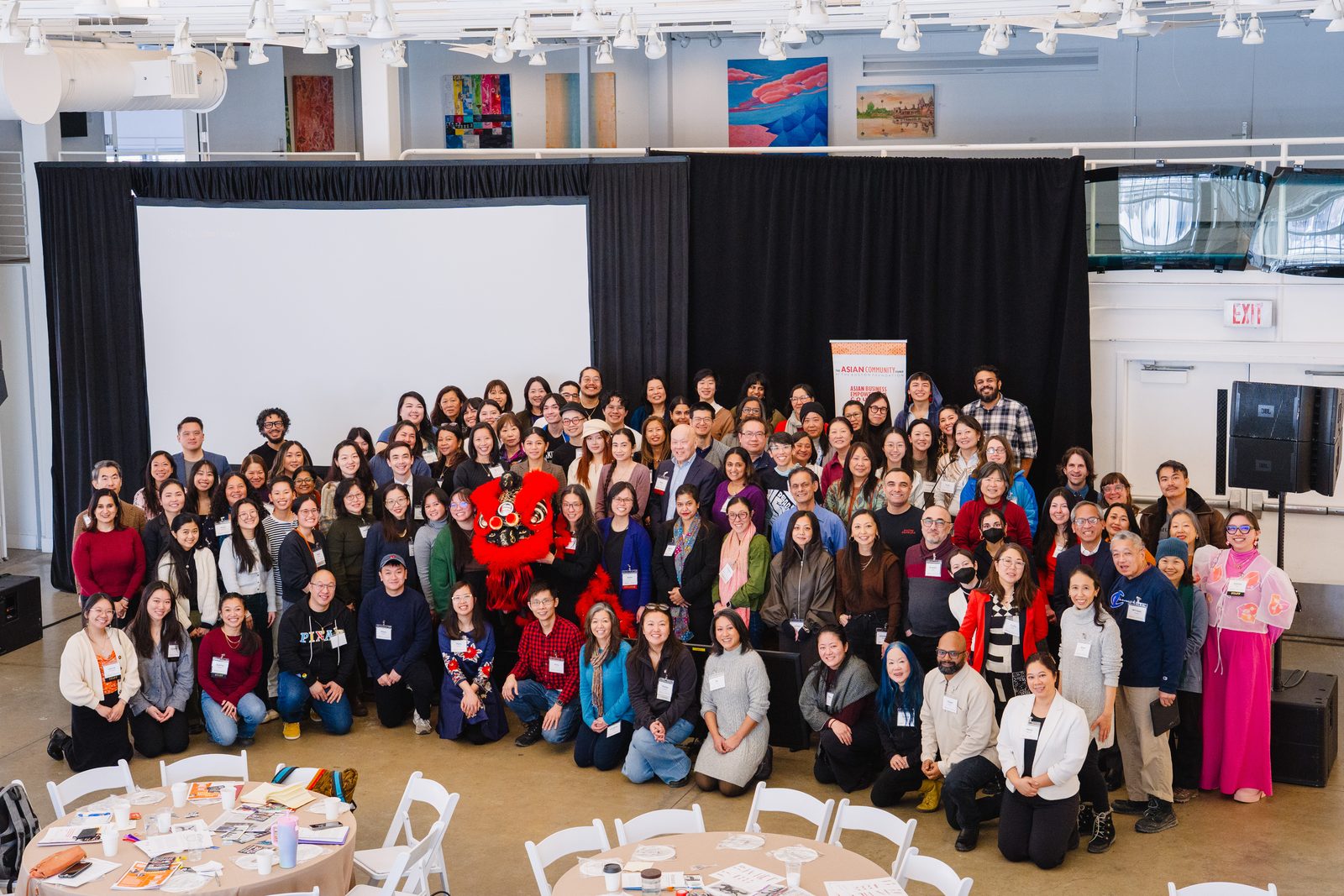
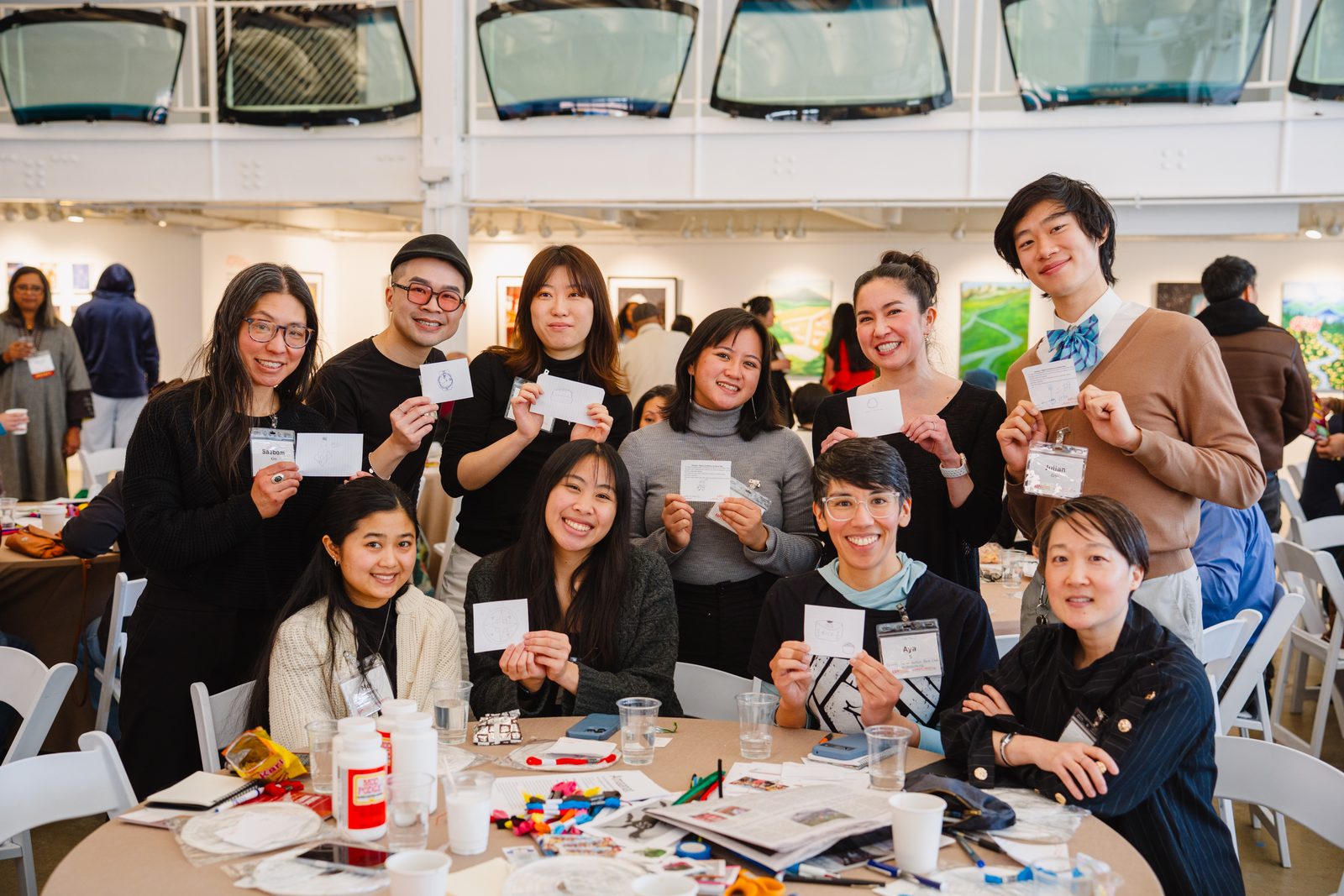
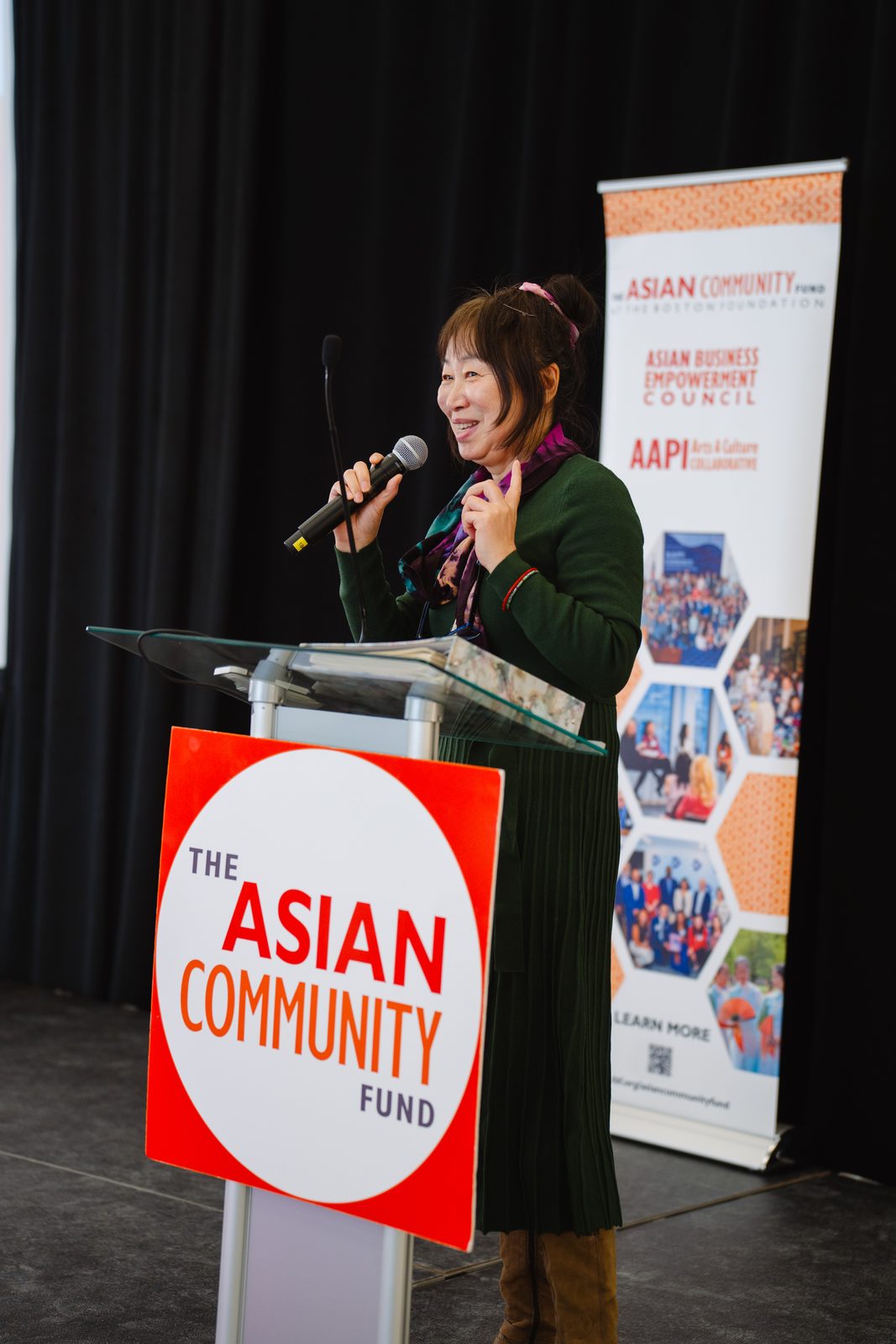
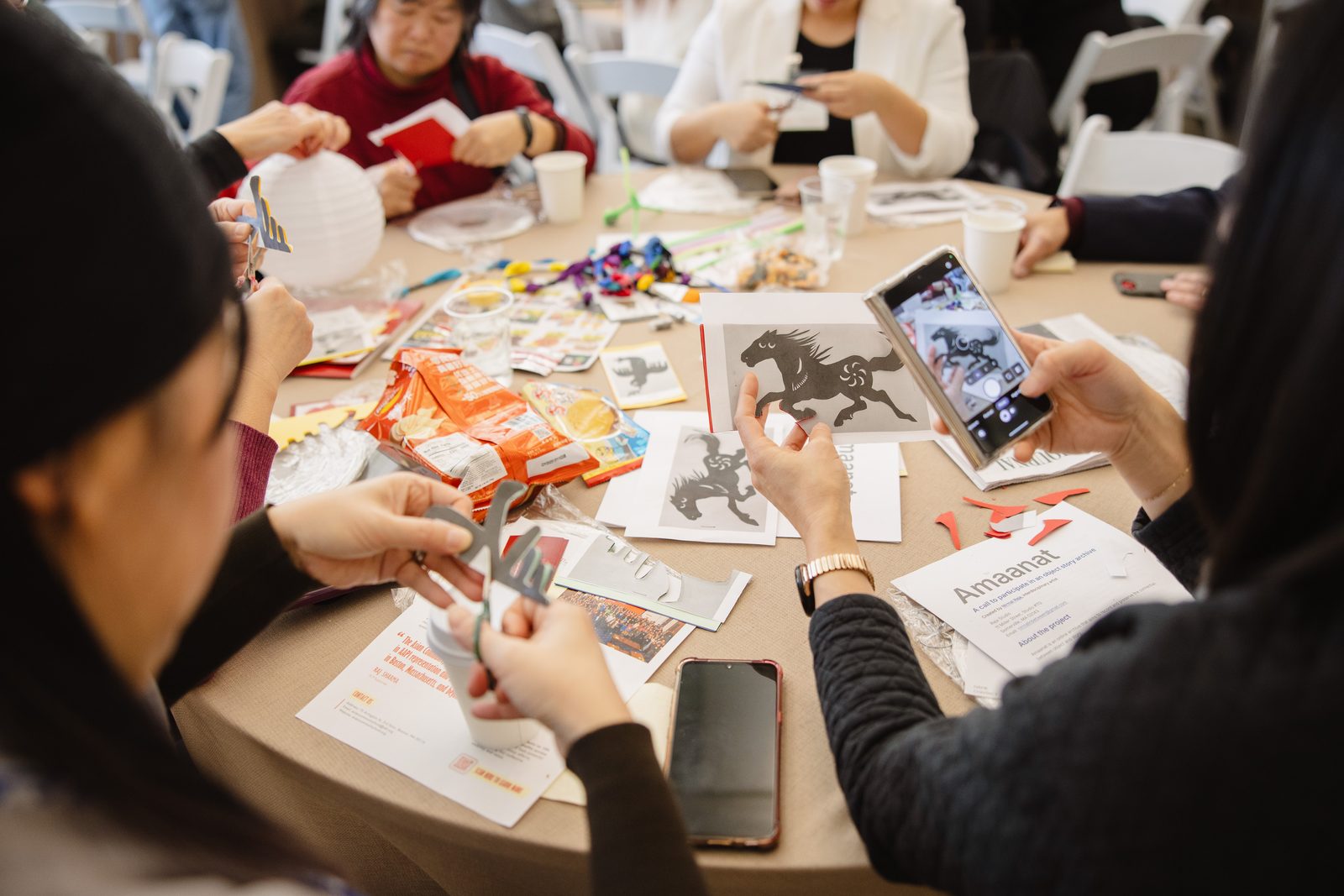
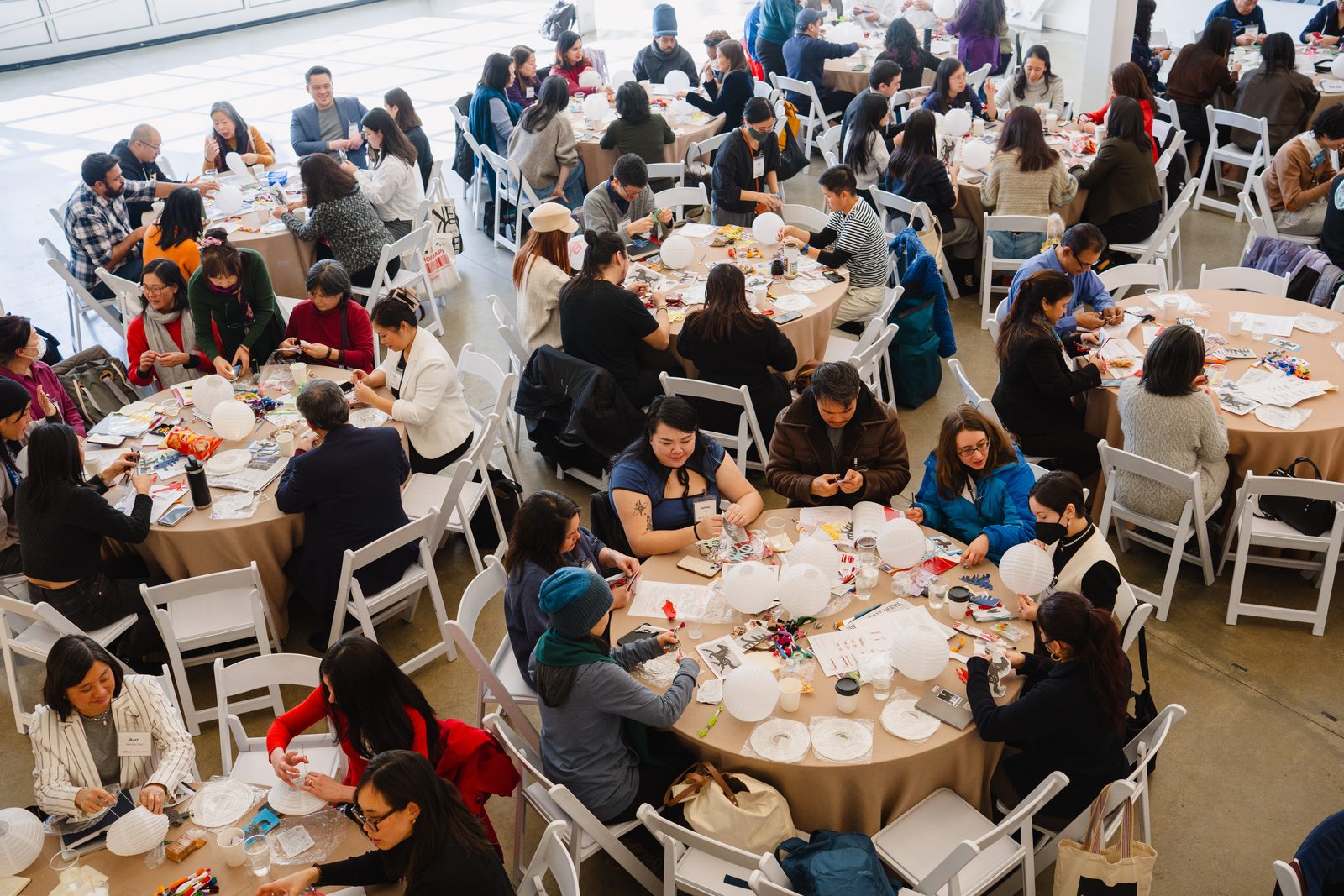
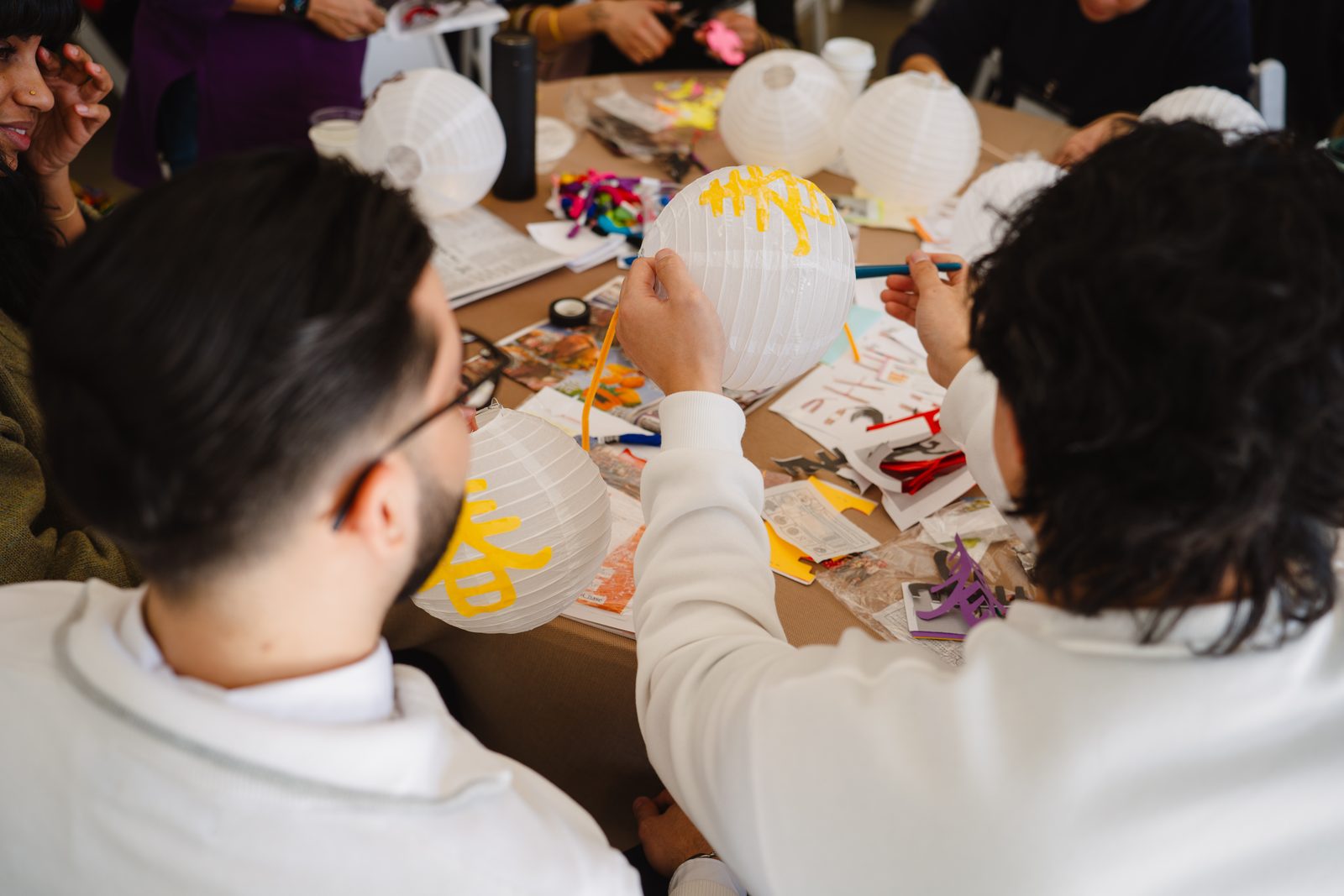
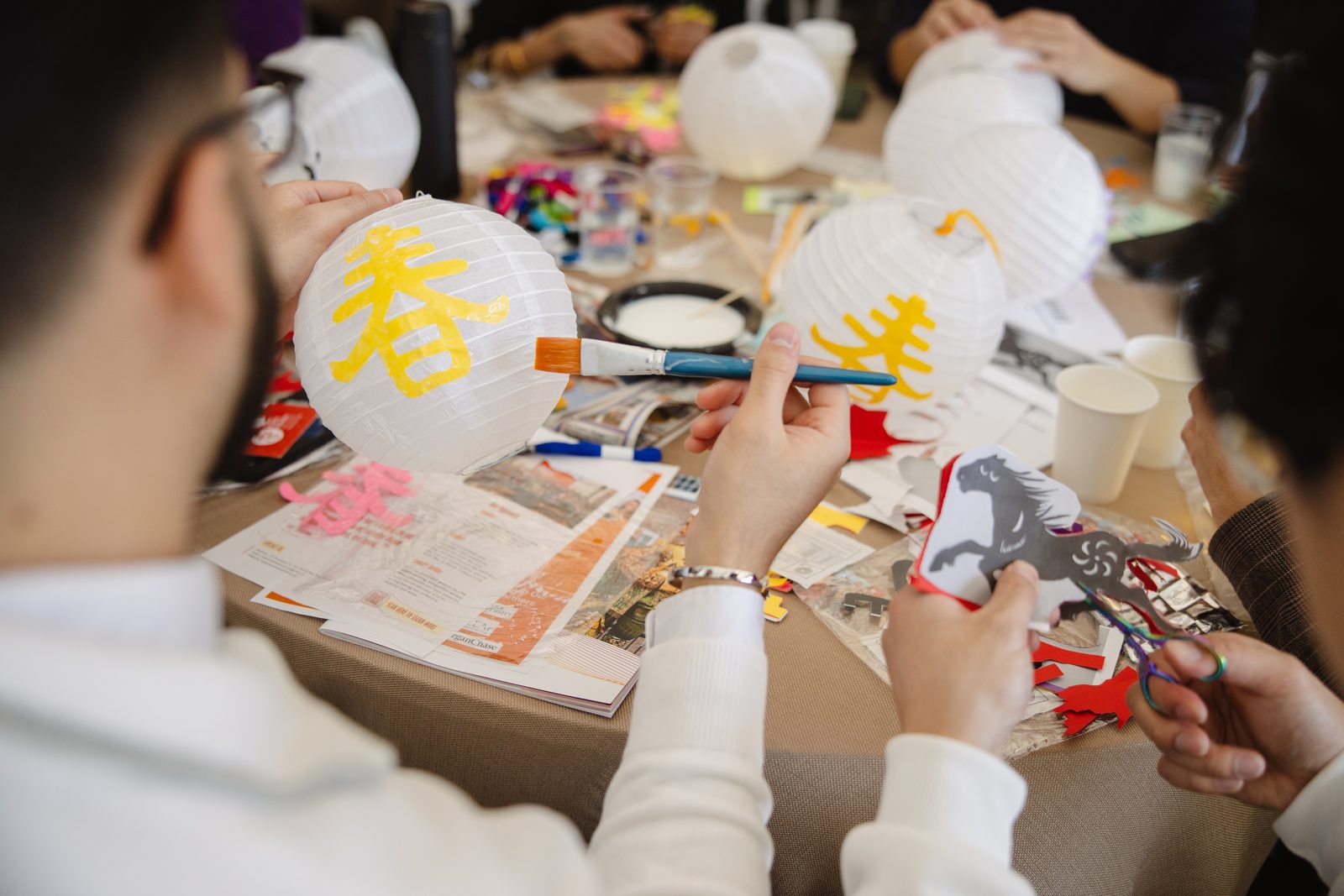
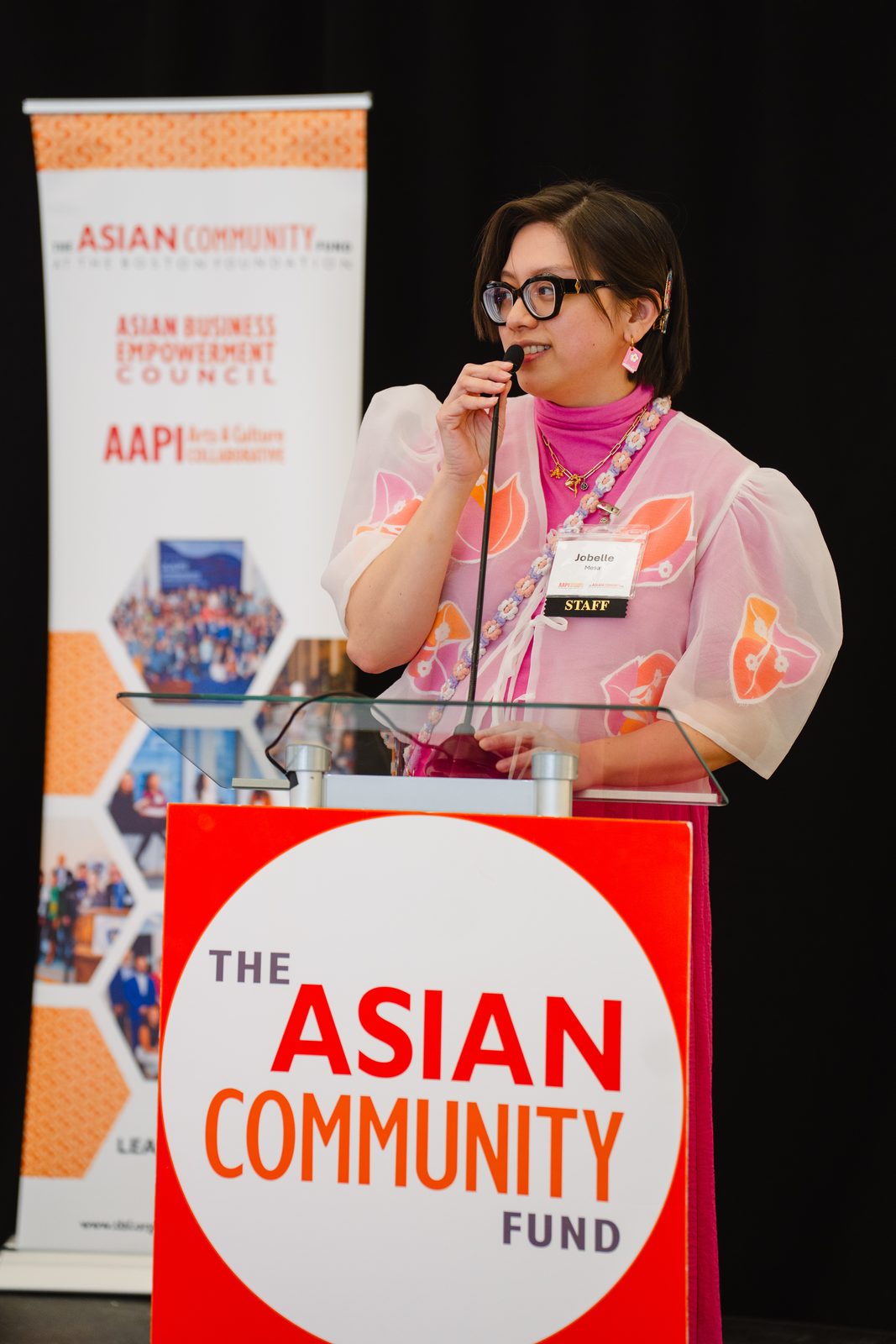
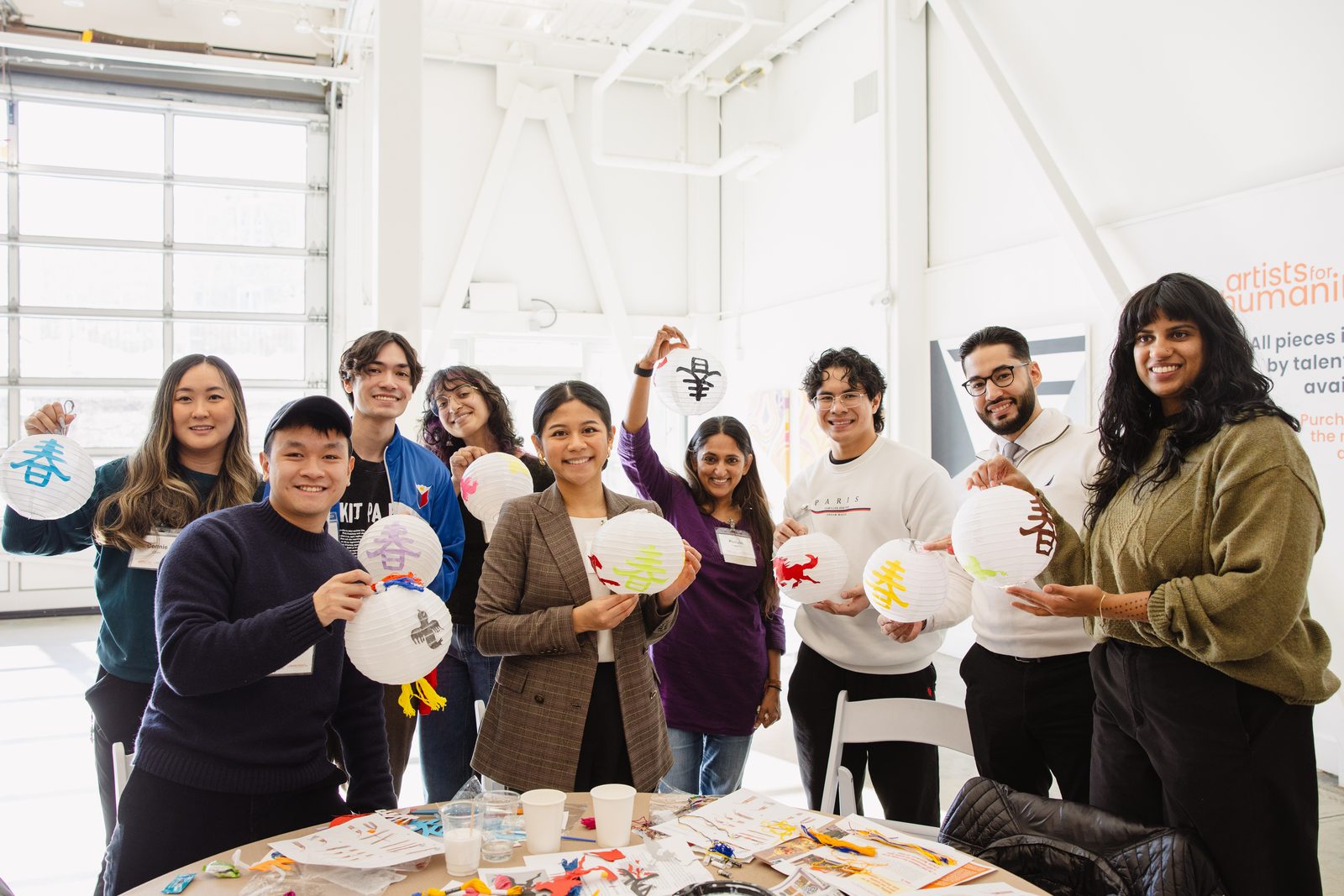
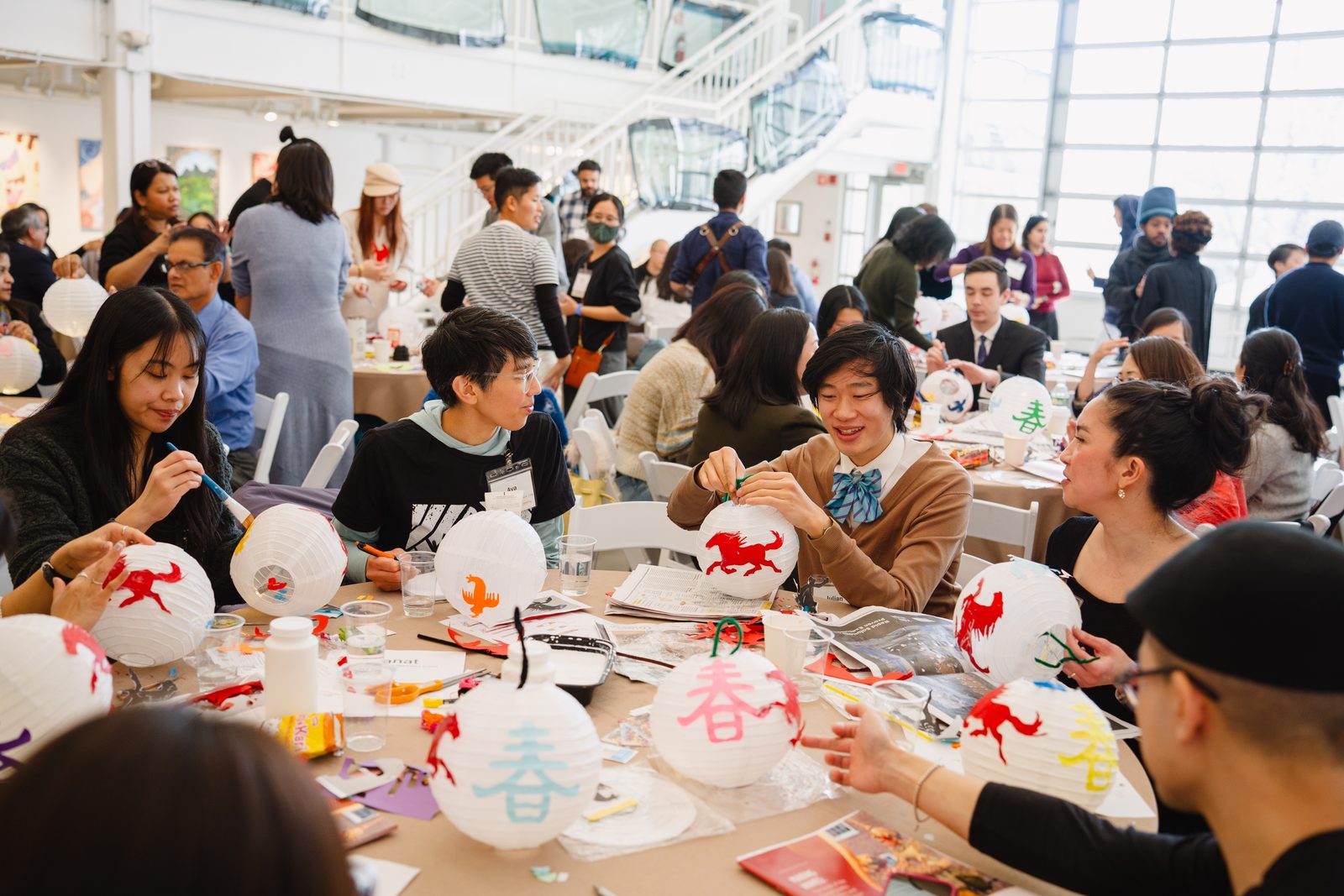
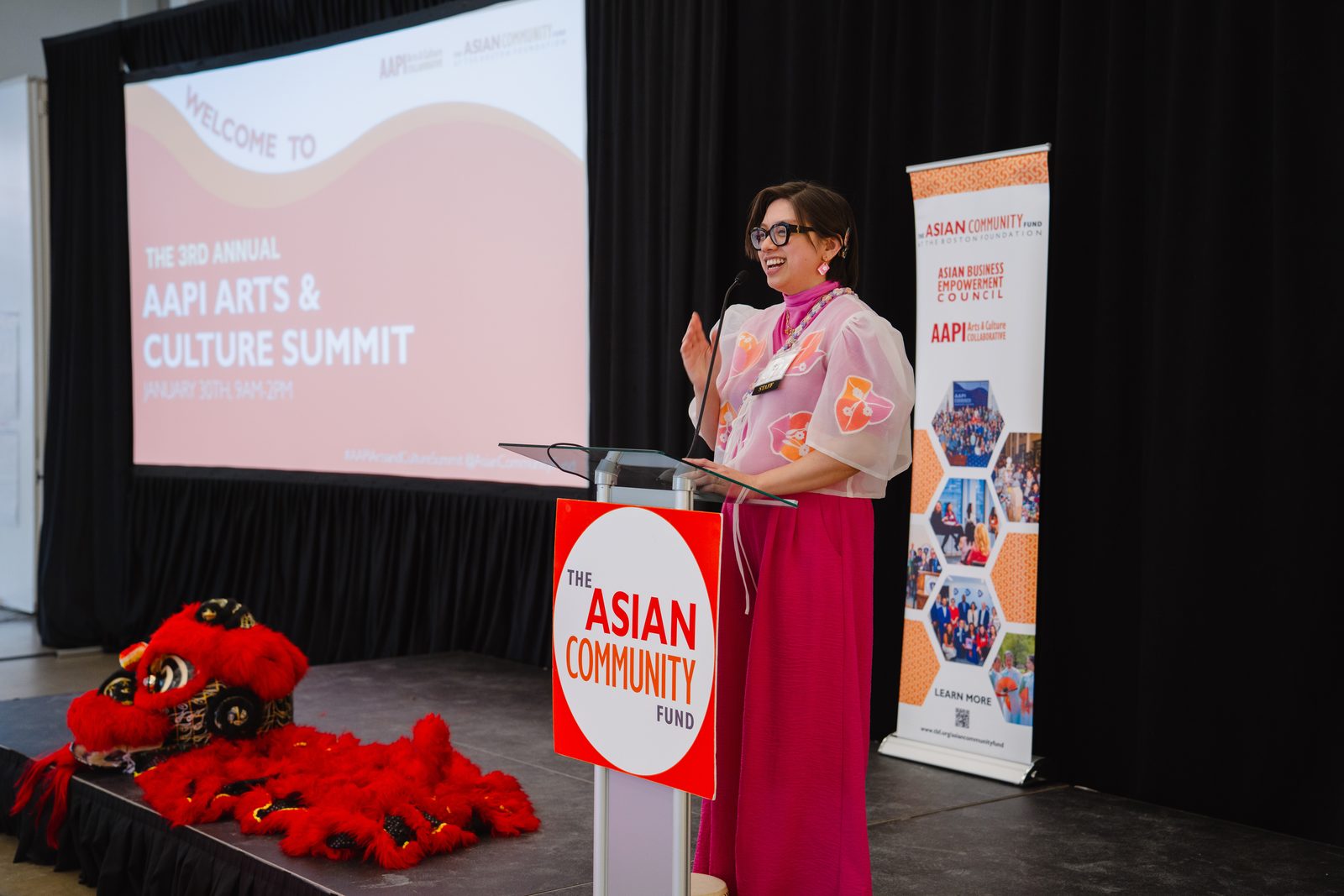
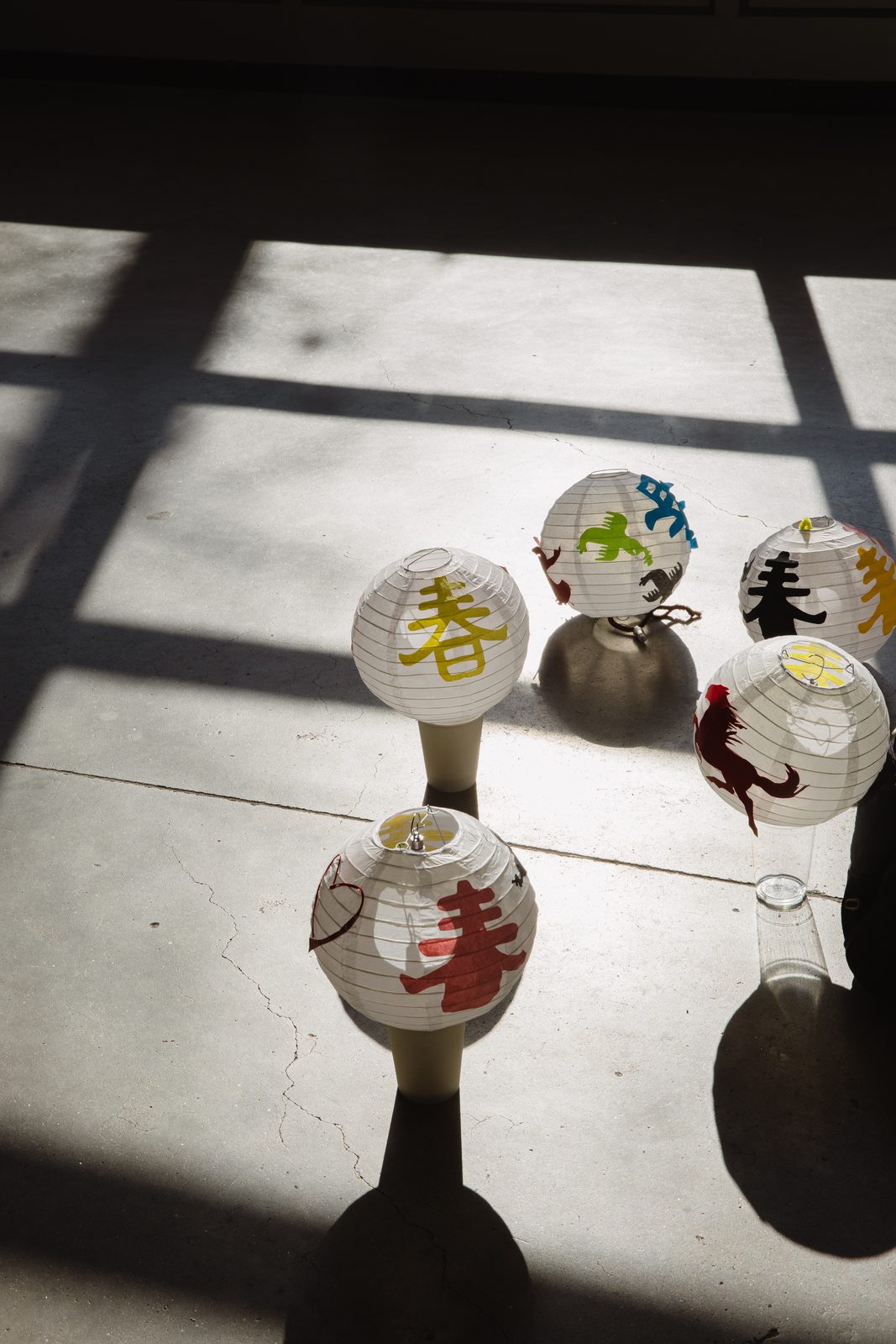
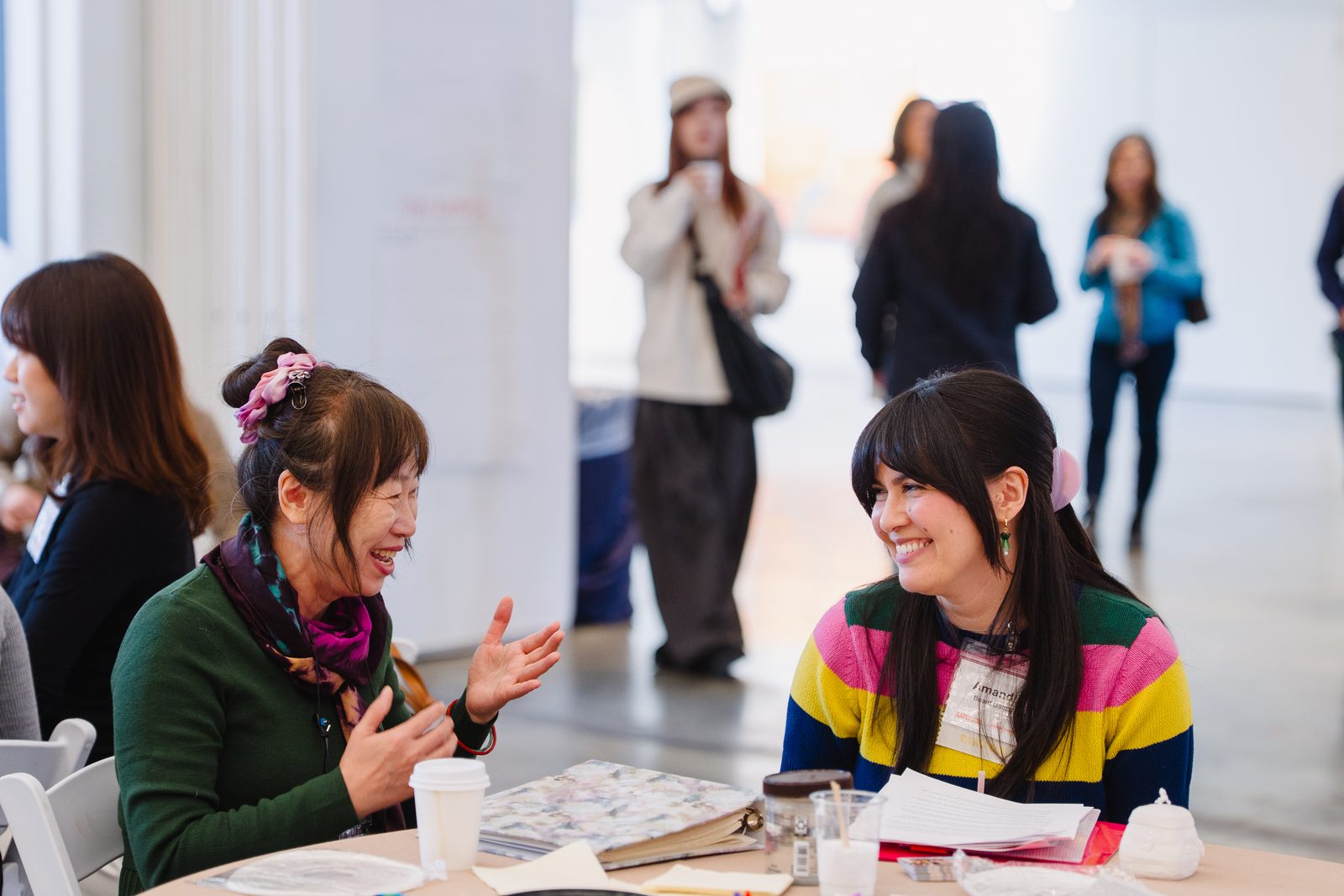
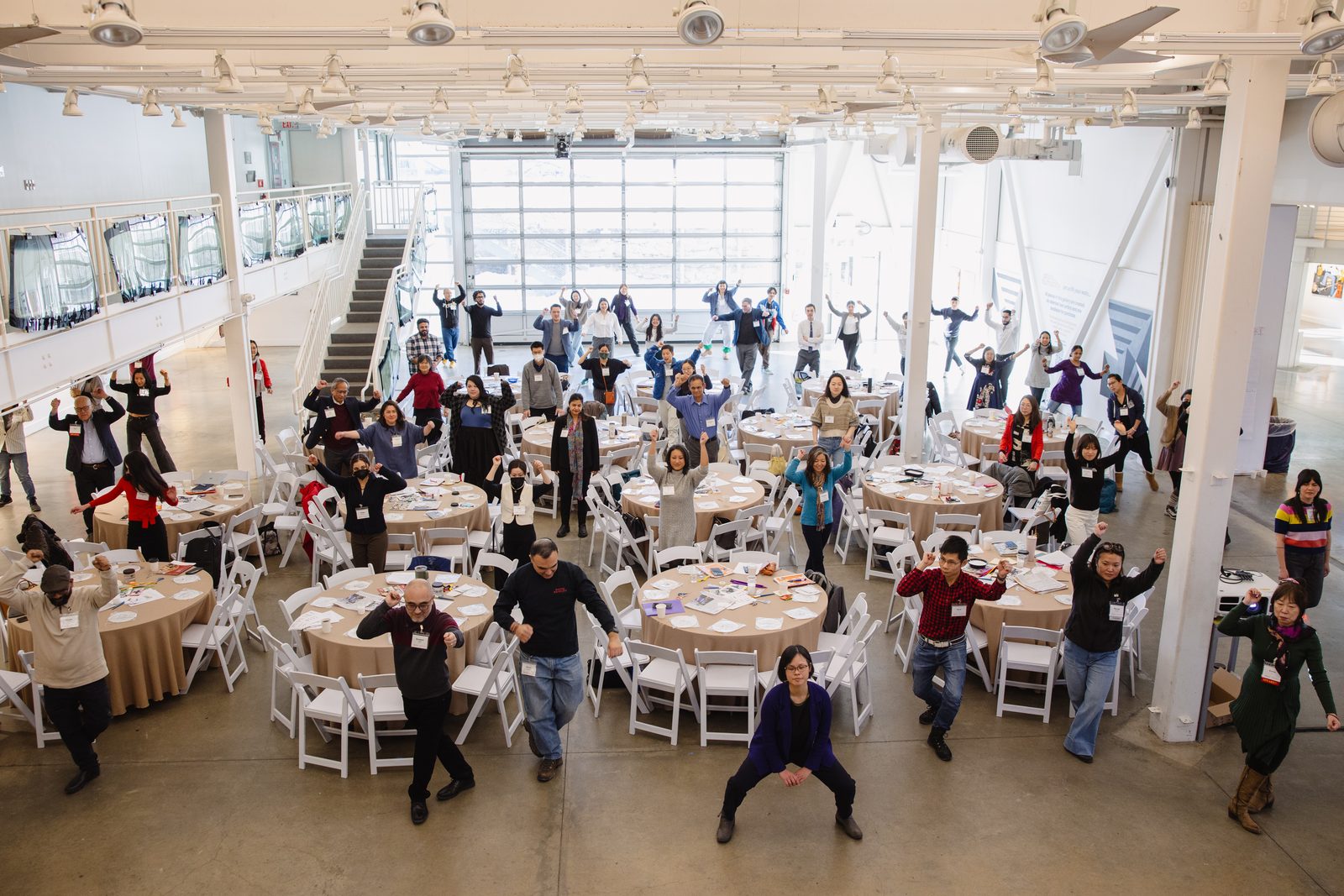
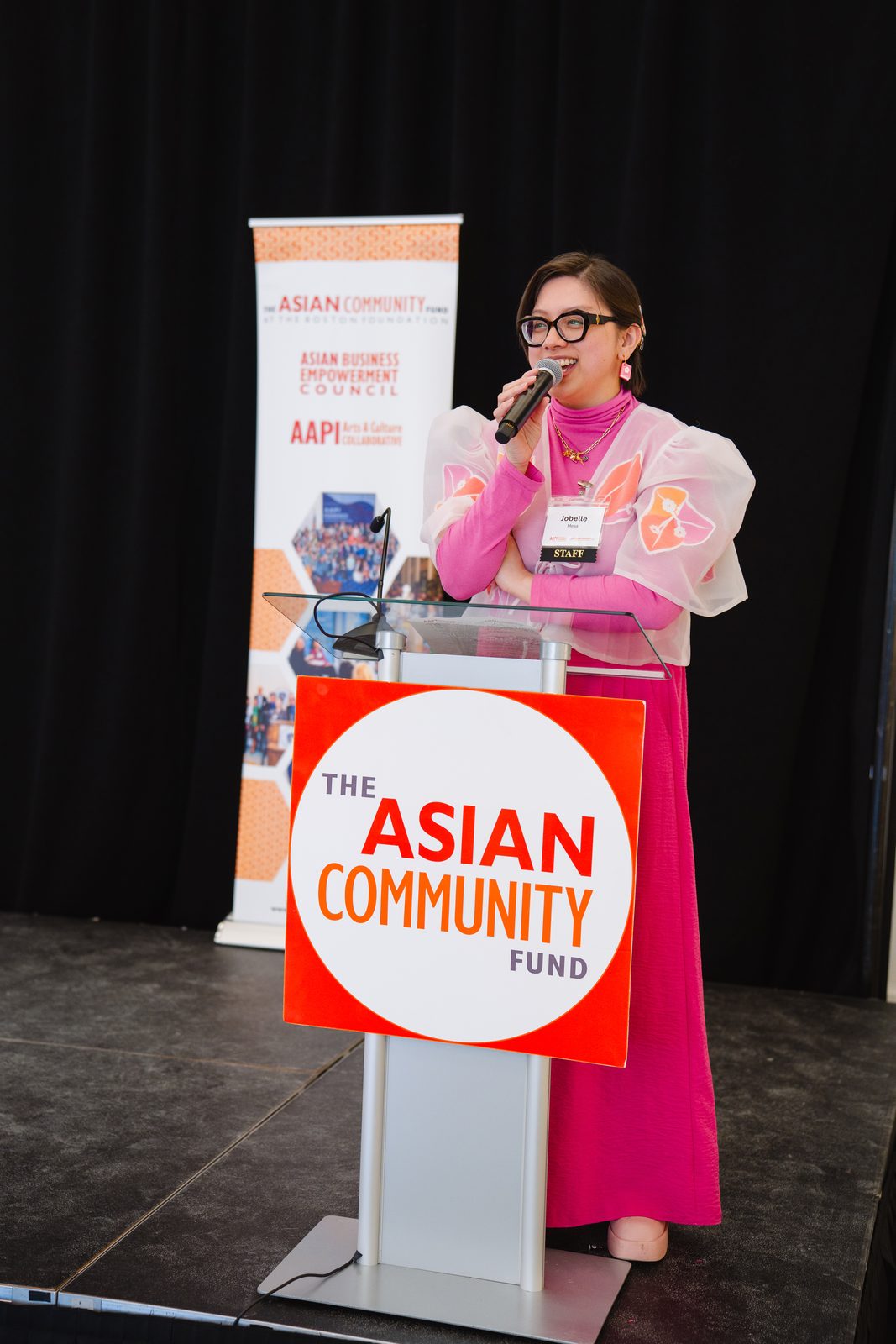
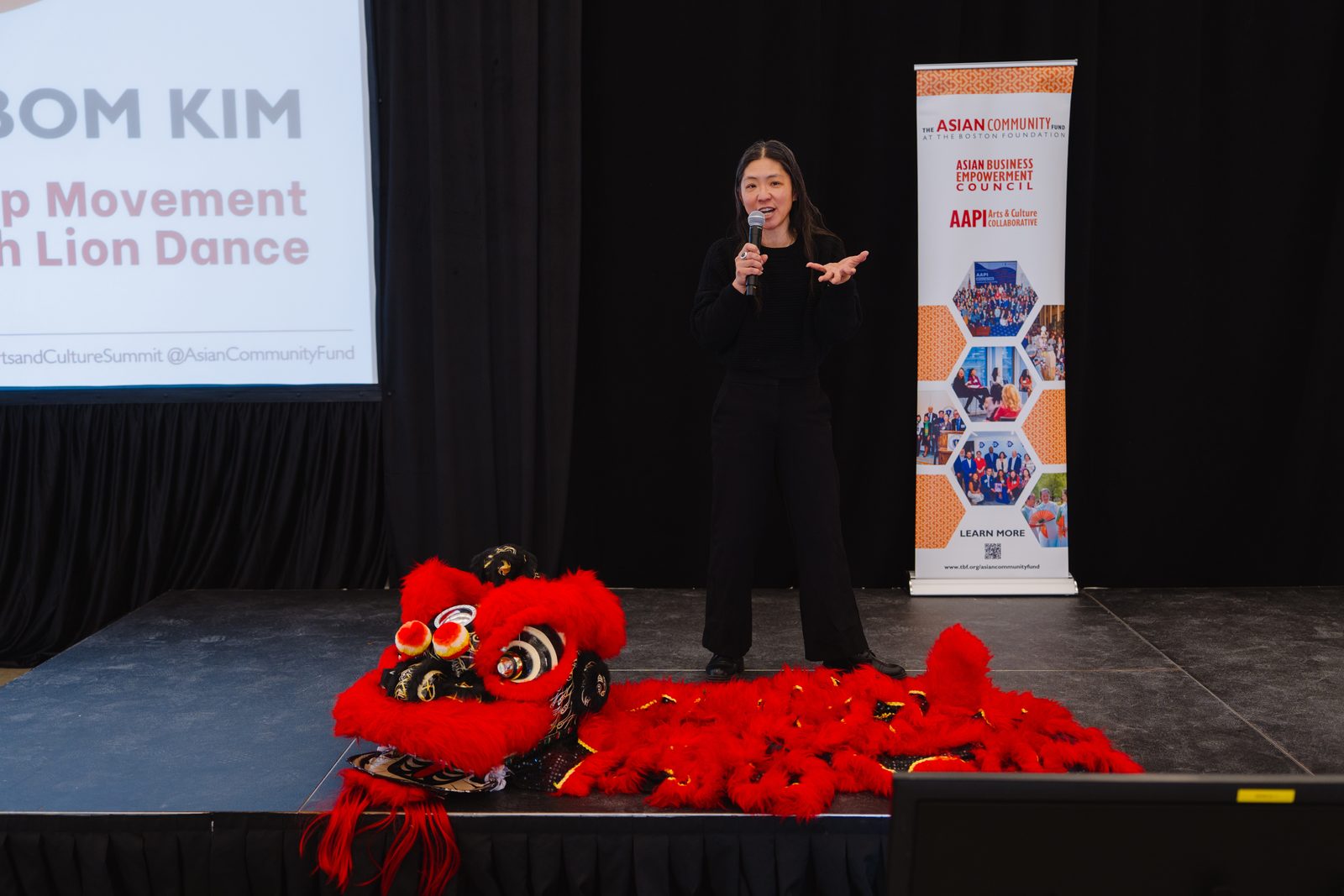
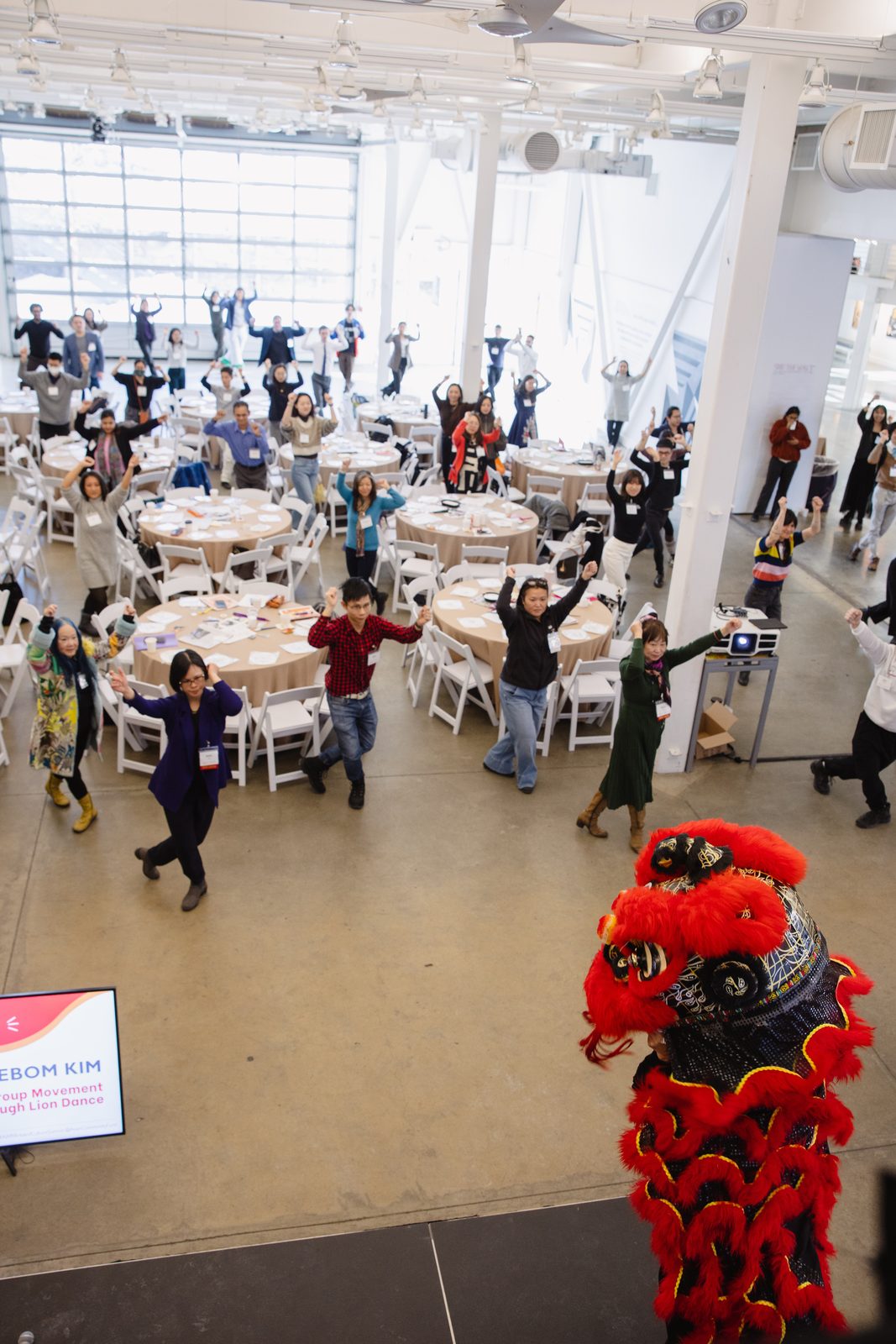
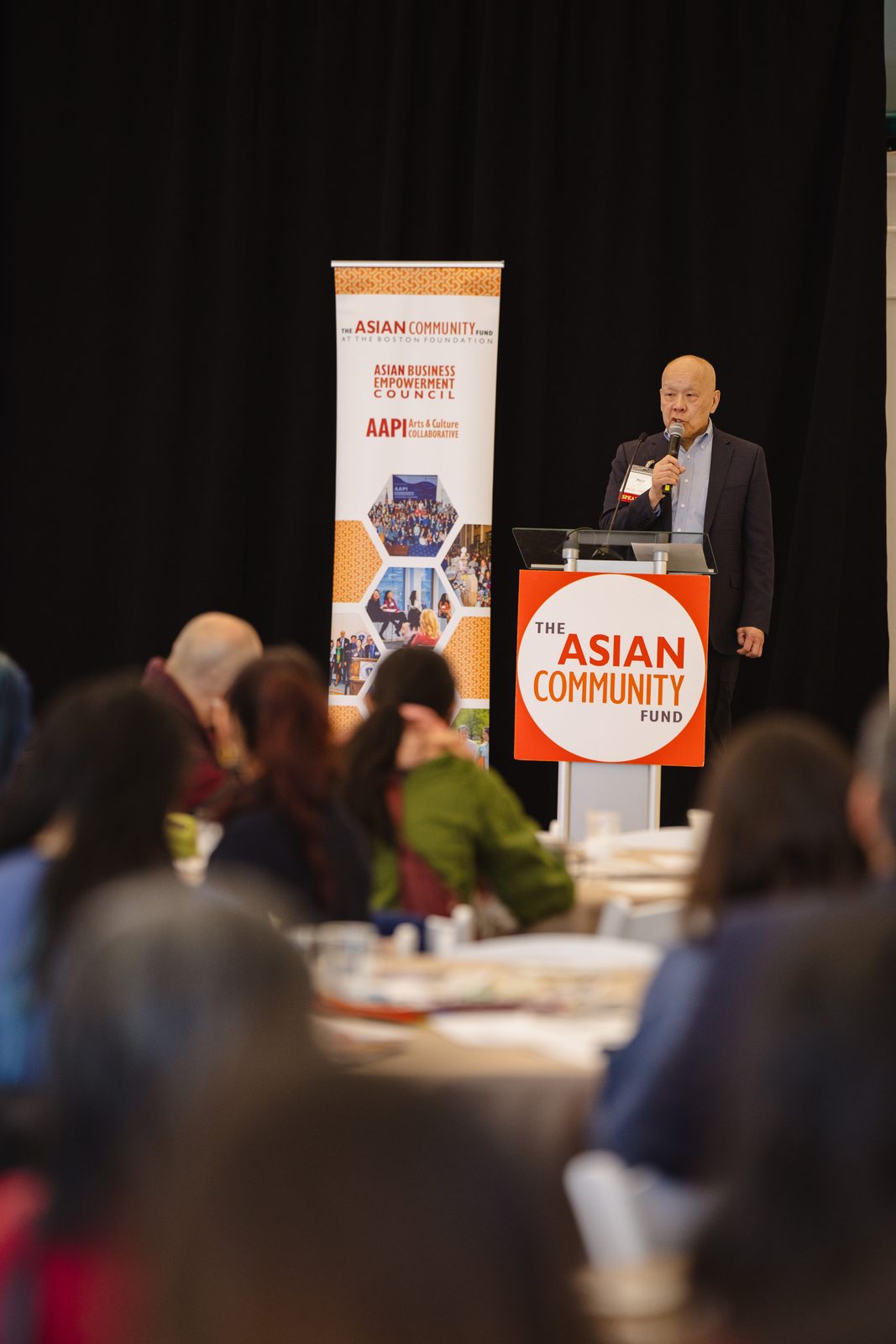
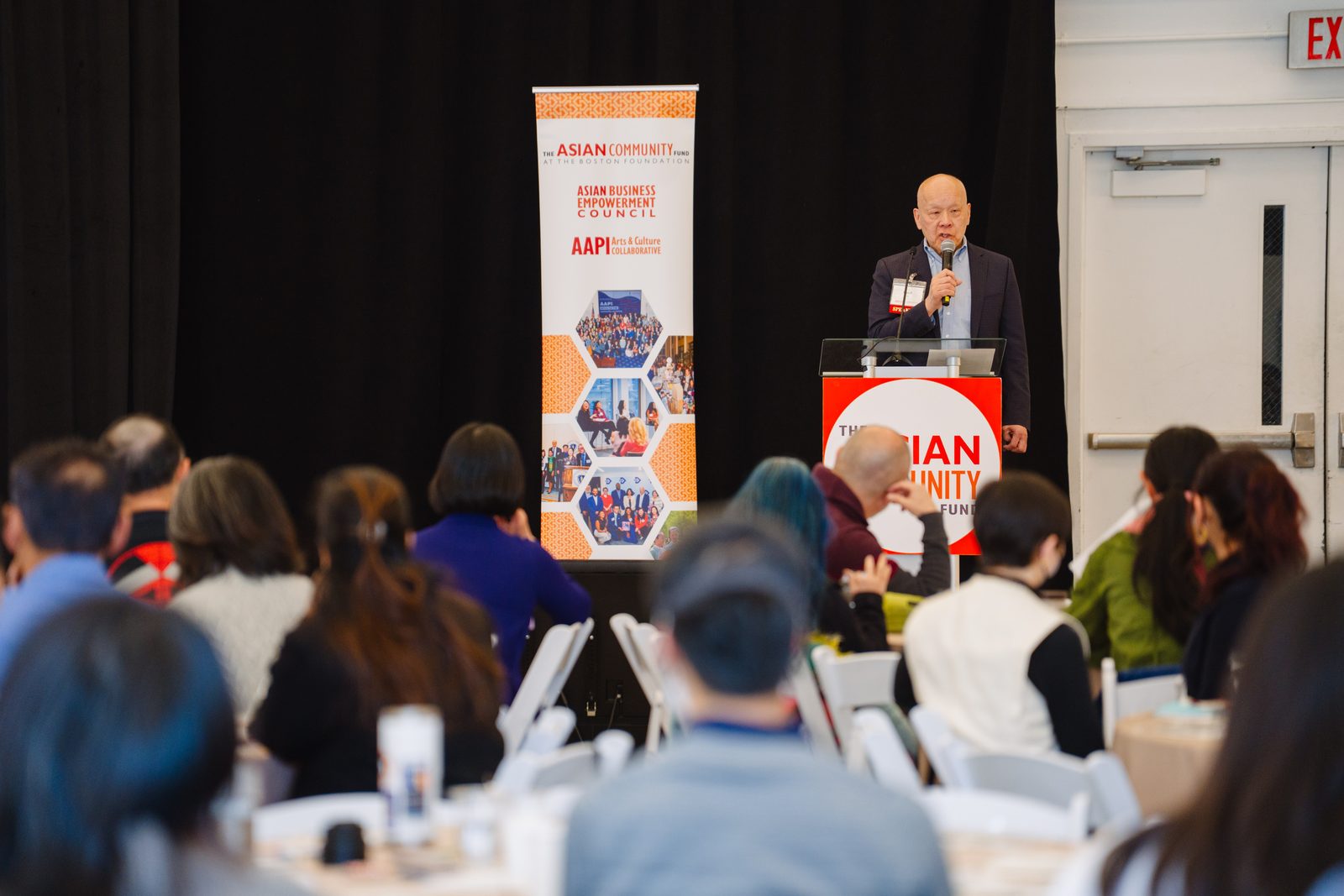
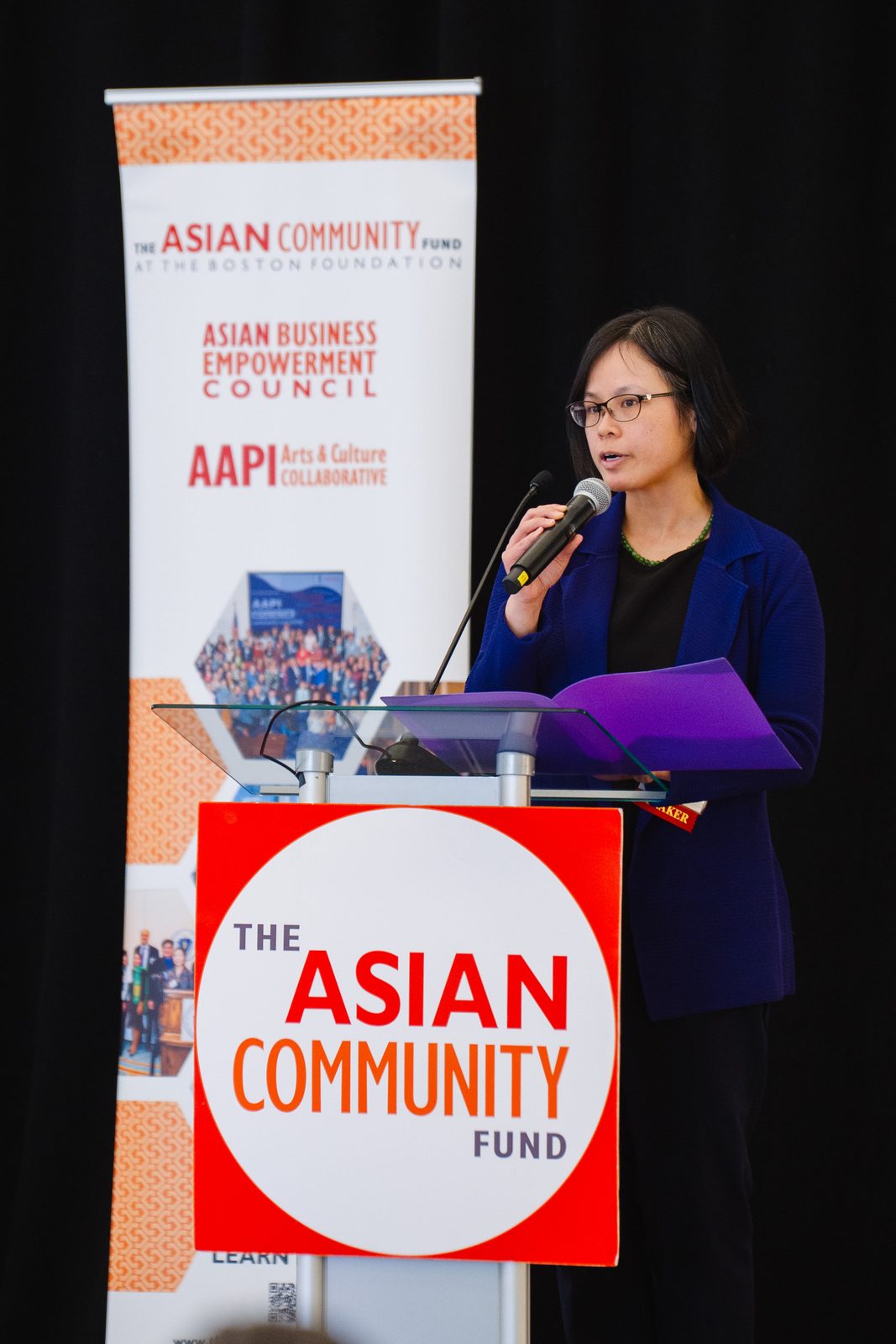
The ACF's largest grantmaking round yet, 59 organizations sharing $635,000 across legal advocacy, food insecurity, economic stability and community belonging. A third were first-time recipients, and most run on budgets under $500,000.
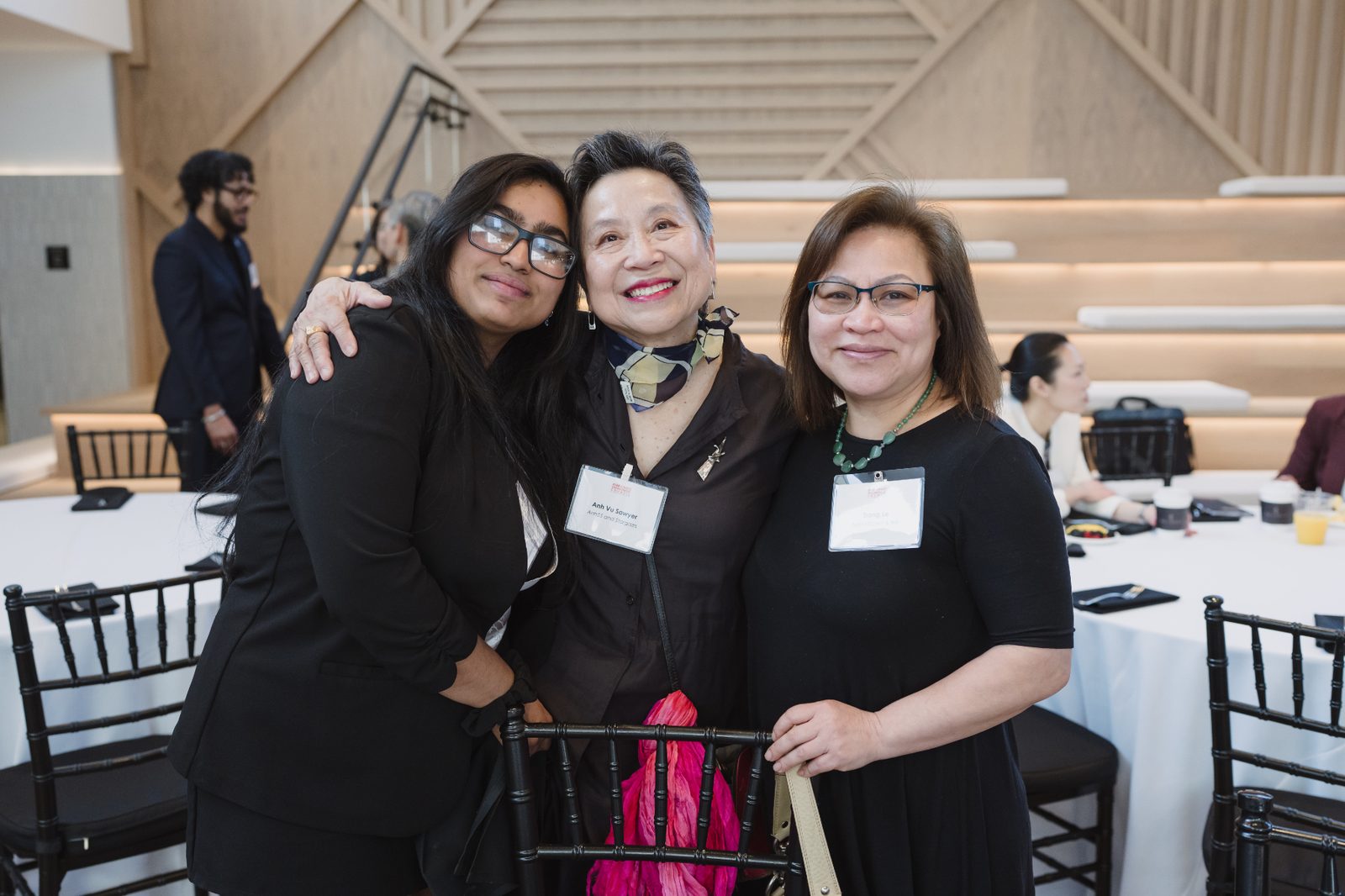
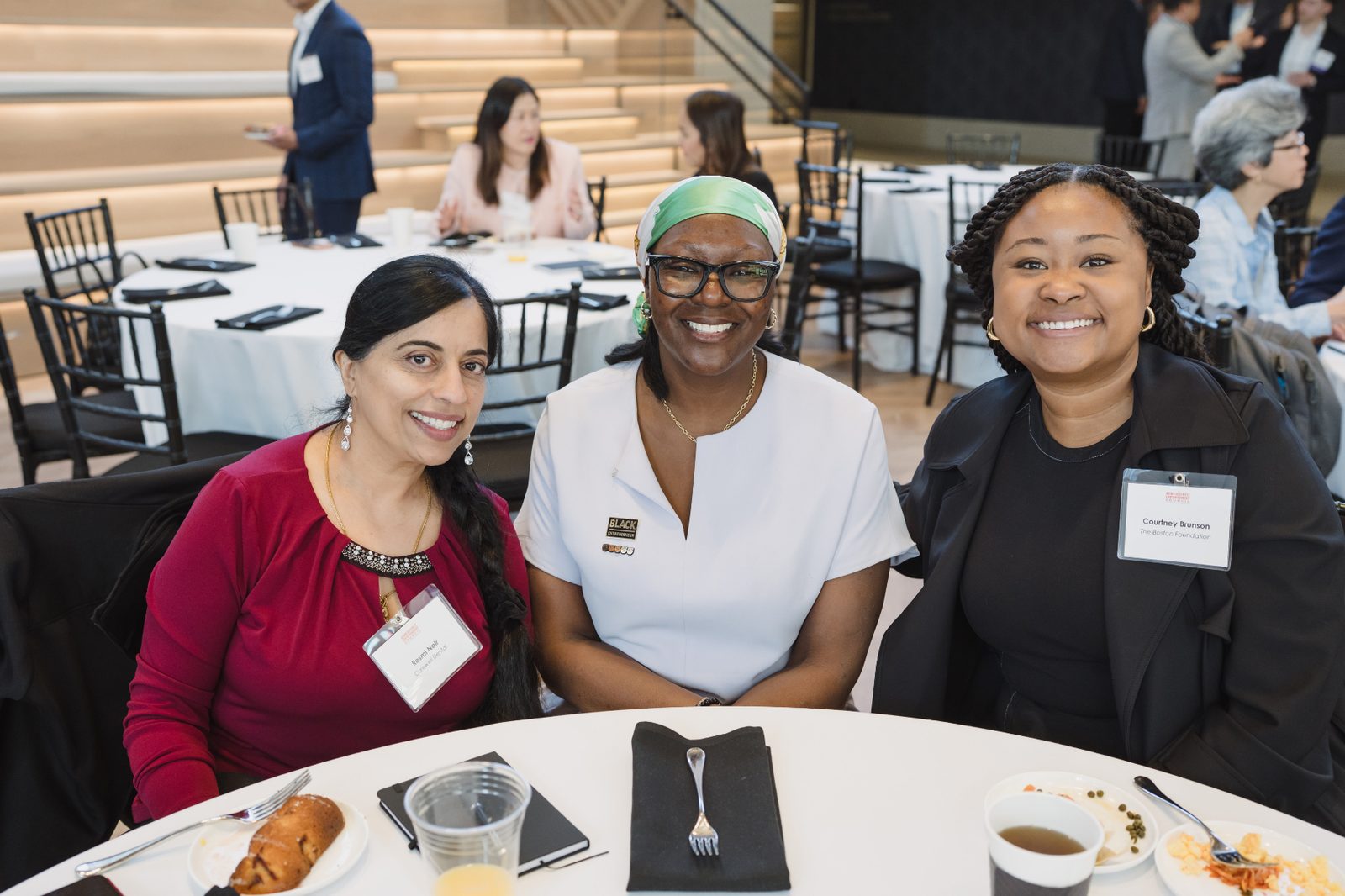
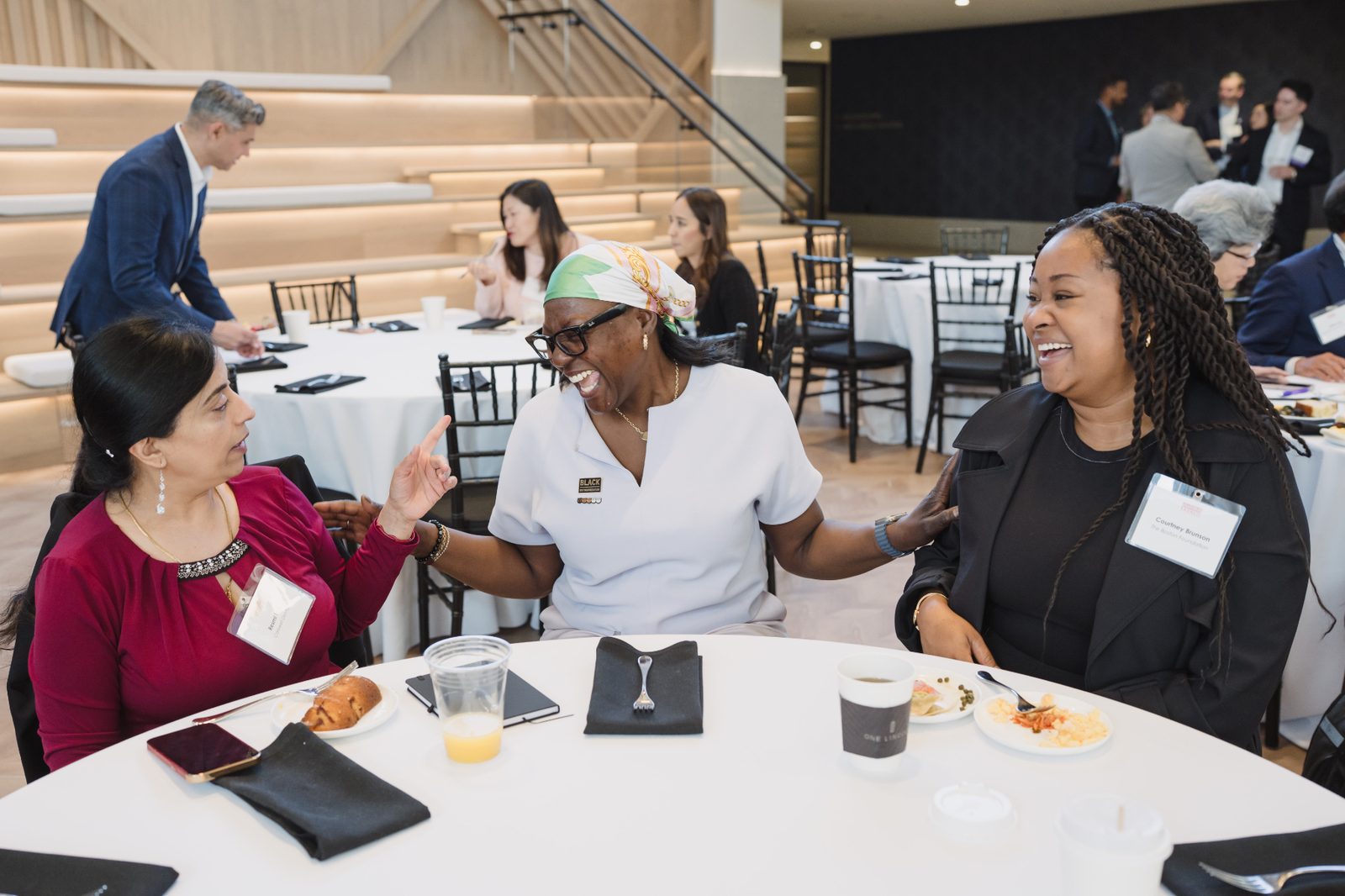
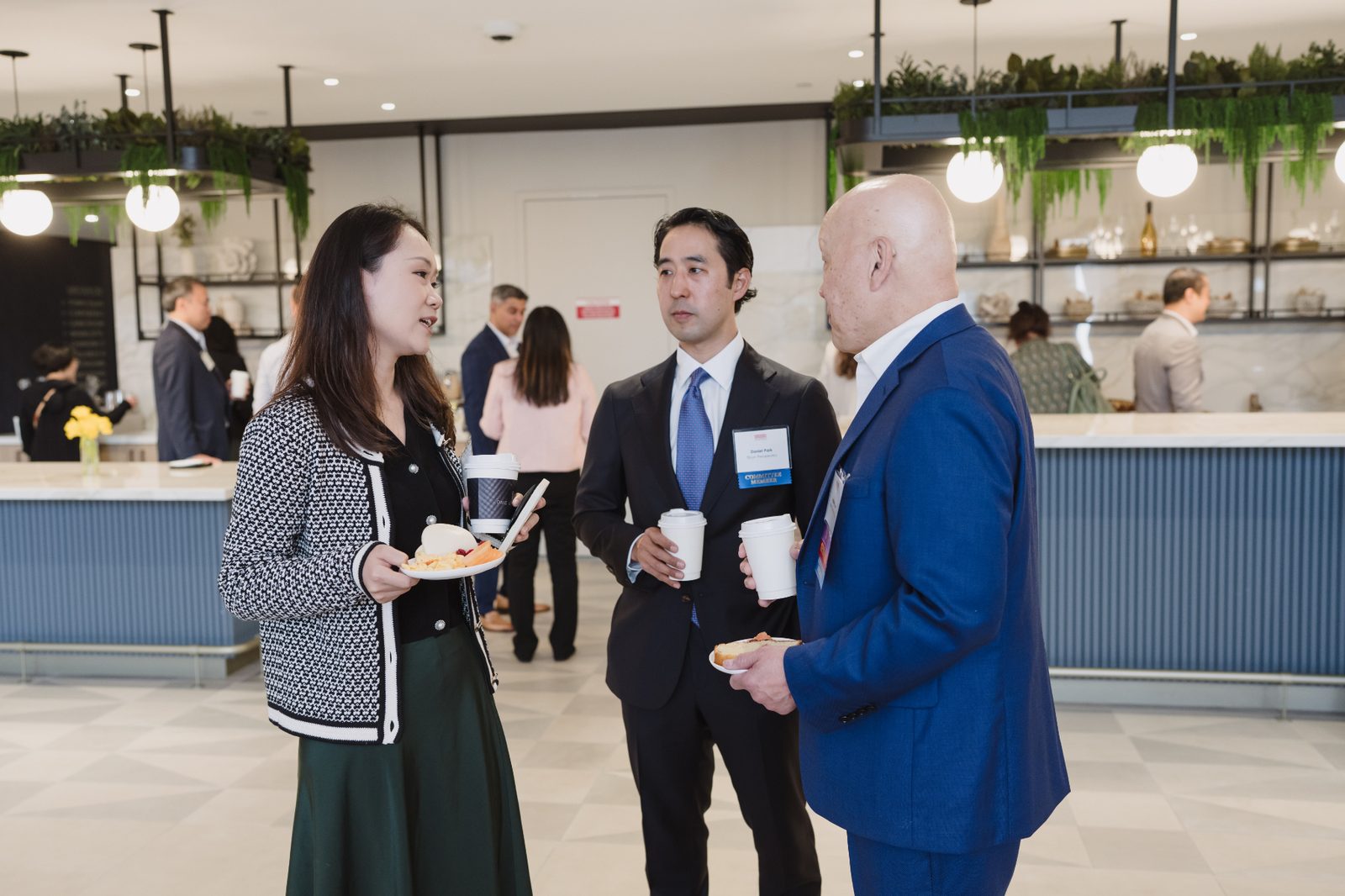
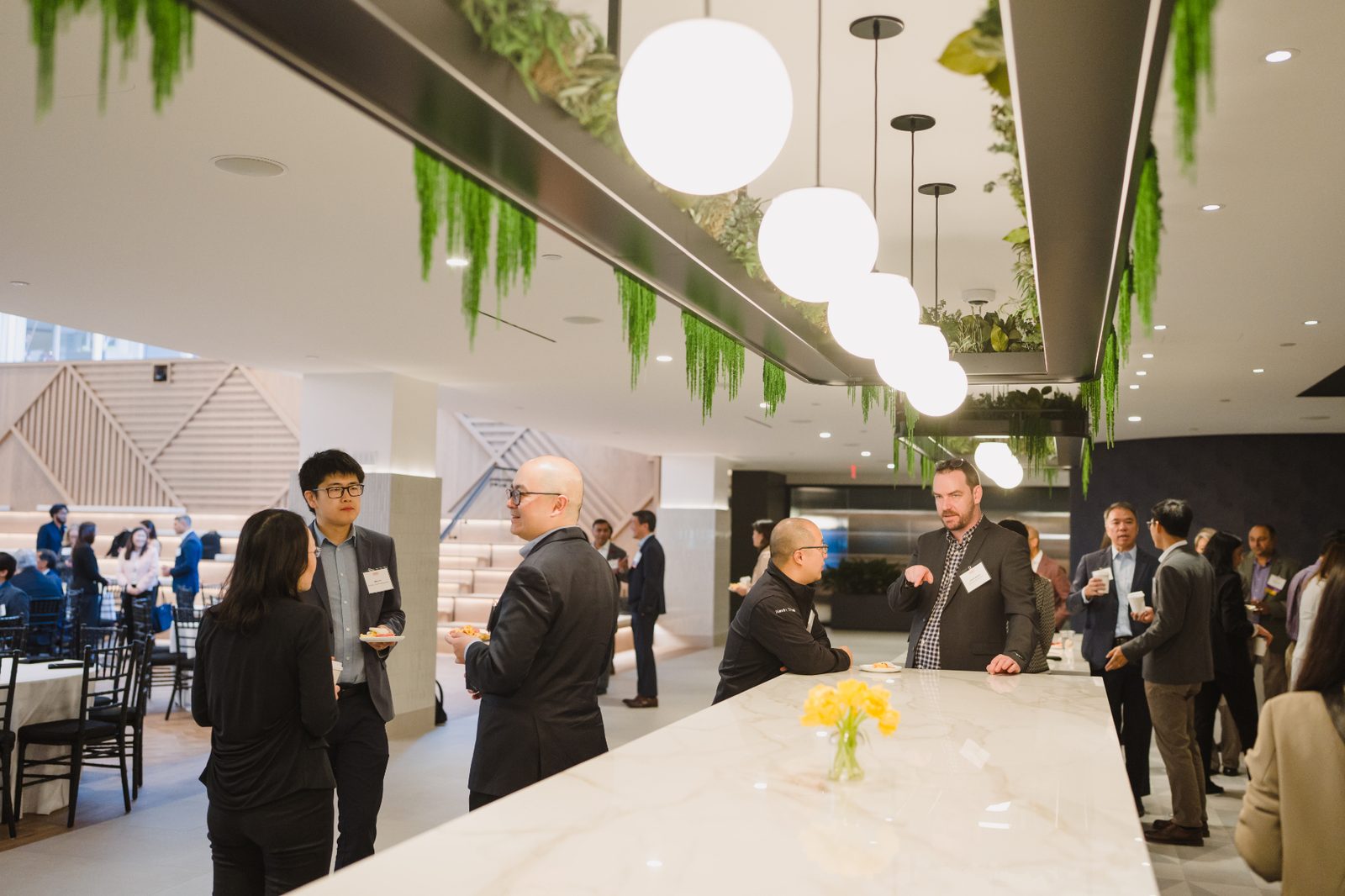
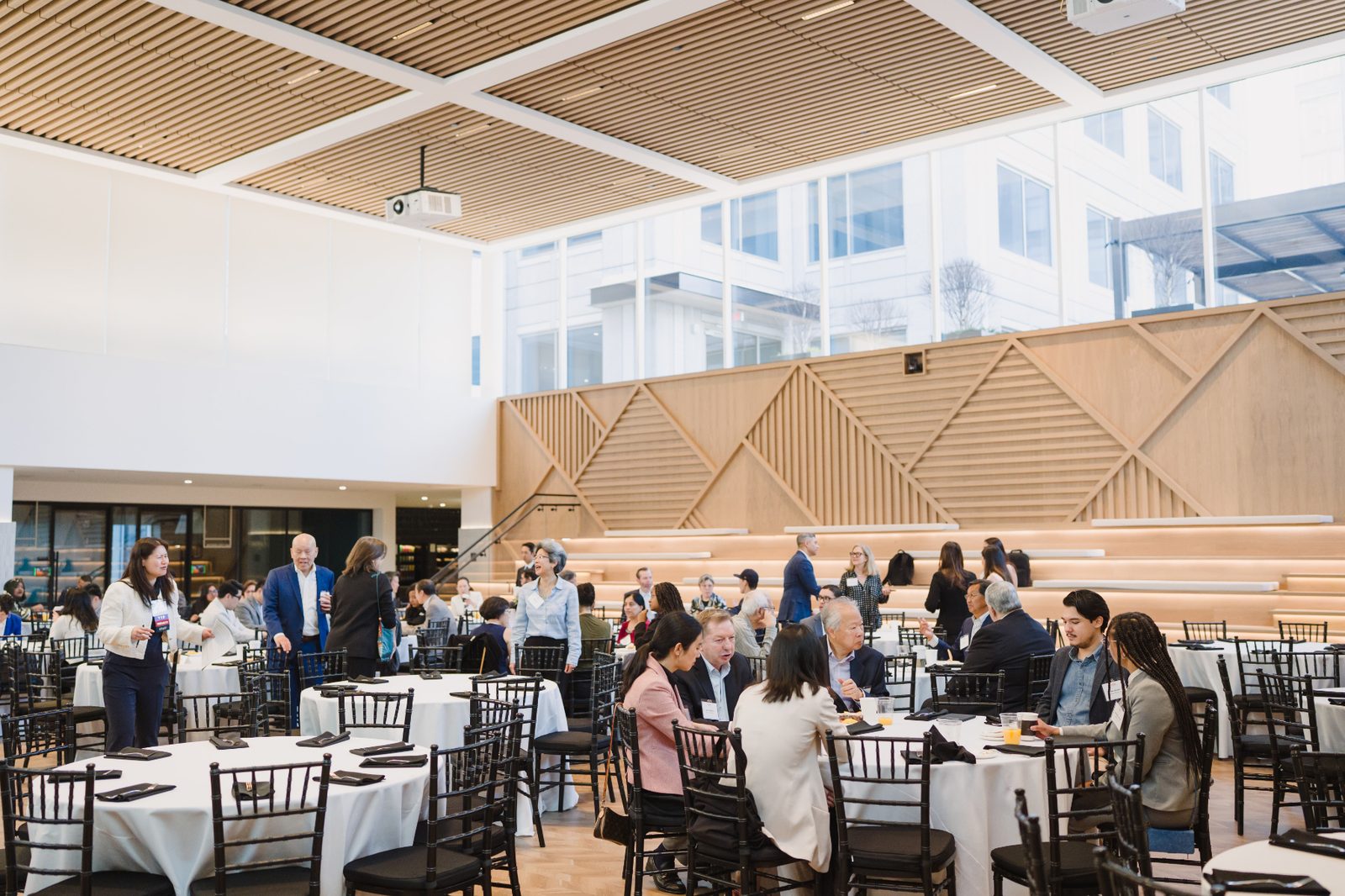
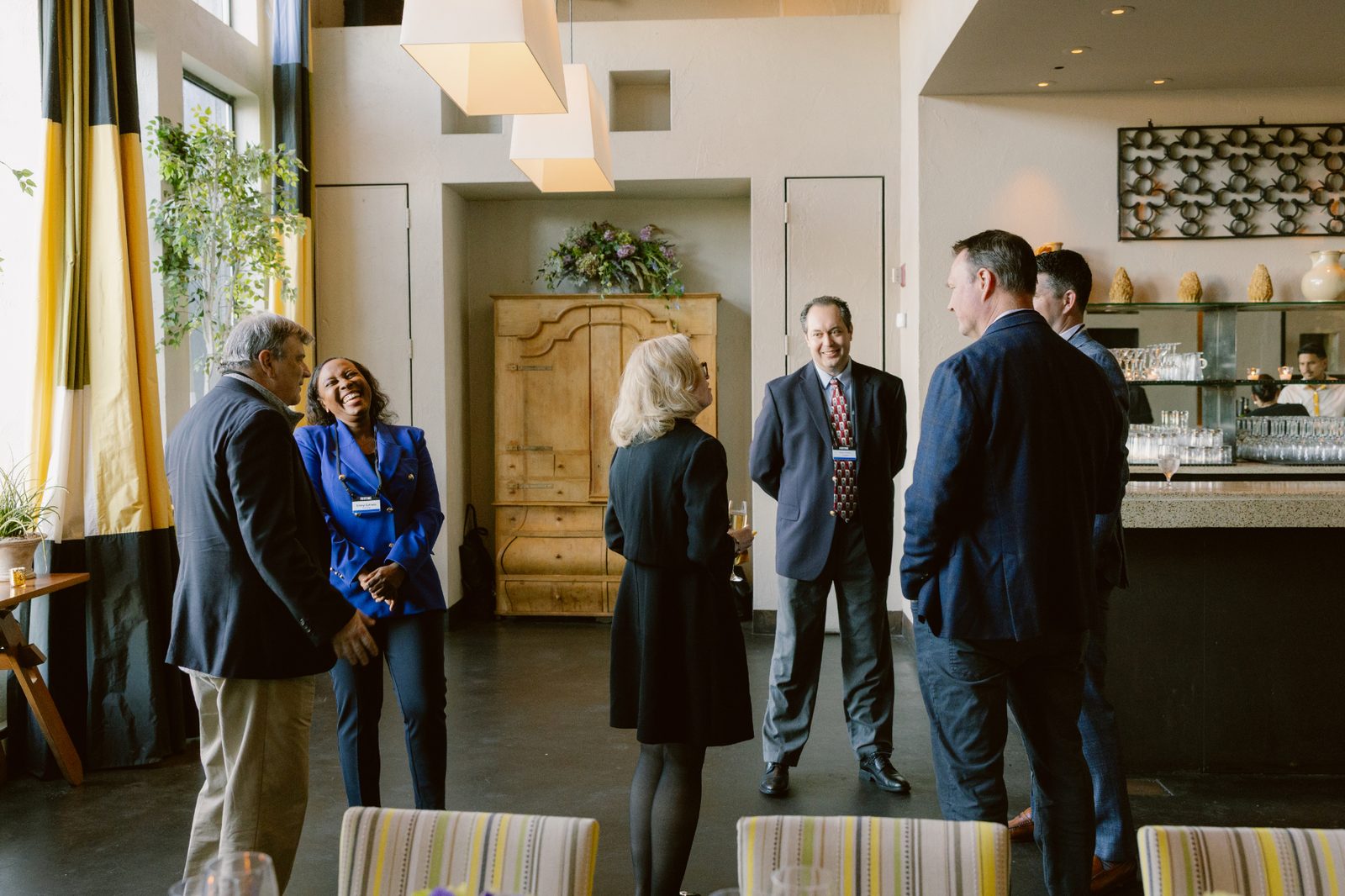
Less ceremony, more reunion. My favorite kind of room to photograph.
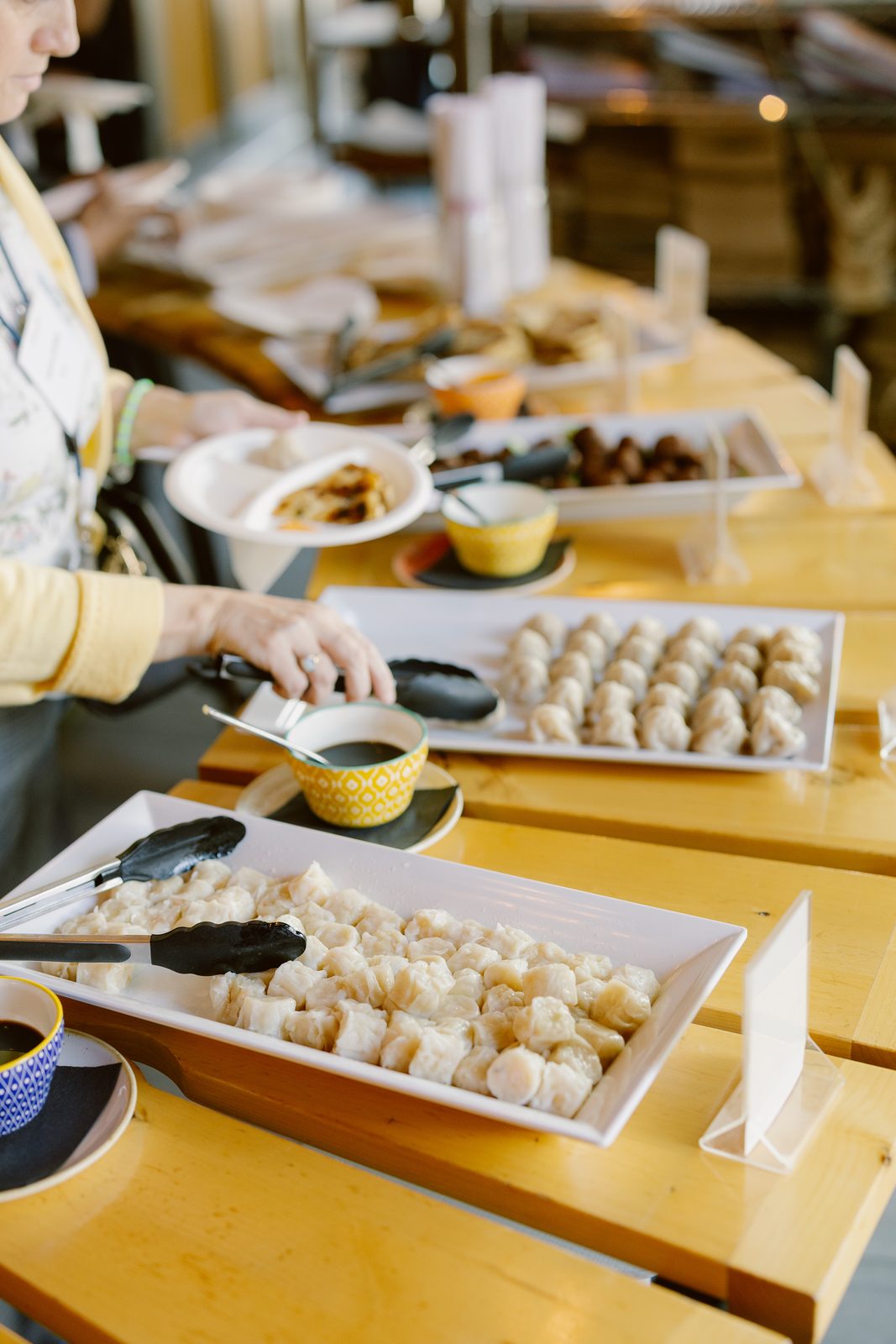
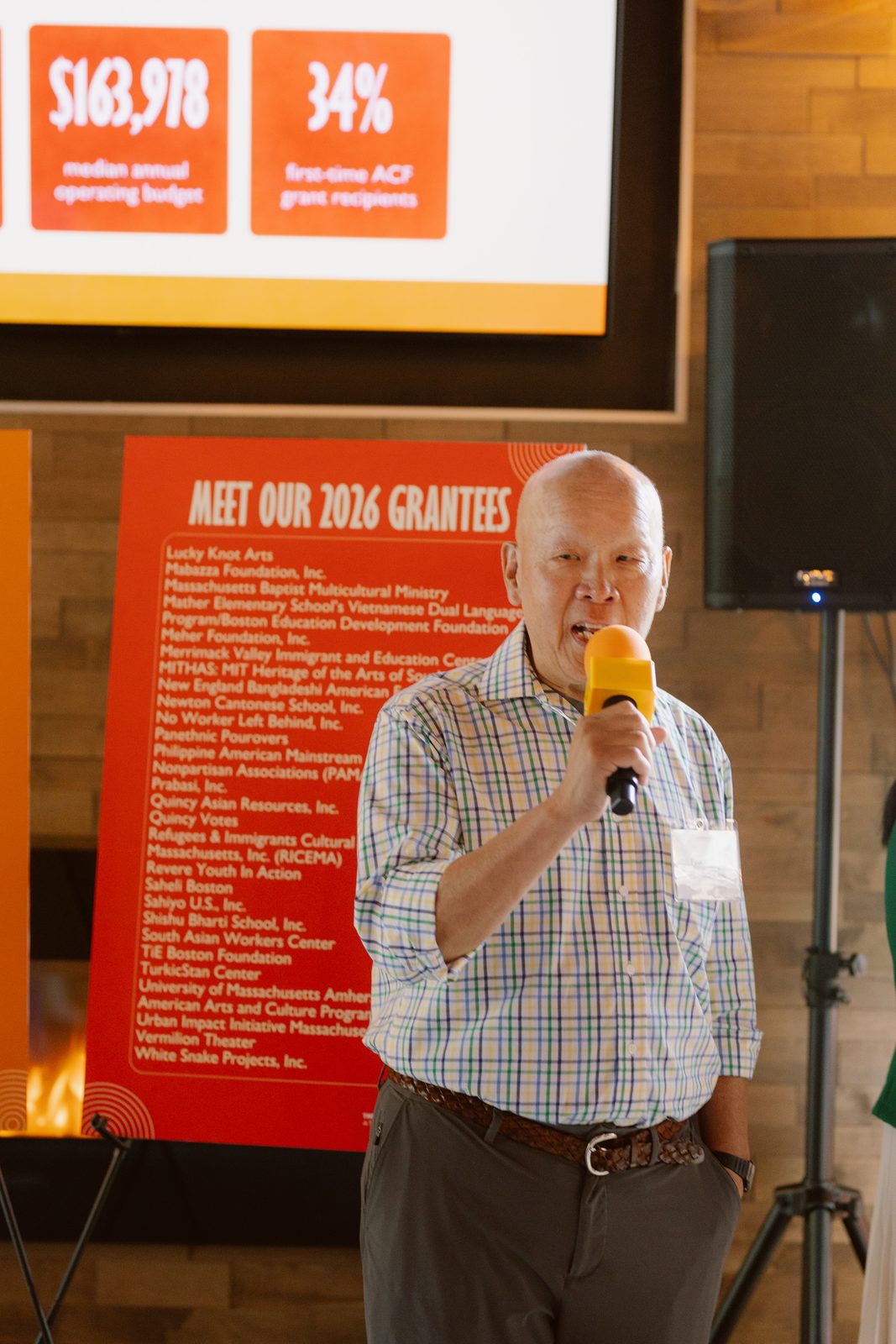
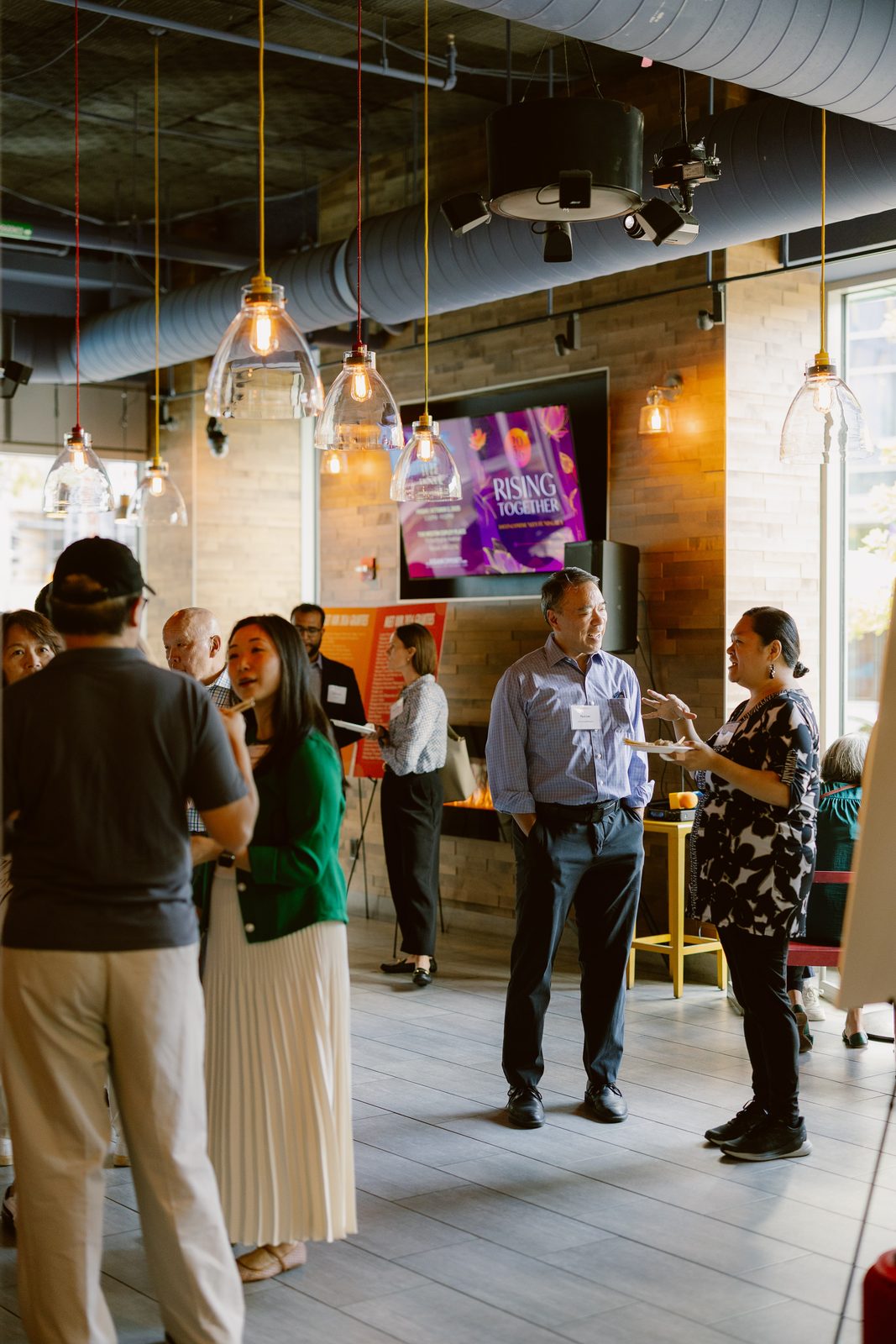
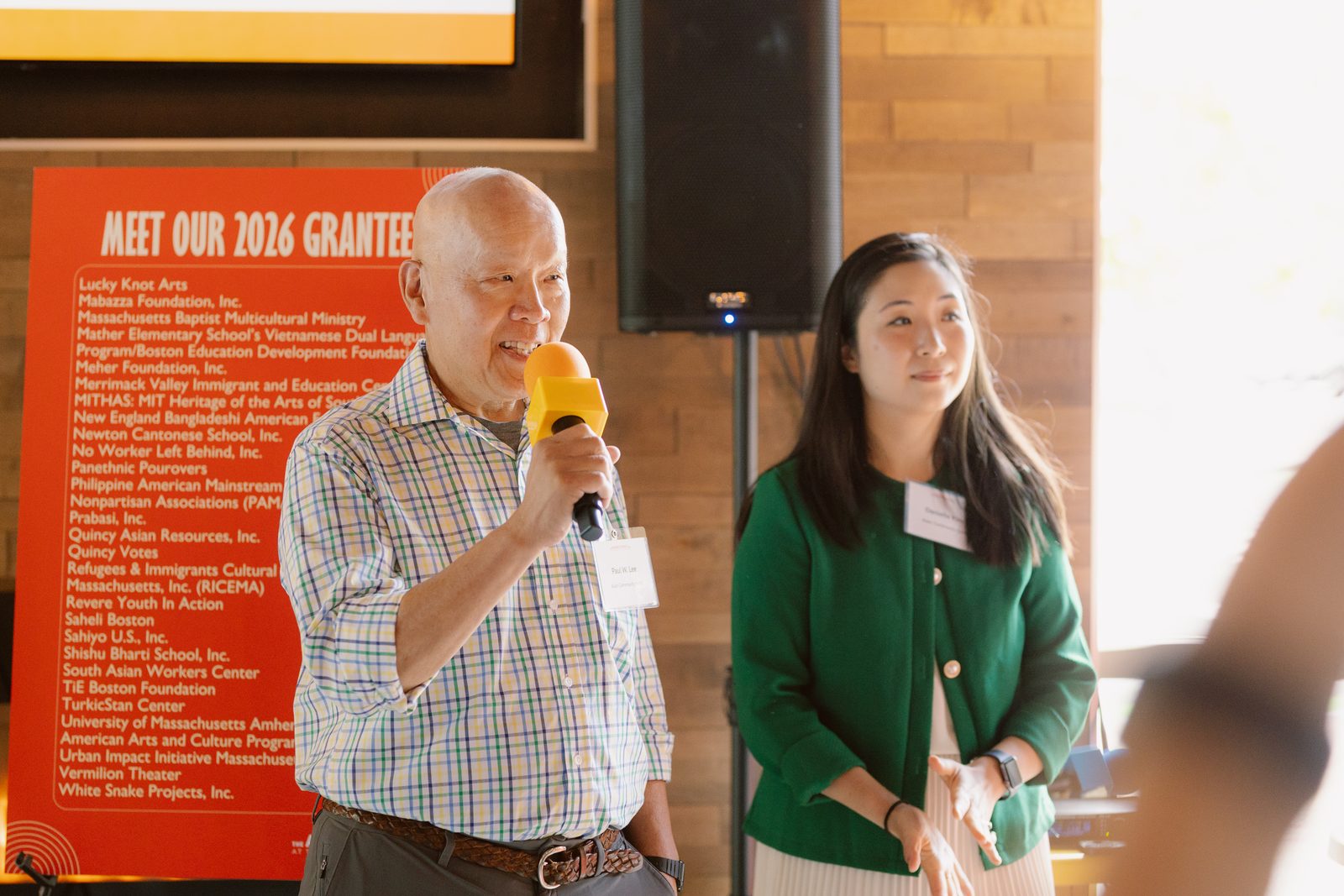
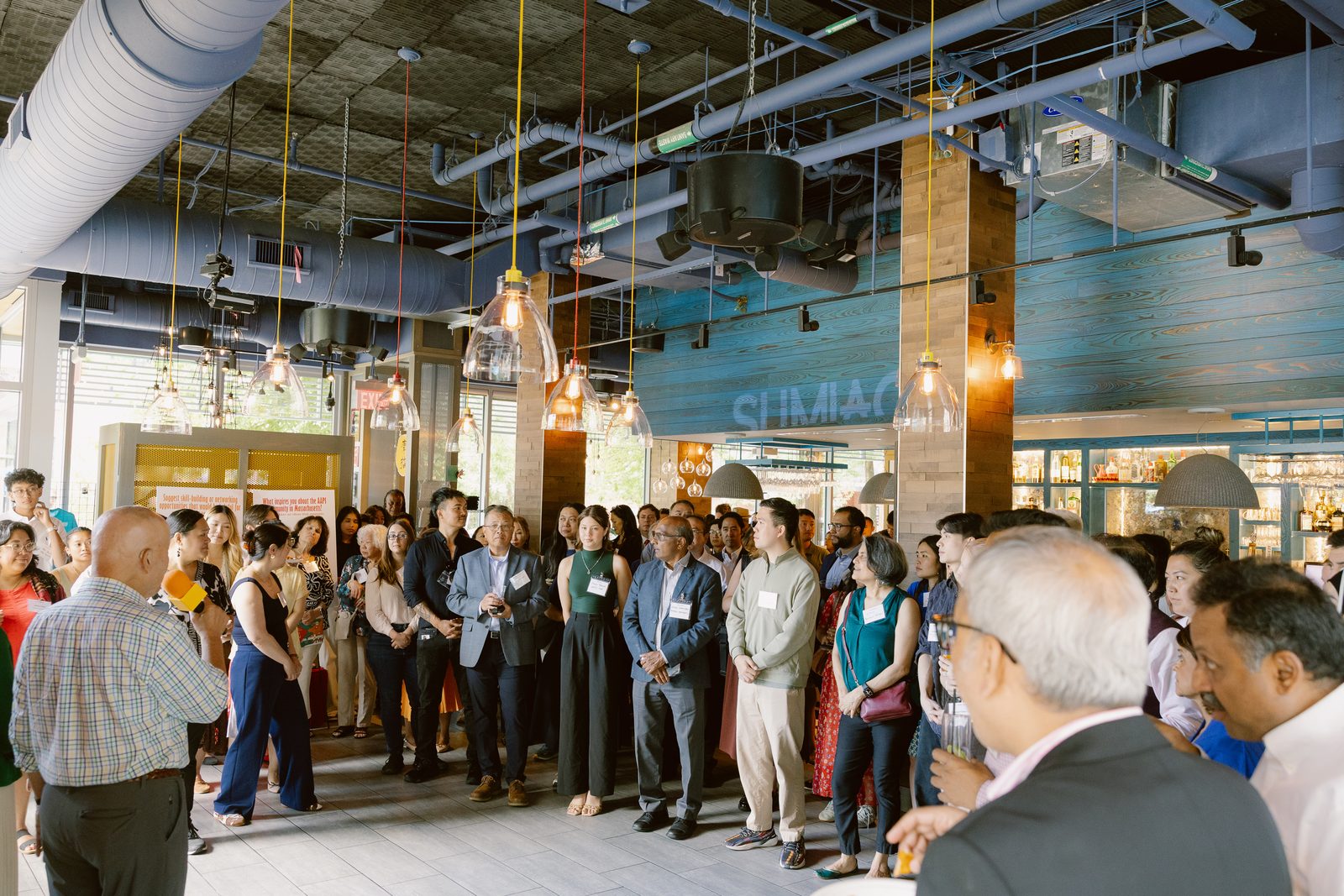
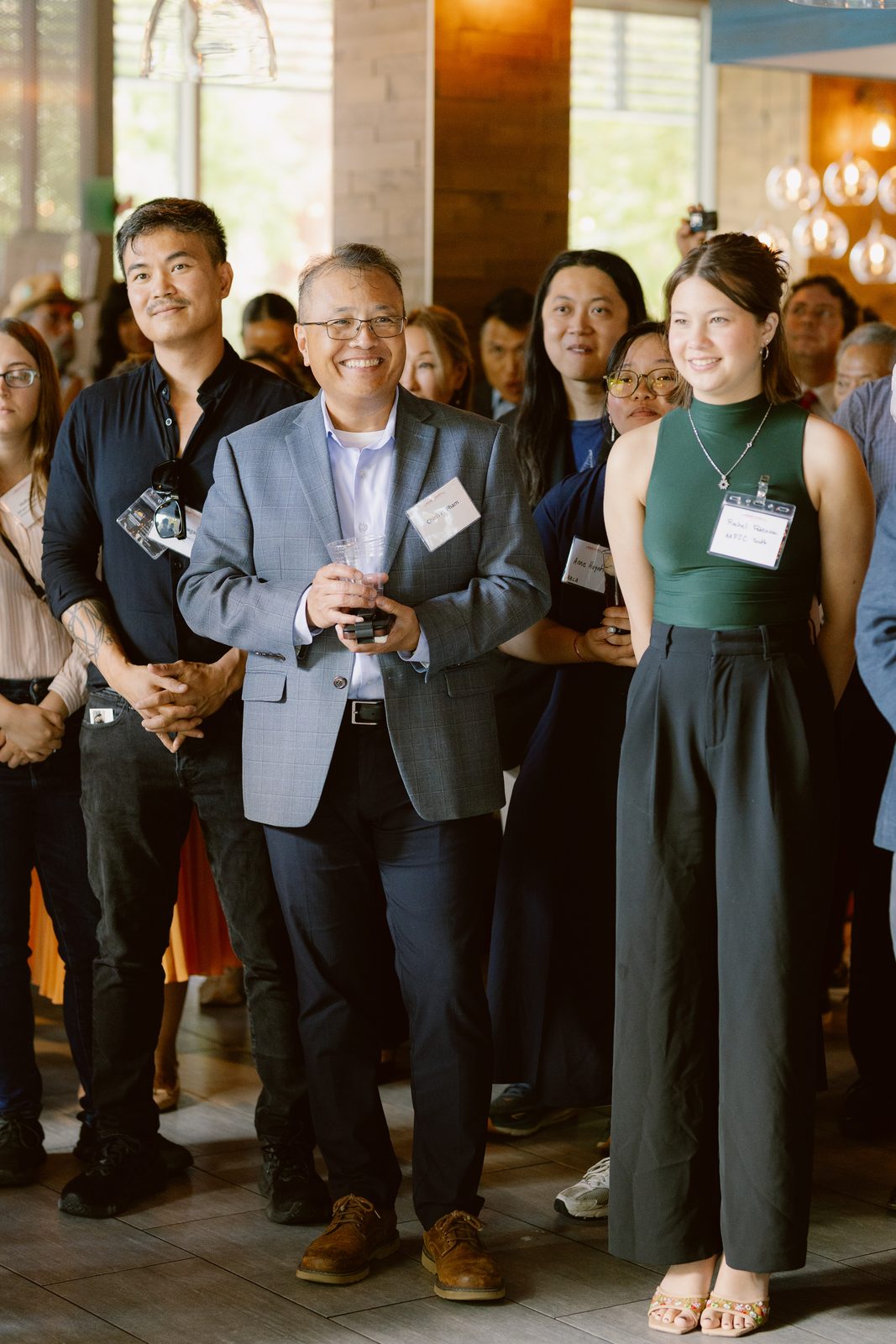
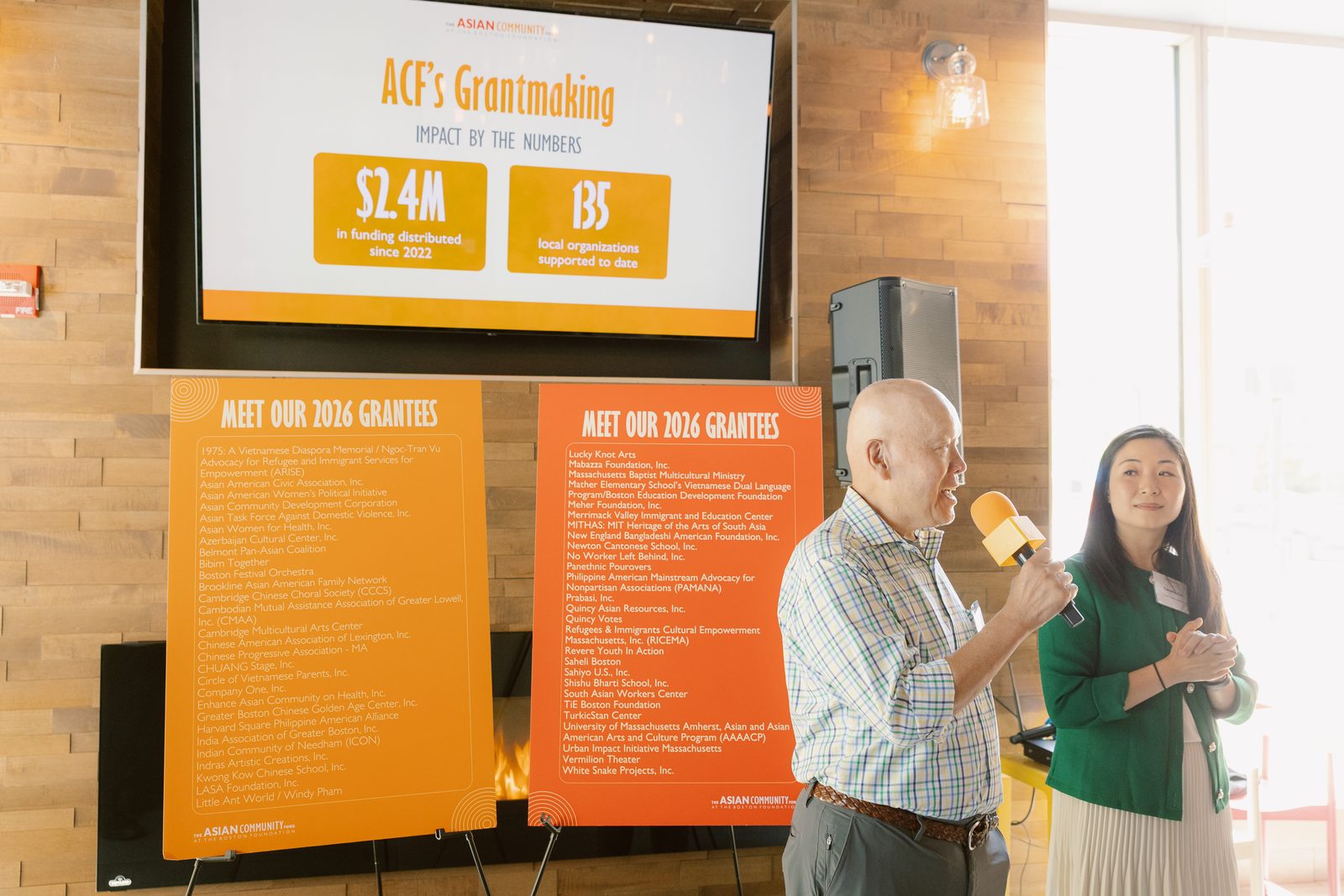
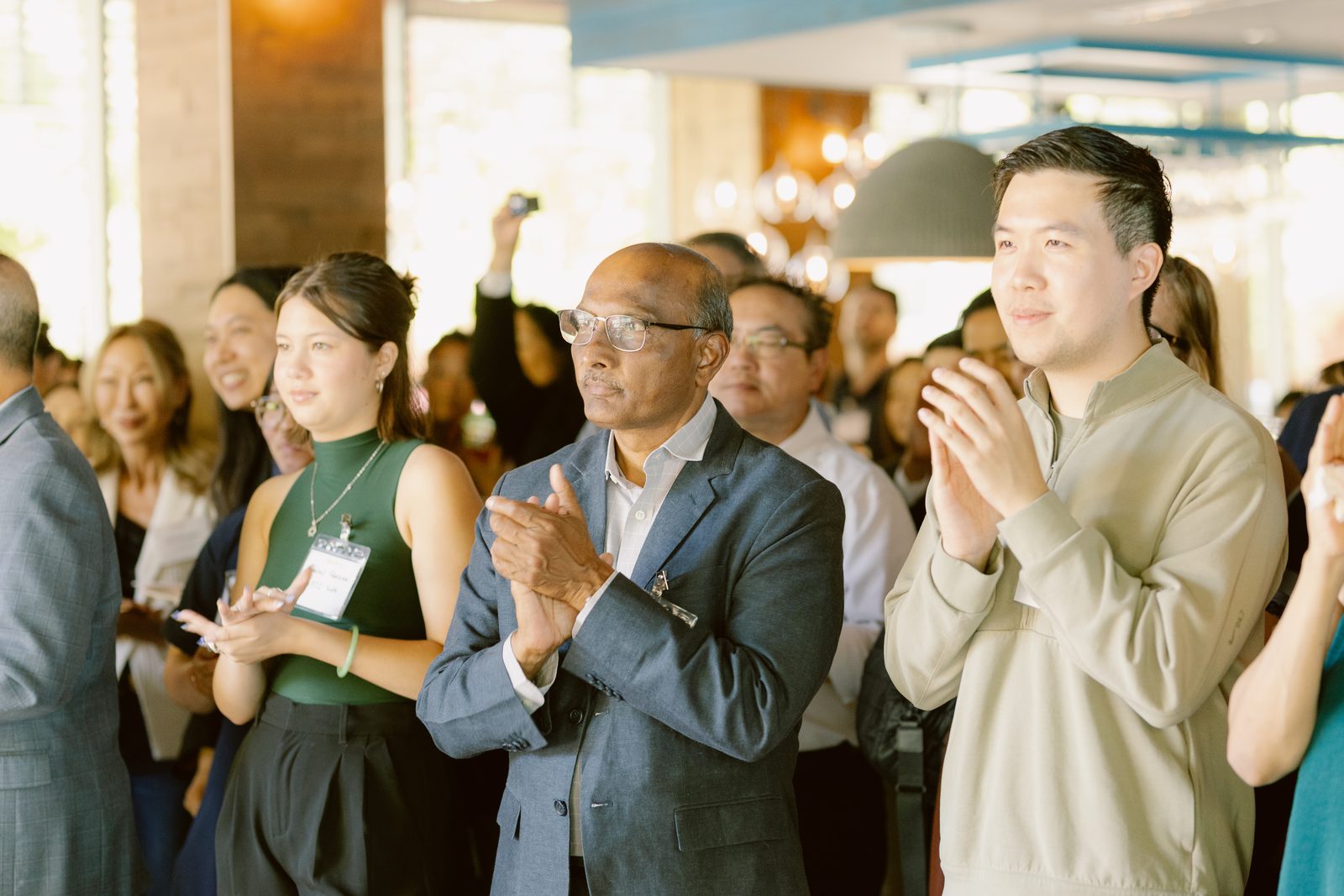
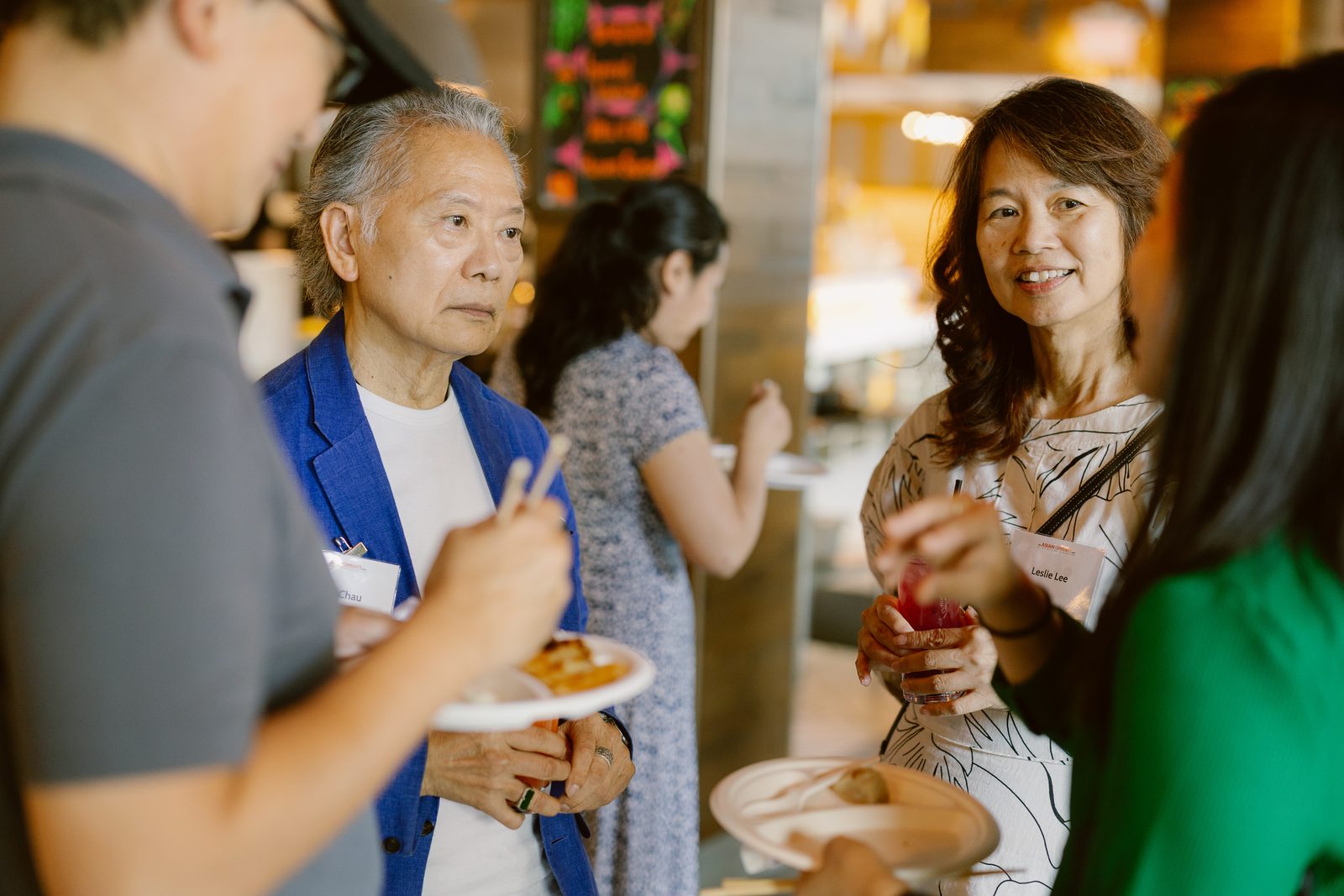
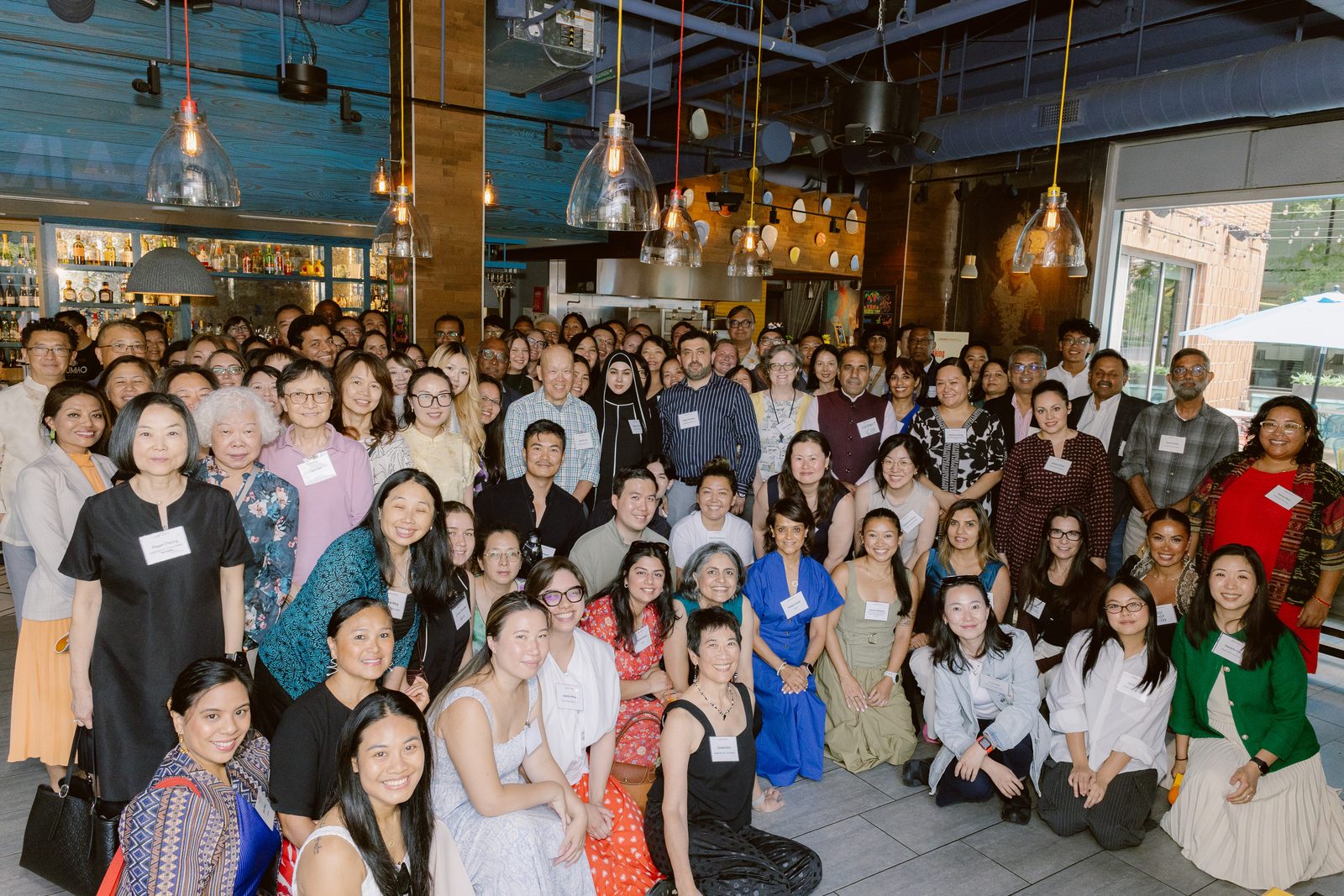
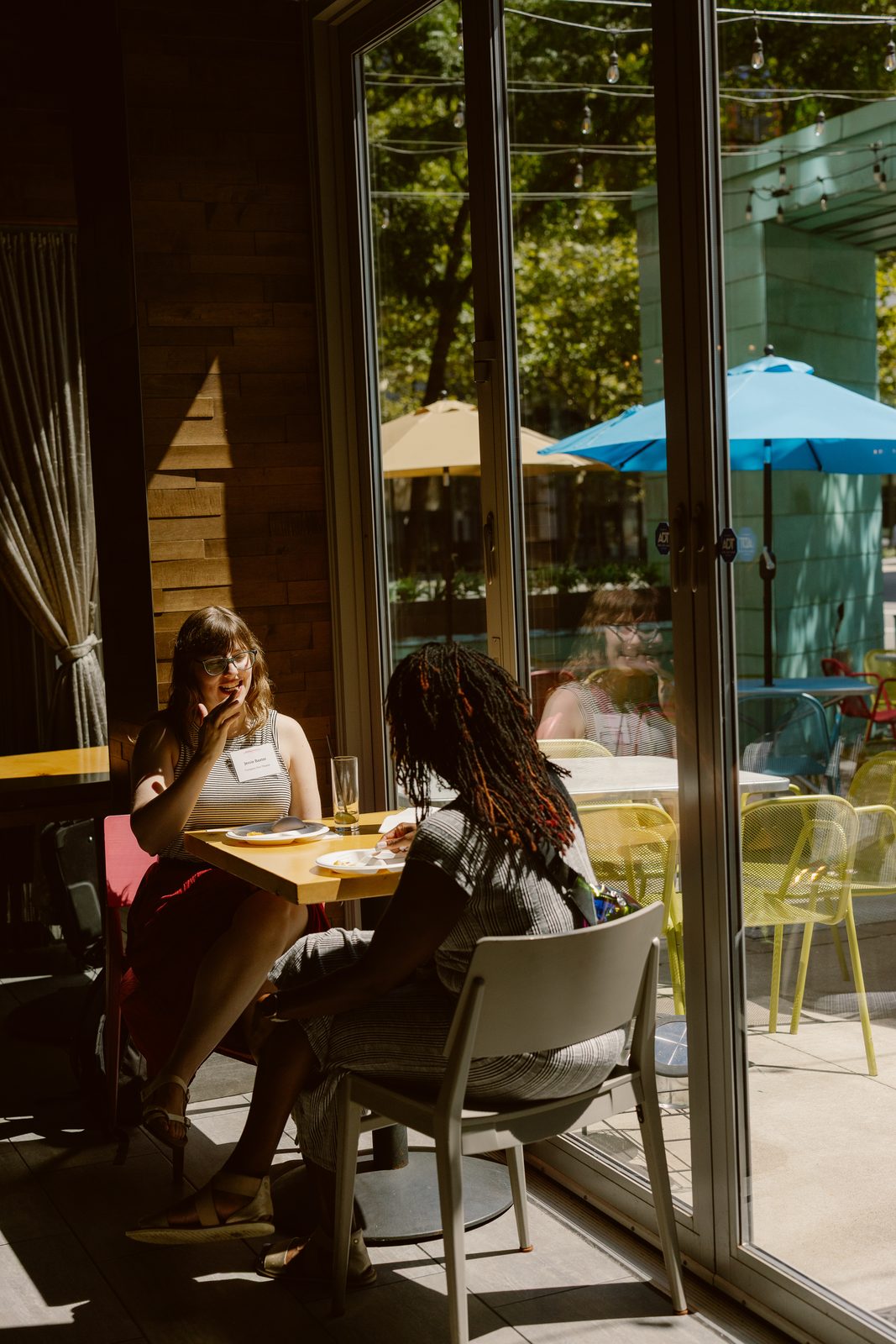
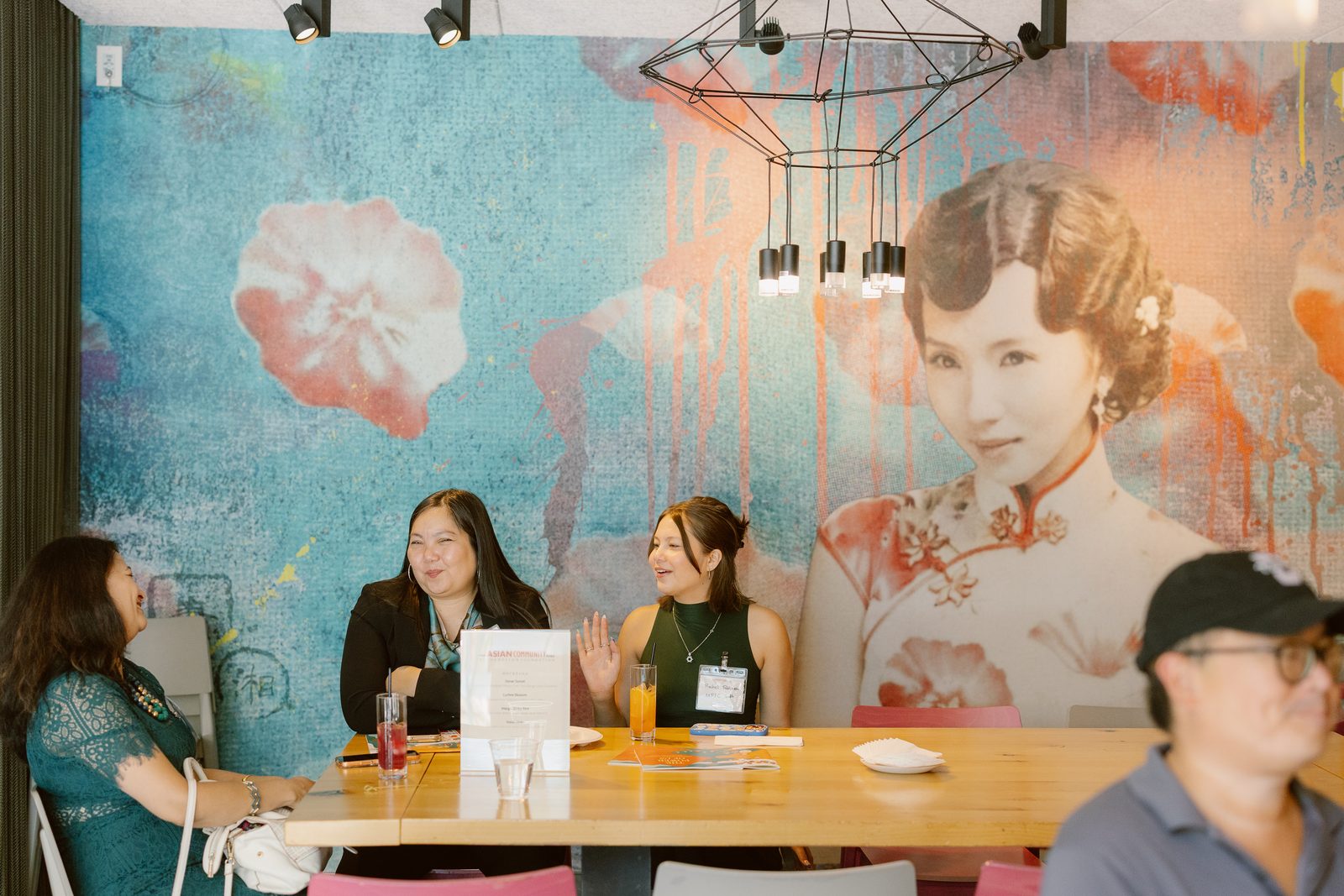
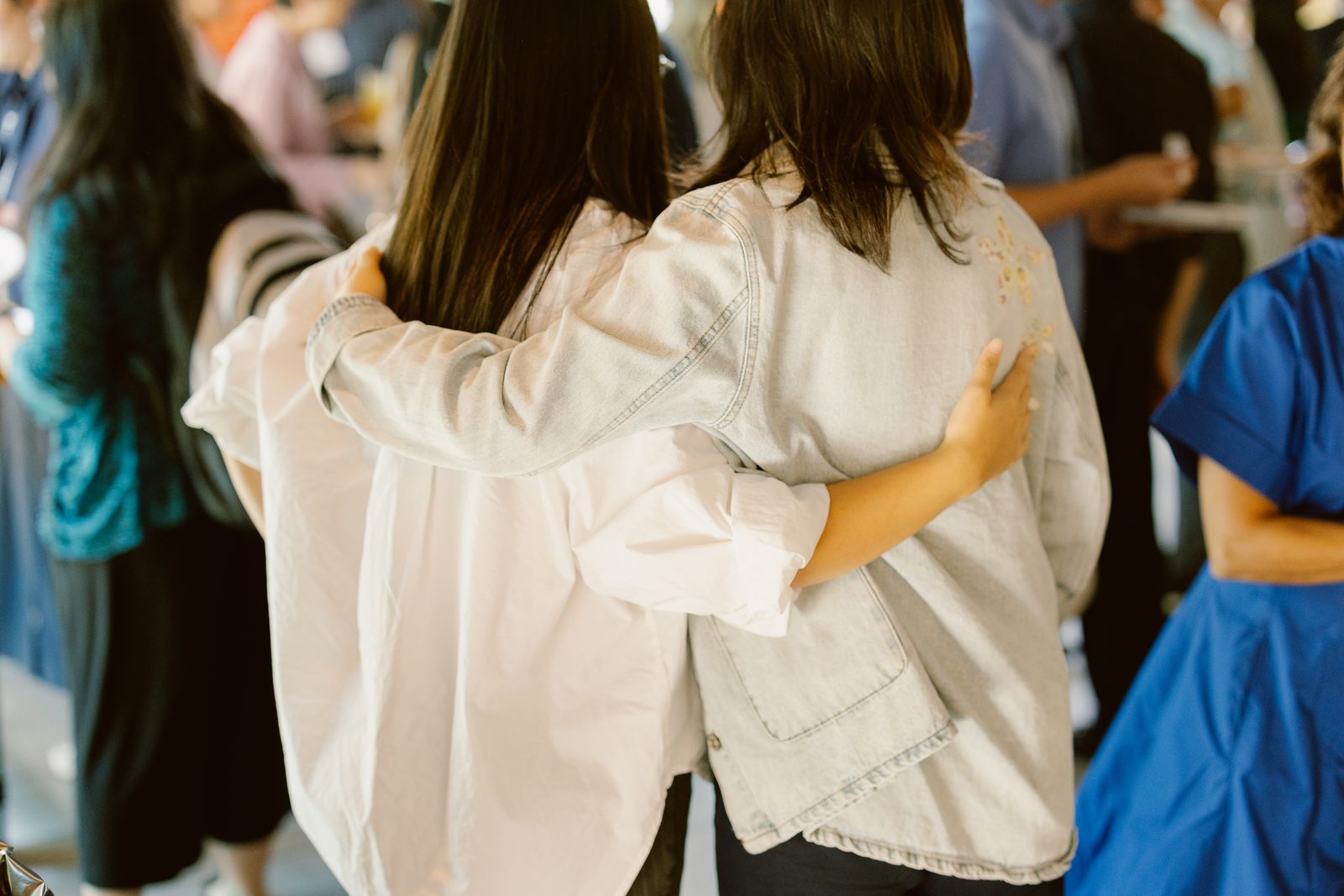
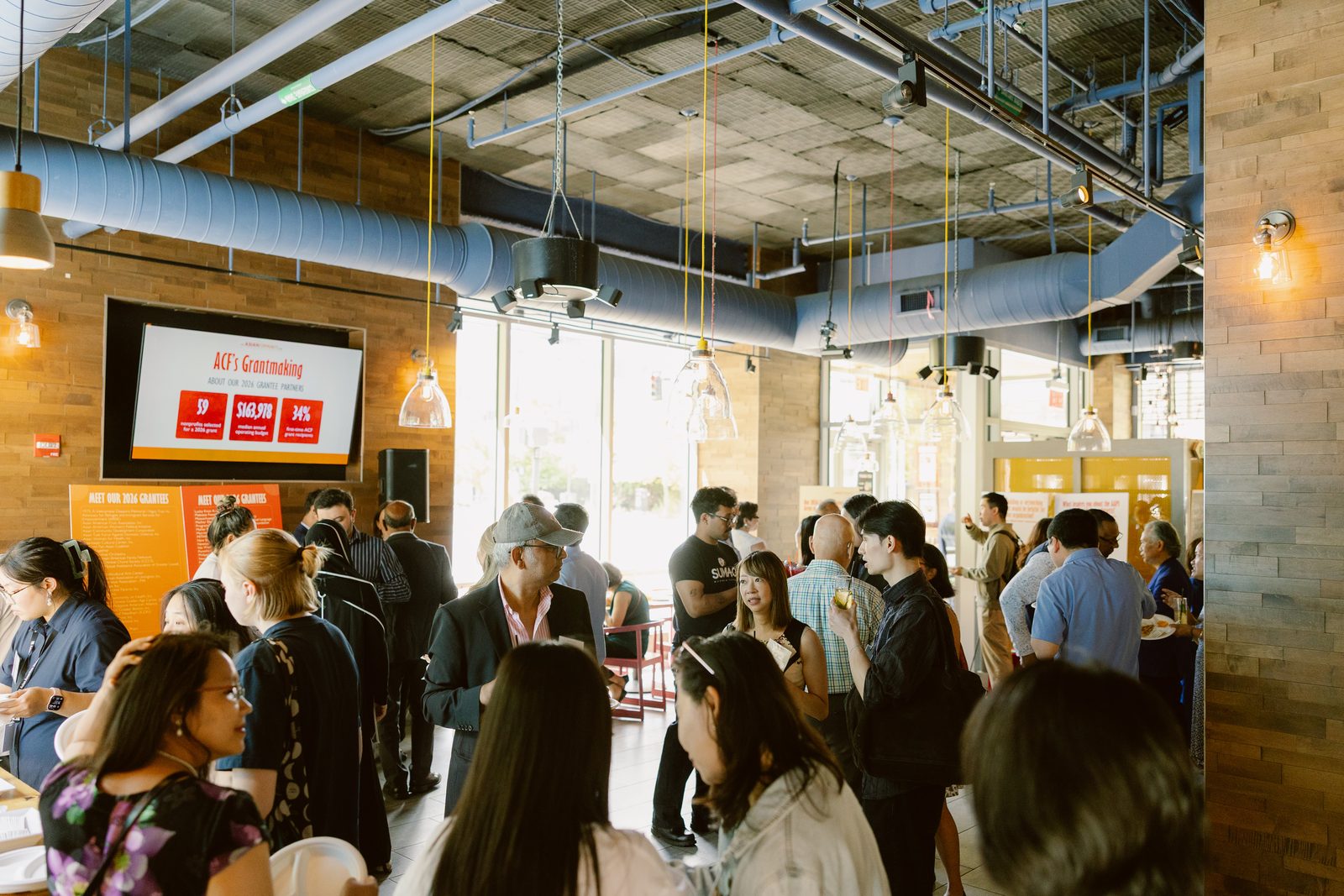
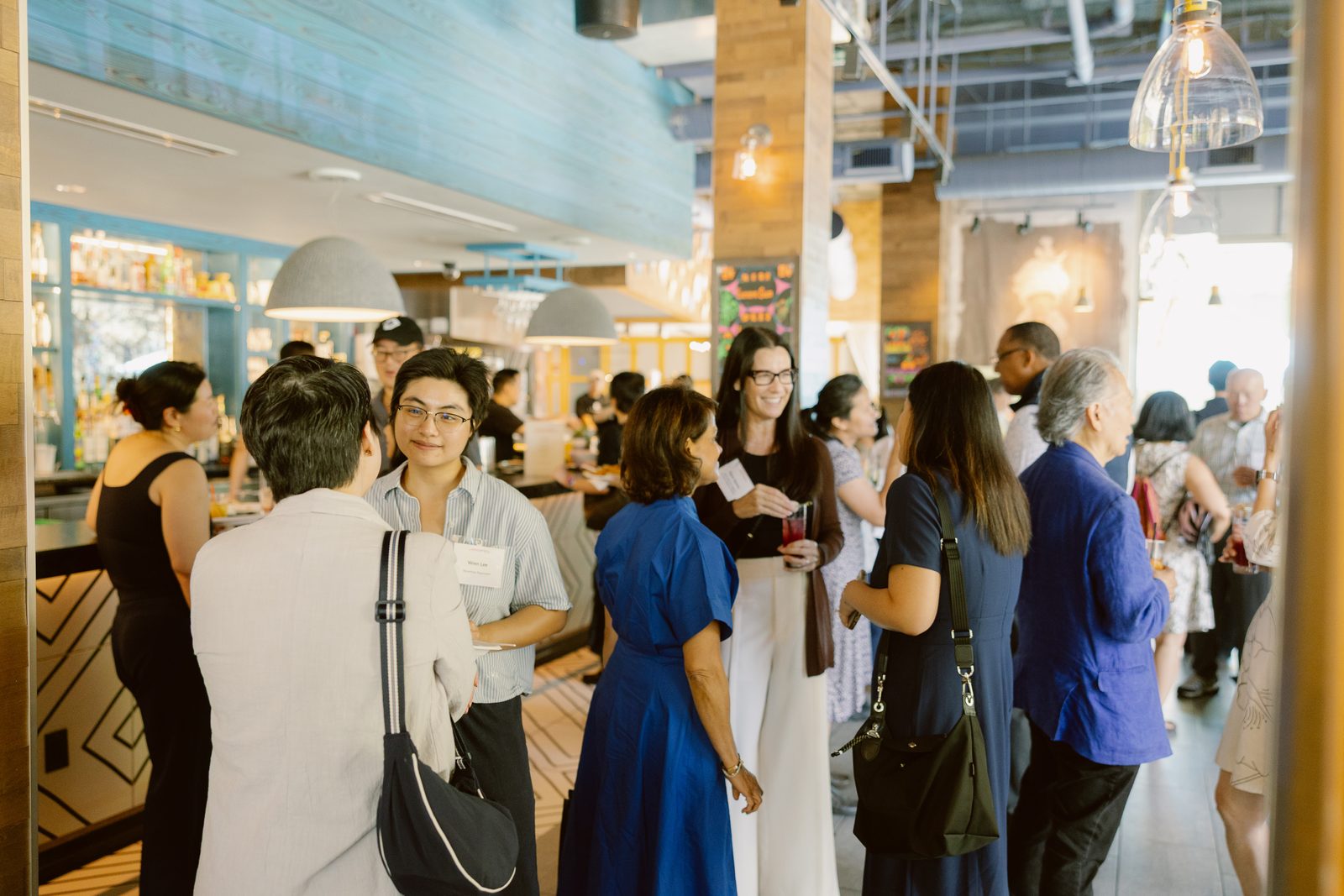
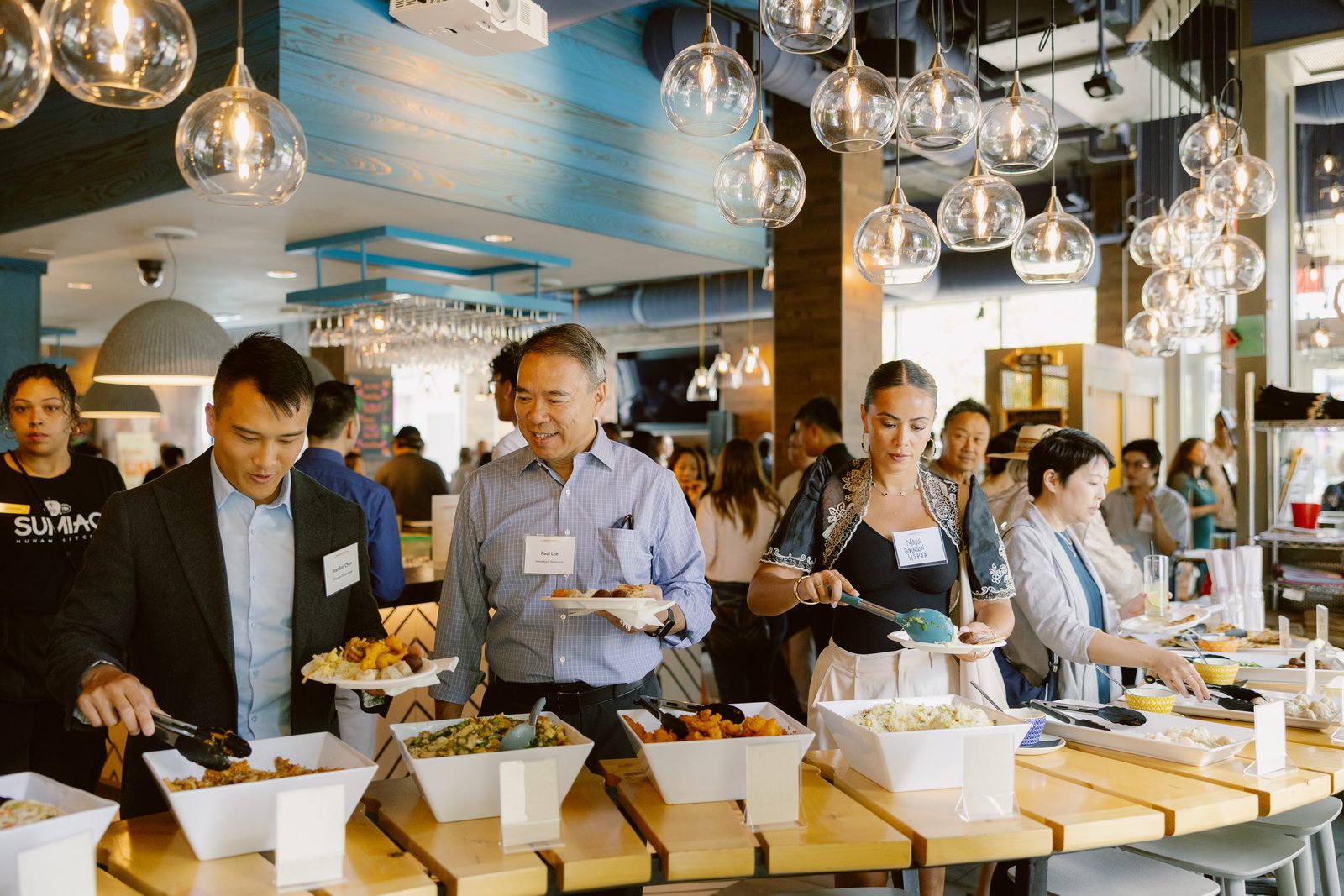
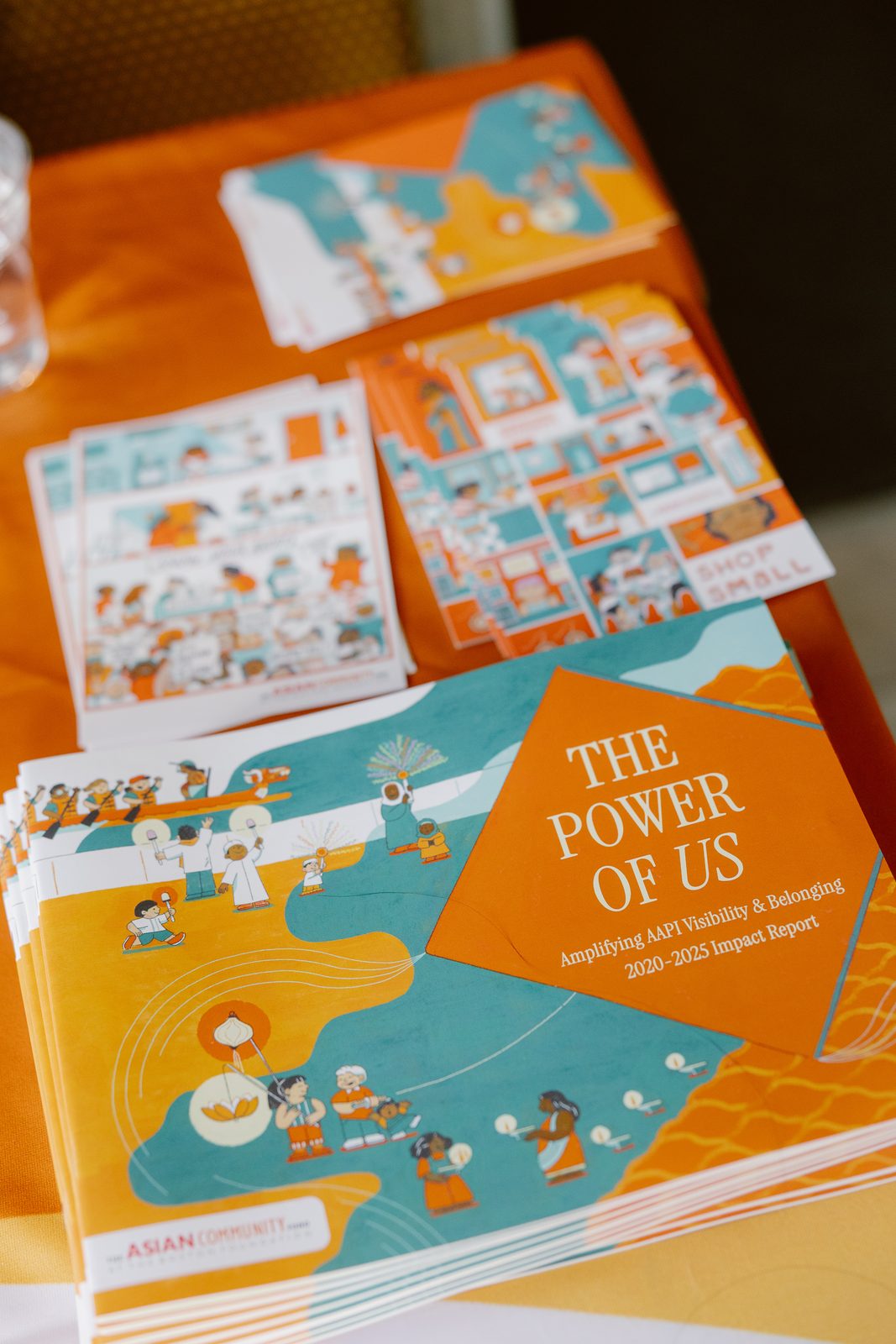
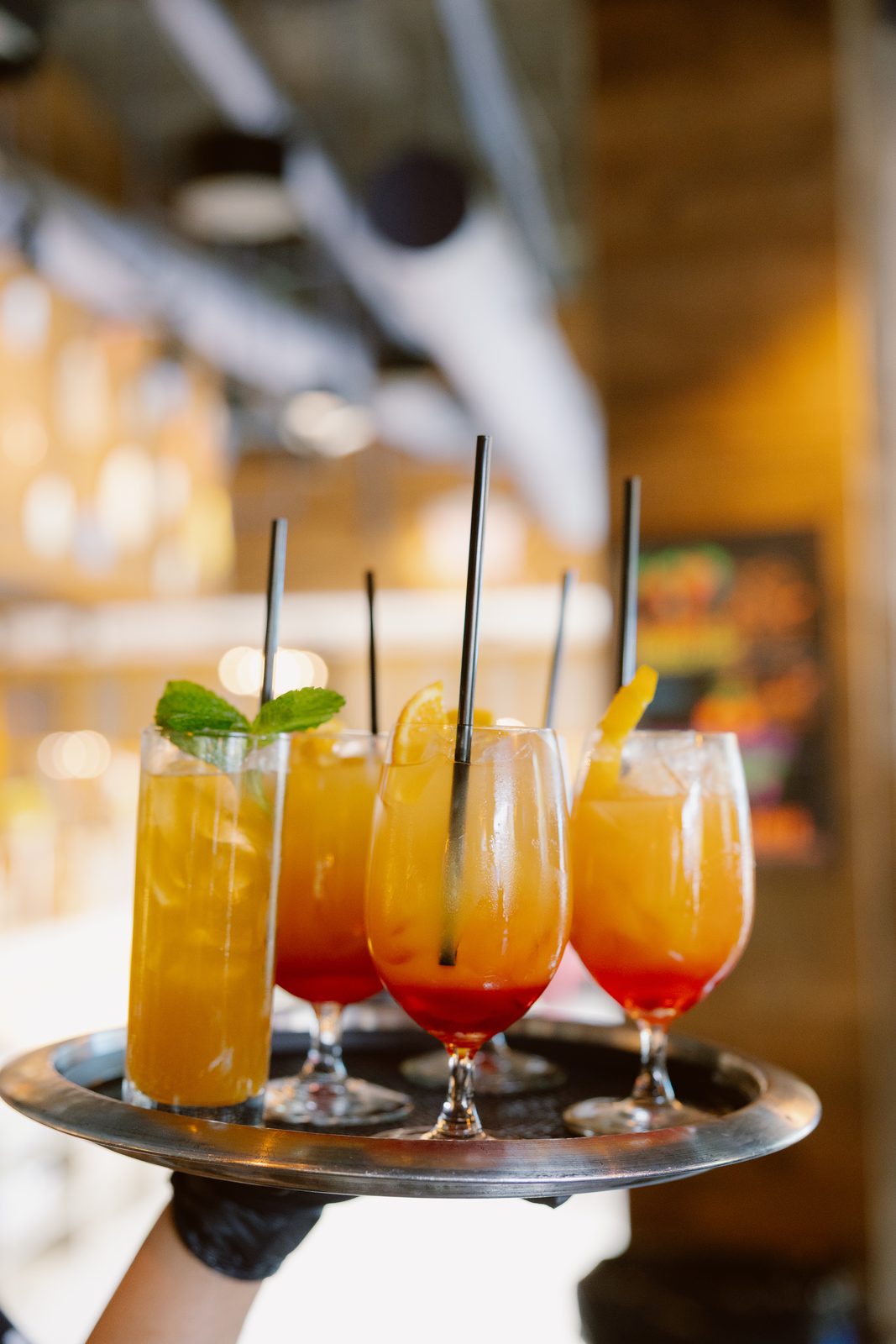
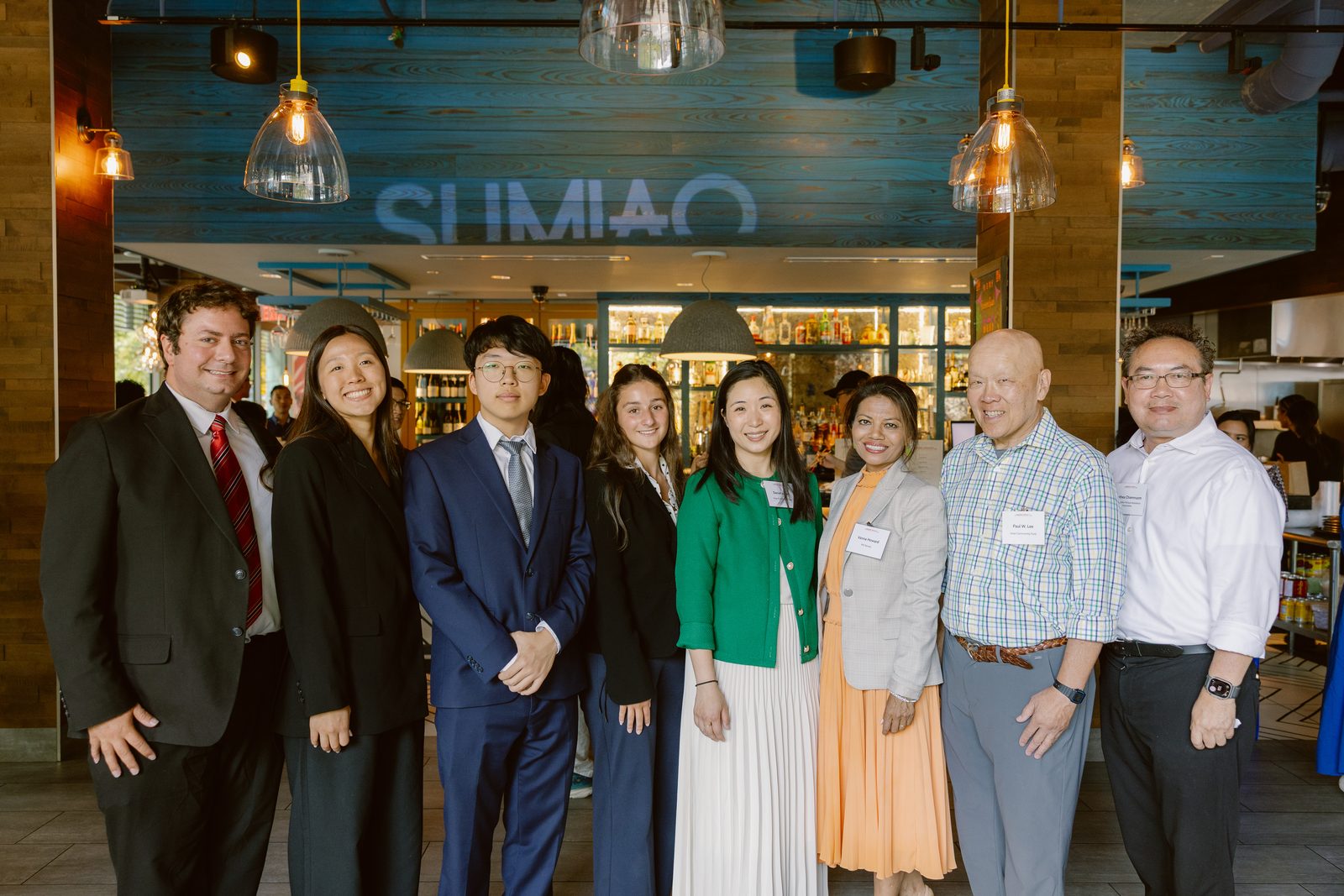
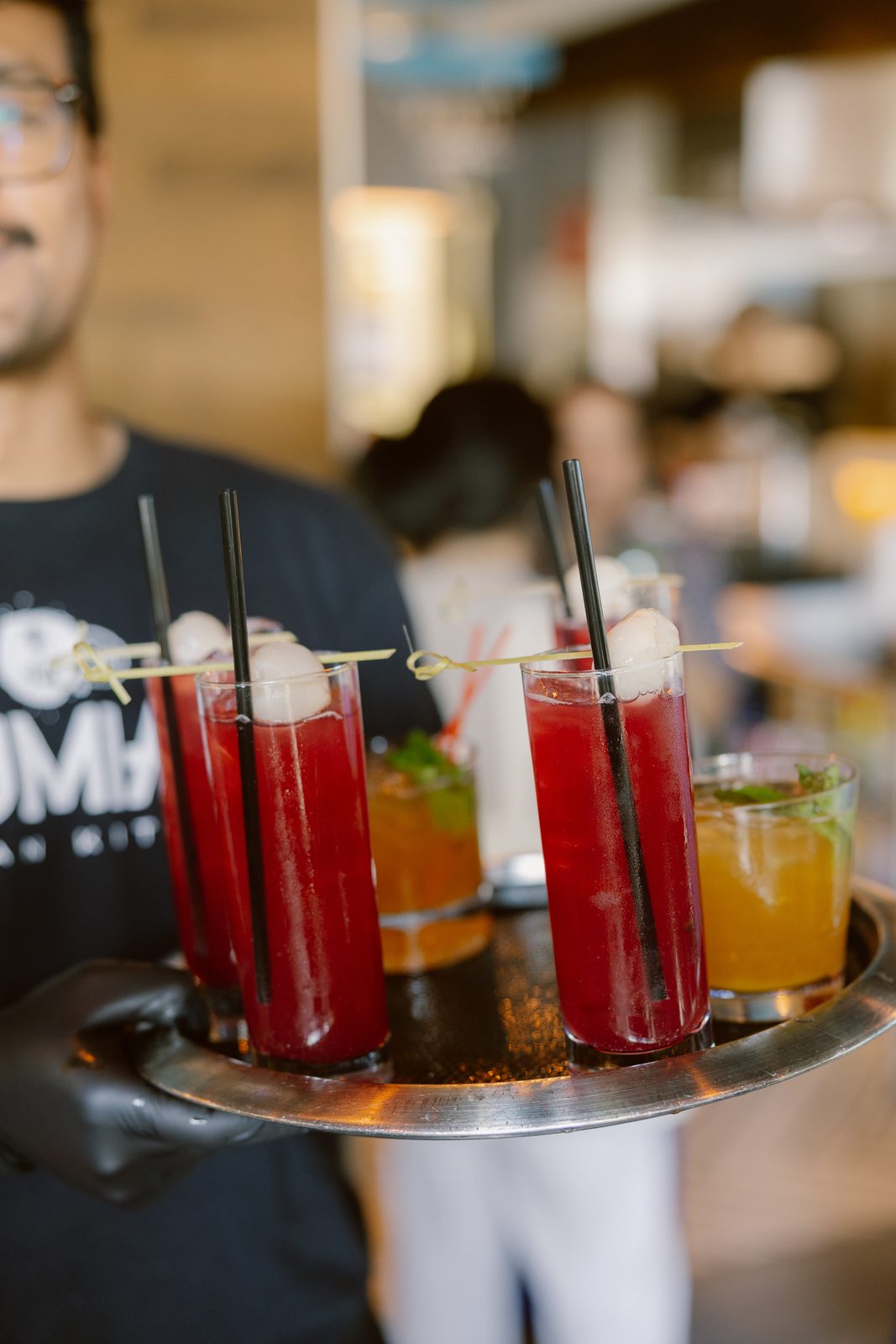
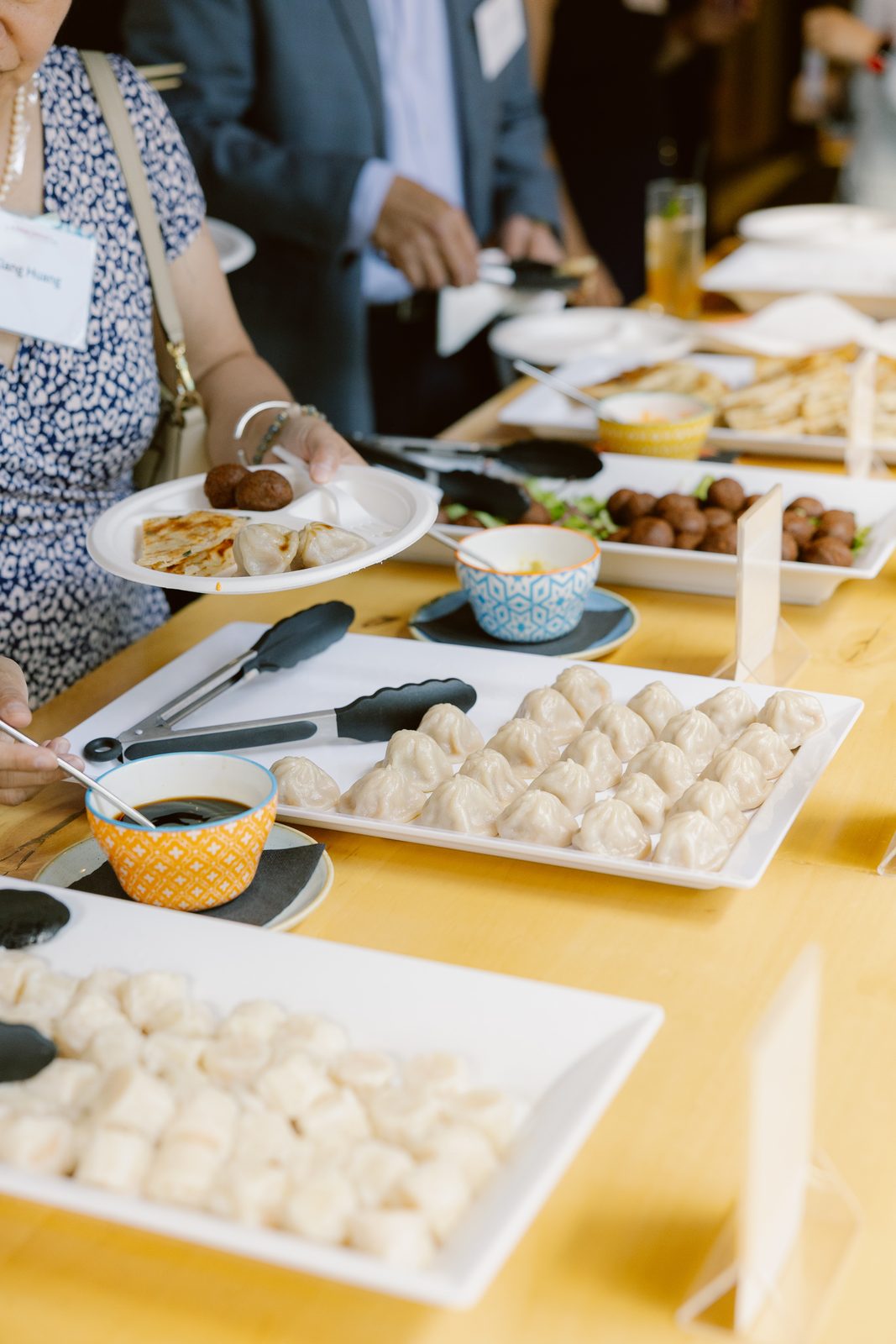
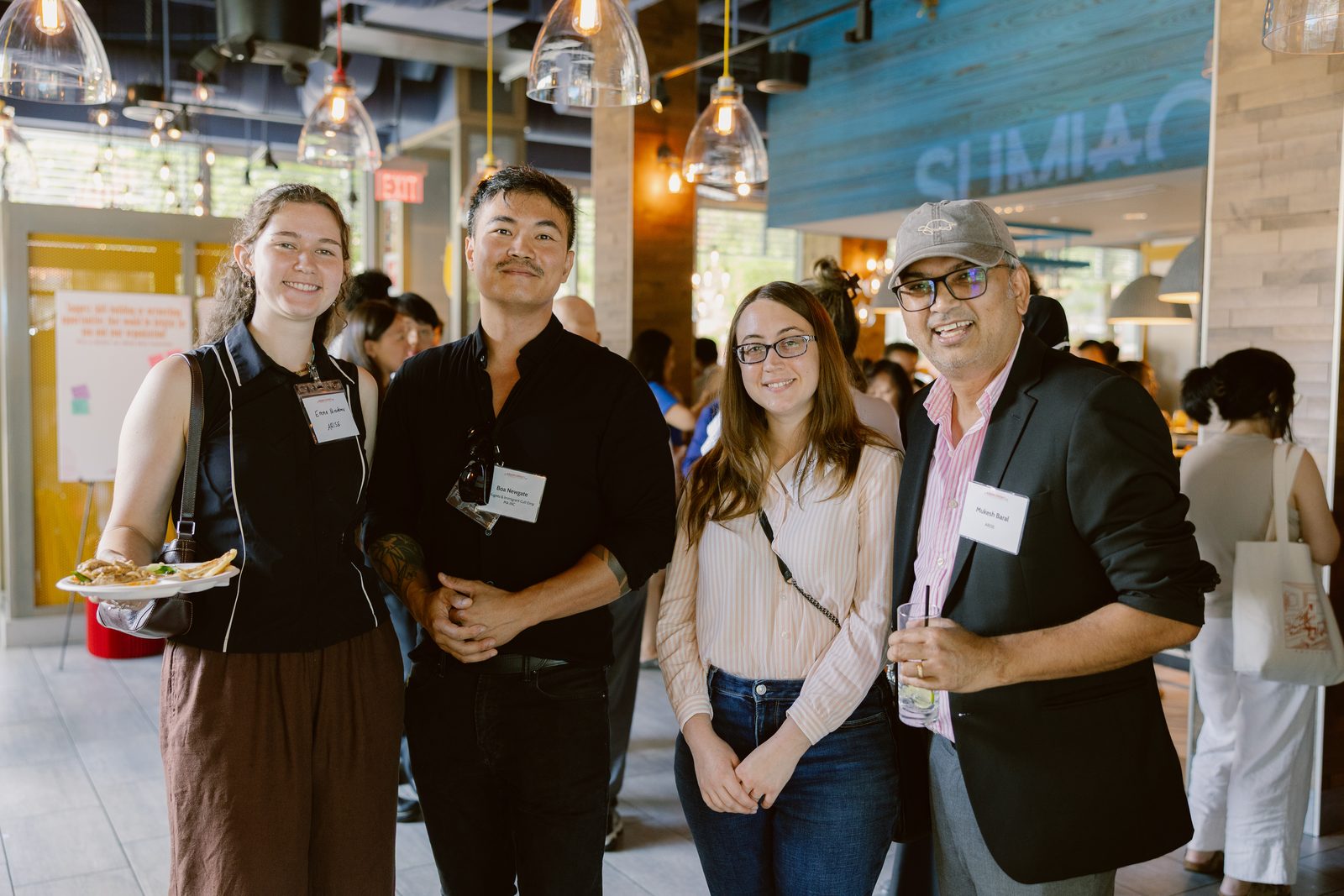
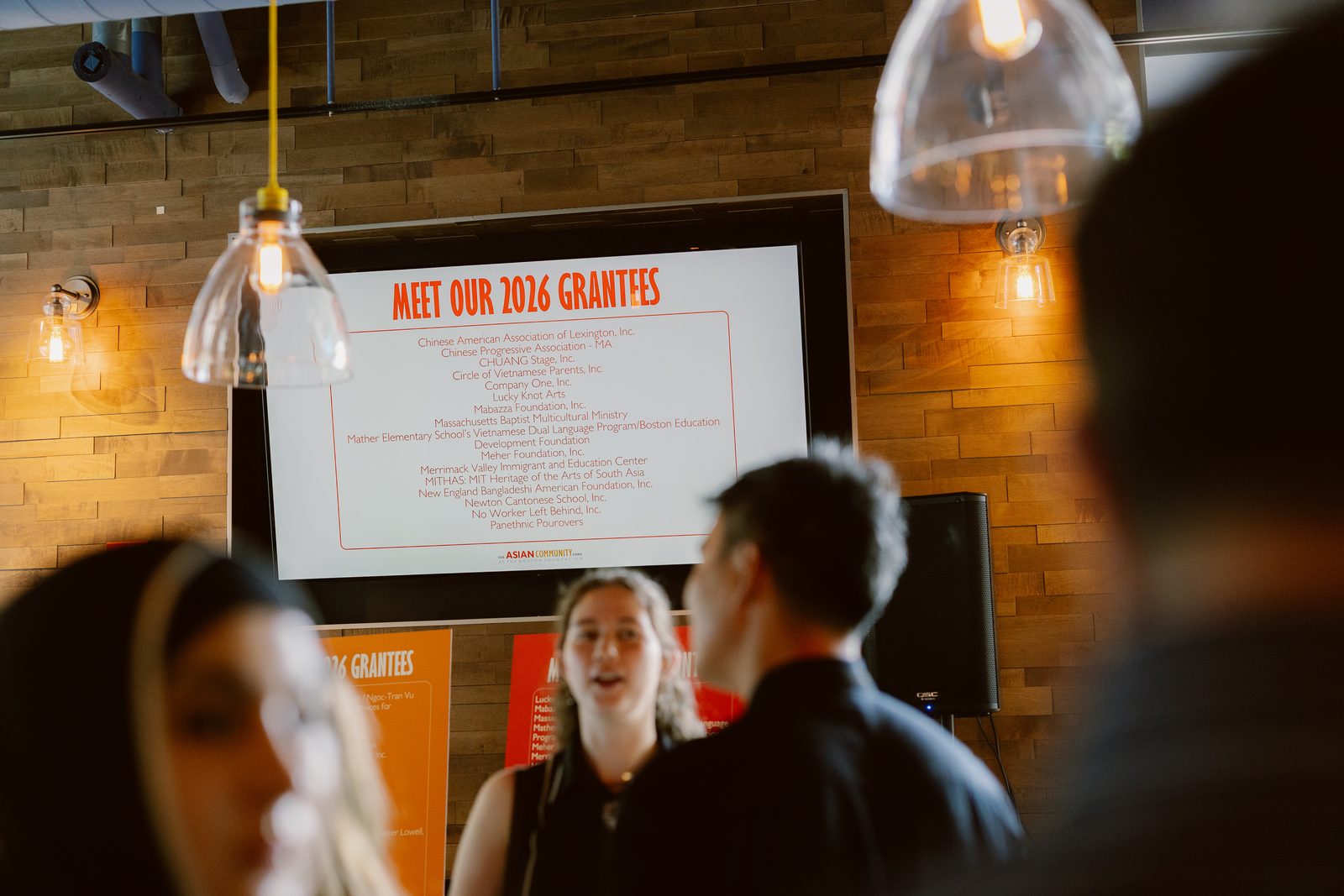
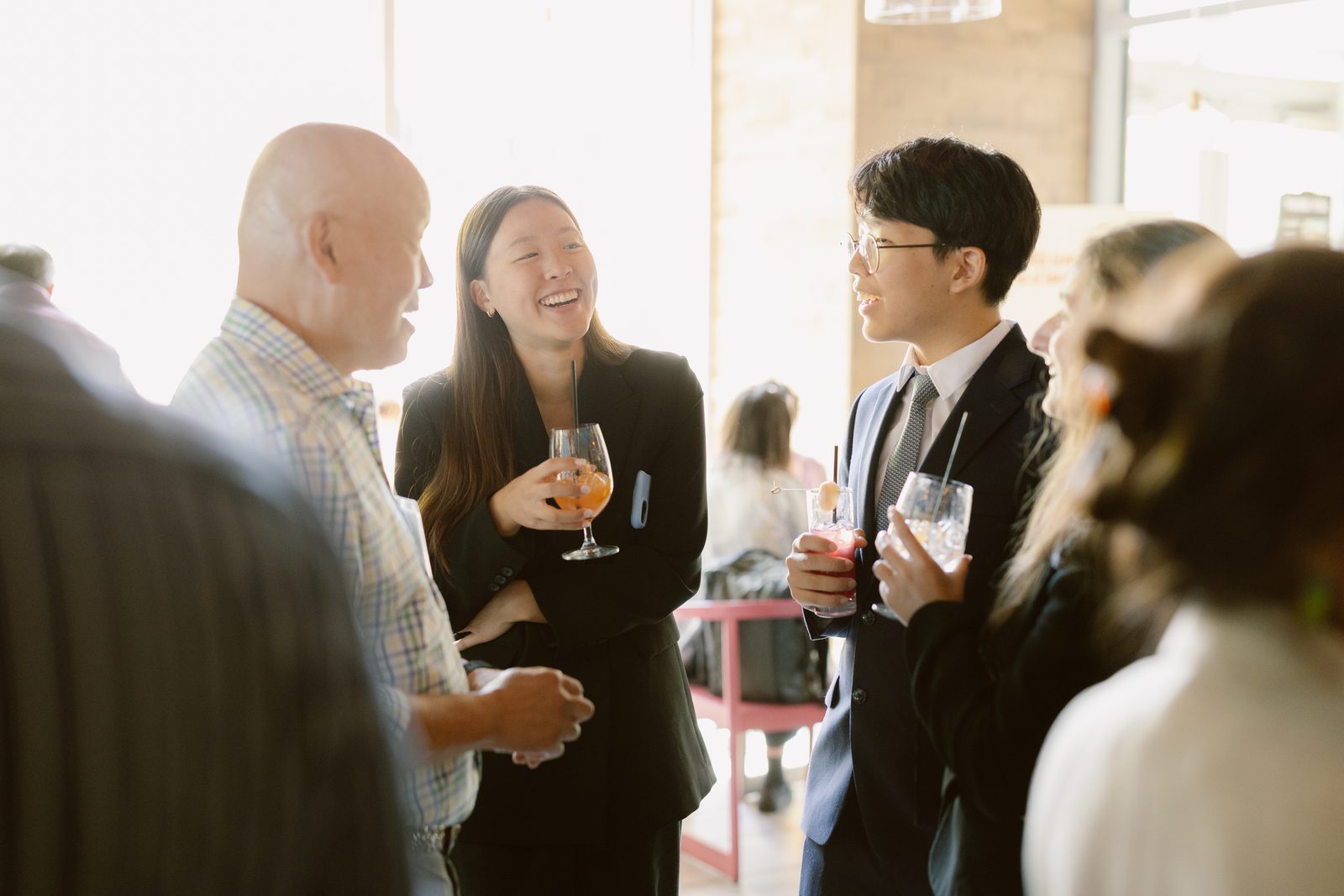
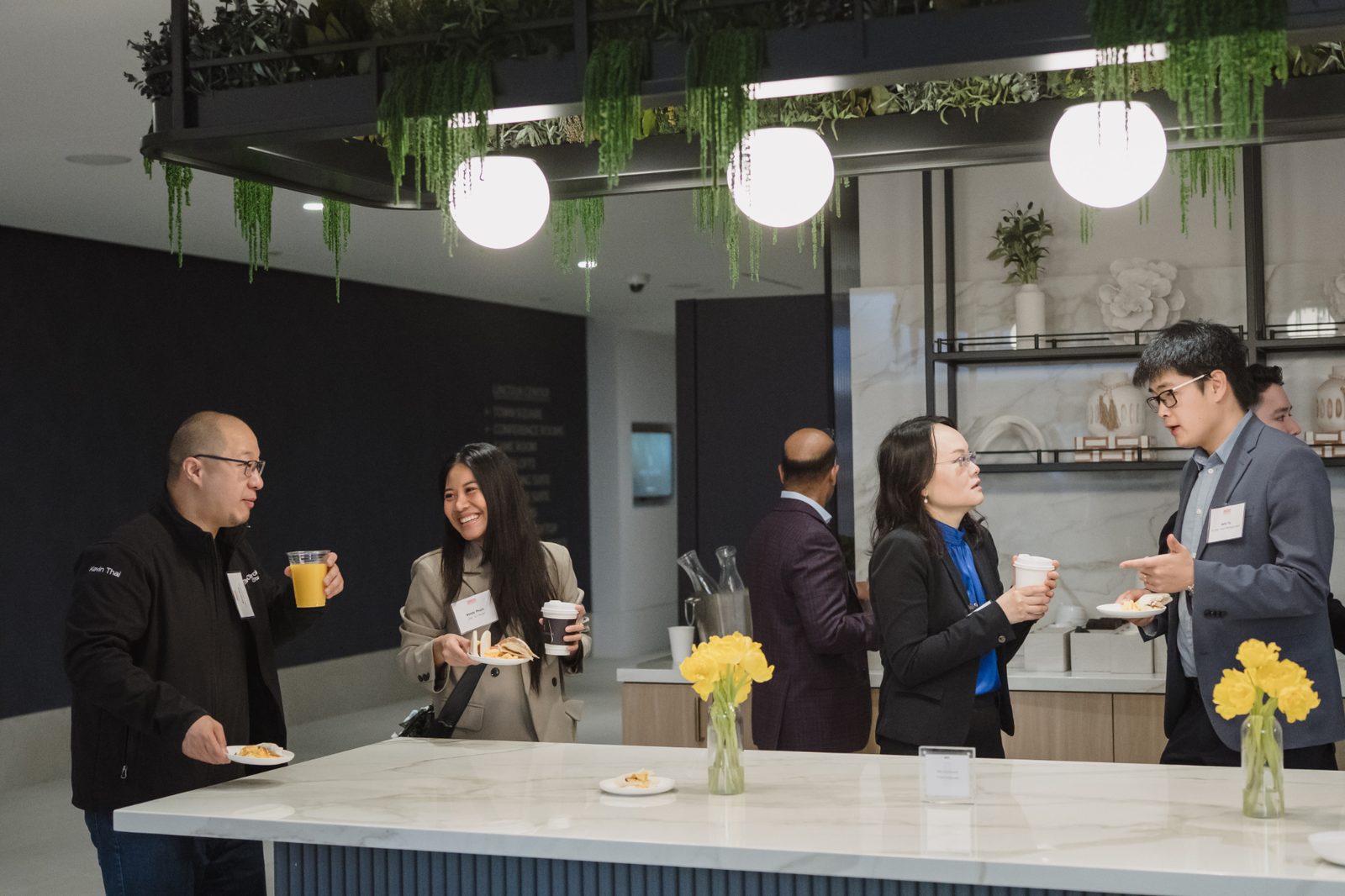
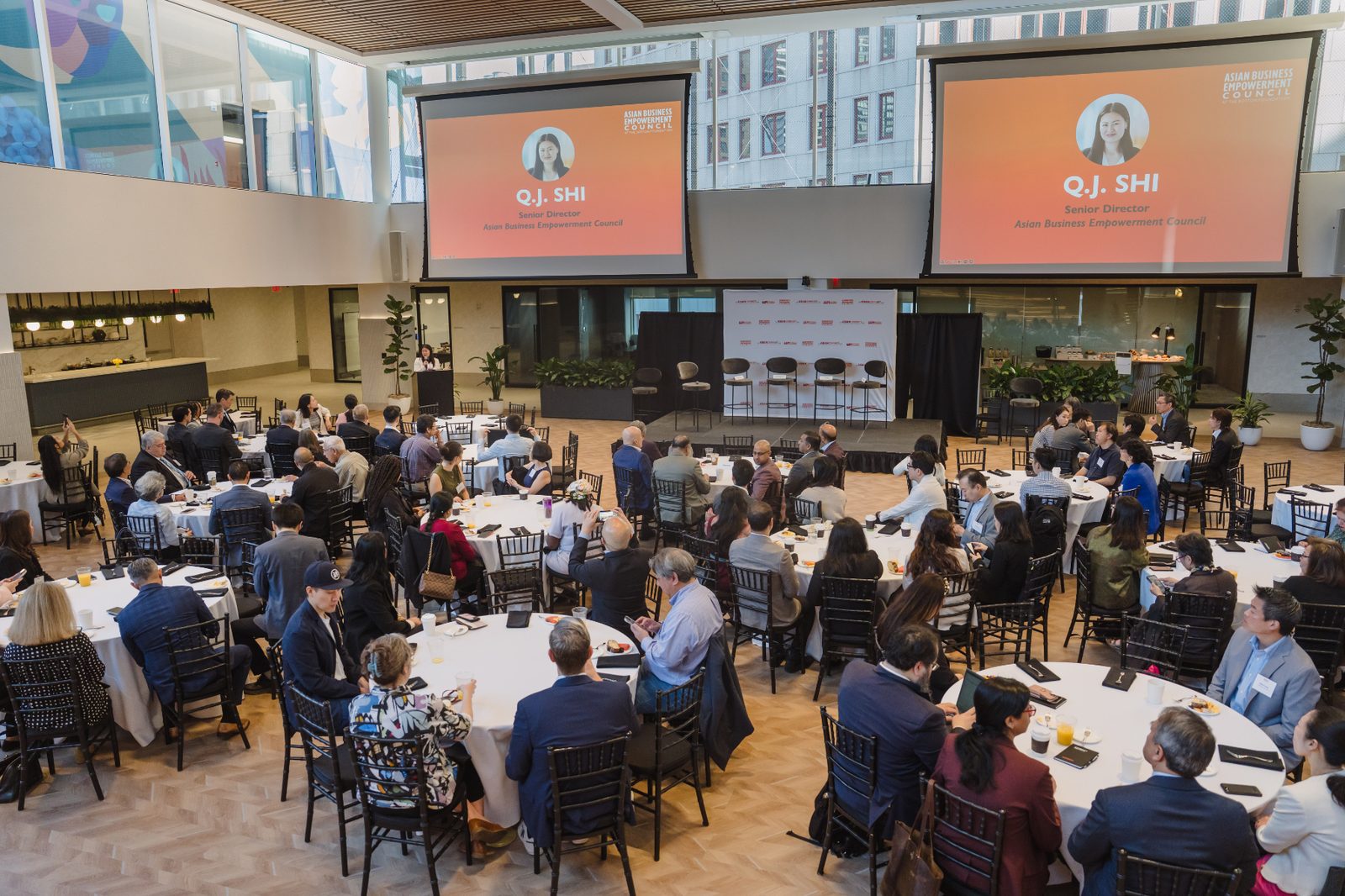
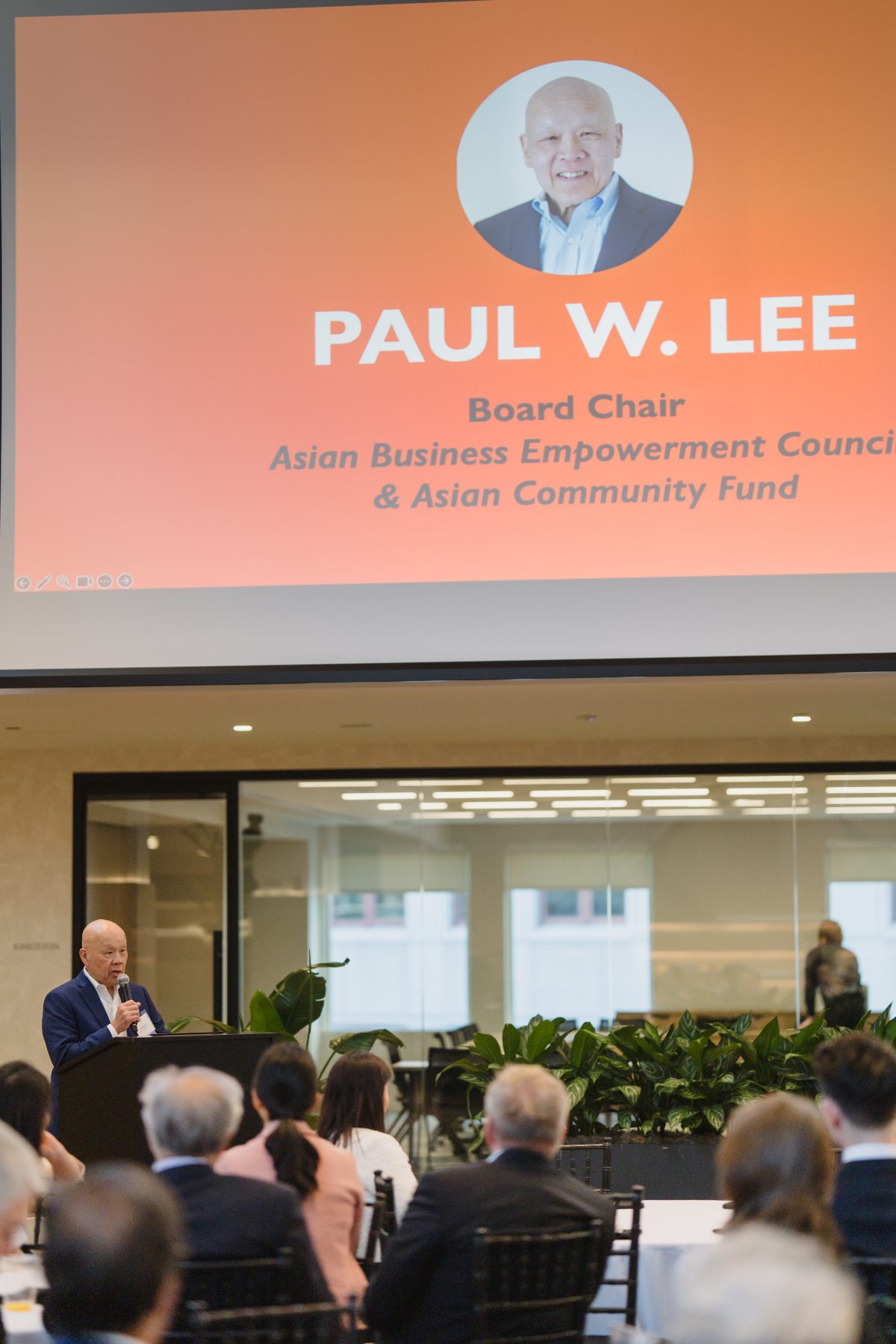
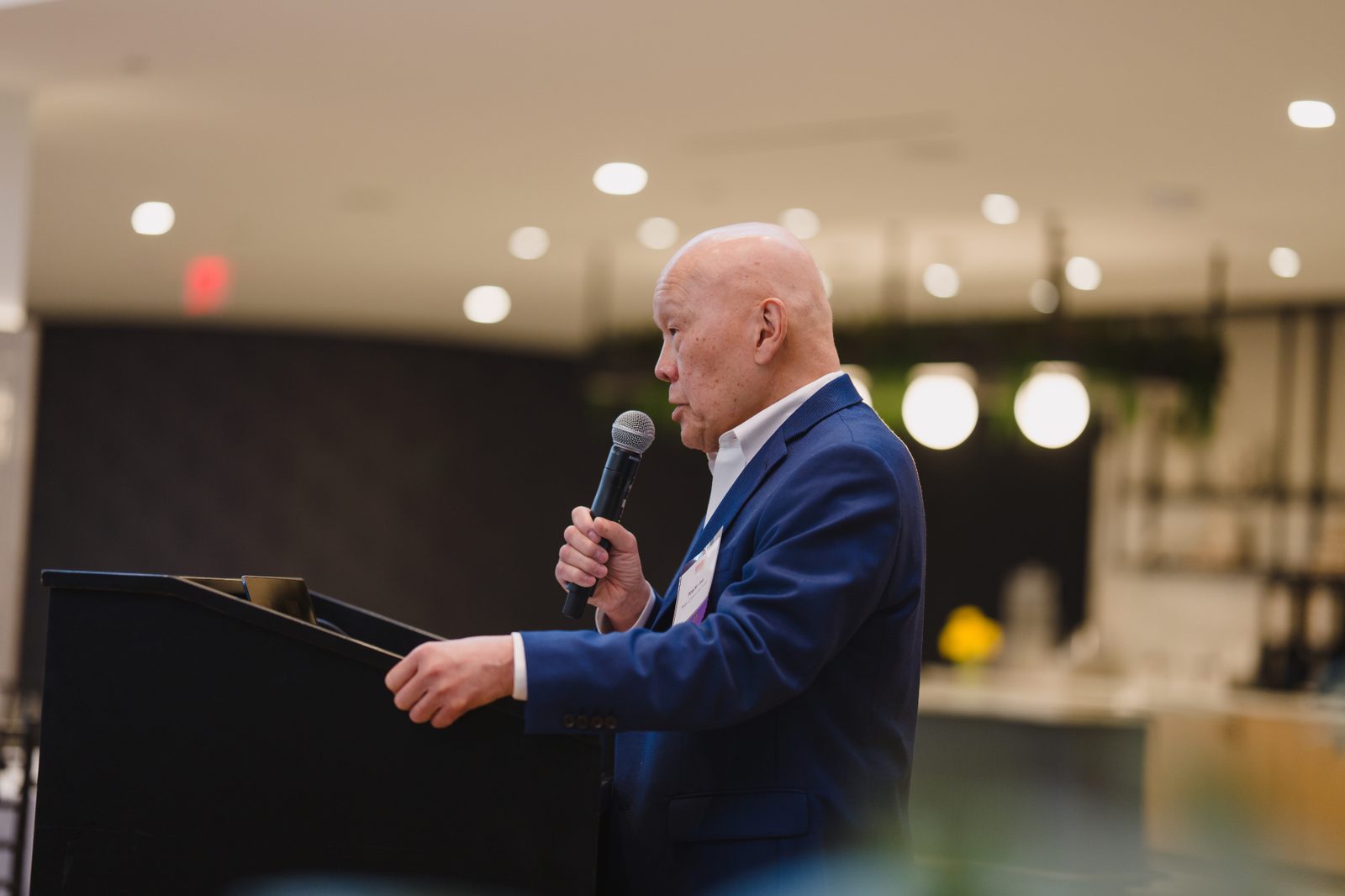
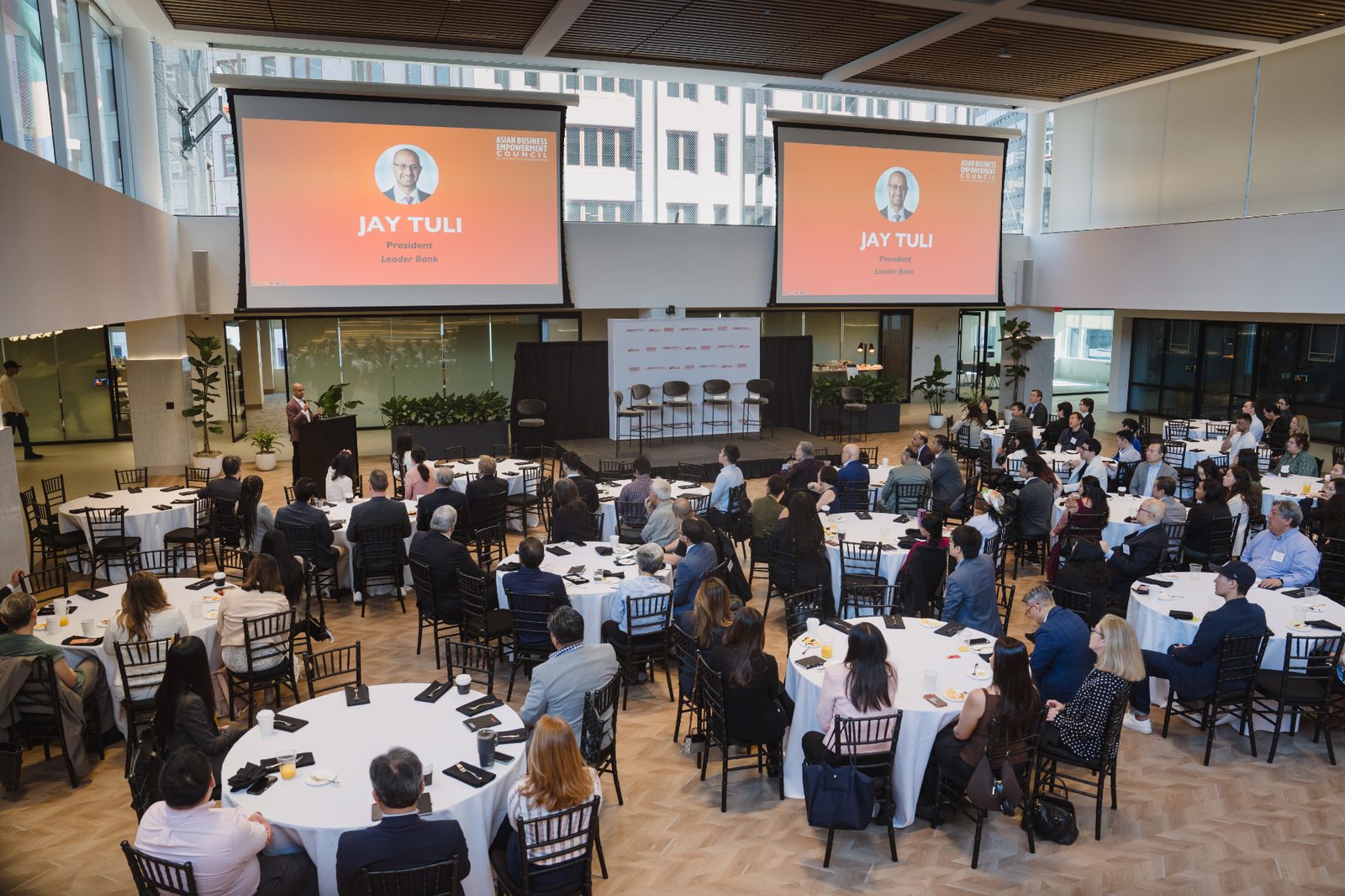
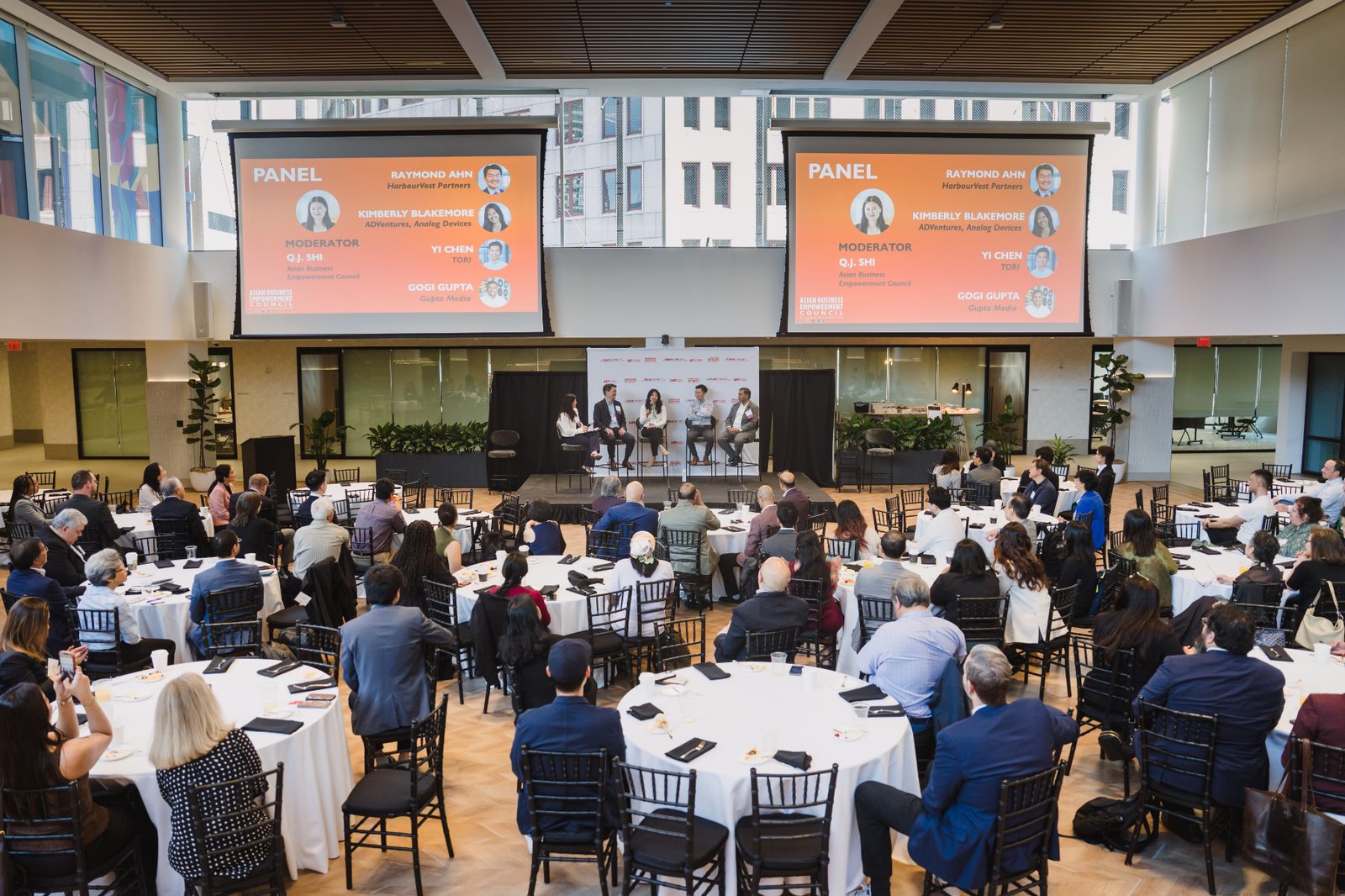
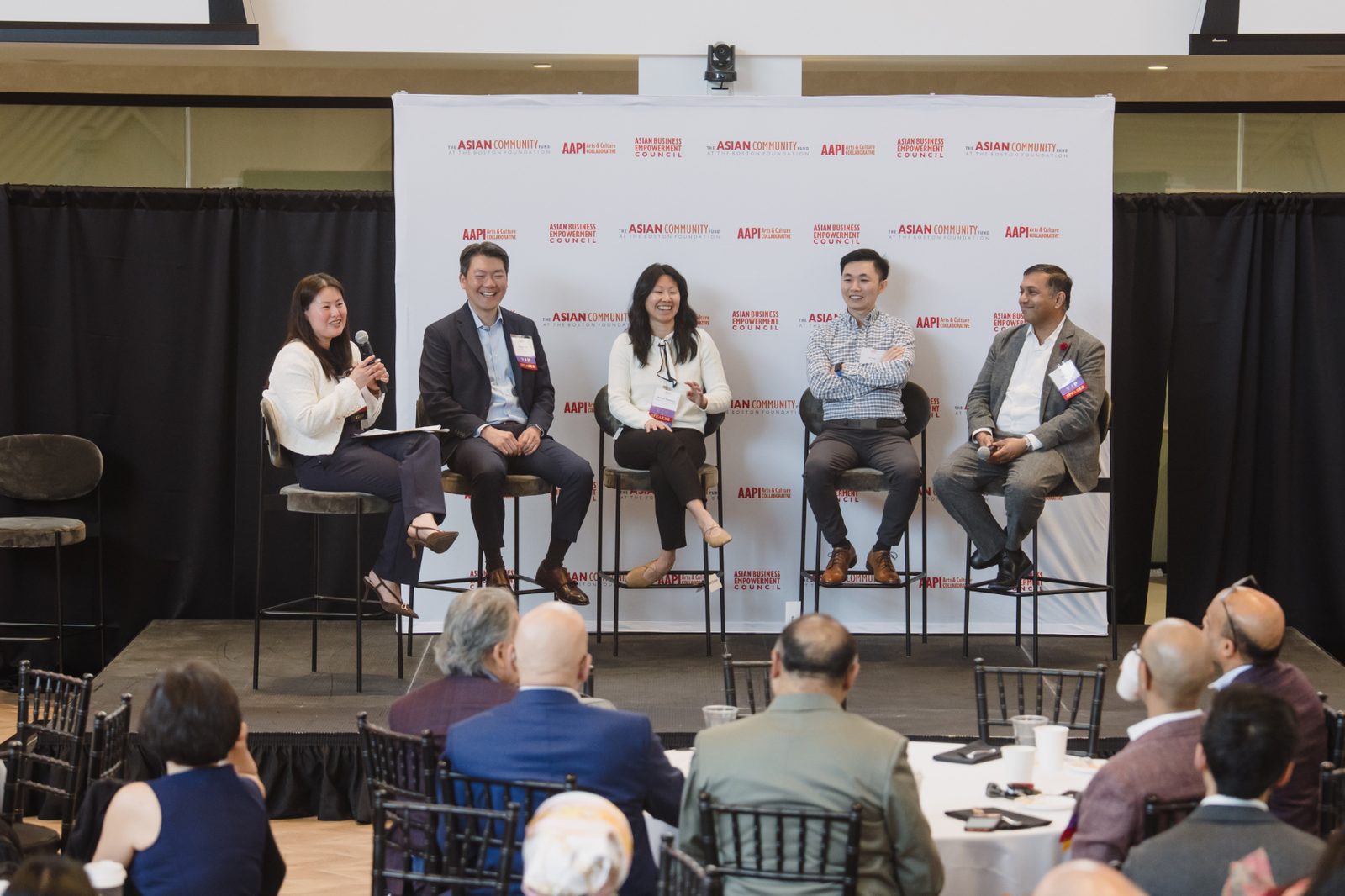
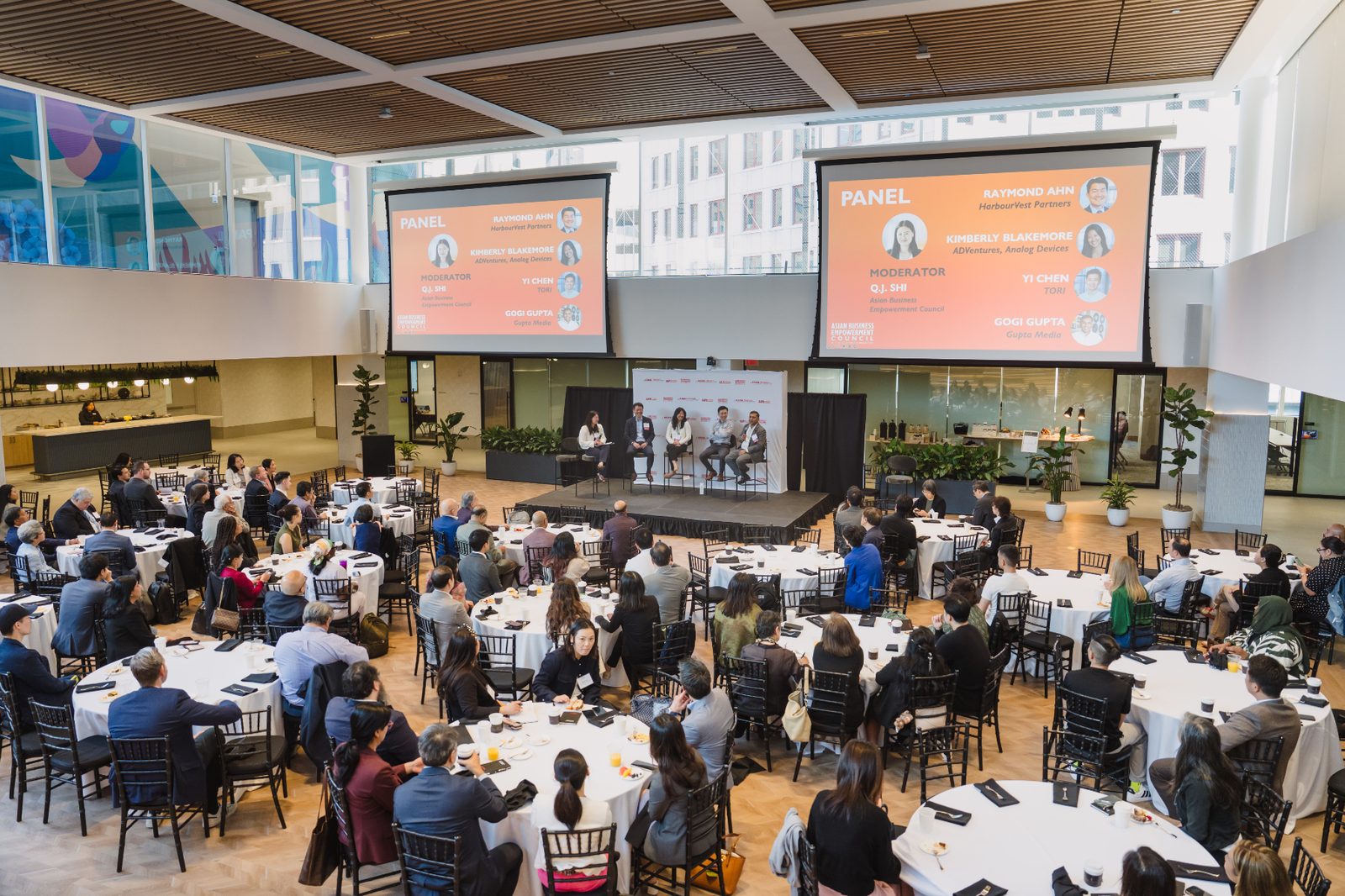
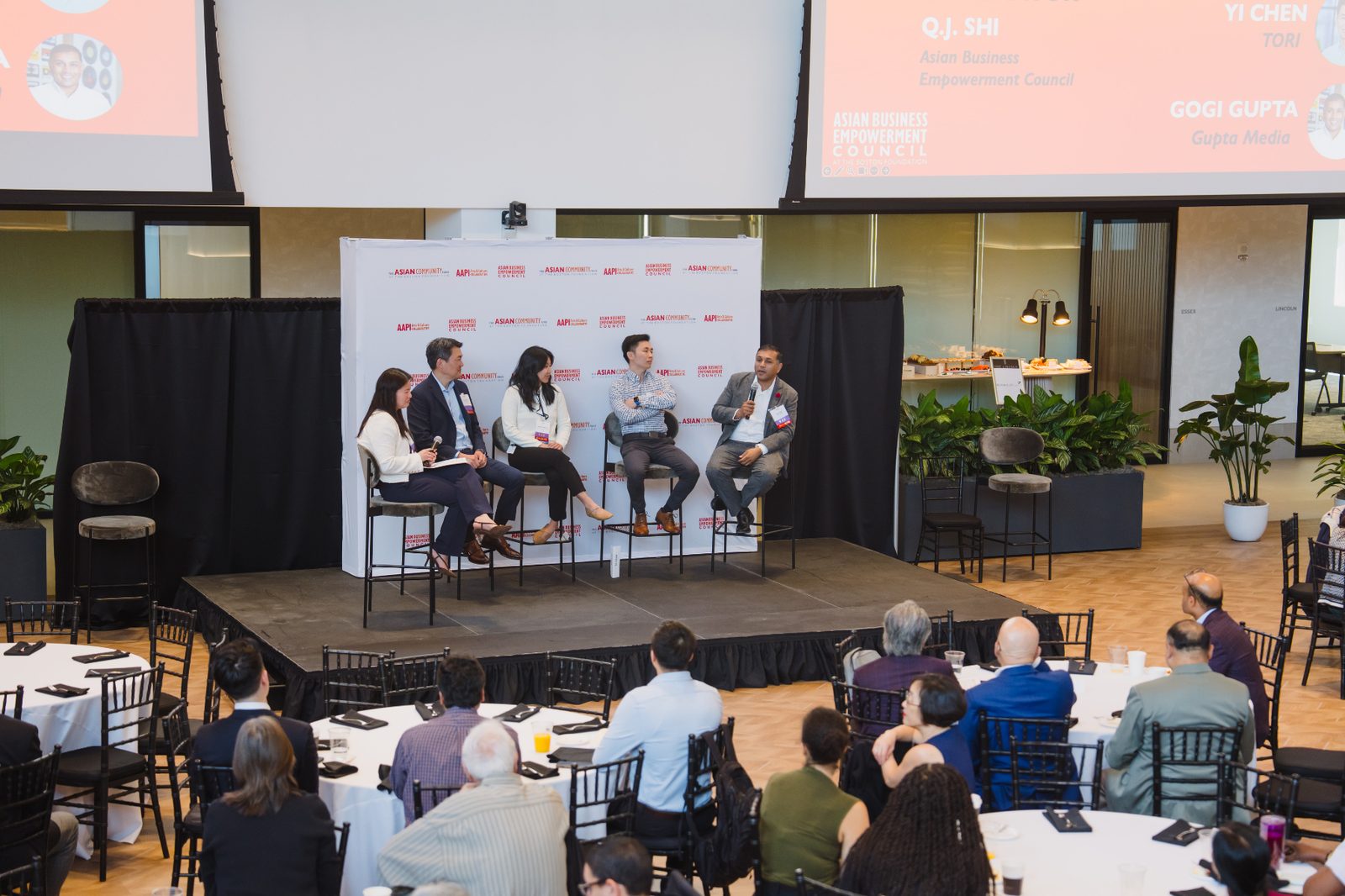
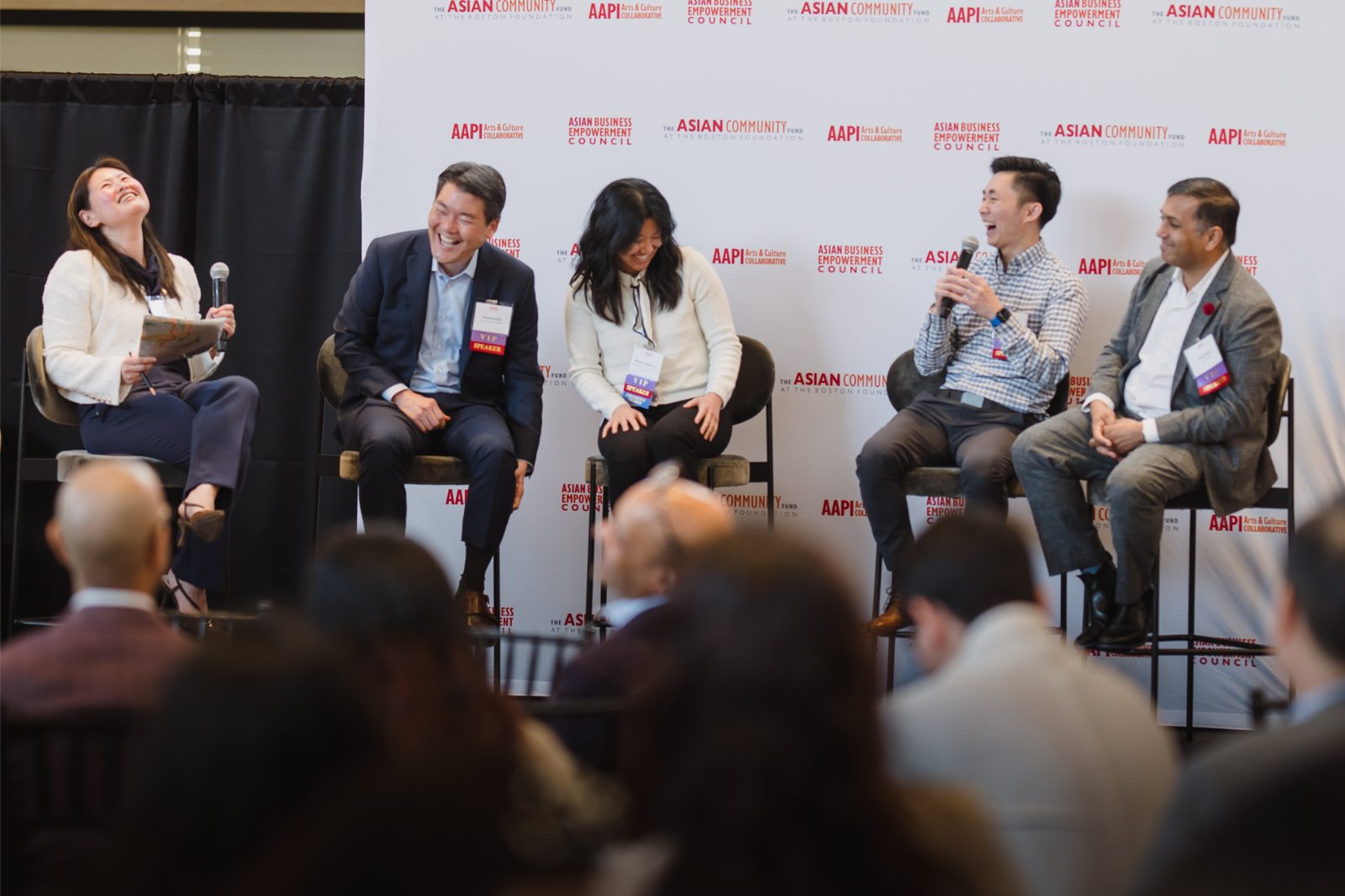
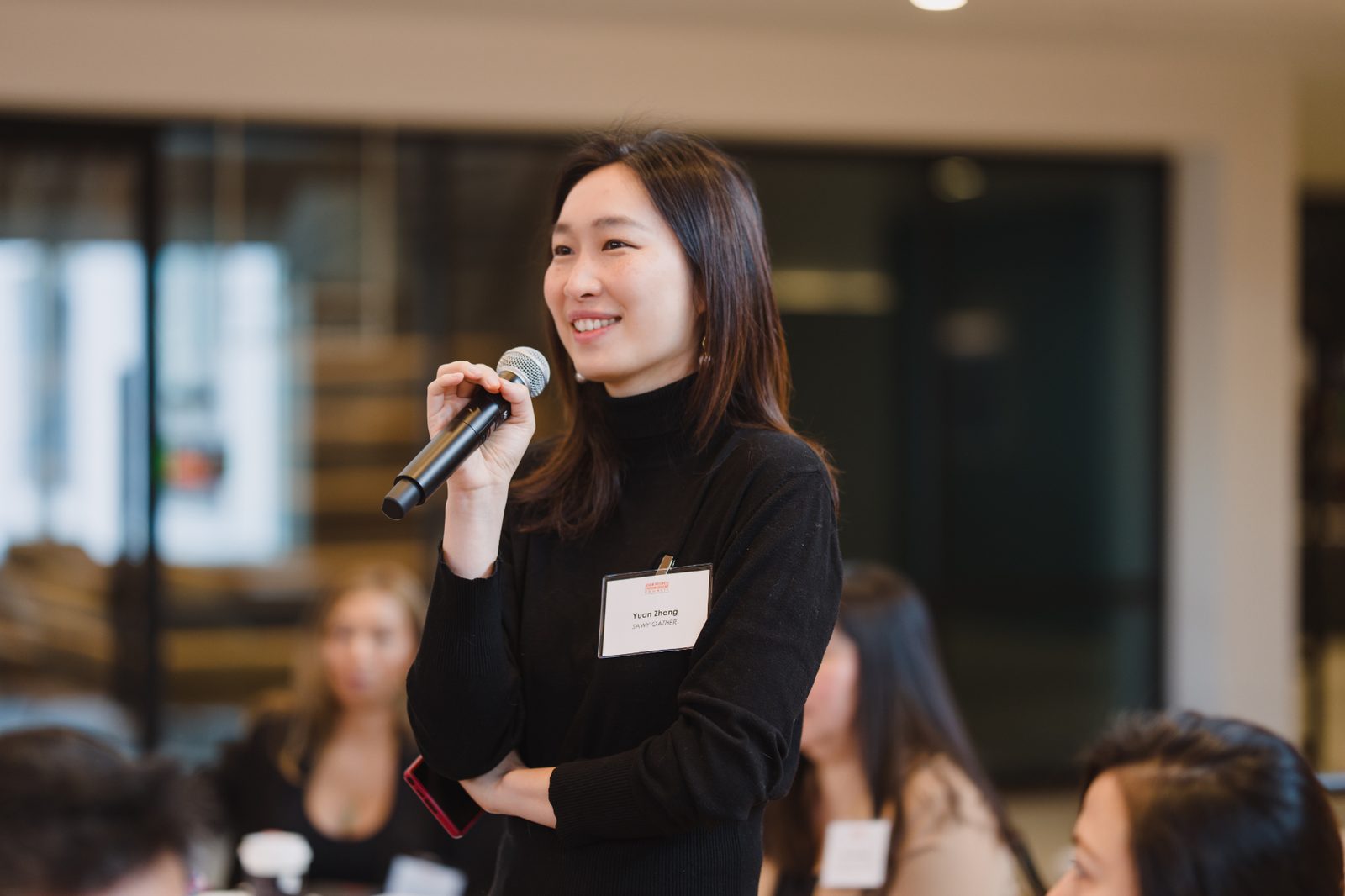
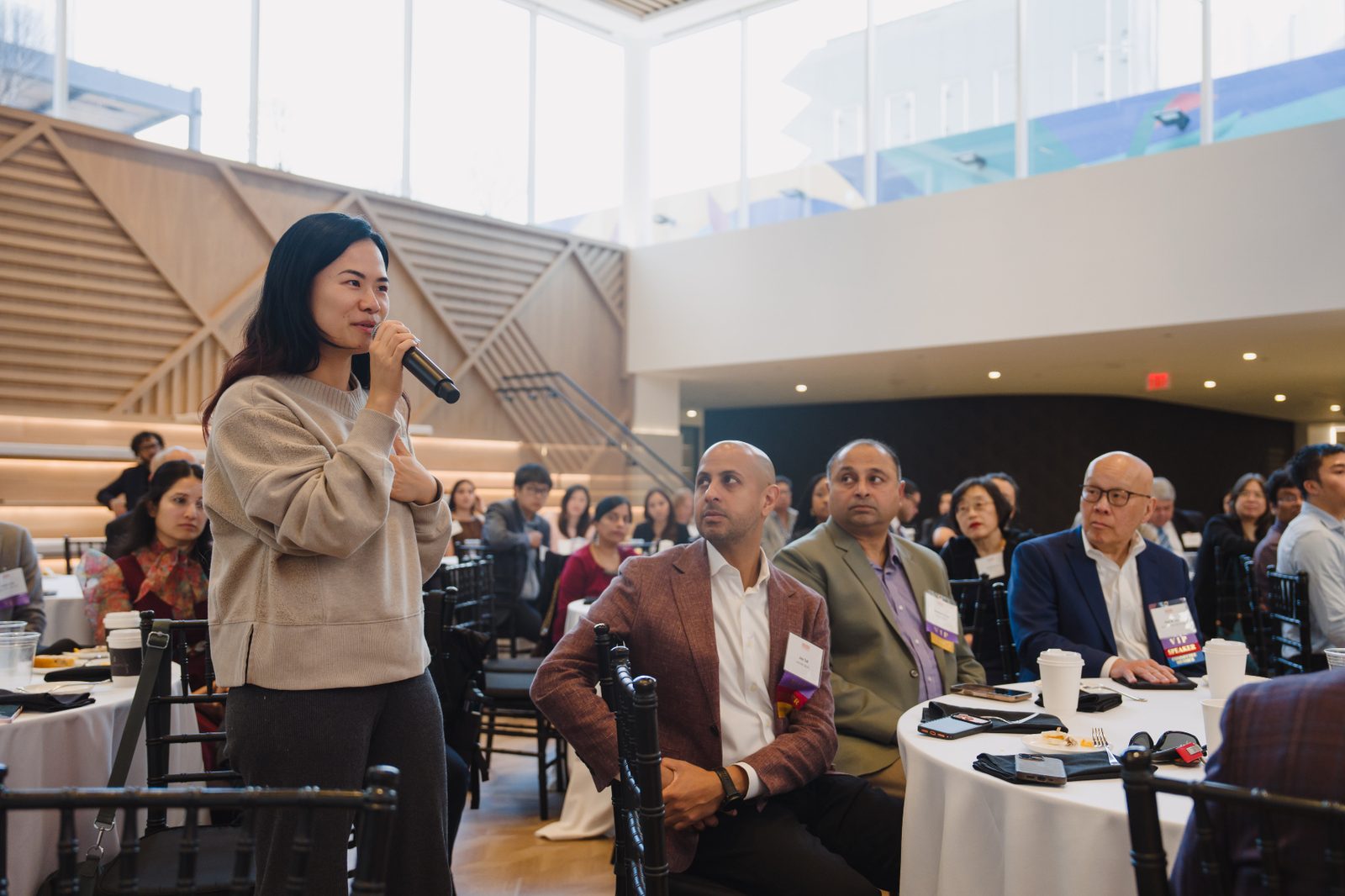
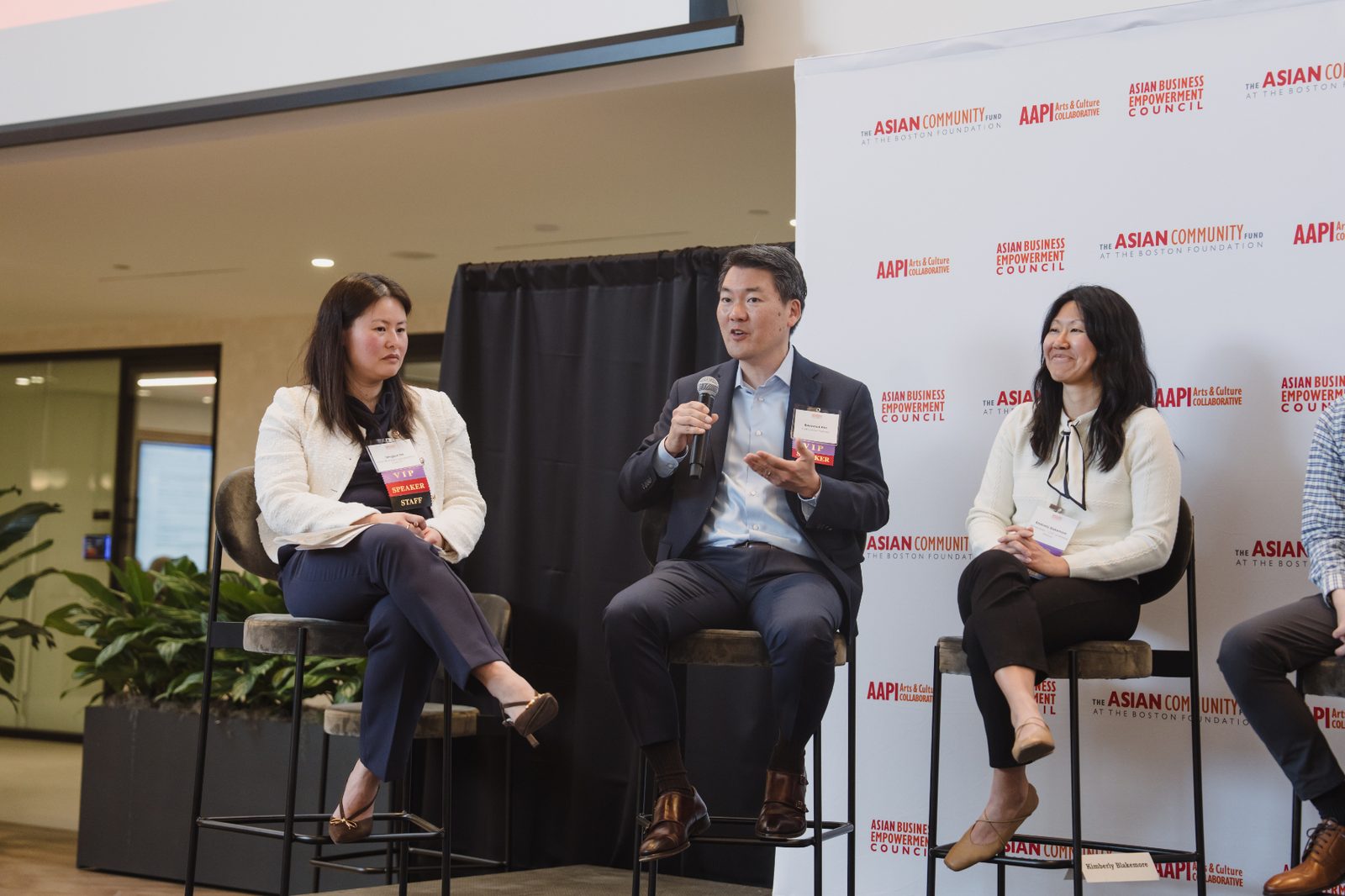
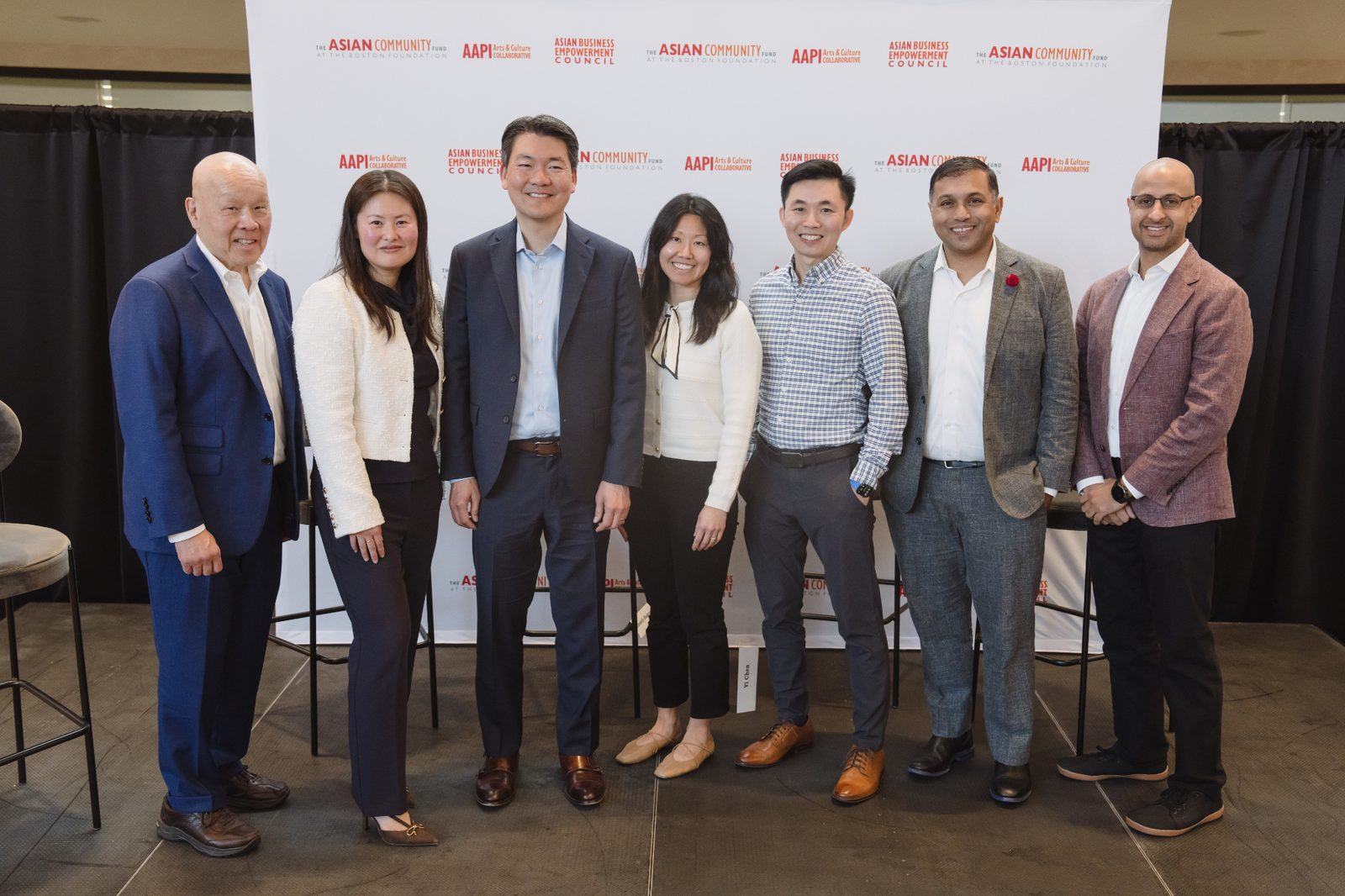
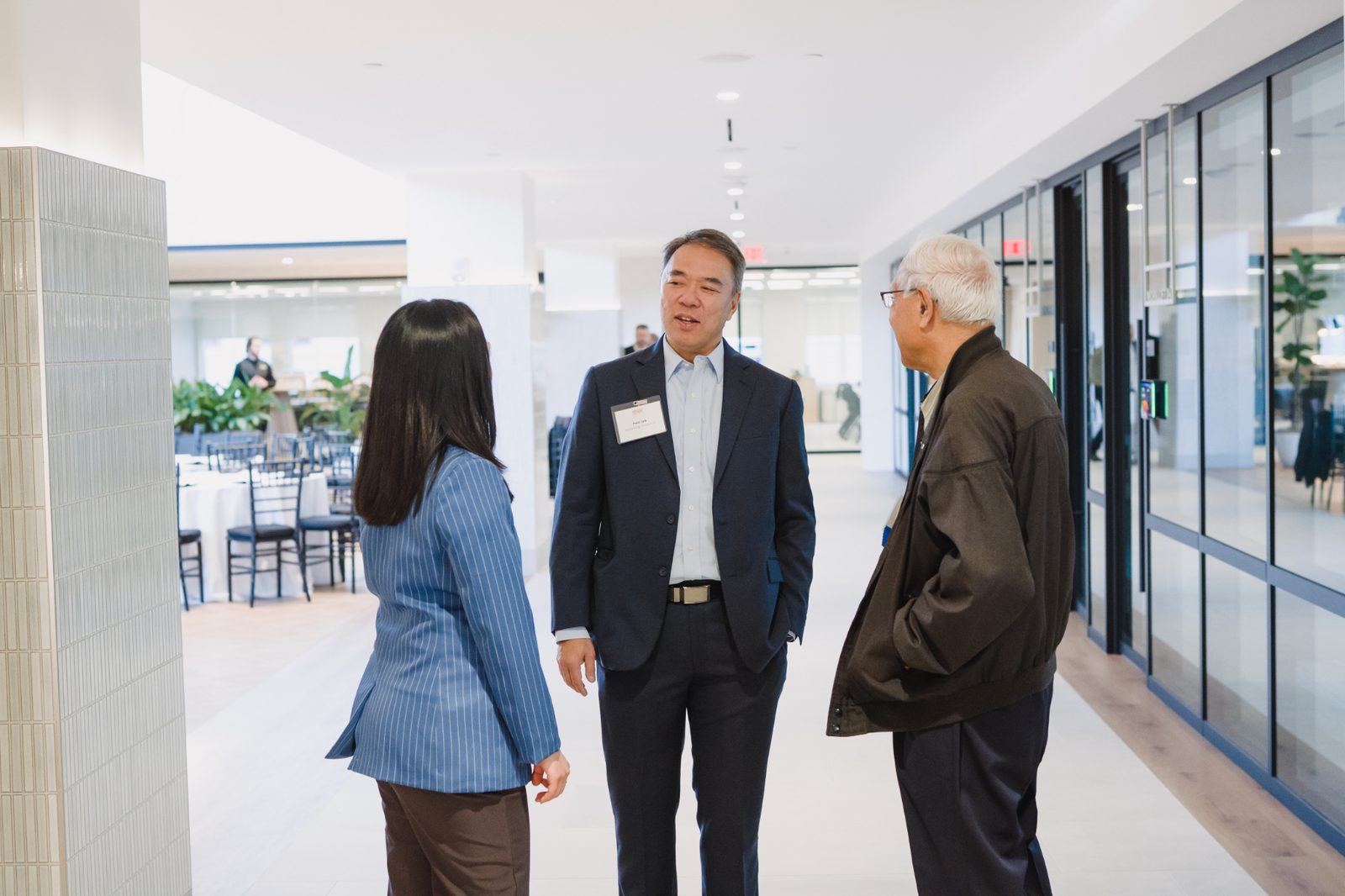
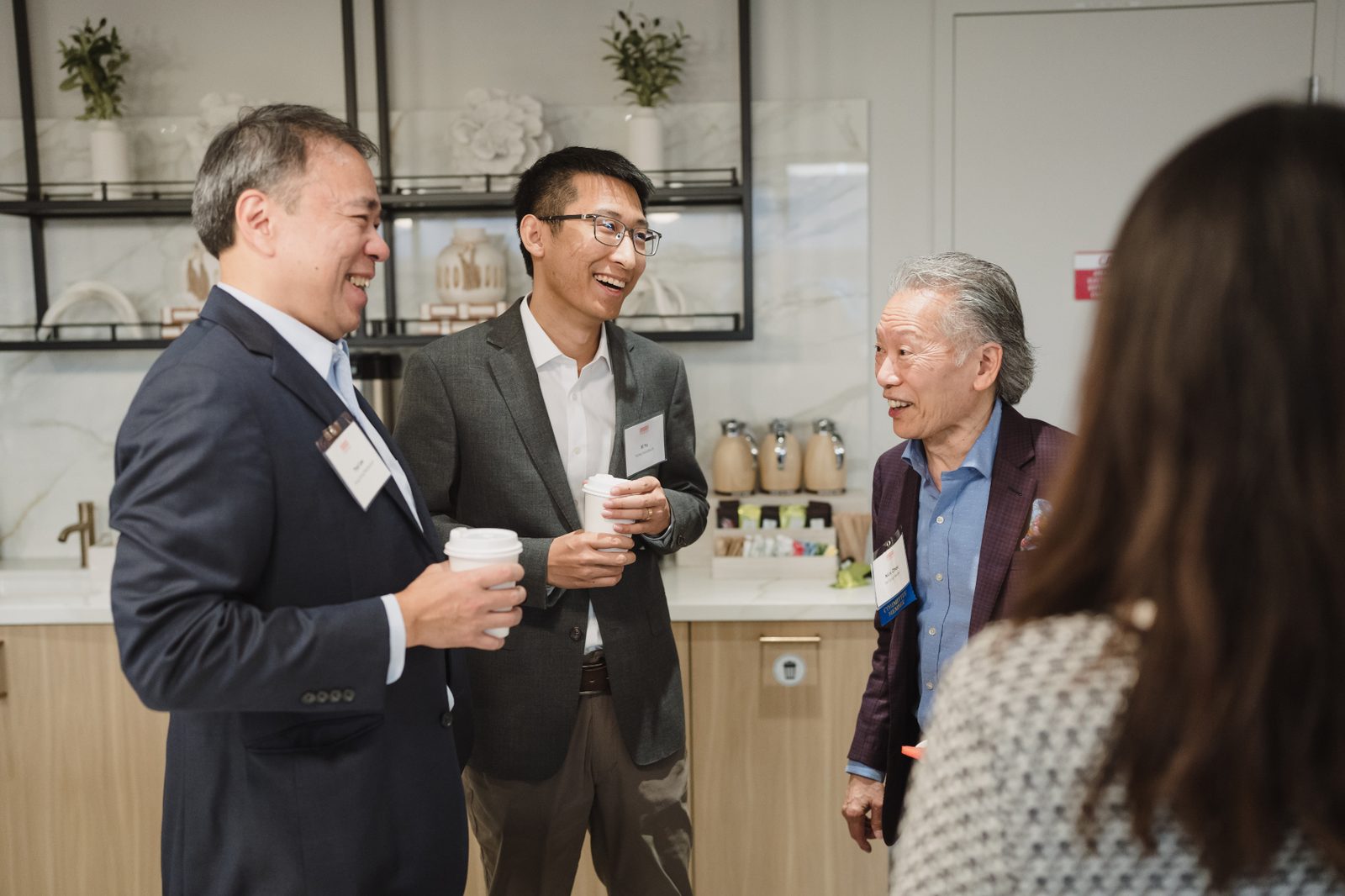
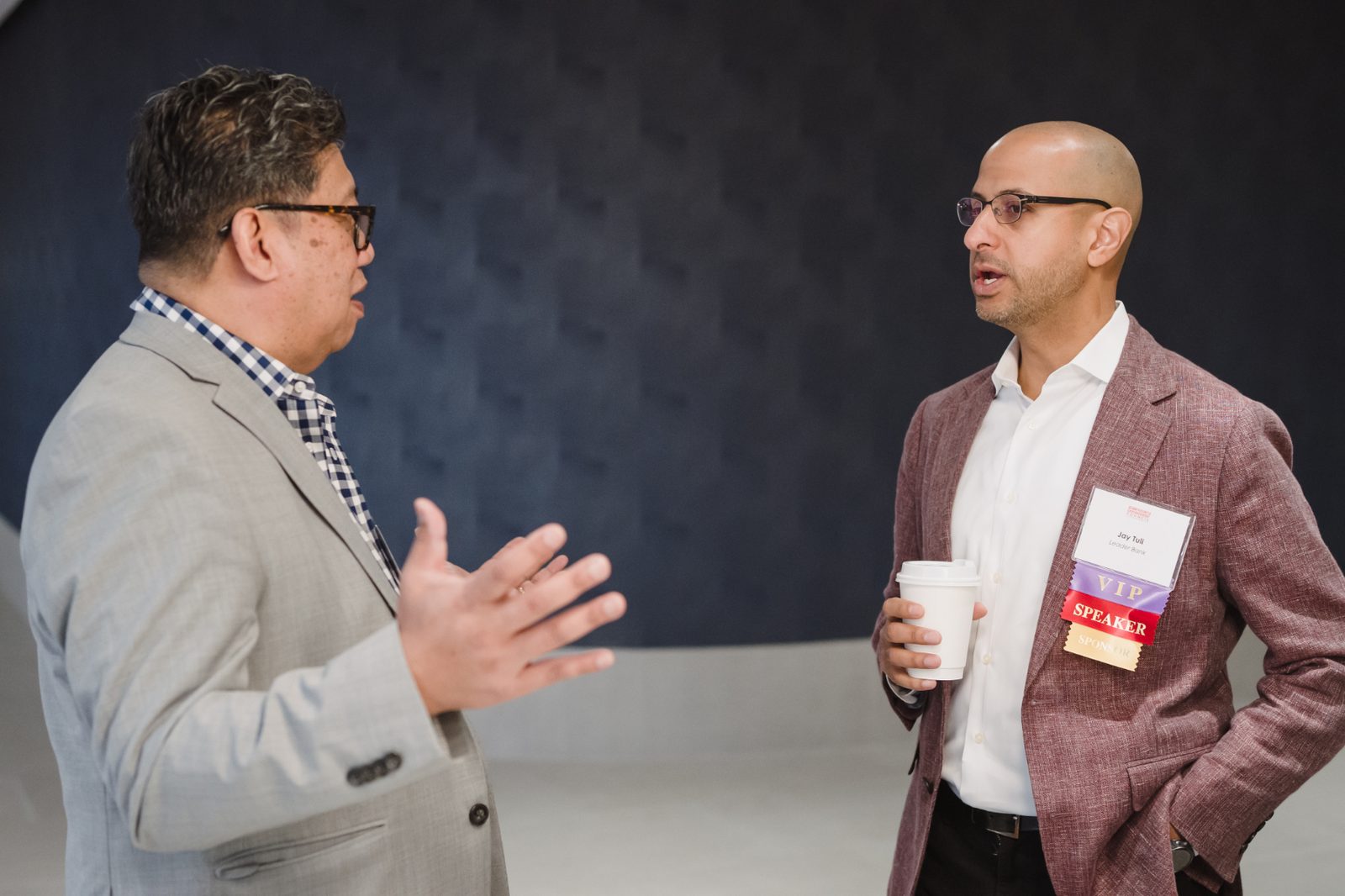
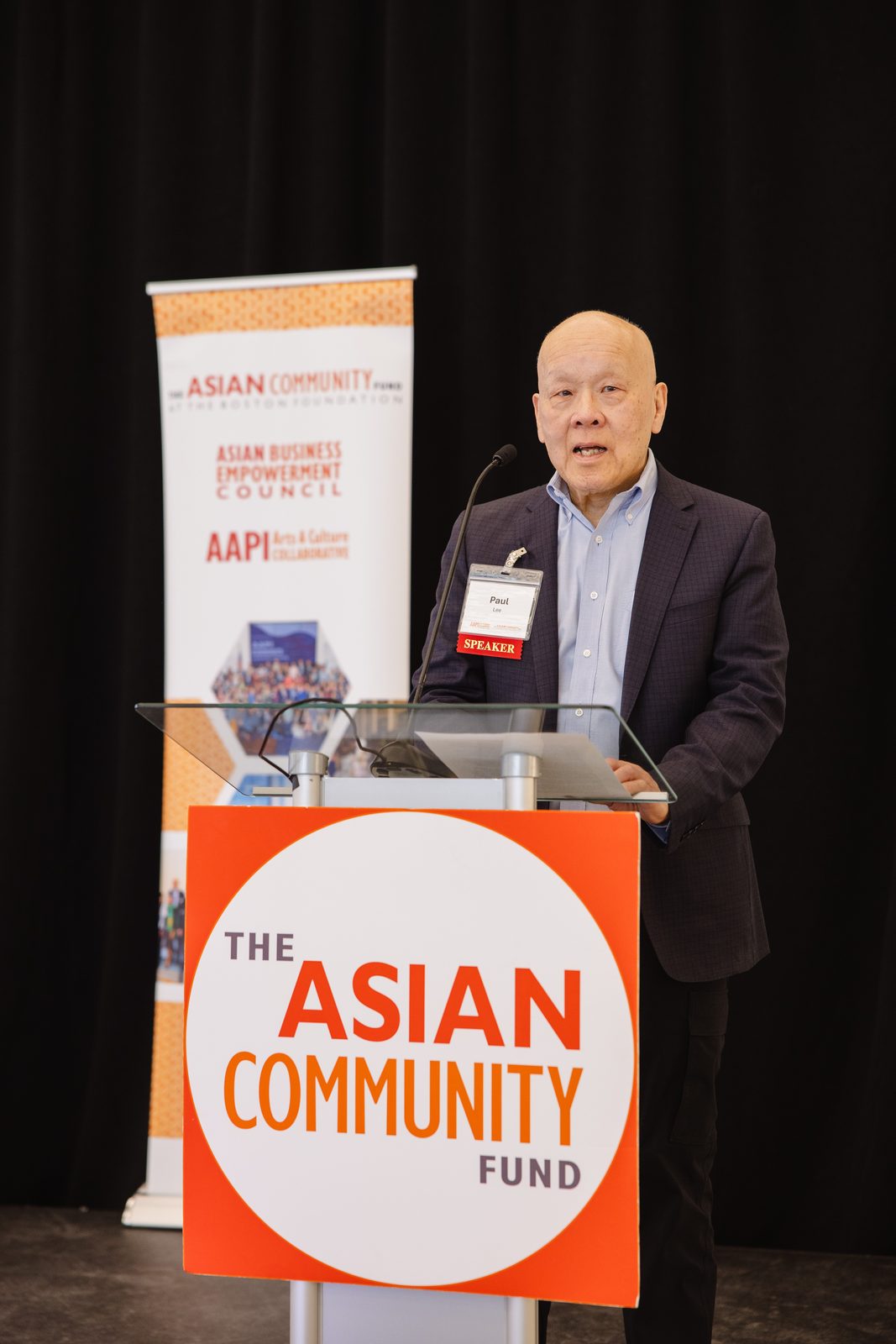
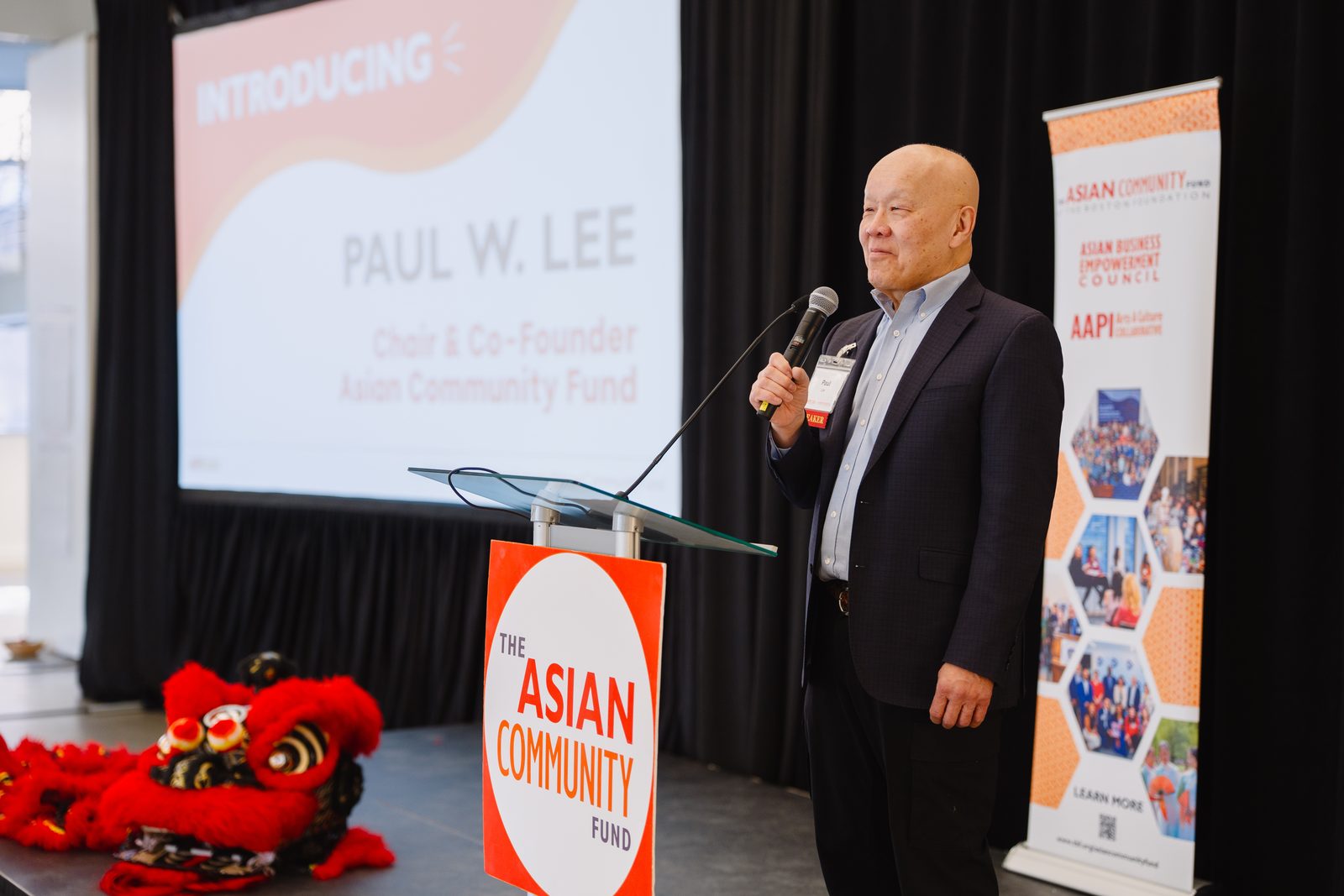
Over 100 AAPI business leaders, one morning, on adaptive leadership in a rapidly changing environment. Paul W. Lee, Jay Tuli, Raymond Ahn, Kimberly Blakemore and Gogi Gupta spoke, and not one of them polished it.
Gogi got honest about the moment self-employment stopped being an option and became the only option. You do not script that.